

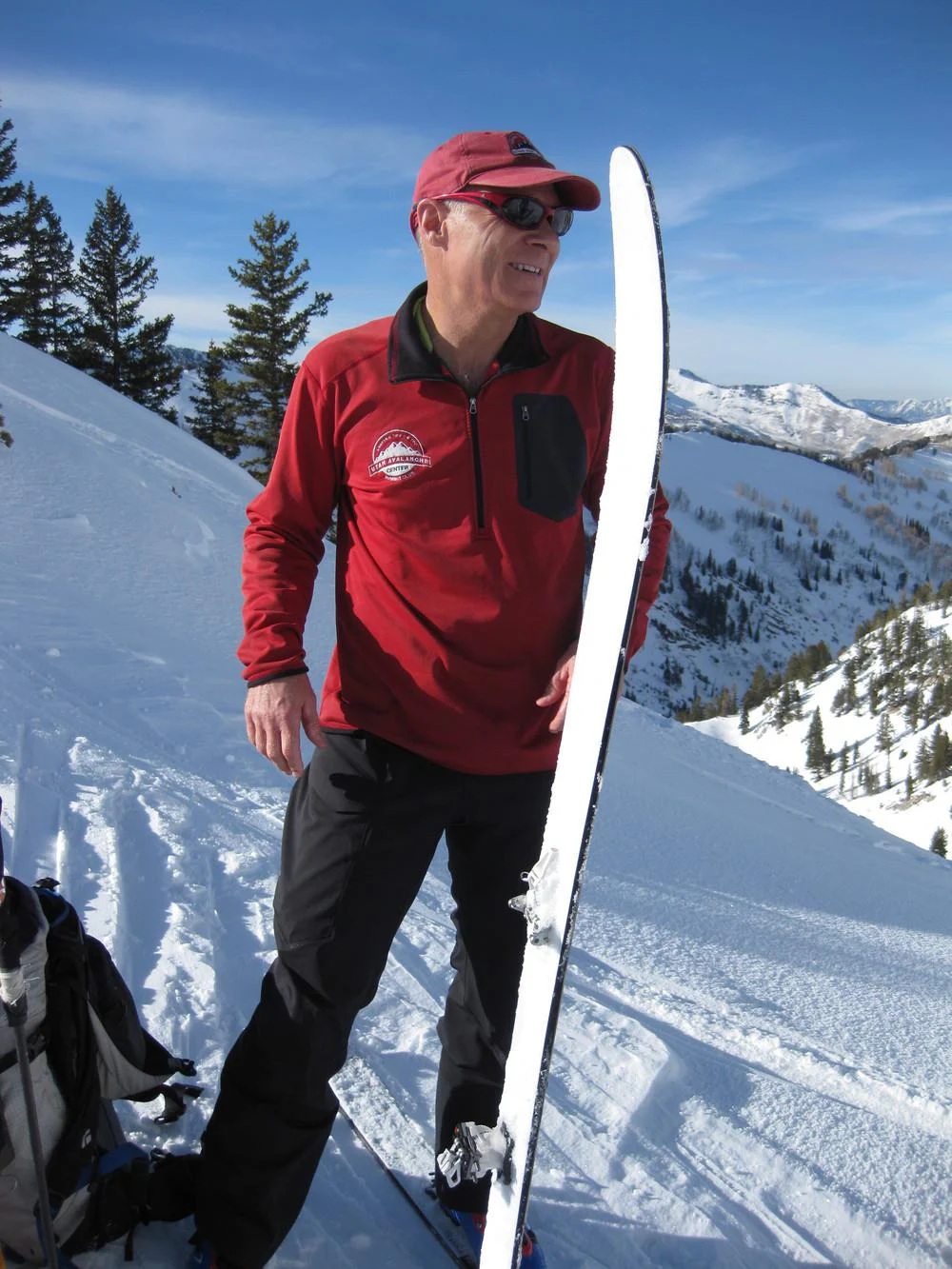
The Utah Avalanche Center (UAC) has announced the retirement of Bruce Tremper, a towering figure in avalanche science and public safety, from the U.S. Forest Service at the end of August. Tremper, who has served as the Director of the UAC for an impressive 29 years, leaves behind a legacy of innovation, dedication, and profound impact on avalanche forecasting and education across the United States and internationally. His departure marks the end of an era for the organization and initiates a transition to new leadership, with Mark Staples stepping into the role of Director.
A Career Forged in Snow and Science
Bruce Tremper’s journey into the world of avalanches began in Montana, where he pursued his academic interests, earning a Master of Science degree from Montana State University under the guidance of Dr. John Montagne. His early career was characterized by a swift transition from theoretical research to practical application. Tremper gained invaluable hands-on experience in avalanche control work at prominent ski resorts, including Bridger Bowl and Big Sky. These formative years provided him with a deep understanding of avalanche dynamics and the critical importance of mitigation strategies in snow-covered mountain environments.
Following his work in Montana, Tremper expanded his expertise by forecasting avalanches at the Alaska Avalanche Center. During his tenure there, he collaborated with notable figures in the field such as Doug Fesler, Jill Fredston, and Jim Woodmency. This period in Alaska, known for its challenging and remote avalanche terrain, further honed his forecasting skills and deepened his appreciation for the complexities of snowpack behavior in extreme conditions.
Transforming Avalanche Forecasting: Innovation at the UAC
In 1986, Bruce Tremper assumed the directorship of the Utah Avalanche Center, a position he would hold for nearly three decades. Under his leadership, the UAC underwent a significant evolution, mirroring the broader technological advancements within the avalanche safety community. Tremper was a driving force in transforming the center’s public outreach from a primarily phone-recorded advisory system to a comprehensive suite of internet-based products. This modernization made avalanche information more accessible and digestible for a wider audience, from recreational backcountry enthusiasts to professional ski patrollers and land managers.
A hallmark of Tremper’s tenure was the UAC’s pioneering approach to presenting avalanche danger. He and his team were instrumental in introducing standardized icons and clearly defined avalanche problems into their daily advisories. This innovative visual language significantly improved the clarity and effectiveness of the forecasts, enabling users to more readily understand the specific threats posed by varying snowpack conditions and weather patterns. This system became a benchmark for other avalanche centers, influencing forecasting methodologies nationwide.
Beyond the Director’s Chair: A Multifaceted Contributor to Avalanche Safety
Bruce Tremper’s influence extended far beyond his administrative duties as UAC Director. He consistently demonstrated a commitment to education and dissemination of knowledge within the avalanche community. For six years, he served as the editor of The Avalanche Review, a respected publication that serves as a vital platform for sharing research, case studies, and best practices in avalanche science and safety.
His prolific writing career includes numerous published papers in scientific journals and industry publications, contributing to the ongoing body of knowledge in avalanche research. Tremper also played a key role in developing educational materials, producing a series of avalanche safety videos that have educated countless individuals on safe travel in avalanche terrain. Furthermore, his authorship of two influential books on avalanches has cemented his status as a leading authority, providing accessible yet comprehensive guidance for both novice and experienced backcountry users.

His expertise was recognized on a national and international stage. Tremper was entrusted with overseeing backcountry avalanche safety for the Salt Lake City Winter Olympics in 2002, a testament to his organizational skills and the trust placed in his judgment during a high-profile event. He has consistently represented the U.S. Forest Service and the avalanche community with professionalism and clarity, engaging in hundreds of media interviews to inform the public about avalanche conditions and safety. For decades, Tremper has been a dedicated instructor at the National Avalanche School, shaping the education of a new generation of avalanche professionals. His contributions to the conceptual framework of avalanche danger were further recognized through his membership in the working group that developed the conceptual model of avalanche danger and the associated avalanche danger scale in 2010, a foundational element of modern avalanche forecasting.
A Continued Presence in the Backcountry
While Tremper is retiring from his official role with the Forest Service, his passion for avalanche safety remains undimmed. He has expressed his intention to continue his involvement in teaching, writing, and working on avalanche safety projects. This news is a welcome development for the avalanche community, ensuring that his invaluable knowledge and experience will remain accessible.
Friends and colleagues anticipate that Tremper, along with his wife Susi, will continue to be active participants in the backcountry, enjoying the renowned snow conditions of the Wasatch Range and beyond. Their continued presence on the slopes, however, comes with a lighthearted warning: those wishing to keep pace with them will need to maintain a high level of fitness.
The congratulatory messages and well wishes pouring in for Bruce Tremper reflect the profound respect and admiration he has garnered throughout his distinguished career. His retirement marks a significant milestone, celebrated by all who have benefited from his dedication to making mountain travel safer.
A New Chapter: Mark Staples Takes the Helm
With Bruce Tremper’s retirement, the Utah Avalanche Center has also announced the appointment of Mark Staples as its new Director. Staples brings a wealth of experience and a strong academic and practical background to this pivotal role. His professional journey includes extensive experience in ski patrolling and snow safety work at the Big Sky Ski Area.
Academically, Staples holds a Master of Science degree in Engineering from Montana State University, where his research focused on snow avalanches. He has also contributed to several special projects for the National Avalanche Center and has amassed eight seasons of backcountry avalanche forecasting experience at the Gallatin National Forest Avalanche Center. This diverse background positions him well to lead the UAC into its next phase of operation.
Staples has expressed his enthusiasm for joining the UAC team, which is widely recognized as a top-tier organization within the avalanche community. His leadership is expected to build upon the strong foundation laid by Tremper, continuing the UAC’s mission of providing critical avalanche information and promoting safety in the backcountry.
The transition at the Utah Avalanche Center signifies both an acknowledgment of Tremper’s immense contributions and an optimistic look towards the future under Staples’ guidance. The ongoing commitment to avalanche safety, innovation, and public education remains a constant, ensuring that the vital work of the UAC will continue to protect lives in the mountainous regions of Utah and beyond. The legacy of Bruce Tremper will undoubtedly continue to influence avalanche safety practices for years to come, while Mark Staples is poised to lead the UAC through the evolving landscape of forecasting and public outreach.
