

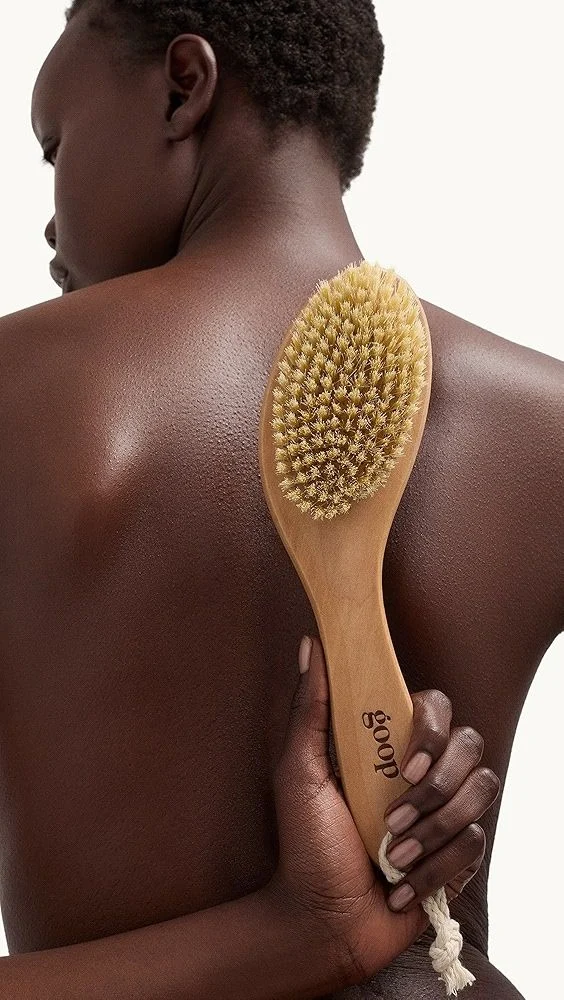
The seemingly simple act of dry brushing, a staple in countless "get ready with me" videos, has transcended its social media popularity to become a widely embraced wellness practice, lauded by celebrities, functional health doctors, and medical professionals alike. This ancient technique, rooted in Ayurvedic and Traditional Chinese Medicine (TCM), involves using a bristled brush to gently sweep across the skin in upward strokes, working against gravity to stimulate the body’s lymphatic system. While its presence in popular culture might suggest a fleeting trend, the enduring appeal of dry brushing lies in its profound and scientifically supported health benefits, ranging from physical exfoliation and improved circulation to potential immune system support and detoxification.
The origins of dry brushing can be traced back thousands of years. In Ayurveda, the traditional Indian system of medicine, the practice known as "Garshana" was employed to invigorate the body, remove dead skin cells, and promote circulation. TCM also incorporates similar techniques for stimulating "Qi" (life force) and supporting overall health. The consistent endorsement of dry brushing by respected figures such as Gwyneth Paltrow and Tracee Ellis Ross, coupled with its adoption by health professionals, underscores its transition from a niche practice to a mainstream wellness ritual. This widespread acceptance suggests a growing public interest in holistic approaches to health and beauty, where the body’s natural systems are harnessed for optimal well-being.
What Exactly is Dry Brushing?
Dry brushing, in its essence, is the application of a dry, bristled brush to the skin without the use of water or oils. The brush, typically made from natural materials like boar bristles or plant fibers, is moved across the skin in deliberate, upward strokes, generally directed towards the heart. This directionality is crucial for assisting the natural flow of the lymphatic system. While the body is primarily brushed, specialized, softer brushes are available for facial use.
Lauren Berlingeri, co-founder of HigherDose, a wellness brand that offers specialized dry brushes, describes it as a "powerful Ayurvedic practice that both exfoliates the skin and opens detox pathways to support lymphatic drainage and boost immunity." This multifaceted approach highlights how dry brushing addresses both external skin health and internal physiological processes.
The Lymphatic System: A Key Beneficiary
The lymphatic system is a vital component of the immune system, responsible for transporting lymph—a fluid containing infection-fighting white blood cells—throughout the body. Unlike the circulatory system, which has a powerful pump in the heart, the lymphatic system lacks a central pump and relies on muscular contractions and manual stimulation to facilitate lymph flow. This is where dry brushing plays a crucial role.
Sophie Bolvary, a licensed massage therapist at Sanara, explains, "The lymphatic system does not have a ‘pump’ of its own, meaning it only gets working when we start moving our body or when it is stimulated manually by dry brushing or light massage." By manually stimulating the skin and underlying tissues, dry brushing encourages the movement of lymph, aiding in the removal of metabolic waste products, toxins, and excess fluid from the body. This detoxification process is a cornerstone of many wellness philosophies and is believed to contribute to a stronger immune response and reduced inflammation.
Beyond Lymphatic Drainage: A Spectrum of Benefits
The advantages of dry brushing extend far beyond its impact on the lymphatic system:
-
Physical Exfoliation: The bristled brush effectively sloughs off dead skin cells, revealing smoother, brighter, and more radiant skin. This process is particularly beneficial in removing the dull, flaky skin that can accumulate, especially after periods of sun exposure or during seasonal changes. The removal of dead skin cells can also prevent pore blockages, contributing to clearer skin and reducing the appearance of conditions like "strawberry legs" (ingrown hairs and enlarged pores).
-
Improved Blood Circulation: The vigorous, rhythmic motion of dry brushing stimulates blood flow to the skin’s surface. Enhanced circulation can deliver more oxygen and nutrients to the skin cells, promoting a healthier complexion and potentially contributing to a more even skin tone. Some anecdotal evidence suggests it may also diminish the appearance of superficial circulation issues.
-
Reduced Puffiness and Water Retention: By promoting lymphatic drainage, dry brushing can help to alleviate fluid buildup in the tissues, leading to a reduction in puffiness and water retention. This can result in a feeling of lightness and a more toned appearance, particularly in areas prone to swelling.
-
Invigorating Effect: The sensory experience of dry brushing, with its brisk and rhythmic motion, is often described as both grounding and energizing. Many individuals report feeling more alert and revitalized after a dry brushing session, making it an ideal morning ritual. Some users even liken its stimulating effect to that of a cup of coffee.
-
Potential Immune System Boost: As mentioned, the stimulation of the lymphatic system directly supports immune function. By facilitating the efficient removal of waste and the circulation of immune cells, dry brushing can contribute to a more robust defense against pathogens.
-
Mind-Body Connection: The ritualistic nature of dry brushing, combined with its physical sensations, can foster a deeper connection between the mind and body. This mindful self-care practice can promote relaxation, reduce stress, and improve overall mood. Some enthusiasts even add essential oils to their brushes for an enhanced sensory experience.
Different Brushes, Different Effects
The type of bristles on a dry brush can influence its effectiveness and the sensations it provides.
-
Boar-Hair Bristles: These are ideal for daily use and general exfoliation. They offer a firm yet yielding texture that effectively removes dead skin cells without causing undue irritation for most skin types.
-
Ionic-Copper Bristles: Brushes with ionic-copper bristles are believed to offer an additional benefit: the release of negative ions as the brush sweeps across the skin. In traditional medicine, negative ions are associated with antiviral and antibacterial properties. This type of brush may provide a more profound sense of refreshment and well-being.
Personal Experiences and Evolving Insights
The author’s personal journey with dry brushing mirrors that of many who initially approach it with skepticism. Despite occasional attempts, consistent adherence was elusive until a more dedicated regimen was adopted. The most noticeable benefits reported include a "more polished and brighter" complexion, effective removal of dead skin cells that obscure tanned skin, and a significant morning wake-up effect.
The synergy of dry brushing with "contrast showers" (alternating hot and cold water) is also highlighted as a powerful energizing combination, especially post-workout. The article emphasizes that even a brief three-minute session can yield noticeable benefits, debunking the notion that extensive time commitment is necessary.
It’s important to manage expectations. While dry brushing can aid in detoxification, it is not a cure for conditions like hangovers, as the author humorously notes. The initial sensation post-brushing—an itchy, tingling feeling accompanied by temporary redness—is a positive indicator of increased circulation. The "dusty" sensation after brushing is attributed to the exfoliated dead skin cells, underscoring the benefit of performing the ritual before showering.
The article also addresses the potential for cellulite reduction, noting that personal research suggests this benefit may be largely unsubstantiated. However, the overall positive impact on skin tone, leg lightness, and morning vitality is consistently observed. The author concludes that the ease and affordability of dry brushing make it a highly recommended ritual, emphasizing the often-felt, rather than seen, benefits.
Considerations and Potential Downsides
While the benefits of dry brushing are numerous, it’s crucial to be aware of potential downsides and to practice safely.
Irritation and Micro-tears: Dr. Marisa Garshick, a board-certified dermatologist, cautions that applying excessive pressure can lead to skin irritation and micro-tears. This is particularly concerning for individuals with sensitive skin.
Contraindications: Dry brushing is not recommended for those with sensitive, broken, or inflamed skin conditions such as eczema or psoriasis. The abrasive nature of the brush could exacerbate these issues.
Brush Hygiene: Maintaining a clean brush is paramount. Accumulation of dead skin cells and debris can render the brush ineffective and potentially lead to skin irritation or infections.
Frequency of Dry Brushing:
- Sensitive Skin: Individuals with sensitive skin should limit dry brushing to one to two times per week to avoid irritation.
- Tolerant Skin: For those whose skin can tolerate it, daily dry brushing is a viable option. It is best performed in the morning before showering to allow for easy removal of exfoliated skin.
At-Home vs. Professional Dry Brushing:
While self-administered dry brushing offers significant benefits, professional treatments can provide a more comprehensive experience. A practitioner can ensure proper technique, reach difficult areas, and tailor the pressure to individual needs. However, with the aid of lymphatic flow maps, readily available online, individuals can effectively learn and adapt the technique for home use.
Brush Maintenance:
Dry brushes, typically made from natural materials, require specific cleaning methods. A mixture of warm water and natural cleaning agents like tea tree oil is recommended. Soaking the brush for approximately 30 minutes and then allowing it to air dry is a common practice. It’s important to note that brushes will soften over time and may shed bristles with regular use. Replacing worn-out brushes is essential for continued effectiveness and hygiene. Regular spritzing with an antibacterial mist, such as tea tree mist, after each use is also advised. Air-drying the brush away from damp shower environments is recommended to prevent mold and bacterial growth.
The Broader Impact and Future of Dry Brushing
The resurgence of dry brushing reflects a broader societal shift towards prioritizing self-care and embracing natural, holistic approaches to health and wellness. As individuals seek effective yet accessible methods to enhance their physical and mental well-being, practices like dry brushing, with their deep historical roots and emerging scientific validation, are poised to remain integral to modern self-care routines. The continued research into the mechanisms of the lymphatic system and its role in overall health will likely further solidify the place of dry brushing as a valuable tool for promoting vitality and well-being.
Selected Dry Brushes for Consideration:
- Best With Copper Bristles: HigherDose Supercharge Copper Body Brush
- Best Comfortable Handle: Kate McLeod The Dry Brush Exfoliating Body Tool
- Best Long-Handled: Goop Ultimate Dry Brush
- Best Compact Brush: Joanna Czech The Dry Massage Body Brush
- Best With Natural Materials: Shelter Skin Sculpting Copper Dry Brush
