

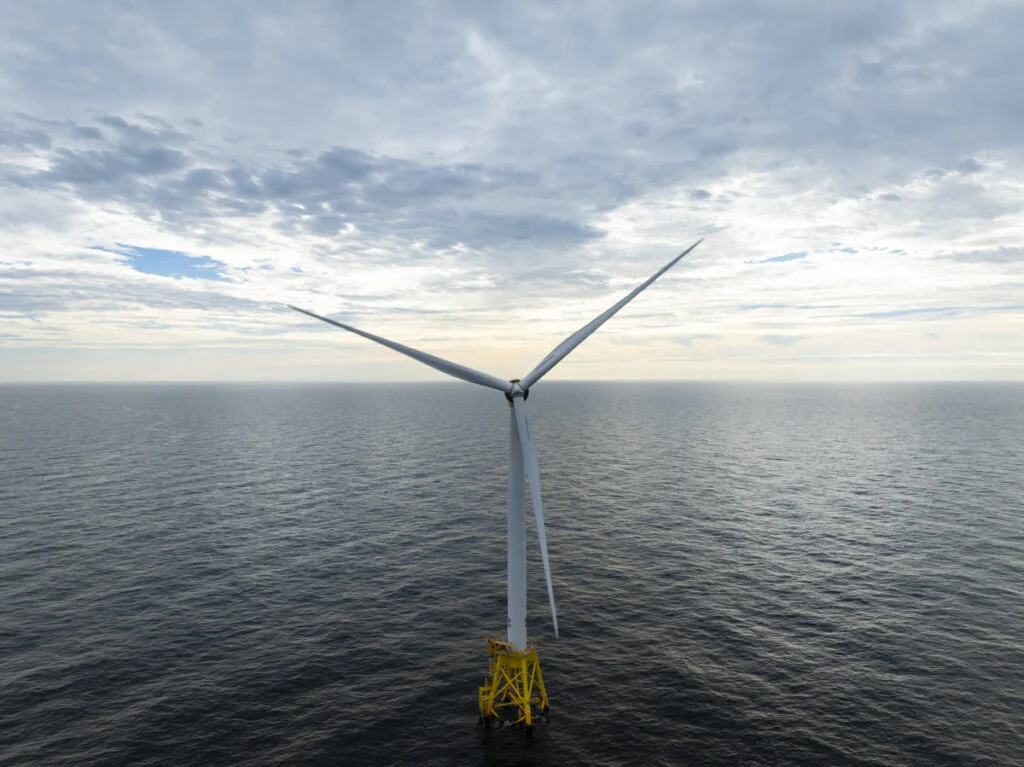
The debate surrounding offshore wind has become increasingly bifurcated, with public perception often shaped by conflicting narratives. On one side, proponents view the massive turbines as a critical tool for reducing carbon emissions and achieving energy independence. On the other, opponents—ranging from political figures to local fishing communities—raise alarms about national security, wildlife conservation, and economic viability. Through interviews with marine ecologists, energy experts, and industry observers, Holz’s film aims to peel back what he describes as an "onion of learning," revealing the multifaceted layers of a sector that is relatively nascent in American waters but well-established globally.
The Scientific Reality of Marine Life Impacts
One of the most persistent and emotionally charged arguments against offshore wind involves its purported impact on marine mammals, particularly the North Atlantic right whale. Critics have frequently linked the uptick in whale strandings along the Atlantic coast to the seismic surveys and construction activities associated with wind farm development. However, the film presents data from the National Oceanic and Atmospheric Administration (NOAA) Fisheries to challenge these claims.
According to NOAA, there is no scientific evidence linking offshore wind activities to the "Unusual Mortality Events" (UMEs) that have been recorded among humpback and right whale populations since 2016. Instead, researchers have identified two primary culprits for the increase in deaths: vessel strikes and entanglement in fishing gear. The film explains that as ocean temperatures rise due to climate change, the distribution of prey species changes, forcing whales into shallower, more congested shipping lanes. This shift in migratory patterns increases the likelihood of fatal collisions with large commercial vessels.
Furthermore, the film addresses concerns regarding underwater noise pollution. Early iterations of offshore wind technology were criticized for the loud acoustic footprint of pile-driving during installation. Current regulations, however, stipulate strict underwater noise ceilings. Modern sound mitigation technologies, such as "bubble curtains" and specialized hydro-sound dampers, have been shown to reduce noise levels by over 80 percent. Marine ecologist Sarah Von Hoene, featured in the documentary, notes that these advancements have rendered turbine installation virtually silent to the human ear from the shore and significantly less disruptive to marine life beneath the surface.
Chronology of U.S. Offshore Wind Development
To understand the current controversy, it is necessary to examine the timeline of the industry’s growth in the United States. While Europe has utilized offshore wind since the early 1990s, the U.S. was slow to enter the market.
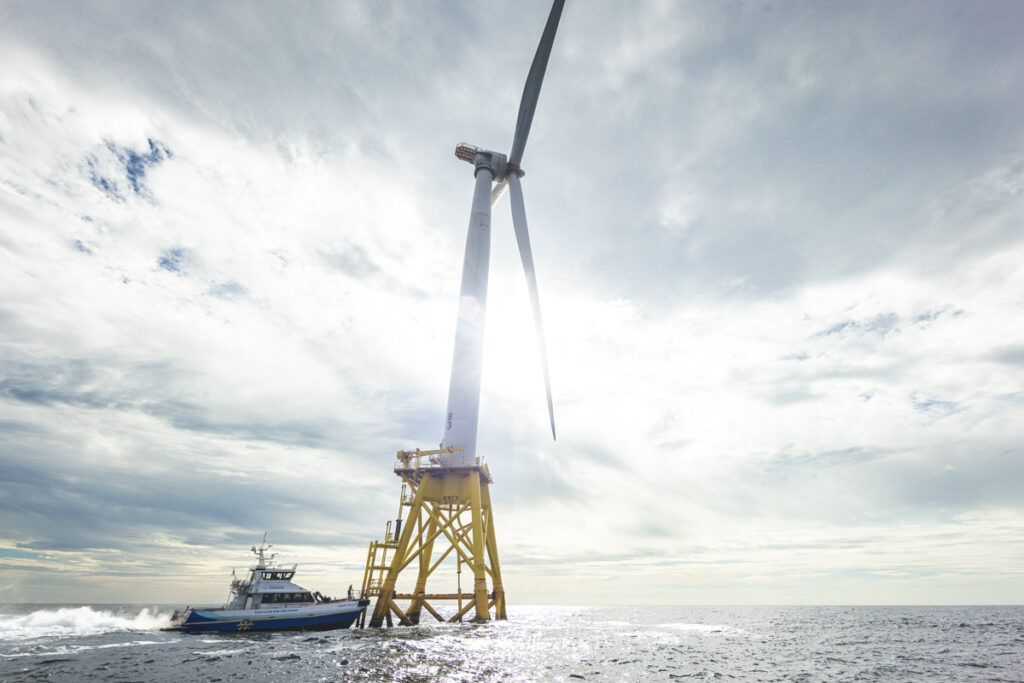
- 2016: The Block Island Wind Farm off the coast of Rhode Island became the first commercial offshore wind project in the U.S. Consisting of five turbines, the project demonstrated the technical feasibility of the technology in American waters.
- 2017–2020: The industry faced a period of regulatory uncertainty and political resistance. The Trump administration expressed significant skepticism, often citing concerns over bird mortality, landscape aesthetics, and the origins of manufacturing components.
- 2021–2024: Under the Biden administration, there was a renewed push for offshore wind as part of a broader climate agenda. Federal leasing processes were accelerated, and targets were set to deploy 30 gigawatts (GW) of offshore wind by 2030.
- 2025–2026: Despite federal support, several projects faced delays or cancellations due to rising interest rates, supply chain disruptions, and intense local opposition. In early 2026, political rhetoric surrounding the industry intensified, with renewed calls to halt all future projects on the grounds of national security and economic protectionism.
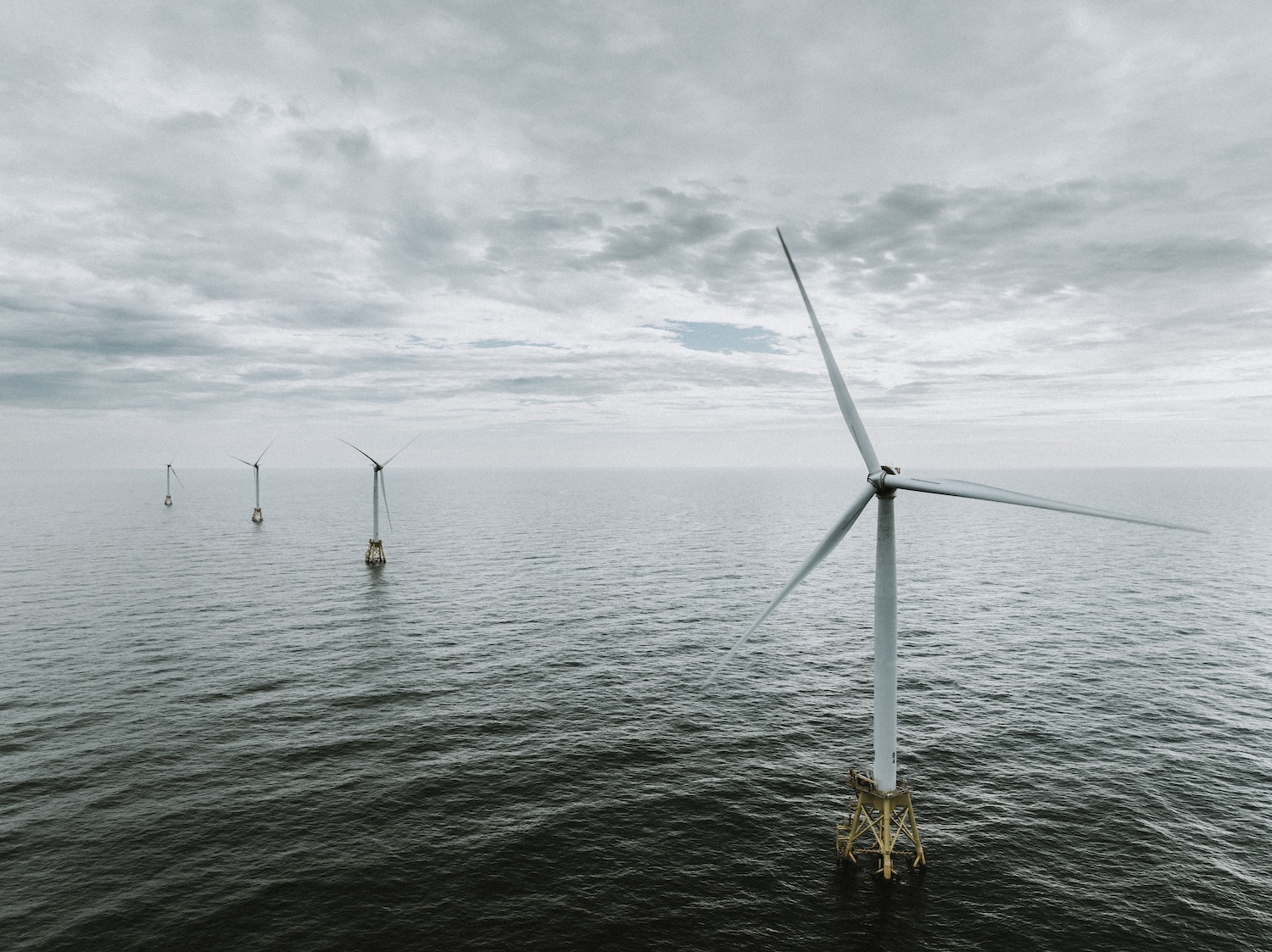
The film highlights that while the U.S. currently has only a few operational offshore wind farms, including sites off the coasts of Virginia and New York, the potential for expansion is vast. The American Clean Power Association estimates that federal waters possess the capacity to develop over 4,200 GW of offshore wind, which is more than triple the current total electricity demand of the United States.
Economic Implications and Manufacturing Realities
A central point of contention in the political sphere is the economic impact of wind energy. Opponents have frequently characterized wind turbines as "losers" that rely on foreign manufacturing and destroy local economies. President Donald Trump, in a January 2026 meeting with oil and gas executives, reiterated these points, claiming that turbines are largely made in China and contribute to high energy costs.
"Beyond the Horizon" counters this narrative with data on the domestic supply chain. Currently, more than 500 manufacturing facilities across the U.S. are involved in producing wind turbine components, including blades, towers, and generators. This burgeoning industry has the potential to create approximately 18,000 jobs. Furthermore, a study focused on the Northeast U.S. revealed that the integration of offshore wind into the regional grid could actually lower utility bills for consumers, with estimated savings ranging between $1.32 and $2.68 per month per household.
The film also addresses the "national security" argument. Some critics argue that offshore turbines interfere with military radar systems and maritime surveillance. While the U.S. Department of Defense and the Department of Energy acknowledge that large structures can indeed impact radar signatures, they are actively collaborating on mitigation strategies. These include software upgrades for radar systems and the strategic placement of turbines to ensure that national security interests and renewable energy goals remain compatible.
The Challenge of Public Discourse and Stakeholder Silence
Perhaps the most striking revelation in Holz’s documentary is the difficulty of getting stakeholders to speak openly on camera. The filmmaker reported that many individuals directly involved in the industry—including developers, fishermen, and even scientists—declined to be interviewed.
The reasons for this silence are varied but telling of the issue’s toxicity. Developers are often constrained by ongoing litigation or sensitive contract negotiations. Fishermen, who have traditionally expressed concern over the loss of fishing grounds and the impact on benthic habitats, often fear social repercussions or professional retaliation within their tight-knit communities if they appear to support or even neutrally discuss the projects. Most concerningly, some scientists expressed fear that publicizing their findings could jeopardize future grant funding in a highly politicized environment.
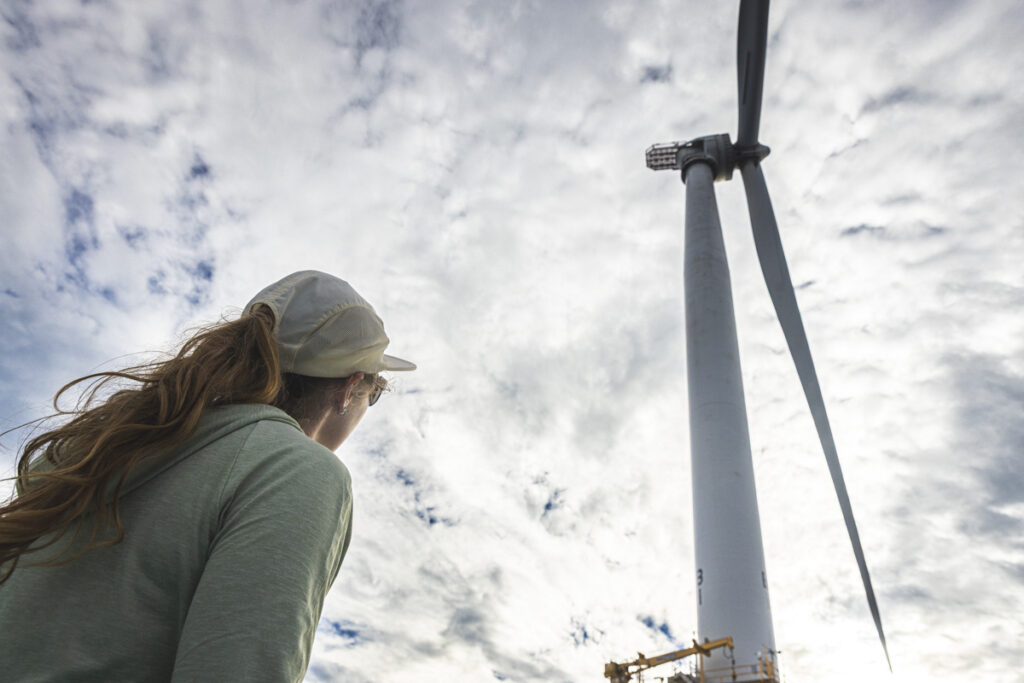
Sarah Von Hoene’s experience in the film underscores this social friction. To bridge the gap, she resorted to grassroots engagement, standing on street corners in New England towns with a sign to invite residents into conversation. This highlight in the film emphasizes that the conflict is not merely about data or engineering, but about the human element of change and the fear of the unknown.
Analysis of Broader Impacts and Future Outlook
The controversy over offshore wind is a microcosm of the broader challenges facing the global energy transition. As nations strive to meet Paris Agreement targets, the physical footprint of renewable energy—whether in the form of solar arrays in the desert or wind farms in the ocean—will inevitably clash with existing land and sea uses.
The fact-based analysis presented in "Beyond the Horizon" suggests that while offshore wind is not without its challenges, many of the most prominent criticisms are rooted in misinformation or outdated data. The coexistence of the fishing and wind industries, while difficult, has been successfully managed in European markets like the United Kingdom and Denmark through rigorous spatial planning and compensation frameworks.
As the U.S. moves forward, the success of offshore wind will likely depend on three factors: regulatory stability, continued technological innovation to further reduce environmental impacts, and a more transparent public dialogue that moves beyond partisan talking points. The film concludes with a call for citizens to conduct their own research and engage with the science of energy production.
In a landscape where energy policy is increasingly used as a political wedge, "Beyond the Horizon" serves as a reminder that the path to a sustainable future requires a rigorous commitment to facts. By addressing the myths of whale mortality, noise pollution, and economic ruin, the film provides a necessary framework for understanding one of the most significant environmental developments of the 21st century. Whether the U.S. will harness its 4,200 GW of offshore potential remains a question of political will and public education, but the data suggests that the "horizon" of clean energy is closer than the controversy might suggest.
