

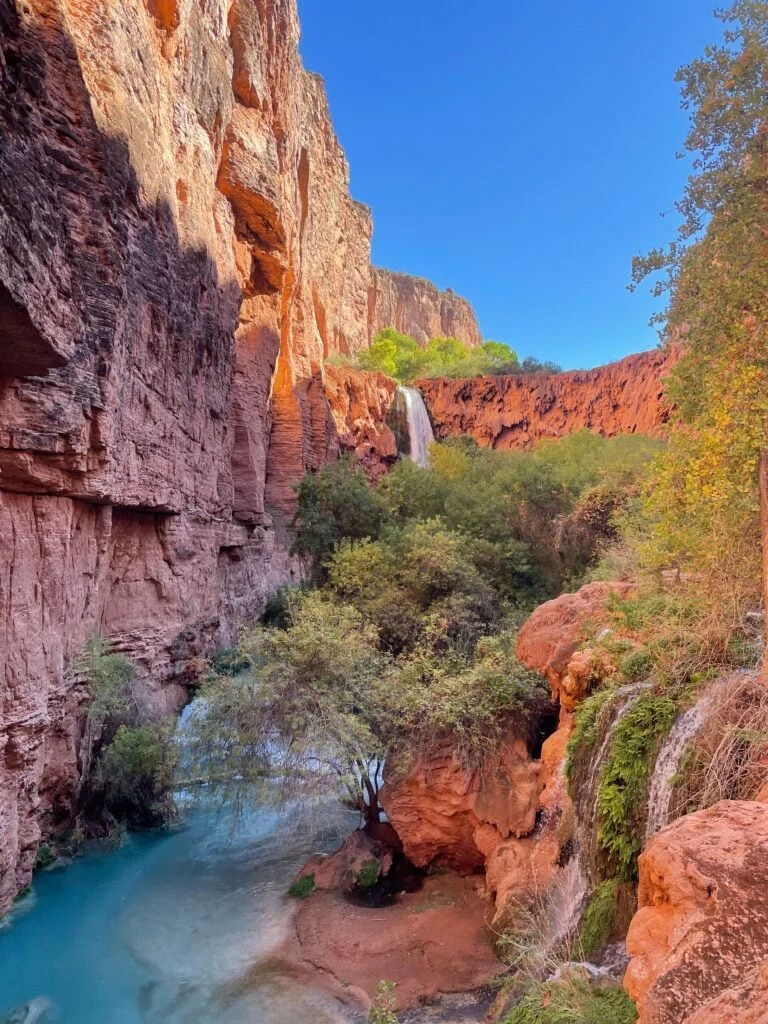
The landscape of American environmental policy underwent a significant transformation following the 2024 presidential election, prompting a wave of strategic shifts among climate advocates and outdoor industry leaders. Among those recalibrating their approach is Jared Shumate, a 2022 Winter Olympian in Nordic Combined, whose personal journey from the isolated canyons of Arizona to the lecture halls of a Master’s in Public Policy program mirrors a broader national trend of intensified civic engagement within the "Outdoor State." Shumate, who discovered the election results three days after the polls closed while on a backpacking trip, represents a growing contingent of professional athletes and outdoor enthusiasts who are moving beyond grassroots activism toward formal policy expertise in response to the administrative overhaul of federal land management and environmental protections.
The 2024 Election and the Immediate Policy Pivot
The transition between the Biden-Harris administration and the second Trump administration marked a sharp departure in federal priorities regarding climate change and conservation. While the previous administration had prioritized the Inflation Reduction Act (IRA) and the expansion of protected federal lands, the incoming executive branch moved quickly to implement a platform centered on energy independence through fossil fuel expansion and the deregulation of industrial oversight.
For Shumate, the realization of this shift occurred in the remote wilderness of Arizona. On November 5, 2024, while camping deep in canyon country, Shumate remained unaware of the national returns, hypothesizing about the potential for continued environmental protections under a Harris administration. It was only upon returning to cellular service three days later that the reality of the political shift became clear. The subsequent months saw a rapid series of policy rollbacks, including the reopening of public lands to new drilling and mining leases and the systematic weakening of the Environmental Protection Agency’s (EPA) authority over clean air and water standards.
These administrative actions were not merely abstract legal changes but had direct implications for the geography Shumate had spent his life navigating. The 2024 election served as the primary catalyst for his decision to pursue a Master’s in Public Policy, a move designed to bridge the gap between firsthand environmental observation and the technical intricacies of legislative advocacy.
Chronology of Environmental Deregulation and Response
The timeline of environmental policy changes following the 2024 election followed a predictable but accelerated path. Within the first 100 days of the new administration, several key initiatives were launched that signaled a new era of federal land use:
- Executive Orders on Energy Production: Early mandates prioritized "energy dominance," leading to the expedited approval of permits for oil and gas exploration on Bureau of Land Management (BLM) lands.
- EPA Regulatory Rollbacks: The administration began the process of rescinding or revising rules established under the Clean Air Act, specifically those targeting methane emissions and power plant discharge.
- Public Land Reclassification: Protections for several national monuments and wilderness study areas were reviewed, with an eye toward reducing boundaries to allow for extractive industries.
- The "Outdoor State" Mobilization: In response, organizations like Protect Our Winters (POW) began a massive mobilization effort, shifting focus from voter registration to legislative lobbying and policy education.
Shumate’s own timeline reflects this urgency. After years of volunteering—knocking on doors in Bozeman, Montana, and organizing voter registration at the University of Utah—he identified a limitation in grassroots efforts alone. By enrolling in a graduate policy program, he joined a movement of advocates seeking to combat "apathy through action," recognizing that the technical details of policy are where long-term environmental battles are won or lost.
Supporting Data: The Economic and Environmental Stakes
The shift in environmental policy is underscored by significant economic and ecological data. The outdoor recreation economy is a powerhouse in the United States, often referred to as the "Outdoor State." According to the Bureau of Economic Analysis (BEA), outdoor recreation accounts for approximately $1.1 trillion in economic output and supports nearly 5 million jobs. This sector relies heavily on the maintenance of public lands and stable climate patterns, both of which face threats from rapid deregulation.
Data from environmental watchdogs indicate that during the first year of the second Trump administration, the number of acres of public land offered for lease to fossil fuel companies increased by an estimated 40% compared to the previous four-year average. Concurrently, the EPA’s enforcement budget saw proposed cuts, potentially reducing the frequency of inspections and the severity of penalties for industrial polluters.
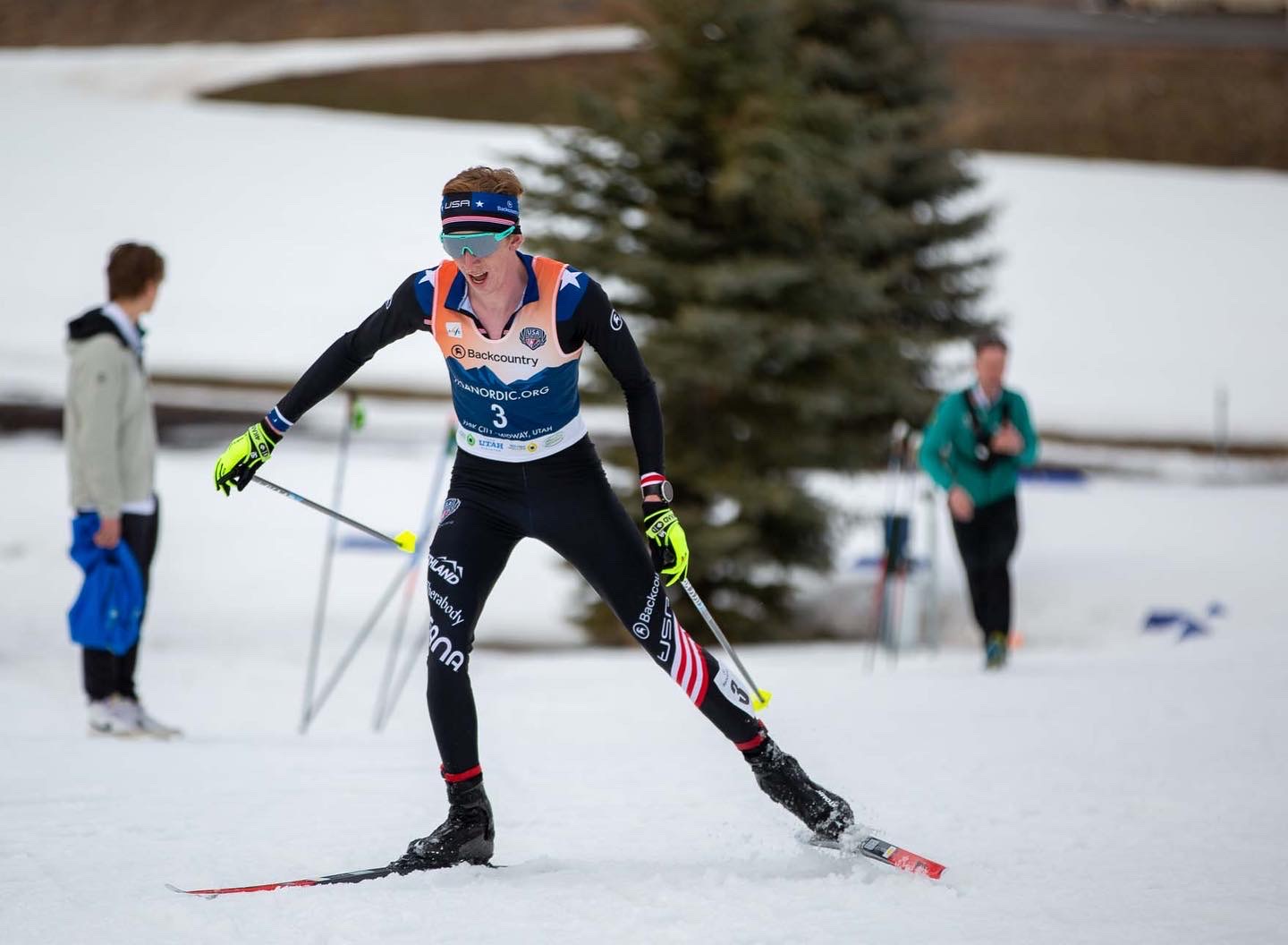
For athletes like Shumate, the data is also visible on the ground. As a Nordic Combined skier, he has witnessed the shortening of winter seasons and the decrease in reliable snowpack in the Mountain West. Geographic studies suggest that if current warming trends continue, a significant percentage of former Winter Olympic venues will no longer be climatically viable for snow sports by 2050. This intersection of personal livelihood and global environmental trends provides the factual basis for the urgency felt by the outdoor community.
Professional Perspectives and Organizational Reactions
The reaction from the environmental and outdoor sectors has been one of strategic fortification. Organizations such as Protect Our Winters have emphasized that while the executive branch holds significant power, the legislative and judicial branches, along with state-level governance, remain critical arenas for defense.
"Action, regardless of what shape it takes, is always better than apathy," Shumate noted in his assessment of the current political climate. This sentiment is echoed by policy experts who argue that the "Outdoor State"—comprising over 180 million outdoor enthusiasts—represents a formidable voting bloc that transcends traditional partisan lines. The focus has shifted toward the upcoming midterm elections, where the balance of power in Congress will determine the feasibility of further environmental rollbacks or the potential for legislative checks on executive overreach.
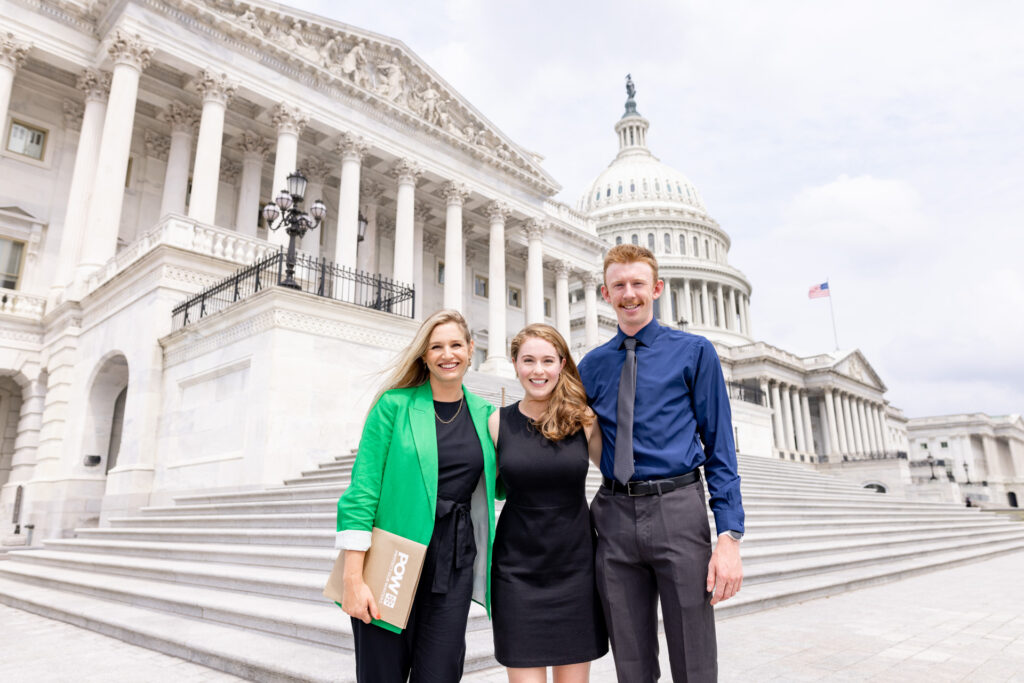
Professional lobbyists in Washington D.C. have observed a surge in interest from non-traditional advocates. Shumate’s experience with POW’s "Lobby Days" highlights a growing trend of athletes using their platforms to speak directly to lawmakers. By combining the emotional resonance of personal stories with the rigorous data provided by a policy education, these advocates aim to influence moderate legislators who are sensitive to the economic contributions of the outdoor industry.
Analysis of Implications: The Future of Advocacy
The decision of a high-profile athlete to return to academia for public policy marks a shift in the nature of environmental advocacy. It suggests that the era of "awareness-raising" is being superseded by an era of "technical intervention." As the Trump administration continues to reshape the federal judiciary and the administrative state, the ability of advocates to engage with the Administrative Procedure Act (APA) and the intricacies of the federal budget will be paramount.
Several key implications emerge from this shift:
- Professionalization of Activism: There is an increasing demand for advocates who possess both a public platform and a deep understanding of the regulatory process.
- Economic Framing: Advocates are increasingly using the $1.1 trillion valuation of the outdoor economy to argue for conservation, framing it as a matter of fiscal responsibility and job security rather than just environmental ethics.
- Midterm Strategy: The focus on the "Outdoor State" as a decisive voting bloc suggests that future elections will see more targeted campaigning in regions where outdoor recreation is a primary economic driver, such as the Intermountain West and the Pacific Northwest.
Conclusion: Turning Apathy into Systematic Action
The journey of Jared Shumate—from the quiet canyons of Arizona to the rigors of graduate-level policy study—serves as a microcosm of the current state of American environmentalism. The 2024 election acted as a catalyst, stripping away the comfort of distance and forcing a direct confrontation with the mechanisms of power.
While the second Trump administration has moved to dismantle many of the protections established over the last decade, the response from the outdoor community has been one of increased sophistication. By pursuing a Master’s in Public Policy, Shumate is not merely reacting to a political loss; he is preparing for a long-term engagement with the structures that govern the natural world. As the nation moves toward the midterms, the transition from "apathy to action" will likely define the resilience of the American environmental movement in the face of a rapidly changing political and physical climate. The power of the "Outdoor State" lies not just in its numbers, but in its willingness to adapt, educate itself, and participate in the very policy processes that determine the future of the planet.
