

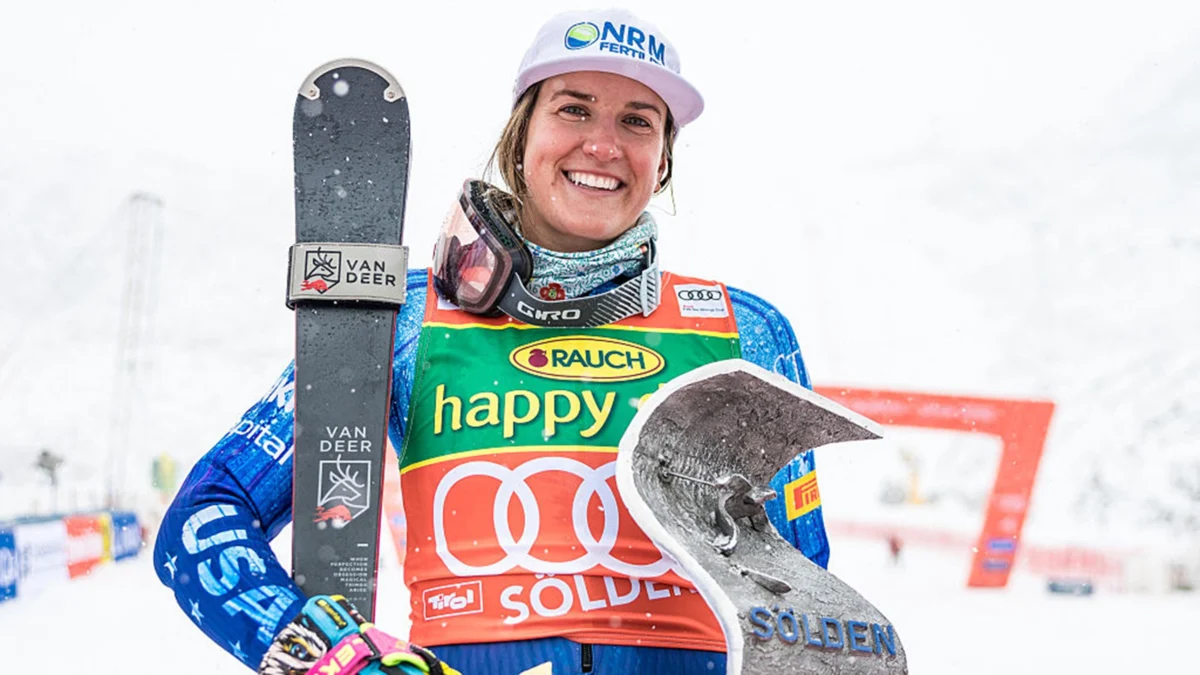
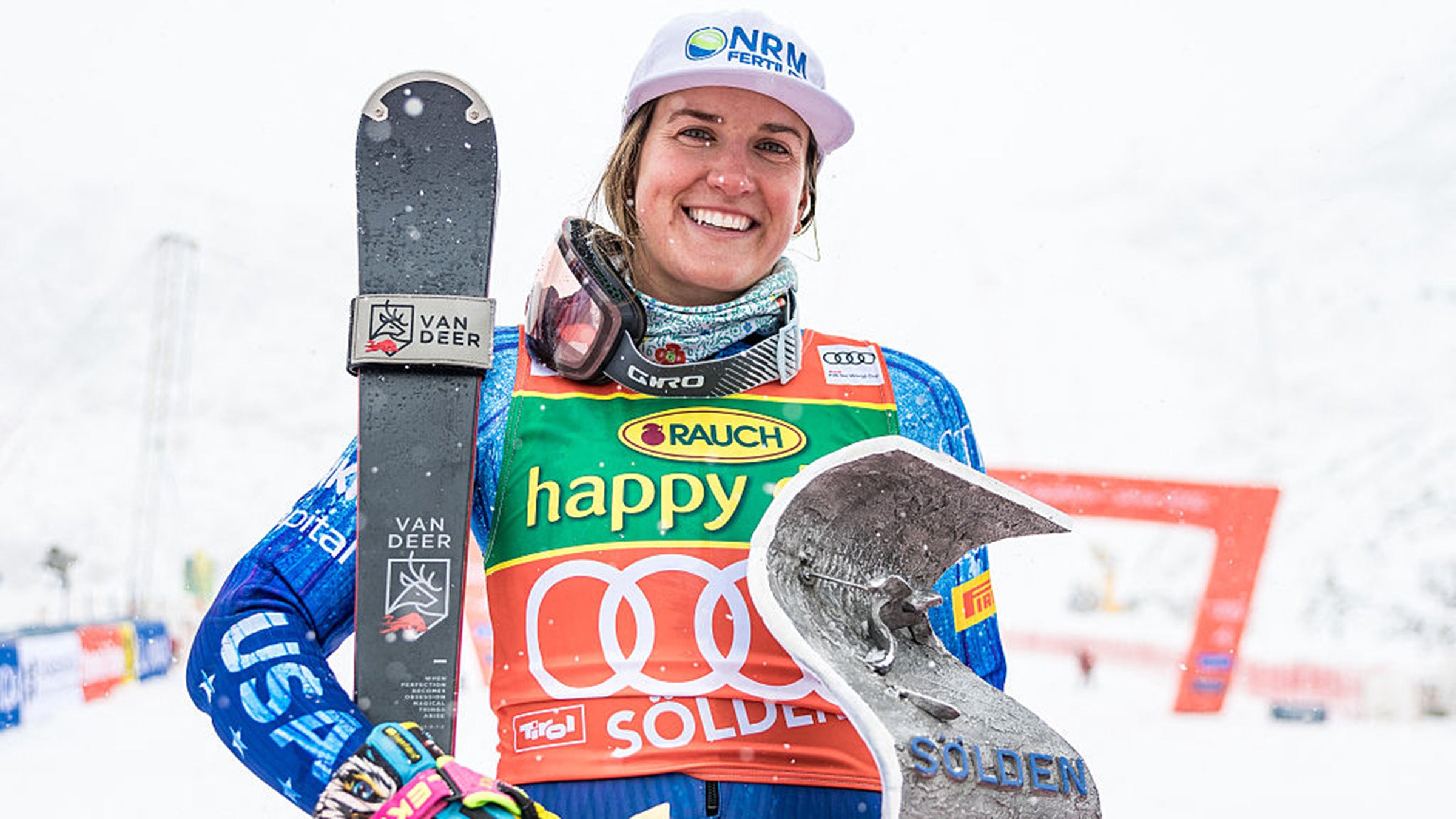
The landscape of professional alpine racing and the high-end consumer ski market underwent a seismic shift in late 2026 as Paula Moltzan secured her first career World Cup victory at the season opener in Sölden, Austria. Competing in the Giant Slalom on the Rettenbach Glacier, the American racer clinched the win by a razor-thin margin of 0.01 seconds. While the victory marked a personal milestone for Moltzan, it served as a global coming-out party for her equipment manufacturer, Van Deer-Red Bull Sports. The win validated a brand that, until recently, was viewed by many as a boutique experiment led by racing legend Marcel Hirscher. Today, the brand is transitioning from a niche racing project into a formidable commercial competitor, leveraging the immense resources of Red Bull and the technical precision of the most successful male ski racer in history.
The Genesis of Van Deer: From Retirement to Innovation
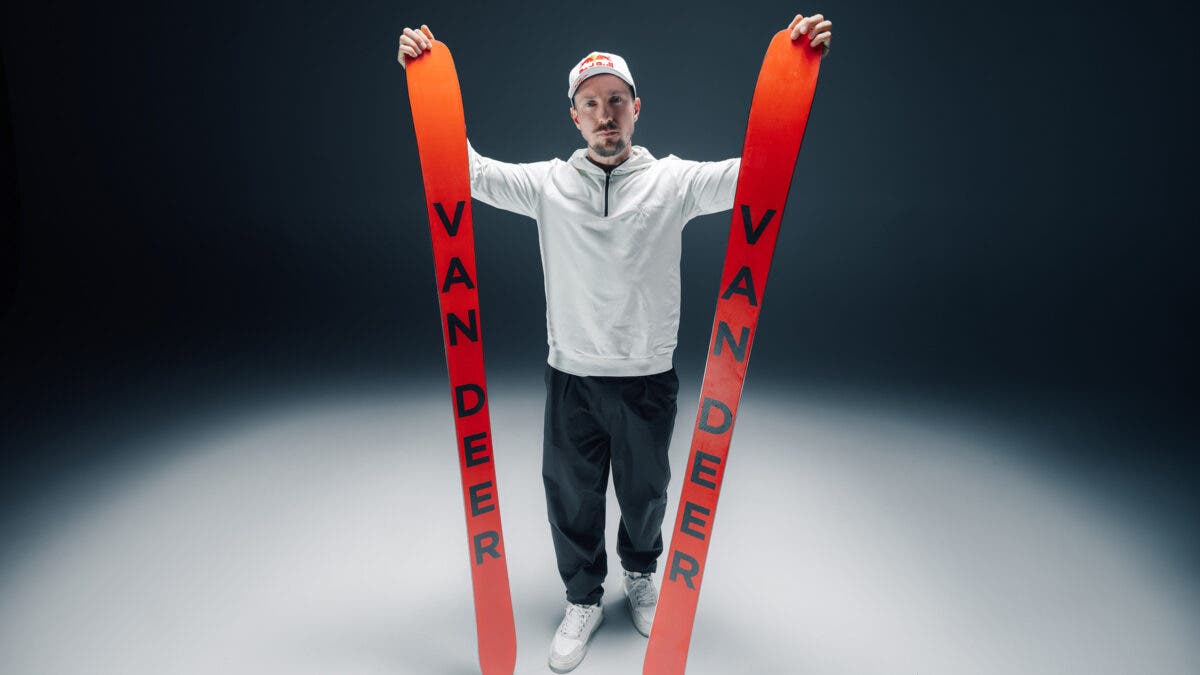
The story of Van Deer-Red Bull Sports is inextricably linked to the legacy of Marcel Hirscher, the Austrian phenomenon who dominated alpine skiing for a decade. Hirscher retired from professional racing in 2019 with a record-breaking eight consecutive overall World Cup titles and 67 individual race wins. However, his departure from the circuit did not signal an end to his obsession with performance. In 2021, Hirscher launched Van Deer, a name that pays homage to his dual heritage; his mother is Dutch ("Van") and his father is Austrian ("Hirsch" translates to "Deer" in German).
The brand was founded on a singular philosophy: to provide consumer skis that possess the exact same construction, materials, and finish as those used on the World Cup circuit. This "race room for everyone" approach stood in stark contrast to the traditional industry model, where consumer "race" skis are often watered-down versions of the equipment used by professionals. The brand’s initial momentum was bolstered in 2022 when Norwegian slalom specialist Henrik Kristoffersen signed with Van Deer, subsequently winning a slalom crystal globe and a World Championship gold medal. Despite Hirscher’s brief and injury-shortened return to racing in 2024, the brand’s trajectory remained upward, fueled by a 51 percent majority stake acquisition by Red Bull, which transformed the boutique label into Van Deer-Red Bull Sports.
Technical Engineering and the Red Bull Resource Advantage
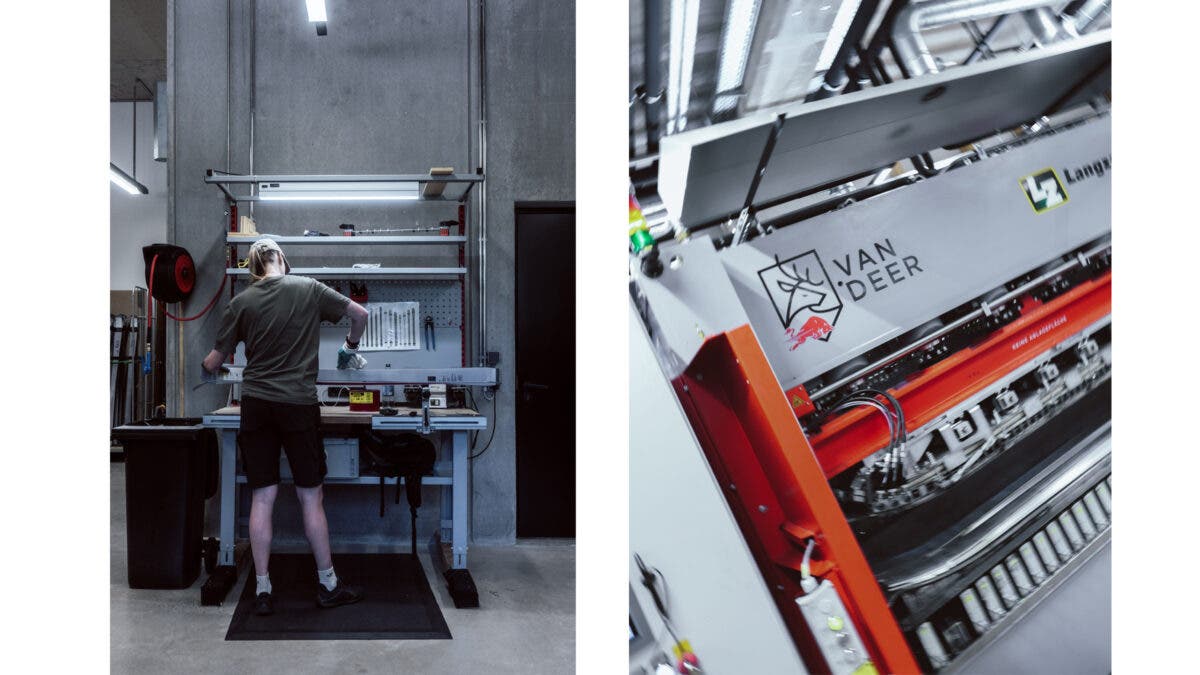
For a startup brand to compete in a saturated market dominated by century-old legacy manufacturers like Rossignol, Head, and Atomic, significant capital and infrastructure are required. The partnership with Red Bull provided Van Deer with resources rarely seen in the independent ski sector. The company established its own state-of-the-art factory in Austria, equipped with high-precision machinery, including the Wintersteiger Jupiter—a robotic tuning system capable of delivering World Cup-level base structures and edge bevels to every ski that leaves the floor.
The engineering of Van Deer skis relies on high-grade materials typically reserved for elite athletes. Most models feature a robust wood core—utilizing various combinations of poplar, ash, and beech—sandwiched between double layers of Titanal, a high-strength aluminum alloy. This construction is designed to provide maximum torsional rigidity and vibration dampening. The brand’s "Project 68" initiative, named after Hirscher’s pursuit of a 68th win (which he ultimately achieved through his athletes), serves as the benchmark for their R&D. By controlling the entire manufacturing process, from the selection of raw timber to the final ceramic disc edge finish, Van Deer ensures a level of consistency that has quickly earned the respect of equipment purists.
The Paula Moltzan Factor: A Strategic Leap of Faith
Paula Moltzan’s decision to switch to Van Deer-Red Bull Sports ahead of the 2026 season was viewed by industry analysts as a high-stakes gamble. Moltzan had spent 18 years skiing for Rossignol, a partnership that yielded multiple World Cup podiums and an Olympic medal. At 32, an age where many racers prioritize stability, Moltzan sought a new technical stimulus. Her transition involved not only a change in skis but a comprehensive overhaul of her technical support team, including her husband and longtime serviceman, Ryan Mooney.
According to Moltzan, the appeal lay in the bespoke nature of the brand’s development process. Unlike larger manufacturers where athletes often have to adapt to existing molds, Van Deer offered Moltzan the opportunity to provide direct feedback that influenced the construction of the women’s specific race line. This collaborative environment, supported by lead technician Berni Arnitz, allowed for adjustments in length, shape, and flex patterns tailored specifically to Moltzan’s aggressive, high-edge-angle skiing style. Her victory in Sölden provided immediate empirical evidence that the "Red Bull effect"—a combination of elite coaching, limitless technical support, and superior equipment—could translate to the top step of the podium for the U.S. Ski Team.
Product Portfolio: Bridging the Gap Between Race and Freeride
While its reputation was forged on the icy slopes of the World Cup, Van Deer-Red Bull Sports has aggressively expanded its consumer lineup to appeal to a broader demographic. The 2026-2027 collection is organized into five distinct series, ranging from purist race machines to versatile off-piste tools:
- The Race Series: This includes the FIS-compliant SL (Slalom) and GS (Giant Slalom) models, identical to those used by Kristoffersen and Moltzan.
- H-Power Series: The commercial flagship line, featuring the H-Power 68 and H-Power 78. These are "piste-performance" skis designed for high-speed carving on groomed terrain, offering race-level stability in a more manageable package.
- Pro Series: Aimed at Master’s racers and former competitive athletes, these skis offer high-performance sidecuts without the strict FIS regulation constraints.
- Freeride Series: Representing a major push into the North American market, the Freeride 98 and 108 models feature wider waists and slightly more forgiving constructions, including carbon fiber integration in the 108 to reduce weight while maintaining edge grip.
- Touring Series: A lightweight line designed for alpine touring and backcountry exploration, emphasizing uphill efficiency without sacrificing the brand’s signature downhill performance.
All consumer models are currently produced as unisex, with the brand focusing on length and flex profile rather than gender-specific marketing—a move that aligns with modern equipment trends in the premium sector.
Market Analysis: Positioning Against the Premium Tier
With price points ranging from $1,000 to $1,700—not including bindings—Van Deer-Red Bull Sports is firmly positioned in the premium "boutique" category. This segment has long been dominated by the Swiss manufacturer Stöckli, known for its handcrafted quality and high retail price. Van Deer’s entry into this space is a direct challenge to Stöckli’s market share.
Industry experts note that Van Deer’s competitive advantage lies in its "cool factor" and the backing of the Red Bull marketing machine, which resonates with a younger, performance-oriented demographic that might find legacy brands too traditional. Billy Schoff, an equipment buyer for the luxury retailer Gorsuch, noted that the brand has seen "phenomenal" sell-through rates in high-end markets like Vail, Aspen, and Park City. The exclusivity of the brand, combined with the tangible performance benefits of its World Cup-grade finish, has created a "wildfire" effect among affluent enthusiasts who prioritize equipment that can handle high speeds and aggressive carving.
North American Expansion and Future Outlook
The North American market represents the next frontier for Van Deer-Red Bull Sports. Recognizing that the U.S. and Canadian markets differ significantly from the piste-centric European market, the brand has initiated a strategic expansion plan. This includes the hiring of George Couperthwait, a veteran executive with deep ties to the premium ski sector, to oversee the development of a dedicated dealer network. Plans are also underway for a North American warehouse facility to streamline distribution and improve service for local retailers.
The brand’s strategy for the American West focuses heavily on the Freeride 98 and 108 models. To bolster its credibility in the big-mountain scene, Van Deer has recruited former World Cup downhill specialist and North Lake Tahoe native Travis Ganong as a brand ambassador. Ganong’s involvement is expected to provide critical feedback for the development of skis capable of handling the variable snow conditions and steep terrain found in the Sierras and the Rockies.
As the 2026-2027 season progresses, all eyes will remain on Paula Moltzan as she takes the Van Deer colors to upcoming venues such as Killington, Vermont, and various stops across Europe. Her success is more than just a personal triumph; it is a proof-of-concept for a brand that seeks to prove that with enough resources, precision, and the guidance of a GOAT (Greatest of All Time), a newcomer can indeed disrupt the established order of the ski world. While distribution remains limited to specialty shops and high-end retailers like Evo and Gorsuch, the momentum generated by the Sölden victory suggests that the "Van Deer" name will soon be as ubiquitous on the slopes as the iconic red bulls that adorn its top sheets.
