

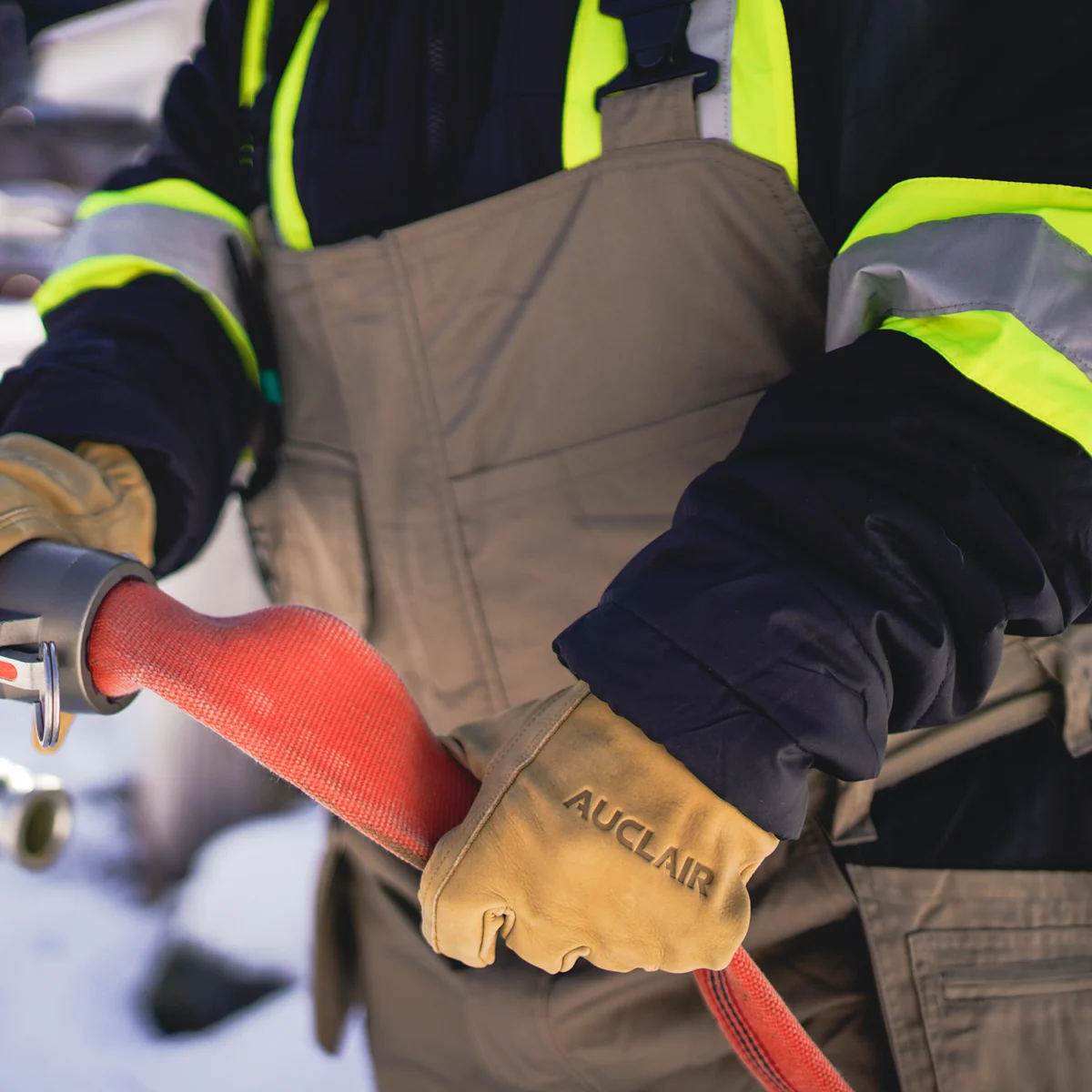
As the snowsports season approaches, the critical role of high-performance handwear in ensuring safety, comfort, and optimal performance on the slopes comes into sharp focus. With hands constantly exposed to extreme conditions and crucial for equipment handling, the choice and care of gloves or mittens are paramount for enthusiasts and professionals alike. Auclair, a renowned Official Supplier in snowsports apparel, recently offered invaluable insights into selecting the right handwear and implementing best practices for its care, featuring expertise from Product Design & Brand Manager Marie-Pier Jolicoeur and Head of Brand & Marketing Philippe Auclair. Their guidance underscores a blend of material science, ergonomic design, and practical maintenance to maximize gear longevity and user experience.
The Indispensable Role of Handwear in Snowsports
For participants in snowsports, hands are not merely extremities; they are vital tools for balance, control, and interaction with equipment. From gripping ski poles and adjusting bindings to operating chairlift safety bars, hands are constantly active and exposed. Consequently, inadequate hand protection can lead to a cascade of problems, including reduced dexterity, discomfort, and, in severe cases, cold-related injuries such as frostbite or chilblains. The global snowsports equipment market, valued at over $2 billion annually, reflects a significant investment in specialized gear, highlighting the importance of every component, especially those crucial for direct interaction with the environment. Auclair, with its long-standing history in crafting specialized gloves, positions itself at the forefront of addressing these critical needs.
Tailored Selection: Meeting the Demands of Snowsports Instructors
Snowsports instructors face unique challenges, spending long days teaching, handling diverse equipment, and transitioning frequently between high-activity and static periods on lifts. Marie-Pier Jolicoeur emphasizes a multi-faceted approach to selection, prioritizing insulation, waterproofing, breathability, durable materials, strategic reinforcements, and a precise fit. "For ski instructors specifically," Jolicoeur advises, "I would recommend a glove that offers a good level of insulation, but not too much. One of the most important things is really understanding your own hands – do you tend to sweat a lot? Do your hands get cold easily? Do you have circulation issues? These are all factors that will influence the type and amount of insulation you need."
The objective is to achieve a delicate equilibrium: sufficient warmth to combat frigid temperatures without inducing excessive perspiration, which can paradoxically lead to colder hands. Breathability is therefore critical, allowing internal moisture vapor to escape while preventing external moisture ingress. Philippe Auclair adds, "Instructors are constantly engaging with equipment, making adjustments, and managing skis. Durability is non-negotiable. We design with reinforced areas, particularly on the palm, index finger, and thumb, to withstand the rigorous demands of daily professional use." Materials like robust goat leather, known for its resilience and grip, often coupled with synthetic reinforcements such as Kevlar or Cordura in high-wear zones, are engineered to prolong the lifespan of the handwear, offering a sound return on investment for professionals.
The Ergonomics of Fit: A Crucial Determinant of Performance
Optimal fit is foundational to both comfort and performance. An ill-fitting glove can compromise dexterity, circulation, and thermal efficiency. Jolicoeur outlines the ideal fit: "Ideally, you want your fingertips to lightly touch the ends of the glove, but without feeling any pressure or discomfort. If you feel any tightness around your wrist, thumb, or fingers, it’s definitely worth trying a size up." The physiological reality that hands can swell during physical exertion means that a glove feeling merely snug at the outset may become uncomfortably tight hours later, constricting blood flow and paradoxically making hands colder despite insulation.
Conversely, an overly loose glove impairs grip and fine motor control, essential for tasks like adjusting boot buckles or handling small items. "The key," Jolicoeur explains, "is finding that sweet spot where the glove feels snug and secure, but still allows your hand to move naturally and comfortably." This ergonomic consideration is not merely about comfort; it directly impacts safety and the efficiency with which an instructor can perform their duties, making precise fit a non-negotiable aspect of selection.
Decoding Handwear Designs: Gloves, Mittens, and Three-Finger Hybrids
The choice between gloves, mittens, and three-finger designs represents a fundamental trade-off between dexterity and warmth, a decision often influenced by individual physiology, activity level, and ambient conditions.
- Gloves: Offering maximum dexterity, gloves allow each finger independent movement, facilitating intricate tasks such as manipulating zippers, handling small tools, or adjusting camera settings. This makes them a preferred choice for activities requiring precise motor skills.
- Mittens: Generally the warmest option, mittens group all fingers together, allowing them to share body heat and create a larger internal air pocket for insulation. This design is often recommended for individuals prone to cold hands or those with circulation issues like Raynaud’s phenomenon, where maintaining core hand temperature is paramount. While sacrificing some dexterity, modern mitten designs often incorporate features like individual finger channels within the main compartment to slightly improve control.
- Three-Finger Designs (Lobster Mittens): These hybrids offer a compelling compromise. By grouping three fingers together (typically the ring and pinky fingers), they enhance warmth retention, while keeping the index finger and thumb separate for improved dexterity. This design is particularly popular among snowboarders and some skiers who require reasonable finger articulation for binding adjustments or smartphone use, alongside superior warmth compared to traditional gloves.
"Ultimately," Philippe Auclair states, "it’s about understanding your priorities. If dexterity is your main concern, gloves are probably your best option. If warmth is the priority, mittens might be a better choice. And if you’re looking for something in between, three-finger gloves are a great alternative."
The Nuance of Warmth: Beyond Simple Insulation
A common misconception is that more insulation invariably equates to a better glove. However, Auclair’s experts highlight that excessive insulation can be counterproductive. "More insulation doesn’t necessarily mean a better glove," Jolicoeur asserts. "If you’re doing a high-intensity activity or you’re someone who tends to sweat a lot, wearing a glove or mitten that’s too heavily insulated can actually work against you." Overheating leads to perspiration, creating moisture inside the glove. Once this moisture accumulates and, critically, if the gloves are removed in freezing temperatures, the internal dampness can rapidly cool or even freeze, making it significantly harder to rewarm hands.
Auclair’s design philosophy incorporates strategic insulation placement. Many mittens, for instance, feature more insulation on the back of the hand than on the palm. This intentional design provides enhanced warmth where it’s most needed, while keeping the palm less bulky. This reduces interference with grip and control when holding ski poles or equipment, optimizing both thermal regulation and functional performance. This balanced approach to insulation is a testament to advanced glove engineering, moving beyond mere volume to intelligent distribution.
Water Protection Technologies: Waterproofing vs. Water-Resistance
Understanding the distinction between waterproof and water-resistant handwear is crucial for managing expectations and maintenance. The difference lies primarily in construction and the level of protection offered against water penetration.
- Waterproof Gloves: These gloves feature a fully sealed barrier designed to prevent any water from entering. This is typically achieved through an integrated waterproof membrane (e.g., Gore-Tex, Auclair’s proprietary "Otter shell," or other advanced laminates) that is microporous, allowing water vapor (sweat) to escape while blocking liquid water droplets. Additionally, fully waterproof gloves often feature taped seams, preventing water infiltration through stitching holes.
- Water-Resistant Gloves: These typically have an outer fabric treated with a Durable Water Repellent (DWR) finish. This treatment causes water to bead up and roll off the surface, preventing the fabric from becoming saturated quickly. However, without a membrane and taped seams, water-resistant gloves will eventually allow water to penetrate in sustained wet conditions or under pressure.
"For high-intensity activities, breathability is especially important," Jolicoeur notes. "You want to keep moisture from getting in, but you also need to allow the moisture generated by your hands to escape. Otherwise, you can end up with wet hands even if no water is coming in from the outside." Maintaining the DWR treatment on the outer fabric is a key aspect of prolonging water resistance. Over time, this treatment wears off, necessitating reapplication of a suitable DWR product to restore its performance.
The Art and Science of Glove Maintenance: A Chronological Guide
Proper care and maintenance are pivotal for extending the lifespan and preserving the performance of snowsports handwear.
Daily Drying Rituals: The most immediate and impactful maintenance step is proper drying after each use. "The best way to dry your gloves overnight is to let them air-dry in a warm, well-ventilated area, away from direct heat," Auclair advises. Opening cuffs to maximize airflow and removing any removable liners are critical for accelerating the drying process for both shell and liner. A key warning: "What you really want to avoid is placing your gloves directly on a radiator, near a fireplace, or using a hair dryer on high heat. Excessive heat can damage certain materials, especially leather, membranes, and adhesives, which can affect the performance and durability of your gloves." This is particularly true for leather, which can stiffen or crack with rapid drying, and waterproof membranes, whose integrity can be compromised by extreme heat.
Material-Specific Care: Leather vs. Synthetics: Different materials necessitate distinct care approaches.
- Leather Gloves: "For leather gloves, I would recommend gently cleaning the surface with a damp cloth to remove dirt and salt residue," Jolicoeur states. Harsh detergents and excessive soaking should be avoided as they strip natural oils, leading to dryness and stiffness. Regular application of a specialized leather conditioner helps maintain softness, flexibility, and water resistance.
- Synthetic Gloves: Generally easier to care for, synthetic gloves may often be hand-washed or machine-washed on a gentle cycle with a mild detergent. However, consulting the care label is paramount, especially for gloves with waterproof membranes or specialized coatings. For both types, fabric softeners, bleach, and excessive heat are detrimental. Ensuring complete dryness before storage prevents mildew and odor.
Seasonal Care and Longevity: The timing of maintenance is often as important as the method.
- Leather Conditioning: Apply conditioner when the leather appears dry, stiff, or less pliable. This is not necessarily after every use but rather based on the glove’s observable condition throughout the season.
- Refreshing Water Repellency: A simple "beading test" indicates when DWR needs refreshing. If water no longer beads on the surface and the outer fabric begins to absorb moisture, it’s time to reapply a compatible DWR treatment. It’s crucial to remember that a diminished DWR only affects the outer fabric’s ability to shed water, not necessarily the underlying waterproof membrane’s functionality. This periodic maintenance ensures that the glove’s initial line of defense against moisture remains effective.
Proactive Habits for Sustained Performance
Beyond active maintenance, certain daily habits significantly contribute to hand comfort and glove longevity:
- Strategic Insulation Choice: Reiterate the importance of matching insulation to activity level and personal physiology to prevent overheating and internal moisture build-up.
- Merino Wool Liners: Incorporating thin merino wool liners offers multiple benefits. Merino’s natural moisture-wicking properties help draw sweat away from the skin, keeping hands drier. They also provide an additional layer of warmth and can be easily removed for drying or swapped out if they become damp.
- Preventing Snow Ingress: Simple actions like avoiding getting snow inside gloves when removing them and positioning cuffs downwards when hanging them can prevent internal dampness.
Recognizing the Need: Repair, Maintenance, or Replacement
Regular inspection is key to identifying when gloves require attention. "The first thing is to regularly check the overall condition of your gloves, especially if you’re using them almost every day," Auclair advises.
- Maintenance Cues: Dry or stiff leather, or water no longer beading on the outer fabric, are clear signs for conditioning or DWR reapplication.
- Repair Indicators: Loose stitching, small tears, or worn-out reinforcements in high-friction areas (palm, fingertips, thumb) signal the need for timely repair before damage exacerbates.
- Replacement Signals: A significant decline in performance, such as hands consistently feeling colder than usual, or moisture accumulating internally without sweating, may indicate a compromised insulation or waterproofing system. However, Auclair advocates for a "repair-first" philosophy: "Sometimes a simple repair, a new water-repellent treatment, or proper leather care can make a big difference." Replacement should be considered when damage is too severe or the glove can no longer provide essential protection.
Off-Season Storage: Preserving Your Investment
The end of the snowsports season marks a critical period for glove care. Proper off-season storage is paramount for preserving gear and ensuring it’s ready for the next winter. "The most important thing is to make sure your gloves are completely clean and dry before putting them away for the season," Jolicoeur emphasizes. Any residual moisture can lead to mildew, unpleasant odors, or material degradation.
For leather gloves, a final conditioning treatment before storage helps keep the material supple. Gloves should be stored in a cool, dry place, away from direct sunlight and excessive heat, which can damage materials over prolonged periods. Avoiding compression at the bottom of a gear bag is also crucial; ideally, store them in a manner that allows them to retain their natural shape and prevents insulation from being crushed. The off-season also presents an opportune moment for a thorough inspection, allowing for any necessary repairs or maintenance to be addressed proactively before the next season’s demands.
The expertise shared by Auclair’s Marie-Pier Jolicoeur and Philippe Auclair transcends simple product recommendations; it offers a comprehensive educational framework for snowsports enthusiasts and professionals. By understanding the intricate interplay of design, materials, and maintenance, individuals can make informed choices that not only enhance their comfort and performance on the slopes but also extend the lifespan of their valuable gear. This commitment to durability and informed consumerism aligns with broader trends towards sustainability in outdoor recreation, fostering a mindful approach to gear ownership. For further guidance and detailed care instructions, Auclair’s comprehensive glove care guide remains an invaluable resource. Those looking to refresh their handwear can also access exclusive offers, such as 50% off Auclair gloves via the Pro Offers page, underscoring the brand’s dedication to supporting the snowsports community.
