

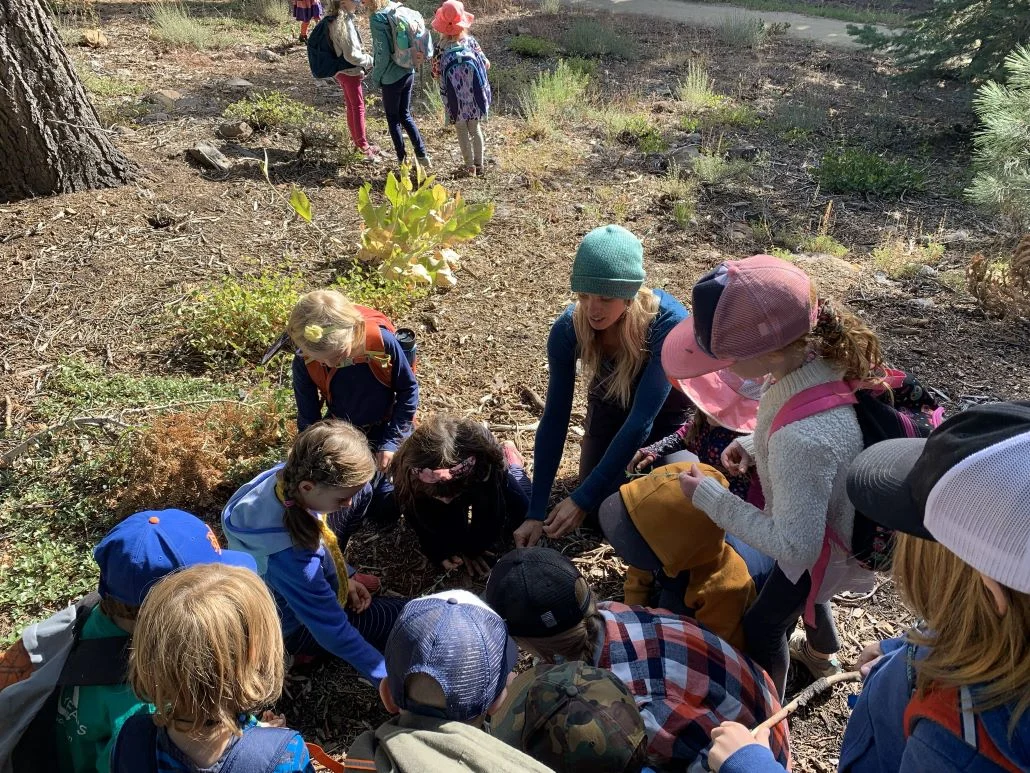
Liz Sheppard stands as a prominent figure at the intersection of professional snowsports instruction and outdoor education, embodying a lifelong dedication to nurturing potential in children and advancing industry standards. A certified Level III snowboard instructor with a Children’s Specialist 2 credential, Sheppard is a respected member of the Western Region Education Staff, primarily based at Northstar California Resort in Truckee, California. Her influence extends beyond the mountain, as she has pioneered an outdoor education program for the Waldorf School in Truckee, teaches middle school science at Tahoe Expedition Academy, and formerly served as president of the board for Friends of Tahoe Truckee Waldorf. Her multifaceted journey reflects a profound commitment to educational excellence and a passionate belief in the transformative power of the outdoors, making her an exemplary model for educators and athletes alike.
A Professional Journey: From Passion to Pinnacle in Snowsports Instruction
Sheppard’s entry into snowsports instruction was driven by a dual desire: to work with children and to continually refine her own snowboarding skills. This foundational motivation propelled her through the rigorous certification process of the Professional Ski Instructors of America and American Association of Snowboard Instructors (PSIA-AASI), the largest snowsports education organization in the world, which sets the professional standards for ski and snowboard instructors across the United States. In her initial two seasons at Northstar, she swiftly achieved her Level I and then Level II certifications, demonstrating an innate aptitude for both the sport and its pedagogy. The following year, she further specialized by obtaining her Children’s Specialist 2 credential, underscoring her commitment to youth development on the slopes, a critical area given the growing emphasis on early snowsports engagement.
Her pursuit of the coveted Level III certification marked a pivotal period in her career, characterized by an immersive international experience. During this time, Sheppard embraced an "endless winter" lifestyle with her husband, Luke Sheppard, teaching consecutively at Cardrona in New Zealand and Northstar California. This unique arrangement, facilitated by Luke’s H-2B visa, offered a rich cross-cultural exchange in snowsports education. New Zealand, with its distinctive alpine environment and the highly regarded New Zealand Snowsports Instructors Alliance (NZSIA), provided an invaluable learning ground. The exposure to different training methodologies and a diverse group of international trainers significantly broadened her instructional perspective. It was during this period of continuous on-snow development that she successfully passed her Level III assessment, solidifying her status as a top-tier instructor.
Upon achieving Level III, Sheppard began contributing to staff training at both Northstar and Cardrona, sharing her expertise and helping to shape the next generation of instructors. A particularly notable achievement from this era was her integral role in building the first Burton Academy at Northstar. This initiative was at the forefront of snowboard education, exploring innovative concepts like terrain-based teaching and learning. Terrain-based teaching, which utilizes specifically designed features and gentle slopes to naturally guide students through fundamental movements, revolutionized how beginners learned to snowboard, making the process more intuitive, engaging, and less intimidating. Sheppard describes this period as "fun, creative, and motivating," highlighting the collaborative spirit and the satisfaction of being on the cutting edge of instructional design. This project underscored Northstar’s commitment to innovation in snowsports education and its role as a leader in resort-based learning programs.
Following her marriage, Sheppard temporarily transitioned from full-time teaching to focus on starting a family. This period, while a pause from her intensive certification pursuits, was not a hiatus from learning. She continued to work part-time as a trainer, maintaining her connection to the industry while gaining profound insights into parenting, human development, and personal resilience. She openly acknowledges the challenges of this period, including grappling with "fear, self-doubt, [and] mental conditioning," but emphasizes that these experiences were invaluable. This break, far from being a setback, enriched her understanding of the human condition, making her a more empathetic and holistic educator. Her eventual return to pursue trainer certification, which she achieved, was a testament to her perseverance and unwavering commitment to her goals, demonstrating that career paths are rarely linear and that valuable lessons can be found in every phase of life.
The Heart of Education: Nurturing Potential in Children, On and Off the Mountain
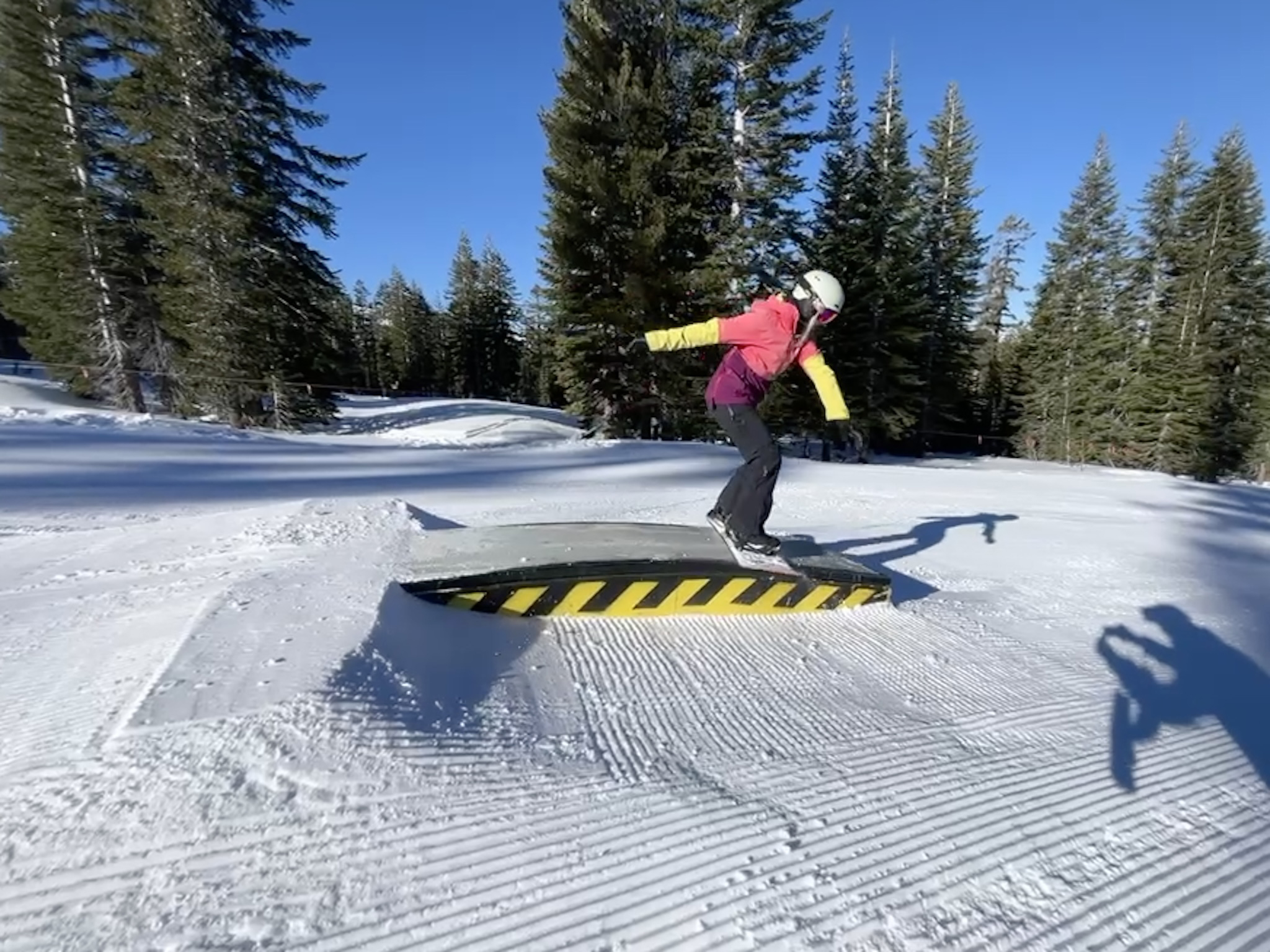
Sheppard’s profound passion for teaching children forms the bedrock of her multifaceted career. She views children as "amazing" — honest, curious, freehearted, and fun-loving — qualities that she strives to foster in every educational setting. Whether on the snowy slopes of Northstar or in the science classroom at Tahoe Expedition Academy, her core philosophy remains consistent: to impart not only specific skills but also fundamental human values. "What do you want to impart? What will you show them, teach them, model for them — not just the hard skills you’re teaching them, but how to be a kind and meaningful human," she posits, articulating a holistic approach to education that prioritizes character development alongside technical proficiency.
One of the most rewarding aspects of her teaching, regardless of the student’s age, is the opportunity to instill a belief in their own capabilities. Sheppard firmly believes that every student possesses a "tremendous amount of potential," which may sometimes be evident and easily accessible, while at other times requiring careful cultivation and nurturing. Her role as an educator, she asserts, is to guide students in discovering this inherent capacity, fostering curiosity, and cultivating a lifelong love of learning. This educational philosophy is particularly potent in the context of snowsports, where children often face physical and mental challenges that, when overcome, build resilience, self-confidence, and problem-solving skills. These attributes are directly transferable to academic environments, where curiosity drives scientific inquiry and the ability to persevere through difficulties is crucial for mastering complex subjects.
Her dual role as a snowboard instructor and a middle school science teacher provides a unique vantage point on child development. On the mountain, children learn about gravity, balance, and kinetic energy in an experiential, tangible way. They develop spatial awareness, risk assessment, and decision-making skills in a dynamic environment. In the science classroom, these same principles are explored through structured inquiry, experimentation, and critical analysis. For example, understanding the physics of a snowboard turn on the mountain complements the study of forces and motion in a classroom. The courage to attempt a new trick on a snowboard can be mirrored by the bravery to formulate and test a hypothesis in science class. Sheppard adeptly bridges these environments, creating a synergistic learning experience where theoretical knowledge is grounded in practical application, and physical challenges inspire intellectual curiosity.
Two Decades at Northstar: A Hub of Innovation and Community
For 23 years, Liz Sheppard has been an enduring fixture at Northstar California Resort, a premier destination in the Lake Tahoe region renowned for its family-friendly atmosphere and high-quality snowsports programs. Her long tenure at the resort is a testament to her dedication and the supportive environment she found there. Beyond meeting her husband, Luke, at Northstar, Sheppard identifies being part of the team that developed the Burton Academy as a career highlight. This groundbreaking initiative, launched around 2009, was a collaborative effort to redefine how snowboarding was taught, moving away from traditional drills towards a more experiential and community-focused approach.
The Burton Academy was built upon core ideas of community and connection, aiming to create a welcoming and less intimidating entry point into the sport. It embraced "out of the box" thinking, experimenting with new progressions and techniques, most notably the terrain-based teaching methodology. By utilizing custom-built, gentle terrain features like mini-pipes, rollers, and banked turns, the academy allowed beginners to naturally acquire fundamental snowboarding skills in a playful and engaging manner. Sheppard played a significant role in designing kid-friendly features and activities, ensuring the program was tailored to young learners. This focus on movement-based learning, rather than rigid instruction, resonated deeply with her teaching philosophy.
The early years of the Burton Academy fostered a "small tight-knit crew" of instructors, all passionately committed to the sport, teaching excellence, and exceptional guest service. This collaborative environment was instrumental in creating a vibrant culture of innovation and continuous improvement. It is no surprise that many members of this pioneering team went on to serve on the Western Region Education Team over the subsequent 15 years, a testament to the high caliber of professionals attracted to and developed by such forward-thinking programs. Northstar, through initiatives like the Burton Academy, established itself as a leader in experiential snowsports education, setting benchmarks for other resorts in creating engaging and effective learning environments. The longevity of Sheppard’s association with Northstar underscores the resort’s commitment to fostering talent and providing a platform for instructional innovation.
Elevating Standards: Leadership on the Western Region Education Staff
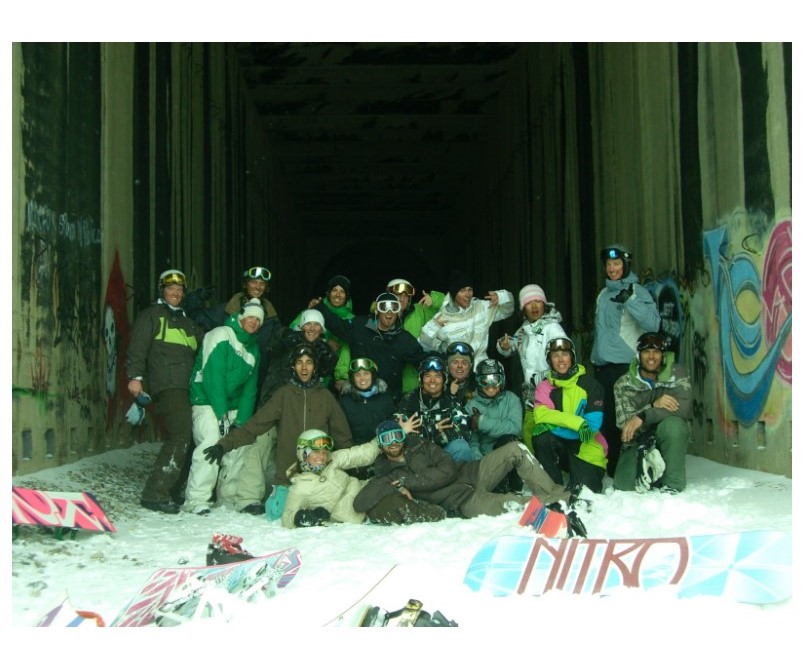
As a member of the Western Region Education Staff, Liz Sheppard plays a crucial role in shaping the professional development of snowsports instructors across the Western United States. Her experience on this team has been profoundly positive, characterized by a sense of shared journey and mutual support. Many of her colleagues on the education team have grown up together professionally, sharing triumphs and challenges, forming a strong network of support that transcends individual career paths. This camaraderie has been a significant factor in her continued growth and belief in her capabilities within the industry.
Serving as an examiner and trainer, Sheppard embraces the opportunity to share her extensive knowledge and mentor aspiring instructors through their PSIA-AASI journey. She recognizes the profound impact that education staff members had on her own development, and she is committed to paying that forward. The PSIA-AASI certification system is rigorous, demanding high levels of technical skill, teaching ability, and professional conduct. As an education staff member, Sheppard helps maintain these high standards, ensuring that instructors are well-equipped to provide safe, effective, and enjoyable lessons to the public.
Sheppard also highlights the significant presence of female examiners on the Western Education Team, describing them as a "powerhouse." This collective strength is actively "pushing female presence and talent in the industry," working to create a more inclusive and equitable professional landscape. Having had female trainers and examiners as role models early in her career, Sheppard understands the importance of visibility and representation. Her own position as a female examiner serves as a crucial inspiration, paving the way for more women to pursue leadership roles within snowsports education. This emphasis on diversity is vital for the industry, as it ensures a broader range of perspectives and teaching styles, ultimately benefiting students and instructors alike.
Throughout her extensive PSIA-AASI journey, Sheppard has distilled several invaluable lessons. First, the importance of adaptability and accepting what cannot be controlled, particularly external factors like weather. Second, the fundamental skill of effective communication — the ability to connect with anyone, about anything, by finding common ground. Third, the capacity to enter an unknown situation, quickly assess needs, formulate a plan, and adapt it based on real-time student feedback. Fourth, the critical practice of using student feedback to dictate the direction of a lesson. Fifth, the willingness to pivot and adjust a plan when it’s not yielding desired results. Finally, the mastery of differentiation, allowing her to effectively teach multiple levels simultaneously within a single lesson. These six tenets underscore the dynamic and responsive nature of professional instruction, skills that are transferable across all her teaching domains.
Cultivating Connection: A Career Forged in Outdoor Education
Sheppard’s profound passion for the outdoors is deeply rooted in her childhood experiences. Growing up, she spent formative time in the Georgia mountains and on a sprawling stretch of wild land on a lake in Maine. These early encounters with nature, involving building forts, enduring varying weather conditions, exploring mossy landscapes, and climbing trees, fostered a visceral connection to the earth. She describes feeling "very connected to the earth when I’m outside," appreciating the freedom from the material world and the extraordinary beauty of everyday natural phenomena.
Her high school years saw her formalize this connection through outdoor mountaineering programs, including a National Outdoor Leadership School (NOLS) program and an Adventures Cross Country program. For a child from Georgia, the allure of "large snowy mountains" was particularly potent, offering unparalleled views and challenges. This led her to work for Adventures Cross Country during college, leading trips in diverse locations such as Costa Rica, British Columbia, and Alaska. These experiences, combined with studying abroad in Costa Rica and Chile, opened her eyes to the vastness of the world and solidified her desire for a career outside the confines of an office. The simple pleasure of "feeling the wind on your face" became a guiding principle, pointing her towards outdoor education as a logical career progression.
After college, Sheppard joined Naturalists at Large, further deepening her expertise in outdoor education. The two programs, Adventures Cross Country and Naturalists at Large, offered distinct but complementary experiences. Naturalists at Large provided exposure to various parts of California through day-to week-long trips, working alongside a community of knowledgeable outdoor educators. Adventures Cross Country involved more intensive, three-week expeditions with smaller groups of 10-15 students, focusing on backpacking, paddling, climbing, and snow travel. While impacting fewer children numerically, these trips fostered deeper, more lasting connections, with some students from two decades ago still maintaining contact. Both programs unequivocally emphasized the "special and impactful" nature of shared experiences in the wild, highlighting how challenges, beauty, adventure, and cooperation in nature activate the brain, body, senses, and soul, creating indelible memories.
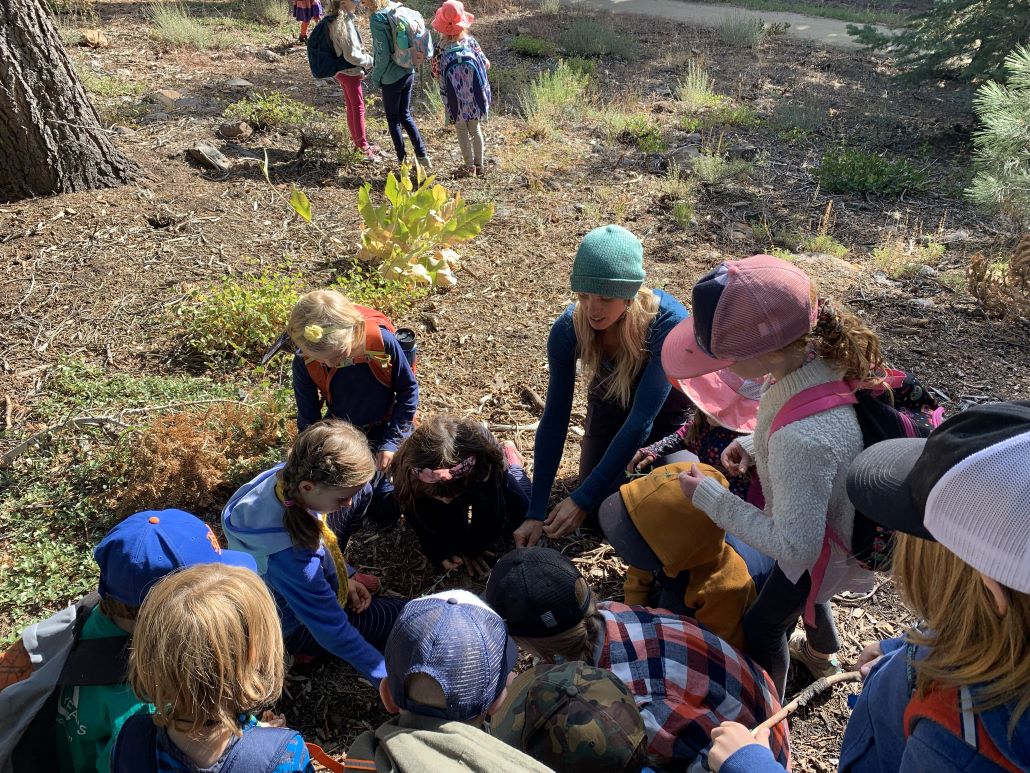
Sheppard recalls a time when pursuing outdoor education as a career was considered unconventional, often met with questions like, "When are you going to get a real job?" However, over the past 25 years, she has witnessed the remarkable growth and expansion of the outdoor education industry. What were once niche pursuits are now increasingly recognized as legitimate and valuable professions, reflecting a societal shift towards valuing experiential learning and time spent outdoors. This evolution underscores a broader understanding of the benefits of nature-based education for physical, mental, and emotional well-being, making her early career choices prescient in hindsight.
Broader Implications and Enduring Legacy
Liz Sheppard’s career exemplifies an interdisciplinary approach to education, seamlessly blending the technical demands of professional snowsports instruction with the holistic principles of outdoor and classroom-based learning. Her journey highlights the profound impact an educator can have by focusing on both skill development and character building, fostering resilience, curiosity, and a deep appreciation for the natural world.
Her role on the Western Region Education Staff, particularly as a female examiner, carries significant implications for diversity and inclusion within the snowsports industry. By serving as a visible and accomplished leader, she actively dismantles barriers and creates a clear pathway for other women aspiring to leadership positions. This representation is crucial for inspiring future generations of female instructors and ensuring that the industry benefits from a wide array of perspectives and talents.
Moreover, Sheppard’s long-standing advocacy and practical application of outdoor education underscore its growing importance in contemporary pedagogy. As societies increasingly grapple with issues of screen time, nature deficit disorder, and the need for environmental stewardship, her work demonstrates the enduring value of experiential learning in fostering a profound connection to the environment and developing critical life skills. Her career serves as a powerful testament to the idea that "we should all value spending more time outside," advocating for a reintegration of nature into our educational and daily lives.
In essence, Liz Sheppard’s multifaceted career is not just a chronicle of personal achievement but a blueprint for integrated education. Her unwavering commitment to nurturing potential, her innovative spirit in professional development, and her steadfast belief in the power of the outdoors collectively forge a legacy that will continue to inspire and shape future generations of learners, educators, and leaders, both on and off the slopes.
