

Climate change, while primarily framed as a challenge of ecological preservation and atmospheric chemistry, is fundamentally a crisis of collective action and democratic governance. The resolution of this crisis relies not on the isolated decisions of individuals but on the structural capacity of public institutions to implement systemic solutions, including the modernization of power grids, the establishment of national pollution standards, and the facilitation of public investment. When these institutions are redirected or dismantled, the resulting impact extends beyond environmental metrics, affecting the health of the democratic process itself. Over the past two fiscal years, a series of legislative and executive actions have fundamentally altered the trajectory of United States climate policy, prioritizing fossil fuel extraction and deregulation over the transition to renewable energy.
Legislative Shifts and the Reversal of Climate Investment
The landscape of federal climate policy underwent a significant transformation with the passage of the 2025 budget law, colloquially referred to by its proponents as "One Big Beautiful Bill." This legislation marked a definitive pivot from the incentives established under the Inflation Reduction Act (IRA), which had previously represented the largest climate investment in the history of the United States. The 2025 budget law systematically targeted the pillars of the IRA, accelerating the expiration of tax credits for wind and solar energy production. By truncating these financial horizons, the federal government introduced a level of market volatility that has complicated long-term capital investments in the renewable sector.
Furthermore, the budget law eliminated a suite of consumer-facing incentives, including rebates for home energy efficiency improvements and subsidies for electric vehicle (EV) purchases. Economic analysts have noted that these removals occurred at a critical juncture in the domestic manufacturing transition. With the cessation of these incentives, the momentum for American-made clean energy technologies faced new headwinds, as the cost of adoption for average consumers increased. The disruption of these programs did not merely slow the adoption of cleaner technologies; it altered the competitive landscape of the American energy market, favoring established fossil fuel industries over emerging renewable alternatives.
Executive Action and the Restructuring of Regulatory Agencies
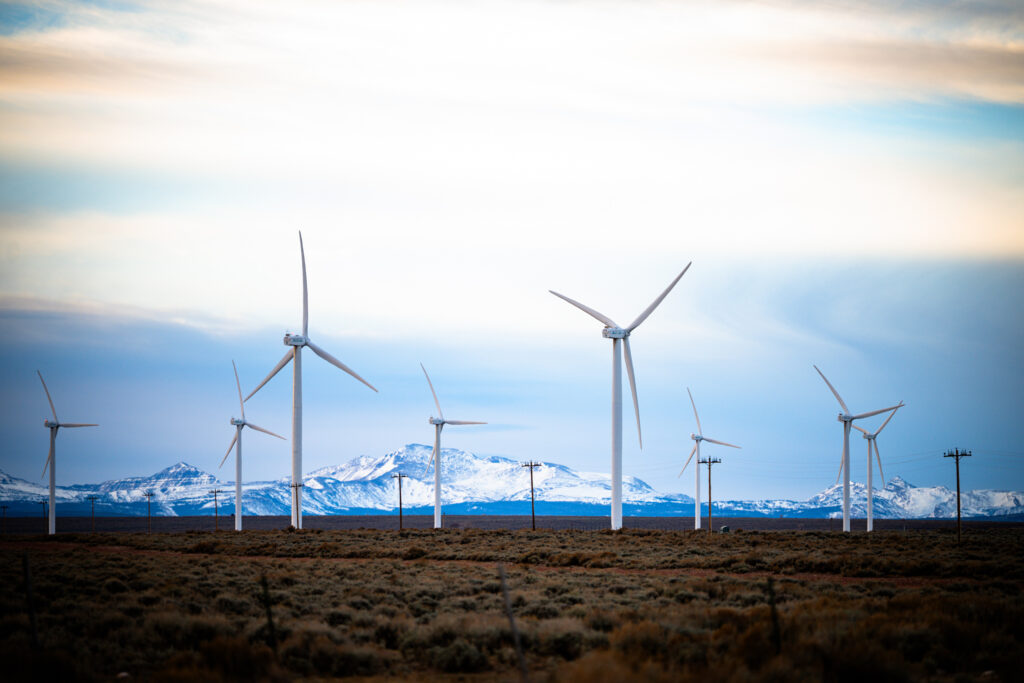
While Congress focused on fiscal levers, the executive branch initiated a series of administrative hurdles designed to prioritize traditional energy sources. The Department of the Interior implemented new protocols for renewable energy projects on public lands, subjecting wind and solar initiatives to elevated levels of political review. In contrast, offshore wind leases experienced a series of suspensions and delays, citing the need for expanded environmental and economic impact assessments.
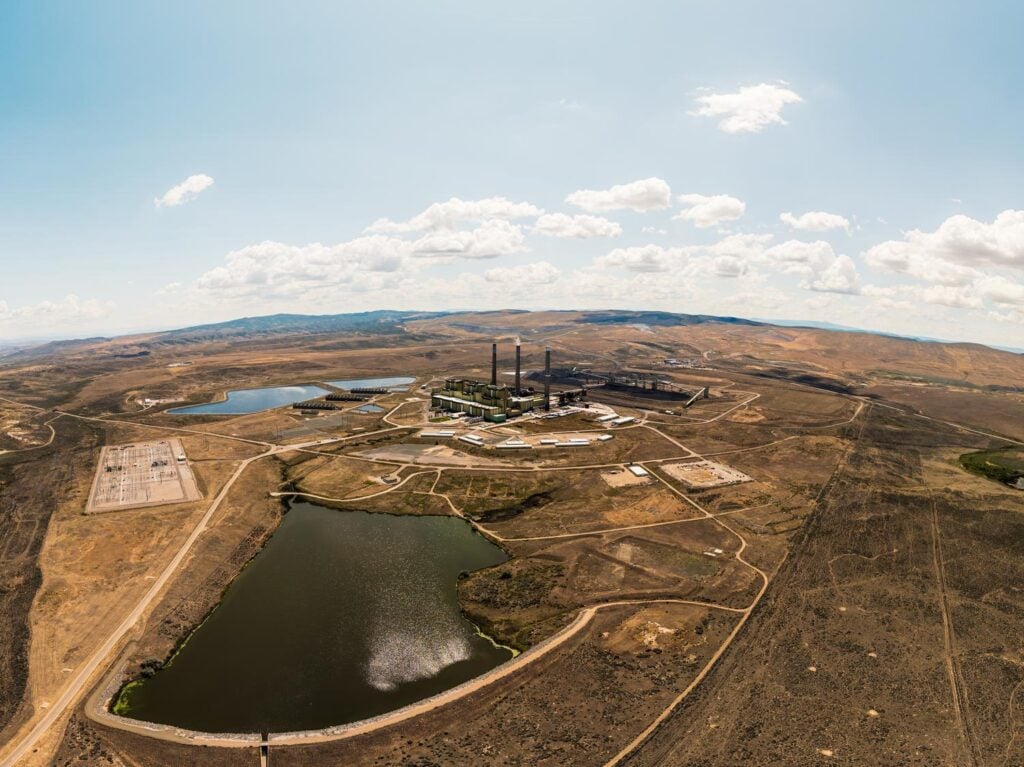
Simultaneously, the administration sought to streamline the permitting process for oil, gas, and mining operations. By weakening the scope of environmental reviews under the National Environmental Policy Act (NEPA), the federal government accelerated the approval of fossil fuel infrastructure. This shift was characterized by critics as a departure from the "all-of-the-above" energy strategy of previous decades, moving instead toward a framework that actively disadvantaged the fastest-growing sources of new electricity generation.
The Environmental Protection Agency (EPA) became a focal point of this deregulatory agenda. Under the leadership of Administrator Lee Zeldin, the agency moved to erase federal limits on climate pollution from power plants and significantly reduced the enforcement of existing safeguards. Data from 2025 indicates that federal civil enforcement cases against polluters reached a record low, the lowest level recorded in the modern history of the EPA. The administration characterized these moves as the "largest deregulatory action in U.S. history," arguing that the removal of "red tape" was essential for domestic economic growth and energy independence. However, public health advocates warned that the reduction in oversight would lead to increased incidences of respiratory illness and long-term environmental degradation in communities adjacent to industrial sites.
Chronology of Land Protection Removals and Resource Extraction
The timeline of environmental policy shifts in 2025 and early 2026 reveals a concerted effort to repurpose public lands for industrial use. This process began in earnest in July 2025, when President Trump issued executive orders to significantly reduce the size of two major national monuments in Utah.
- July 2025: National Monument Reductions. The administration removed protections from over 90 percent of the Bears Ears and Grand Staircase-Escalante National Monuments. This action stripped safeguards from millions of acres of land, much of which holds profound cultural and spiritual significance for Tribal nations. The reduction opened these areas to potential mineral exploration and grazing, sparking immediate legal challenges from indigenous groups and conservation organizations.
- November 2025: Alaskan Arctic Developments. The administration revoked limits on drilling within the National Petroleum Reserve-Alaska (NPRA), an area spanning more than 10 million acres. By eliminating Biden-era restrictions, the Department of the Interior facilitated expanded oil and gas exploration in one of the most sensitive ecosystems in North America.
- January 2026: ANWR Leasing. The administration moved to reopen the coastal plain of the Arctic National Wildlife Refuge (ANWR) for oil and gas leasing. This area is critical for the survival of the Porcupine caribou herd and serves as a vital nesting ground for migratory birds. The move was framed as a strategic necessity for national security, though energy markets remained divided on the long-term viability of high-cost arctic extraction.
The cumulative effect of these actions was the reorganization of federal land management around the principle of resource extraction. This shift necessitated a move away from the "multi-use" philosophy that had historically balanced conservation, recreation, and industry.
The Democratic Response and the Environmental Health Restoration Act
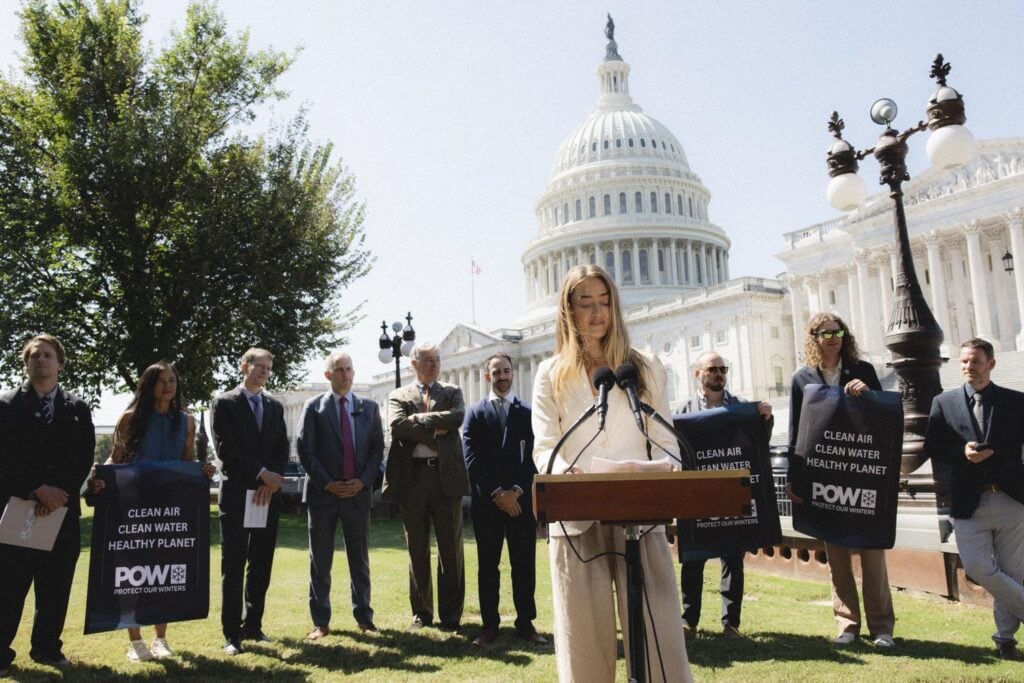
In response to the dismantling of federal climate protections, a coalition of advocacy groups, scientists, and outdoor industry leaders—collectively identifying as the "Outdoor State"—convened in Washington, D.C. Their primary objective was the introduction of the Environmental Health Restoration Act (EHRA). Sponsored by Representative Sean Casten and Senator Sheldon Whitehouse, the EHRA seeks to codify the EPA’s core mission, ensuring that the agency remains legally obligated to protect public health and the environment regardless of the prevailing political administration.
The EHRA is grounded in the principle that clean air and water are fundamental public rights. The legislation aims to:
- Mandate the use of the best available science in all regulatory decision-making.
- Restore the agency’s ability to hold corporate polluters financially accountable for environmental damage.
- Prevent the hollowing out of agency expertise by protecting career civil servants from politically motivated dismissals.
The introduction of this act highlights the intrinsic link between democratic participation and climate outcomes. Proponents of the EHRA argue that when political power becomes insulated from public accountability, the influence of powerful industrial interests increases. Conversely, when democratic institutions are transparent and accessible, communities possess greater leverage to demand a livable future and affordable energy.
Economic and Geopolitical Implications of a Policy Reversal
The shift away from climate-centric policy has broader implications for the United States’ position in the global economy. As other major economies, including the European Union and China, continue to invest heavily in the "green" transition, the U.S. risk losing its competitive edge in the battery, semiconductor, and renewable energy sectors. The repeal of the IRA’s provisions has already caused some manufacturers to reconsider the placement of new facilities, potentially leading to a "capital flight" toward jurisdictions with more stable and supportive climate policies.
Furthermore, the degradation of environmental standards has a quantifiable impact on public health expenditures. Increased pollution levels often correlate with higher rates of asthma, cardiovascular disease, and lost workdays. Economic modeling suggests that the short-term gains from deregulation may be offset by the long-term costs of climate-related disasters and public health crises.
Analysis of the Midterm Elections and the Prospect of a Climate Renaissance
The upcoming midterm elections are viewed by many analysts as a pivotal moment for the future of American environmental policy. The results will determine the composition of the committees that write federal budgets, confirm judicial appointments, and oversee regulatory agencies. This election cycle offers a choice between the continued prioritization of fossil fuel development and the potential for what advocates call a "climate renaissance."
A climate renaissance would involve more than a simple restoration of previous policies. It would require the construction of a more durable, decentralized energy economy—one that lowers costs for consumers and creates high-quality jobs in every state. This vision includes:
- Infrastructure Modernization: Building an interstate transmission system capable of moving renewable energy from rural areas to urban centers.
- Scientific Integrity: Re-establishing the primacy of peer-reviewed science in federal agencies.
- Environmental Justice: Ensuring that communities most affected by historical pollution and climate disruption are prioritized in the transition to clean energy.
Ultimately, climate change remains a problem that can only be solved through the collective will of a functioning democracy. While individual choices remain important, the scale of the challenge requires the robust engagement of the citizenry in the democratic process. The trajectory of the nation’s climate future is not predetermined; it is a product of the leaders who are elected and the institutions they oversee. As the United States approaches the next election cycle, the intersection of climate and democracy remains the most consequential frontier of public policy.
