

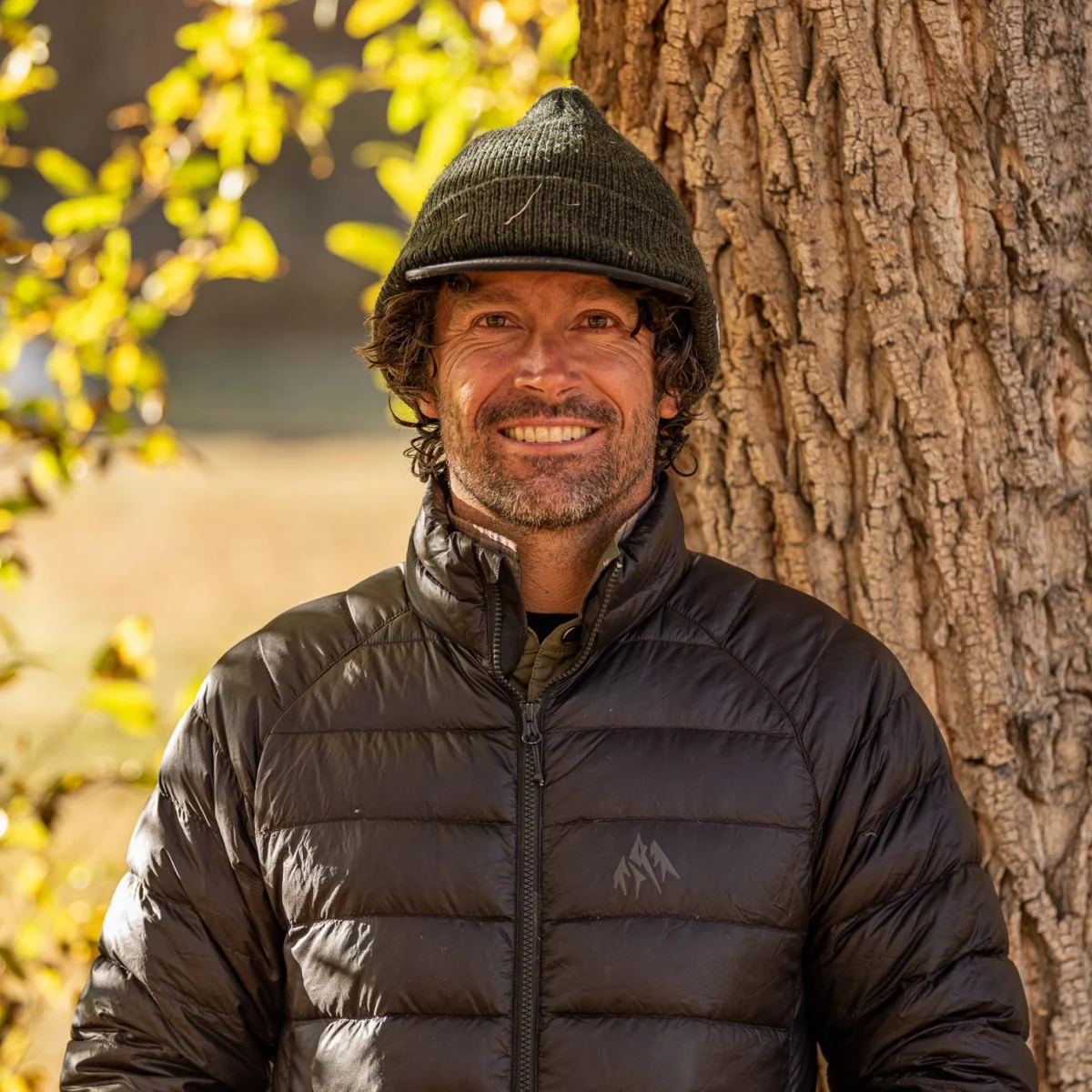
The landscape of American environmental policy has undergone a significant transformation following recent electoral results, prompting advocacy leaders to signal a new era of legislative accountability and conservation efforts. Jeremy Jones, the founder and president of the non-profit organization Protect Our Winters (POW) and a renowned professional snowboarder, has characterized the shift in congressional power as a critical turning point for the protection of public lands, clean energy initiatives, and federal climate safeguards. This transition comes after a period of intensive deregulation and the rollback of numerous environmental protections, leading to what advocates describe as a "new window of opportunity" to restore the integrity of the Environmental Protection Agency (EPA) and secure the future of the outdoor recreation economy.
The Congressional Shift and Environmental Mandates
The recent election cycles have seen a marked change in the composition of the United States Congress, with voters increasingly prioritizing climate change and land management as top-tier issues. This shift is viewed by political analysts as a rejection of policies that prioritized fossil fuel extraction and corporate interests over public health and ecological preservation. For organizations like Protect Our Winters, which represents a coalition of professional athletes, scientists, and outdoor industry brands, the election results serve as a mandate for the incoming legislative body to exercise its oversight authority.
According to data from various non-partisan environmental trackers, the preceding administration initiated the rollback of more than 100 environmental rules, ranging from carbon emission standards for power plants to protections for seasonal wetlands and streams. The new majority in the House of Representatives is now positioned to serve as a check on executive actions, with the power to hold committee hearings, subpoena documents, and influence the federal budget to ensure that environmental agencies are adequately funded.
Chronology of Environmental Advocacy and Policy Rollbacks
The current state of environmental advocacy can be traced back to several key milestones over the last decade. Since its founding in 2007 by Jeremy Jones, Protect Our Winters has evolved from a niche group of winter sports enthusiasts into a potent political force. The organization’s growth mirrored an increasing urgency within the scientific community regarding the shrinking snowpack in the Mountain West and the rising global temperatures that threaten the $887 billion outdoor recreation industry.
In 2017, the federal government began a concerted effort to scale back the reach of the Clean Air Act and the Clean Water Act. This included the withdrawal from the Paris Agreement and the systematic dismantling of the Clean Power Plan, which had been designed to reduce carbon dioxide emissions from electricity generation. By 2018, the Department of the Interior had significantly expanded oil and gas leasing on public lands, including controversial moves to open the Arctic National Wildlife Refuge (ANWR) to fossil fuel exploration—a move that had been blocked for decades.
The electoral response in the midterms saw a surge in voter turnout among outdoor enthusiasts and younger demographics. Advocacy groups utilized digital campaigns, peer-to-peer texting, and local town halls to mobilize a "POW" voting bloc, emphasizing that the "skin track"—a term used in backcountry skiing to describe a path uphill—is open to all, regardless of traditional political affiliation.
The Economic Impact of the Outdoor Industry
The push for climate action is not solely rooted in ecological concerns but is also driven by significant economic data. The Outdoor Industry Association (OIA) reports that outdoor recreation contributes $887 billion in annual consumer spending and supports 7.6 million direct jobs across the United States. This sector of the economy relies heavily on the maintenance of public lands and the predictability of seasonal weather patterns.
Data indicates that rural communities in states like Colorado, Montana, and Utah are increasingly dependent on "amenity-based economies." In these regions, the preservation of trails, rivers, and mountains is directly linked to property values, tourism revenue, and small business growth. Jeremy Jones has frequently argued that putting corporate fossil fuel interests ahead of these communities is a failing economic strategy. The recent election results are interpreted by many as a confirmation of this sentiment, as voters in key swing districts located near recreational hubs opted for candidates with strong conservation platforms.
Legislative Focus: The Environmental Health Restoration Act
With a new Congress in place, Protect Our Winters and its coalition partners have identified the Environmental Health Restoration Act (EHRA) as a primary legislative priority. The bill aims to restore the EPA’s fundamental ability to regulate greenhouse gas emissions and enforce standards that protect clean air and water.
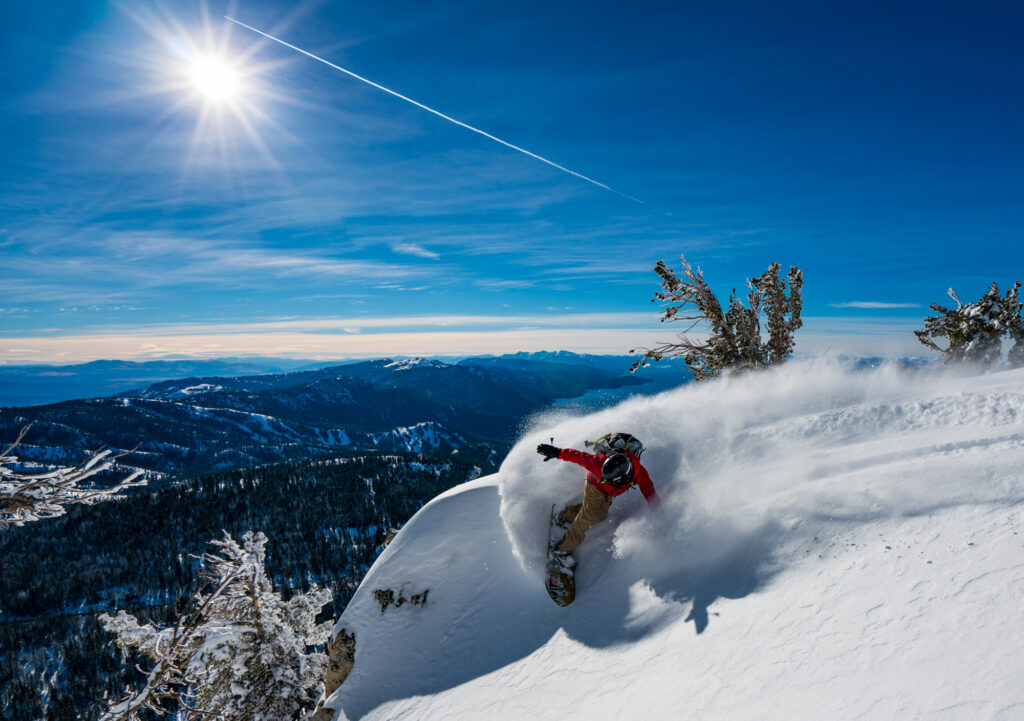
The EHRA is designed to:
- Restore EPA Authority: Reverse previous executive orders that limited the agency’s scope in monitoring industrial pollutants.
- Defend Public Health: Reinstate mercury and air toxics standards that were weakened, which primarily affect vulnerable populations and frontline communities.
- Ensure Accountability: Implement stricter reporting requirements for fossil fuel companies operating on or near public lands.
Legislative analysts suggest that while the EHRA faces a difficult path in a divided government, the shift in the House provides a platform for "climate champions" to bring these issues to the forefront of the national conversation. The strategy involves building bipartisan support by framing environmental health as a matter of public safety and economic stability rather than a partisan wedge issue.
Protection of Public Lands in the Arctic and Mountain West
Another critical area of focus for the post-election period is the defense of the Arctic National Wildlife Refuge and the Mountain West from sell-offs and extraction. The Arctic refuge, often referred to as "America’s Last Great Wilderness," became a focal point of contention when the 2017 Tax Cuts and Jobs Act included a provision to open the coastal plain to oil and gas leasing.
Environmental groups argue that the infrastructure required for such extraction would irreversibly damage the calving grounds of the Porcupine Caribou herd and disrupt the migratory patterns of millions of birds. In the Mountain West, the focus remains on the Bureau of Land Management (BLM) and its "lease-first" approach to public land management.
POW has signaled that it will join forces with indigenous groups and conservation partners to use the new congressional majority to block funding for lease sales in these sensitive areas. The goal is to pivot toward a "public lands for all" model that prioritizes carbon sequestration, biodiversity, and recreation over industrial development.
Broader Implications and the Path Forward
The implications of this political shift extend beyond federal legislation to state and local levels. Jones and other advocates have noted that while federal change is essential, significant victories are already being won in state legislatures that are moving toward 100% clean energy mandates. States like California, Washington, and New Mexico have set ambitious targets that serve as blueprints for national policy.
However, the "mountain" of climate change remains a formidable challenge. Advocacy leaders warn that a favorable "weather window"—referring to the current political climate—does not equate to a final victory. The damage done to environmental regulations over the past several years will likely take a decade or more to fully repair. Furthermore, the administrative transition does not change the physical reality of climate change, which continues to manifest in shorter winters, more frequent wildfires, and volatile weather patterns.
The strategy for the coming years involves a "constant presence" in Washington D.C. and in local districts. By maintaining pressure on elected officials, advocacy groups aim to ensure that the promises made during the campaign trail are translated into tangible policy. The message from the outdoor community is clear: the "window is open" for meaningful climate action, and the responsibility now lies with both the people and their representatives to move forward with urgency.
Conclusion and Future Outlook
The recent shift in the American political landscape marks a transition from a defensive posture to an offensive strategy for environmental advocates. Through a combination of economic arguments, grassroots mobilization, and targeted legislative goals like the Environmental Health Restoration Act, organizations like Protect Our Winters are attempting to reshape the national narrative around climate change.
While the road to comprehensive climate policy remains steep, the integration of the outdoor industry’s economic power with traditional environmental conservation efforts has created a new and influential lobby. As the new Congress begins its term, the focus will remain on whether this political momentum can be sustained long enough to enact the structural changes necessary to protect the nation’s air, water, and iconic landscapes for future generations. The "send" has begun, but the summit of climate stability remains a distant and challenging goal.
