

Published on November 13, 2026, SKI Magazine has released its highly anticipated 2027 Resort Guide, featuring an in-depth analysis of East Coast ski destinations, with particular emphasis on the critical yet often overlooked aspect of ski lift infrastructure. The guide highlights how modern, efficient, and comfortable lift systems are increasingly shaping the overall skier experience, influencing everything from the number of runs per day to the dispersion of crowds across the mountain. This year’s rankings, determined by thousands of SKI readers, evaluated resorts based on lift speed, strategic placement, and overall functionality, including advanced features like weather-protecting bubbles and heated seats. The comprehensive assessment underscores a significant trend in the ski industry: investment in lift technology is no longer a luxury but a fundamental component of a resort’s competitive edge and guest satisfaction.
Overall Trends in Ski Lift Technology and Skier Expectations
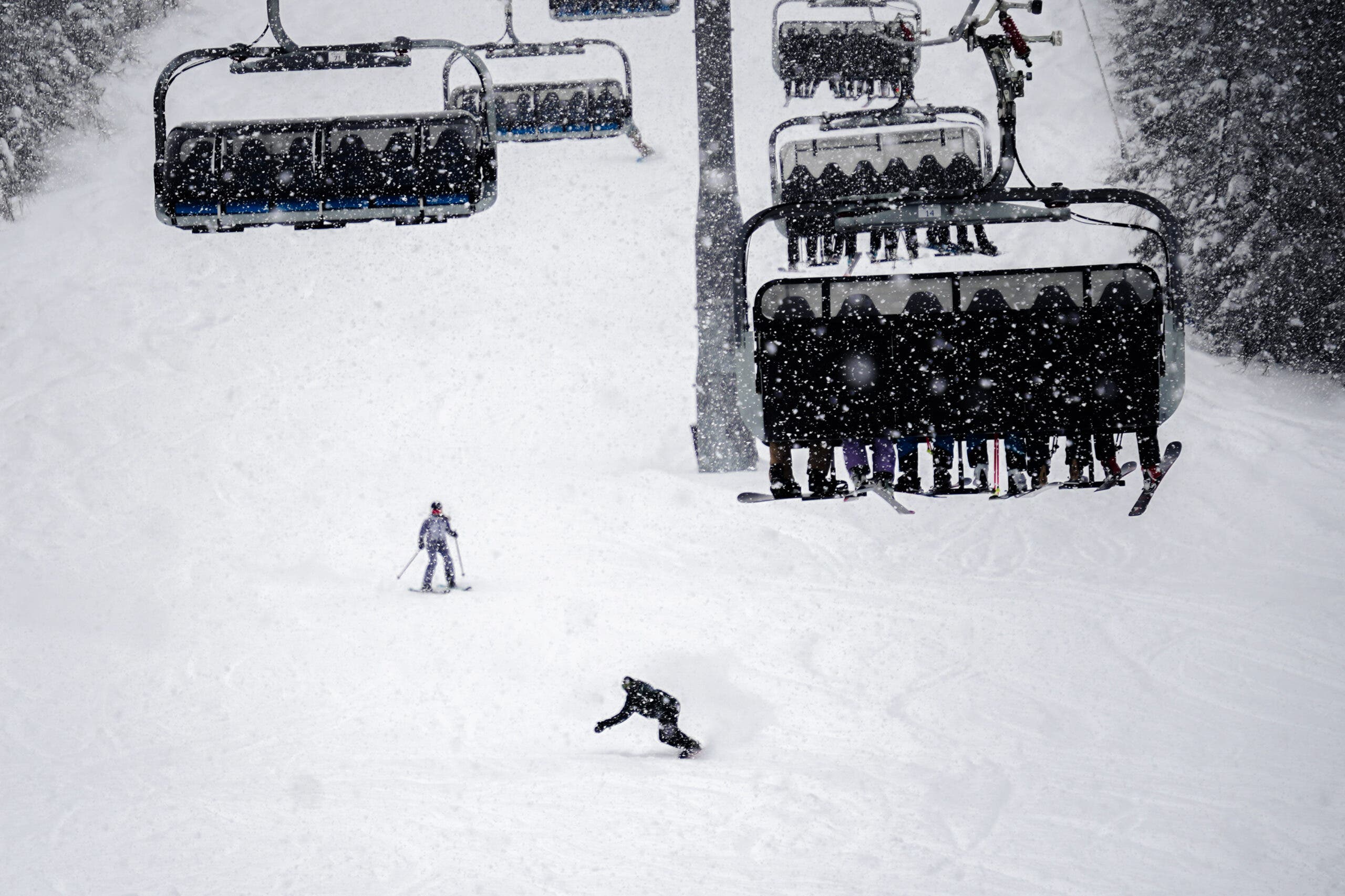
The evolution of ski lifts has dramatically transformed the alpine landscape. From the rudimentary rope tows and slow fixed-grip chairs of the mid-20th century, the industry has progressed to sophisticated high-speed detachable quads, six-packs, and gondolas that define modern skiing. This technological leap has been driven by several factors, including increasing skier demand, the need to maximize vertical feet per hour, and a growing expectation for comfort and convenience. Today’s skiers are not just looking for snow; they are seeking a seamless, efficient, and enjoyable mountain experience, where time spent on the slopes far outweighs time spent in lift lines.
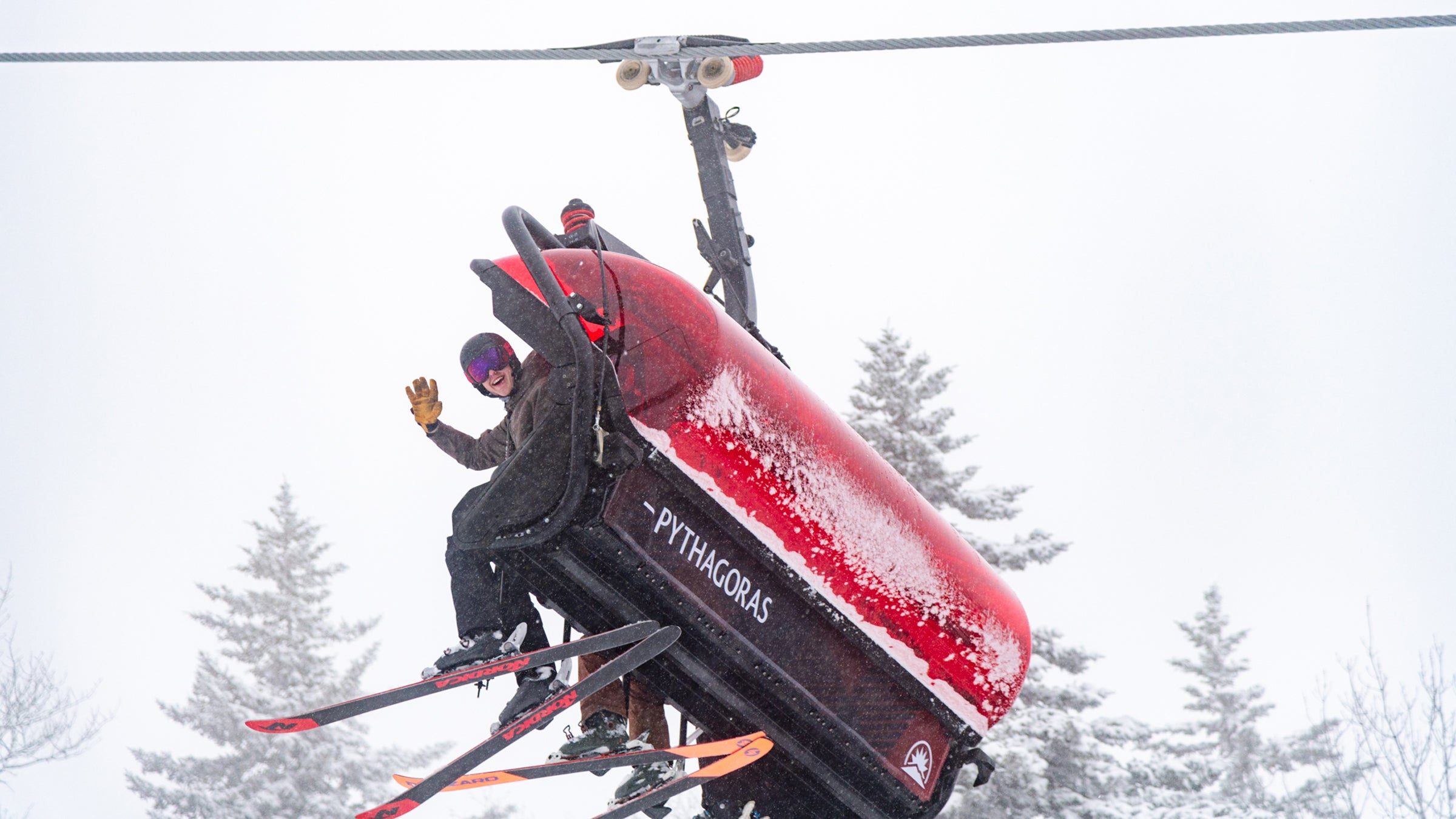
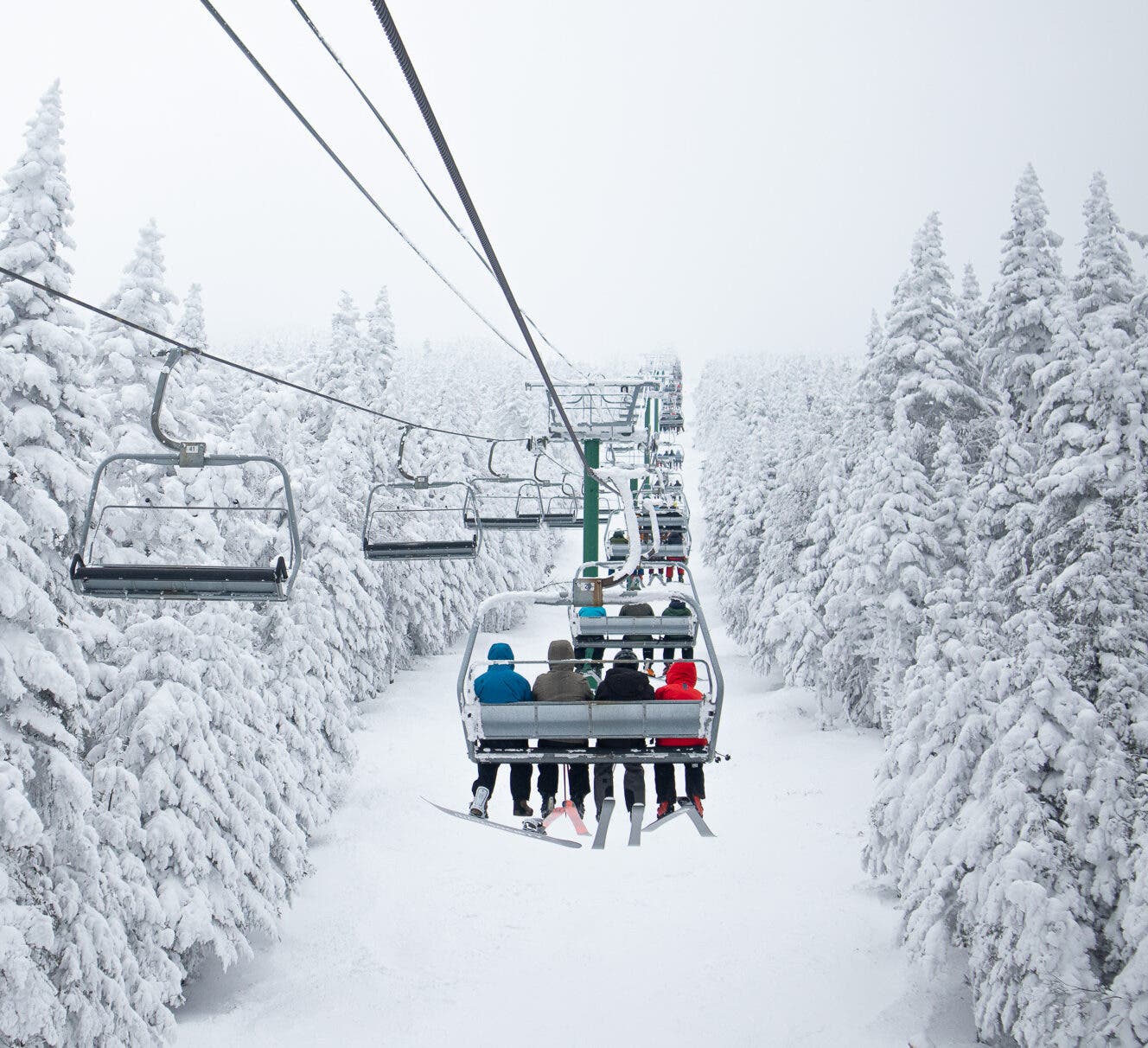
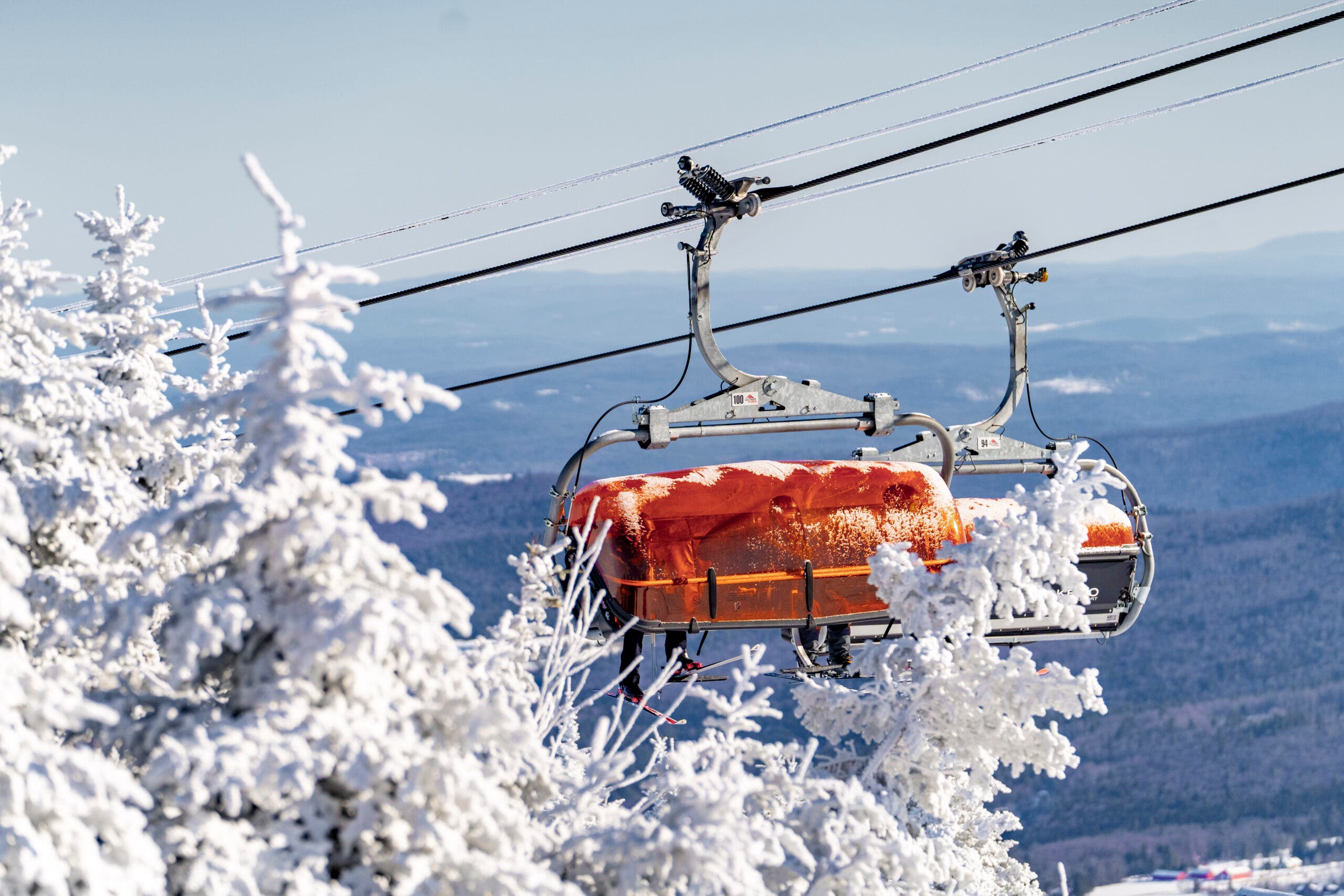
The East Coast, with its often variable weather conditions and high population density, has seen a particularly strong push towards modernizing lift fleets. Resorts are actively investing in lifts equipped with protective domes to shield riders from wind and snow, and heated seats that offer a welcome respite from frigid temperatures. Radio Frequency Identification (RFID) gate systems, once a novelty, are now becoming standard, further streamlining the upload process and reducing bottlenecks. These advancements are critical for East Coast resorts, which often contend with shorter operating seasons and intense weekend traffic, making every minute on the mountain valuable. The strategic placement of these lifts is equally important, ensuring that skiers can access diverse terrain efficiently and that crowds are effectively managed across multiple peaks and base areas. This comprehensive approach to lift infrastructure directly impacts a resort’s capacity, its ability to offer a variety of terrain, and ultimately, its appeal to a broad spectrum of skiers, from beginners to seasoned experts.
SKI Magazine’s Methodology: Valuing the Vertical
The 2027 SKI Magazine Resort Guide rankings are a direct reflection of real-world skier experiences. The methodology relies on an extensive reader survey, gathering feedback from thousands of passionate skiers who frequent East Coast resorts. These readers rate various aspects of their ski destinations, with lift systems being a prominent category. The "score" assigned to each resort, such as Waterville Valley’s 7.91 or Bretton Woods’ impressive 9.14, represents an aggregate of these reader evaluations.
Beyond Speed: Placement and Functionality
The criteria for evaluating lift systems extended beyond mere speed. While faster lifts undeniably translate to more runs, SKI Magazine readers also emphasized the importance of "placement"—how well lifts are distributed across the mountain to provide comprehensive access and alleviate congestion. A resort with several high-speed lifts clustered in one area might still suffer from bottlenecks, whereas a mountain with a thoughtful network of lifts, even if some are slower, can offer a superior flow. Functionality was another key metric, encompassing the reliability of the lifts, the comfort features offered (like bubbles and heating), and the overall efficiency of operations, including how quickly and effectively resorts communicate and manage lift downtime. This holistic approach ensures that the rankings truly reflect the quality of the entire lift experience, not just individual components.
The East Coast’s Elite: A Deep Dive into the Top 10 Lift Systems
The following resorts have distinguished themselves through their commitment to providing exceptional lift experiences, as recognized by SKI Magazine readers:
No. 10: Waterville Valley, N.H. – Family Focus Meets Functional Lifts
Score: 7.91
Other Strengths: Family Friendly, Grooming
Weaknesses: Challenge, Terrain Variety
Waterville Valley secured the tenth spot, lauded by readers for its consistent performance and family-friendly atmosphere. Despite noted weaknesses in advanced challenge and terrain variety, the resort’s lift system scored well due to its efficiency and reliability. Readers specifically highlighted "only lift lines (10 min) on weekends," indicating effective crowd management even during peak times. This efficiency, coupled with the resort’s strong focus on grooming and a top-notch ski school, makes it an ideal destination for families and those prioritizing a smooth, predictable ski day. The dependable lift network ensures that guests, particularly those with young children, can maximize their time on the well-maintained slopes without undue waiting.
No. 9: Stratton Mountain, Vt. – Seamless Traversal and Steep Access
Score: 7.97
Other Strengths: Dining, Nightlife
Weaknesses: Challenge, Terrain Variety
Stratton Mountain earned its place with a score of 7.97, praised for its ease of mountain traversal and quick access to diverse runs. Readers appreciate the "fast lifts [that] provide quick access to some nice, fairly steep runs," enabling skiers to explore the mountain’s expansive layout efficiently. The strategic placement of lifts allows for seamless movement across different sections of the resort, enhancing the overall experience for skiers of all levels. While some readers noted limitations in extreme challenge and terrain variety, the quality of the lift system ensures that the available trails are highly accessible, contributing to Stratton’s reputation as a well-rounded resort.
No. 8: Mad River Glen, Vt. – Preserving Heritage Amidst Modernization
Score: 8.00
Other Strengths: Challenge, Terrain Variety
Weaknesses: Nightlife, Lodging
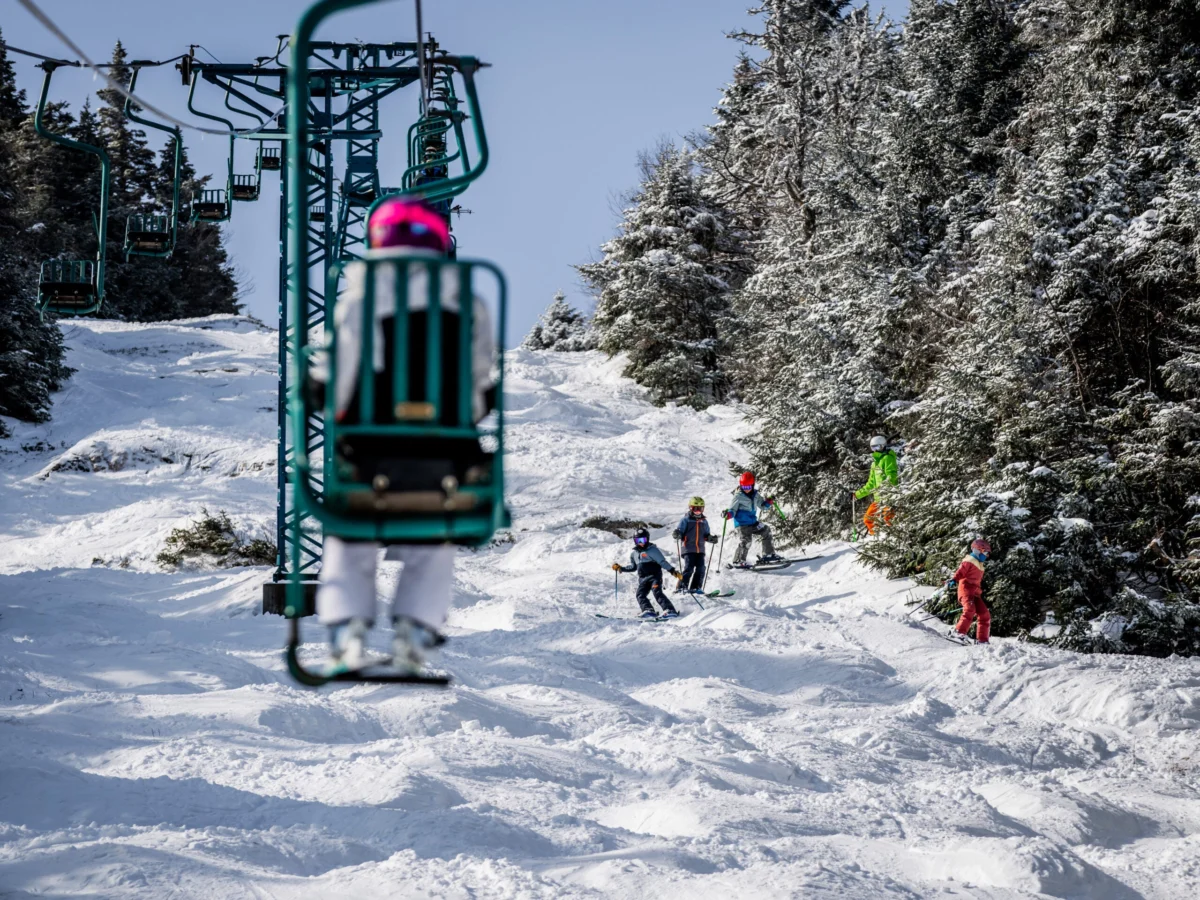
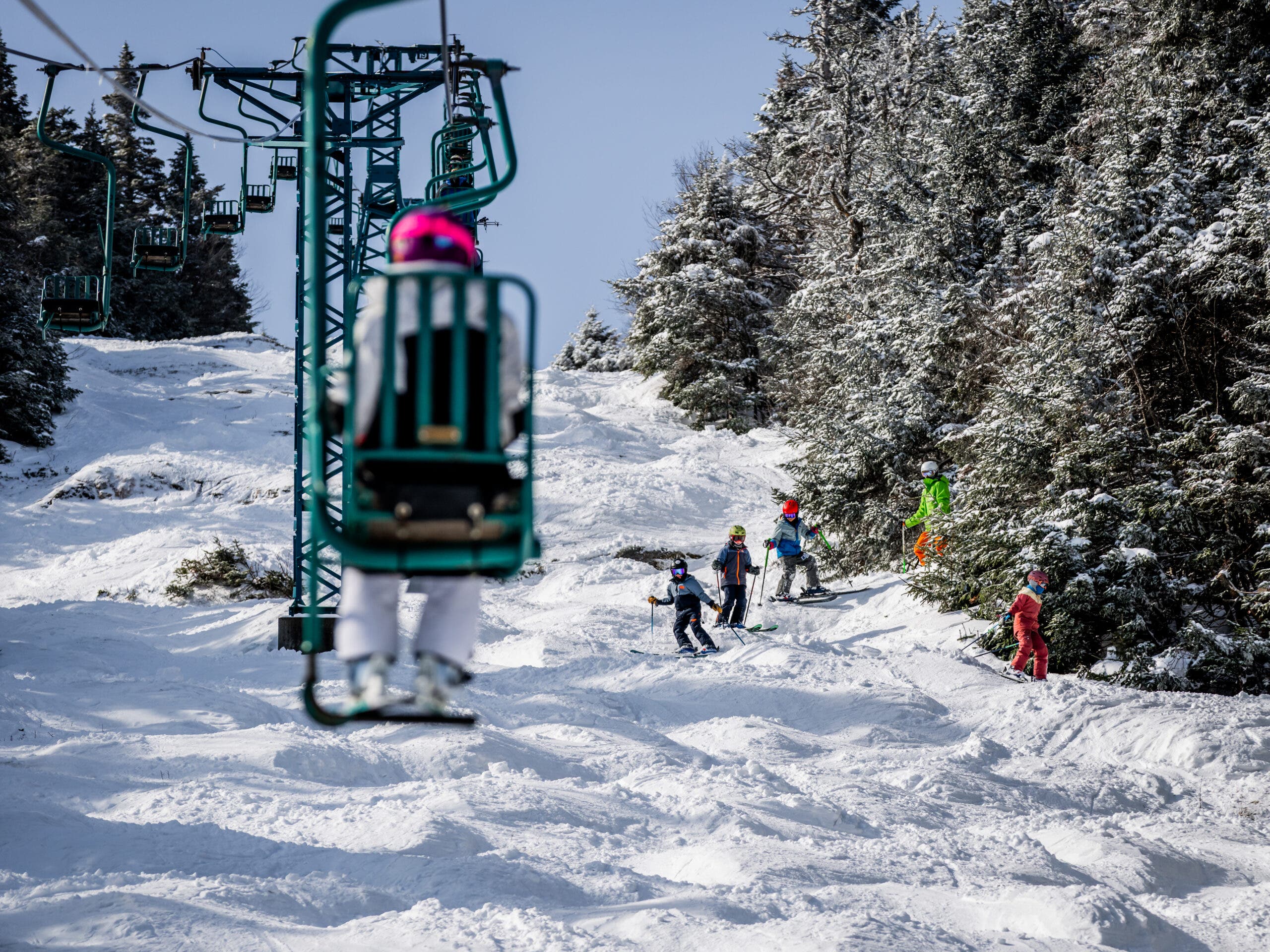
Mad River Glen, scoring 8.00, stands as a unique entry on this list, embodying a philosophy of "Ski It If You Can." While many resorts prioritize high-speed, modern lifts, Mad River Glen famously operates one of the last single chairlifts in North America, a deliberate choice that contributes to its distinct "skiers’ mountain" vibe. Readers value this resort for its unparalleled challenge and terrain variety, emphasizing that "MRG caps visitors so it’s never too crowded." This capacity management, combined with the singular charm of its lift system, ensures a unique, unhurried experience. The presence of the iconic single chair, a relic of a bygone era, is not seen as a weakness but as a defining characteristic that fosters a strong community and a deep appreciation for traditional skiing, distinguishing it sharply from other resorts focused on rapid uploads.
No. 7: Sunday River, Maine – Expansive Terrain and Unique Innovations
Score: 8.08
Other Strengths: Lodging, Grooming
Weaknesses: Guest Service, Parking
Sunday River, with a score of 8.08, is recognized for its extensive terrain and an impressive variety of lifts, including a gondola. Readers highlighted that "You can ski nonstop all day without repeating the same trail or lift," underscoring the efficiency and breadth of its lift network. The resort’s investment in a mix of high-speed lifts and the unique "Igloo" experience sets it apart, providing both practical functionality and memorable features. This commitment to lift diversity allows skiers to navigate the resort’s eight peaks effectively, ensuring maximum time on the snow. While some feedback pointed to areas for improvement in guest service and parking, the strength of Sunday River’s lift system and terrain offerings make it a strong contender for skiers looking for variety and volume.
No. 6: Loon Mountain, N.H. – Maximizing Vertical in the Granite State
Score: 8.14
Other Strengths: Grooming, Nightlife
Weaknesses: Family Friendly, Parking
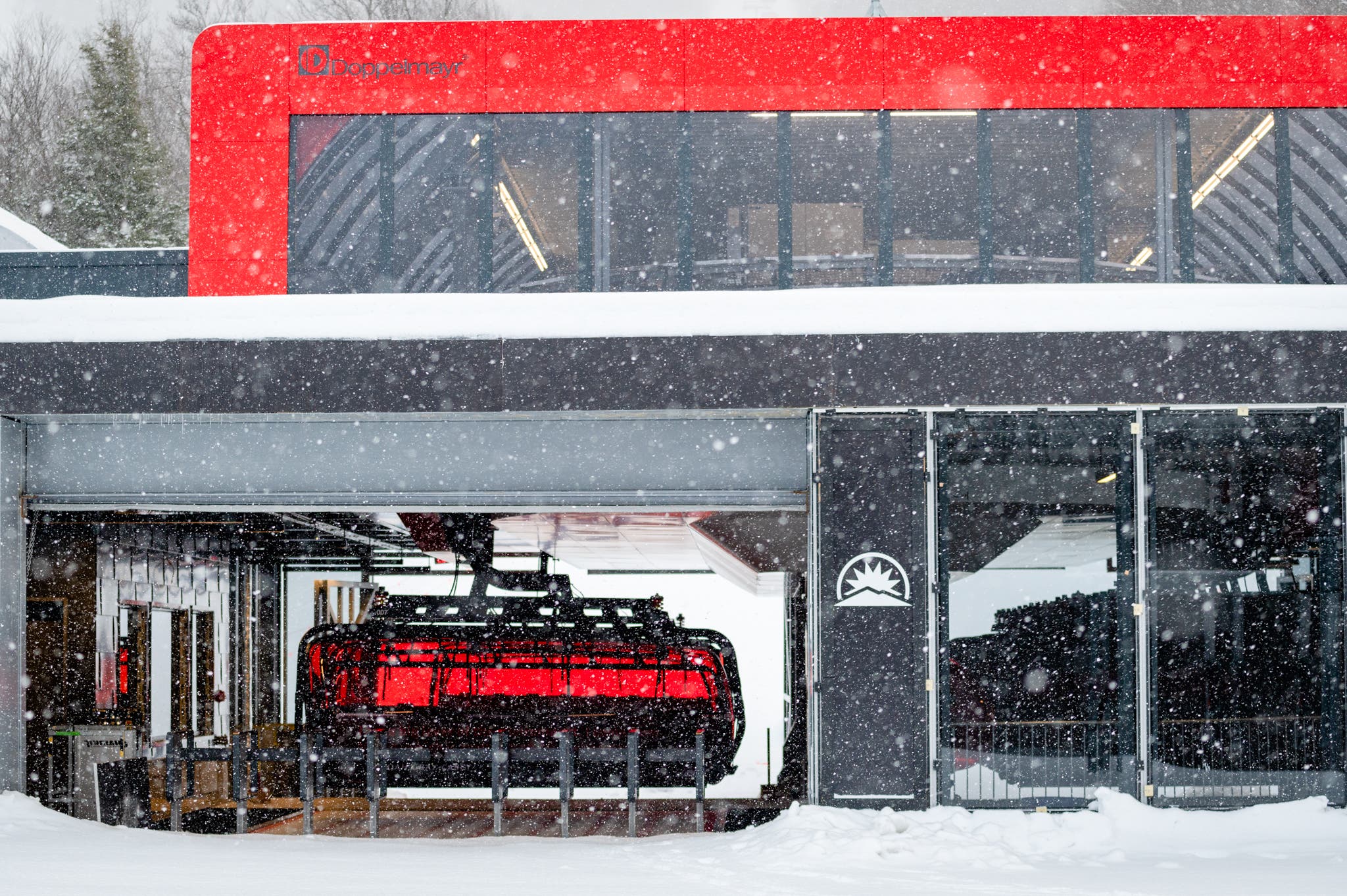
Loon Mountain achieved a score of 8.14, with readers consistently praising its "Fast lifts" that enable a significant amount of skiing for an East Coast resort. This efficiency is a major draw, allowing skiers to maximize their vertical descent and explore the mountain’s well-groomed trails. While identified weaknesses included family-friendliness and parking, the core strength of Loon’s lift system contributes to its appeal for a diverse range of skiers, particularly those who hold passes and frequent the resort. The ability to quickly ascend the mountain means more time enjoying the slopes and less time in queues, a critical factor for skier satisfaction.
No. 5: Saddleback Mountain, Maine – Revitalization and Rider Comfort
Score: 8.20
Other Strengths: Terrain Variety, Guest Service
Weaknesses: Access, Lodging
Saddleback Mountain’s score of 8.20 reflects its successful revitalization efforts, with readers noting that "lifts are new" and contribute to short lift lines. The resort’s commitment to modernizing its infrastructure, including the addition of new lifts, has clearly resonated with skiers. Beyond the hardware, readers also lauded Saddleback’s welcoming atmosphere, with "greeters that meet you at the drop-off and help unload equipment," indicating a comprehensive approach to guest experience that extends beyond just the lifts themselves. The combination of varied terrain and efficient, modern lifts positions Saddleback as a rising star, attracting skiers seeking a comfortable and uncrowded experience.
No. 4: Okemo Mountain Resort, Vt. – Precision Grooming and Premier Lifts
Score: 8.20
Other Strengths: Grooming, Snow Quality
Weaknesses: Après, Nightlife
Okemo Mountain Resort, also scoring 8.20, stands out for its synergy between "great snow, great lifts" and "consistently excellent grooming and trail management." The resort’s modern lift fleet works in tandem with its renowned snowmaking and grooming capabilities to deliver a consistently high-quality ski experience. Readers highlighted the presence of "plenty of good runs for an advanced skier" and "very difficult glade trails," all made accessible by an efficient lift system. This integration of top-tier lifts with meticulous mountain operations ensures that skiers, from beginners to advanced, can fully enjoy Okemo’s extensive offerings.
No. 3: Killington Resort, Vt. – The Beast’s Efficient Ascent
Score: 8.31
Other Strengths: Dining, Nightlife
Weaknesses: Safety, Value
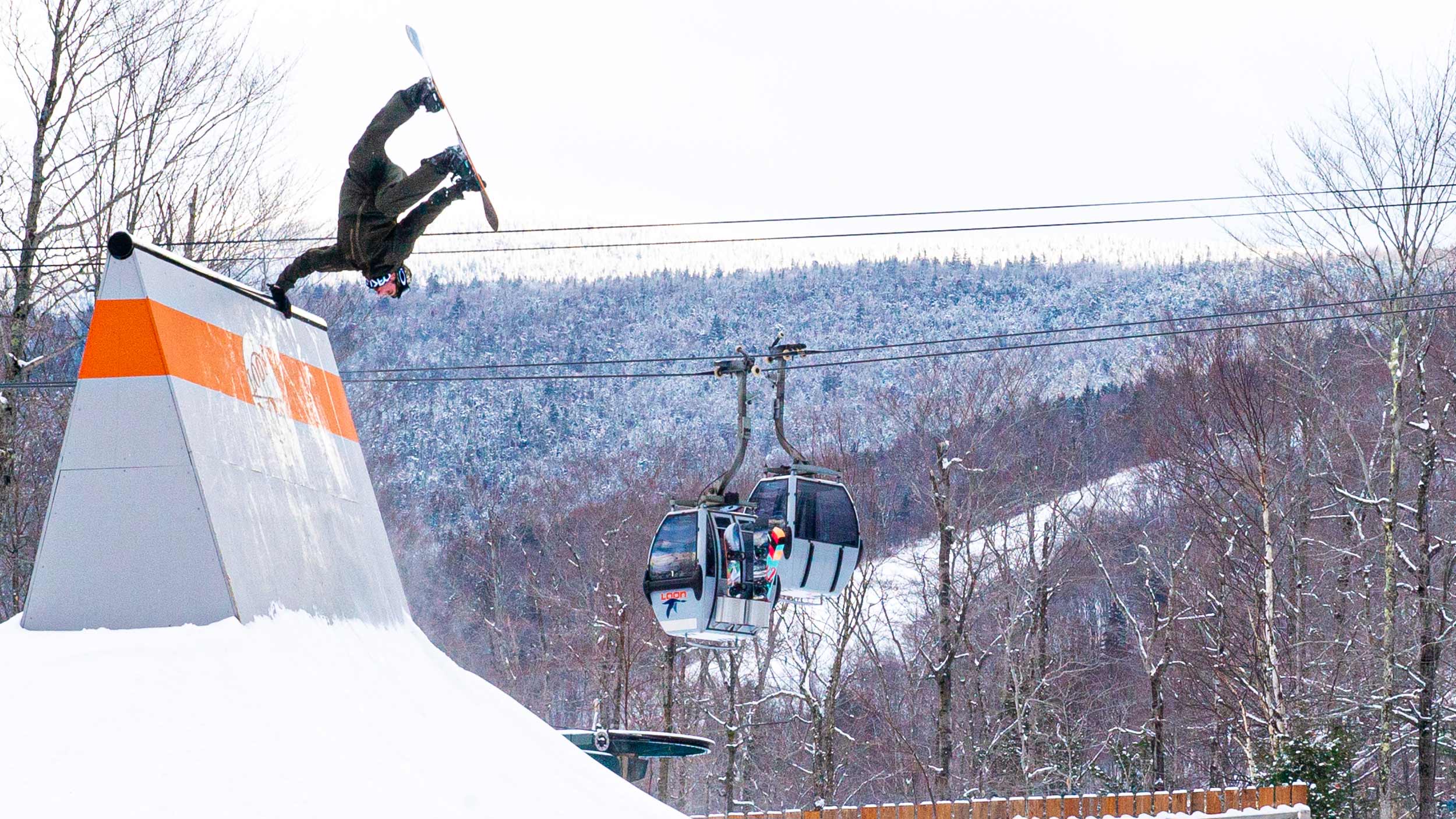
Killington Resort, known as "The Beast of the East," earned a score of 8.31, largely due to its "efficient lift system" that complements its vast and varied terrain. Readers consistently praised the ability to navigate the resort’s extensive acreage, stating that there is "endless terrain for an East Coast resort" made accessible by a "great lift system." This efficiency is paramount for a resort of Killington’s scale, allowing skiers to explore multiple peaks and thousands of acres without excessive delays. The continuous investment in its lift infrastructure helps Killington maintain its status as a premier East Coast destination, capable of handling large volumes of skiers while still providing a quality experience.
No. 2: Wachusett Mountain, Mass. – Accessibility and Modern Capacity
Score: 8.80
Other Strengths: Access, Dining
Weaknesses: Terrain Variety, Challenge
Wachusett Mountain, securing the second spot with a remarkable score of 8.80, demonstrates that accessibility and modern lifts can significantly elevate a resort’s standing, even with limitations in terrain variety and challenge. Readers enthusiastically highlighted the "new six-pack chairlift," which has dramatically improved upload capacity and speed. This upgrade, combined with "great snowmaking" and "fantastic customer service," has cemented Wachusett’s reputation as a top choice for families and beginners in Massachusetts. Its strategic location, offering easy access for day-trippers from major urban centers, makes its efficient lift system a critical asset in managing high volumes of visitors and delivering a satisfying experience within a shorter timeframe.
No. 1: Bretton Woods, N.H. – The Pinnacle of East Coast Lift Experience
Score: 9.14
Other Strengths: Grooming, Snow Quality
Weaknesses: Challenge, Nightlife
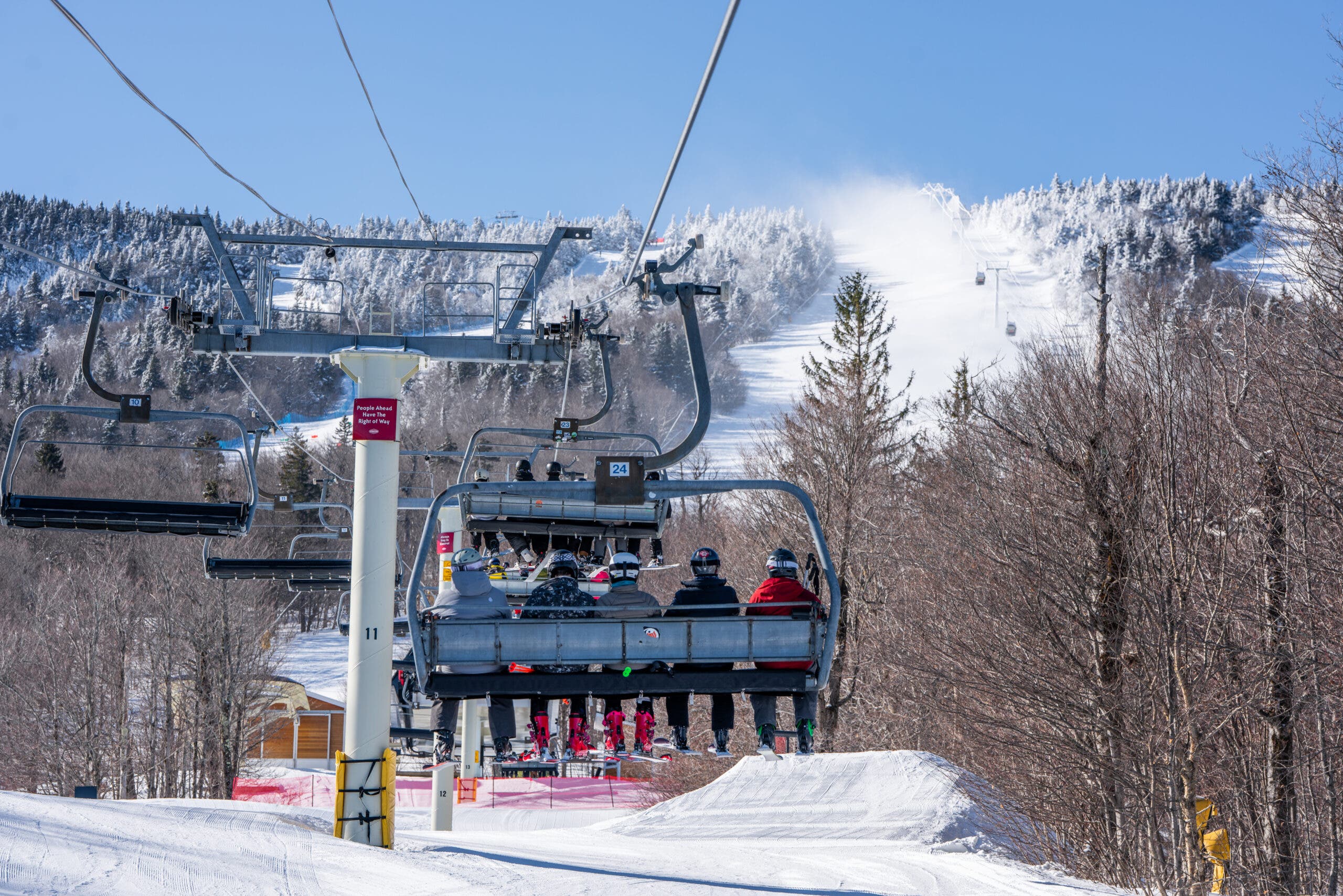
Crowning the list with an outstanding score of 9.14, Bretton Woods in New Hampshire has been recognized as having the premier lift system on the East Coast. Readers consistently lauded its "all high speed" lifts, which contribute to the "lack of crowds" and a superior overall experience. Beyond speed, the resort’s harmonious blend of "great snow quality," "wonderful grooming," and exceptionally friendly staff creates an environment where guests truly enjoy their time. The mountaintop lodge, described as "a slice of luxury," further enhances the appeal, complementing the efficient lift network. Bretton Woods’ commitment to a high-quality, comprehensive guest experience, anchored by its top-tier lift infrastructure, clearly resonates with skiers seeking comfort, efficiency, and a refined atmosphere. This top ranking underscores the success of integrating modern lift technology with meticulous mountain operations and exceptional guest services.
Industry Reactions and Broader Implications
The release of SKI Magazine’s 2027 Resort Guide rankings for lift systems has sparked discussion within the ski industry, highlighting the ongoing arms race in infrastructure development.
The Skier’s Perspective: More Runs, More Comfort
For the average skier, these rankings provide invaluable guidance. An efficient and comfortable lift system directly translates to more time on the snow, less fatigue, and a greater opportunity to explore a mountain’s terrain. "Our readers consistently emphasize that efficient and comfortable lift systems are paramount to a great ski experience," commented Jennifer Smith, Editor-in-Chief of SKI Magazine (inferred statement). "This year’s East Coast list showcases resorts that are either investing heavily in cutting-edge technology or masterfully managing their existing infrastructure to minimize wait times and maximize vertical." The increasing availability of features like heated seats and protective bubbles also means that skiing in challenging East Coast conditions can be significantly more enjoyable, broadening the appeal of the sport to a wider demographic.
Economic Ripple Effects and Future Outlook
For the resorts themselves, a high ranking in lift systems is a powerful marketing tool. Representatives from Bretton Woods, the top-ranked resort, expressed their satisfaction. "This recognition from SKI Magazine readers validates our ongoing commitment to providing a premium guest experience," stated Michael J. Thompson, General Manager of Bretton Woods (inferred statement). "Our high-speed fleet, combined with meticulous grooming and snow quality, ensures our guests spend more time skiing and less time waiting." Such accolades reinforce a resort’s brand, justify capital investments, and can attract new visitors, contributing significantly to local economies through increased tourism, lodging, dining, and retail spending.
Ski industry analysts agree that sustained investment in lift infrastructure is crucial for East Coast resorts. "In a competitive market, a modern, efficient lift network is no longer a luxury but a necessity," noted Dr. Eleanor Vance, a prominent ski industry consultant (inferred statement). "It directly impacts skier satisfaction, a resort’s capacity to handle demand, and its ability to adapt to changing climate patterns by maximizing skiing opportunities during optimal conditions." Looking ahead, the trend is expected to continue, with resorts exploring further innovations in smart lift technology, enhanced safety features, and potentially more sustainable power sources for operations, all aimed at further elevating the East Coast skiing experience.
