

As the 2027 winter season approaches, American families and avid skiers face a stark reality: the cost of a single-day lift ticket has soared to a national average of approximately $200. This escalating price point has transformed what was once a widely accessible winter pastime into a luxury activity, pushing it beyond the reasonable reach of many households. In response to this growing financial pressure, SKI magazine’s annual reader survey for 2027 has cast a spotlight on resorts that continue to deliver exceptional value without compromising the core skiing experience. This year’s rankings, published on November 23, 2026, highlight ten East Coast destinations that readers overwhelmingly voted as providing the best bang for the buck, offering a much-needed alternative for those seeking to hit the slopes without taking out a second mortgage.
The Rising Cost of Skiing: A National Trend
The ski industry has undergone significant transformations over the past decade, marked by consolidation, technological advancements in snowmaking and lift infrastructure, and a general upward trend in pricing. While major destination resorts often boast extensive terrain and high-speed lifts, their single-day ticket prices frequently exceed the $200 mark, sometimes reaching well over $250 during peak season. This trend, exacerbated by inflationary pressures and increased operational costs, has led to a noticeable shift in consumer behavior. Many skiers are now opting for multi-resort passes like the Epic Pass or Ikon Pass, which offer perceived value over multiple days or across different mountains, but often require a substantial upfront investment. For the casual skier or the family planning a spontaneous day trip, however, these passes are not always a viable solution. The hunt for affordable, quality skiing experiences has become more crucial than ever, making SKI magazine’s value-centric ranking particularly relevant.
The publication’s annual reader survey is a highly anticipated barometer of skier sentiment, gathering detailed feedback on various aspects of resort performance, from snow quality and grooming to guest service, dining, and, critically, value. Readers assign scores across numerous categories, providing a comprehensive overview of their experiences. For the 2027 season, the emphasis on value underscores a broader industry discussion about accessibility and the future of snow sports. The resorts lauded in this ranking are largely independent or state-owned, often characterized by a strong local identity and a commitment to maintaining a more traditional, less commercialized ski experience.
Eastern Gems: A Closer Look at Value
The East Coast, with its diverse terrain, historic ski areas, and dedicated communities, presents a unique set of challenges and opportunities for resort operators. While natural snowfall can be less consistent than in the West, advanced snowmaking capabilities and diligent grooming often ensure reliable conditions. The following resorts, from Maine to Vermont, have distinguished themselves by offering an outstanding experience at a price point that resonates with today’s value-conscious skier.
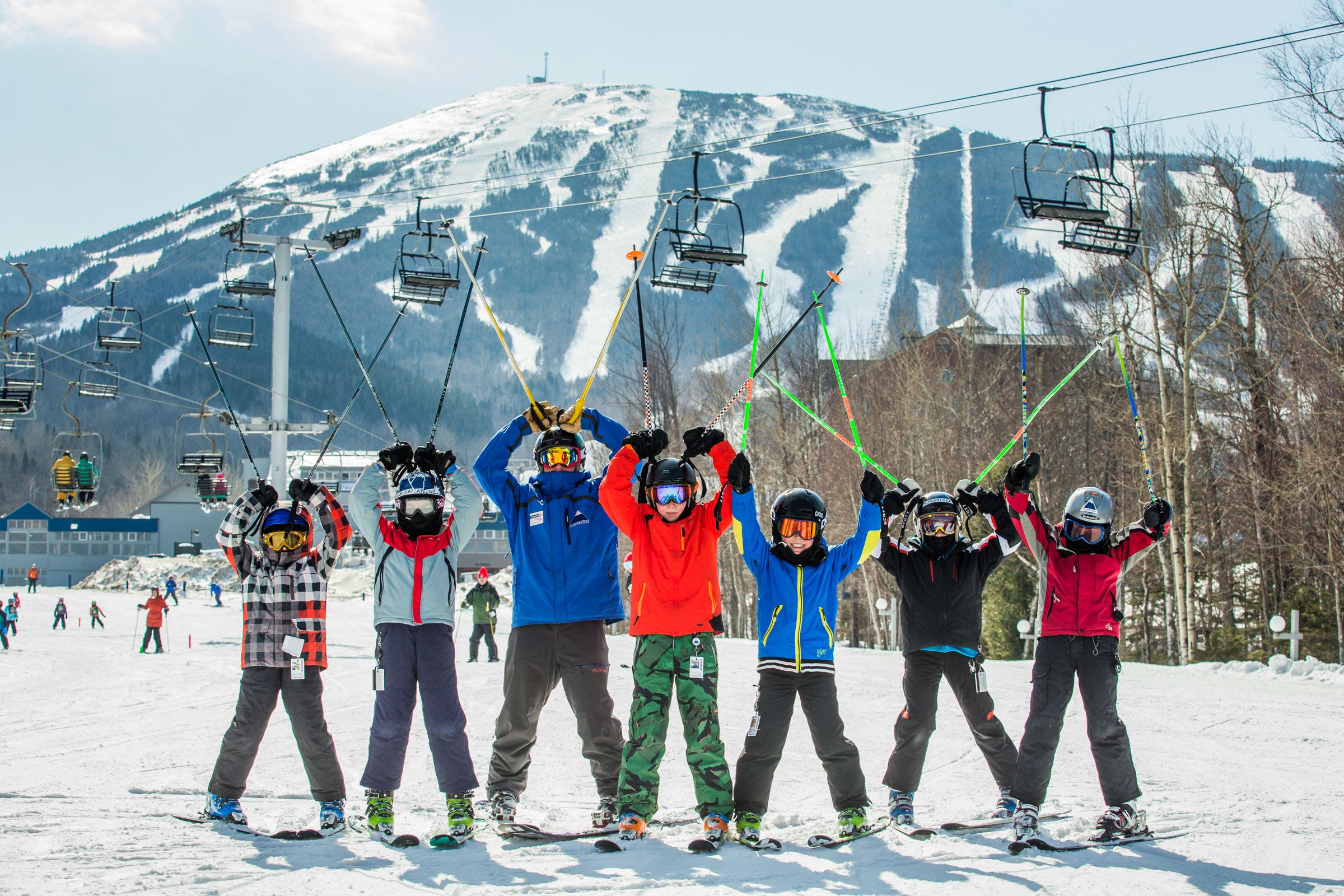
No. 10: Sugarloaf Mountain, Maine (Score: 7.85)
Maine’s formidable Sugarloaf Mountain secures the tenth spot, celebrated for its expansive terrain and often pristine snow conditions. Located further north and more remote than many East Coast resorts, Sugarloaf cultivates a true "skier’s mountain" atmosphere. Readers frequently praise its uncrowded slopes, especially during weekdays, allowing for uninterrupted runs and a deep immersion in the sport. While its lifts and parking facilities were noted as areas for improvement, its strengths in Après and Nightlife suggest a vibrant social scene that complements the skiing without veering into overly luxurious territory. As one reader commented, "Great terrain and snow conditions. Not crowded during the week. Skier’s mountain. Not fancy nightlife," encapsulating the resort’s authentic appeal. This blend of serious skiing and laid-back social options makes Sugarloaf a compelling choice for those prioritizing the on-slope experience and a genuine mountain community feel.
No. 9: Wachusett Mountain, Massachusetts (Score: 8.00)
Wachusett Mountain in Massachusetts earns its place by excelling as an accessible, family-friendly destination, particularly for those new to skiing or looking for a convenient day trip. Its proximity to major population centers in New England makes it an ideal learning ground, and its season pass pricing is designed for affordability. Readers consistently highlighted its commitment to learning and its welcoming environment for all ages. The resort scores highly for Snow Quality and Grooming, ensuring reliable conditions even when natural snowfall is limited. While terrain variety and lodging were identified as weaknesses, these are often secondary concerns for a mountain that serves as a vital local resource for ski education and quick escapes. A 73-year-old retired skier lauded it as "fantastic," while another older than 85 appreciated the free skiing, demonstrating its commitment to making skiing accessible across generations. Wachusett exemplifies how a regional mountain can thrive by focusing on convenience, value, and community engagement.
No. 8: Waterville Valley, New Hampshire (Score: 8.25)
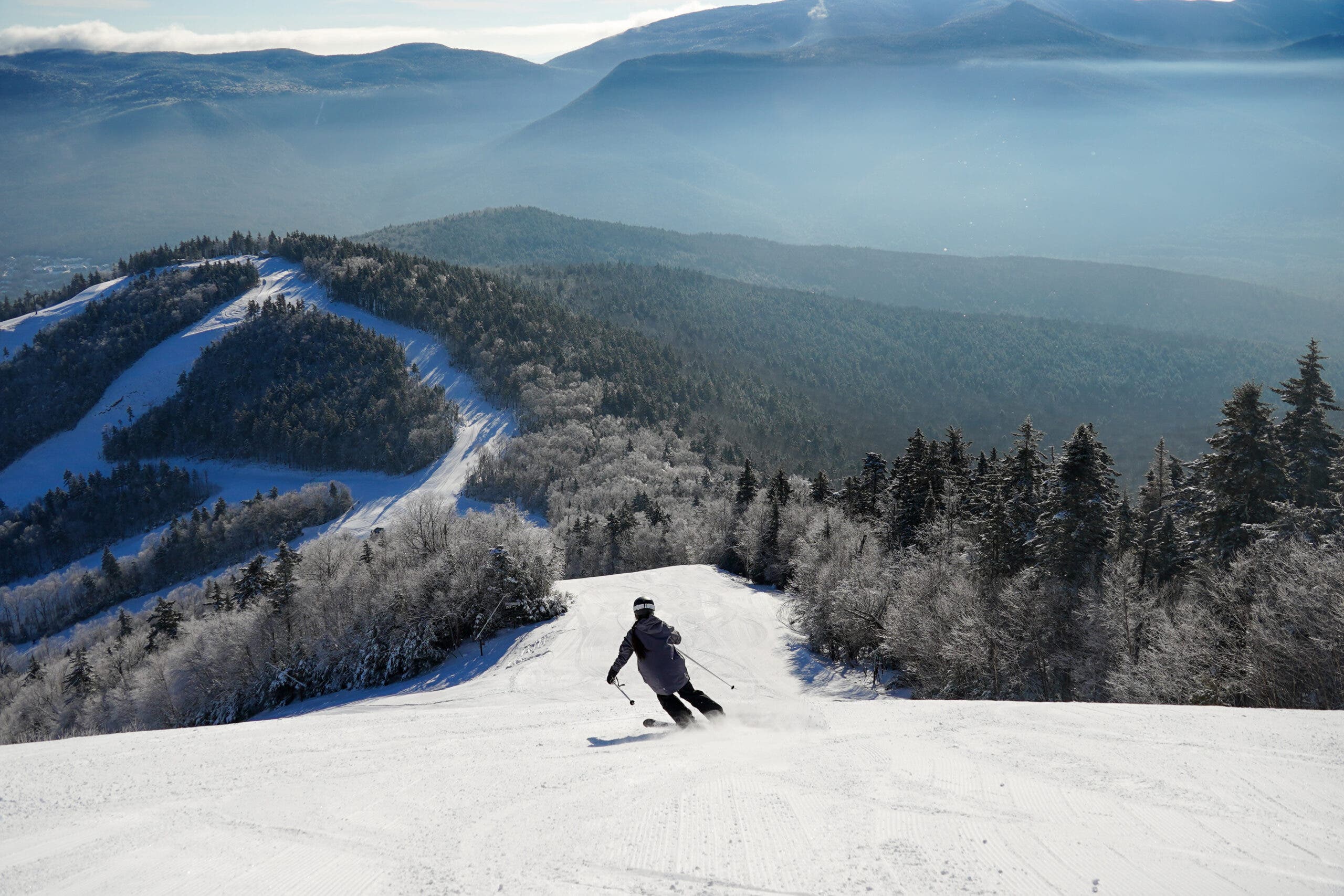
Nestled in New Hampshire, Waterville Valley is recognized for striking a superb balance between value and a well-rounded ski experience. Its strengths in Grooming and Snow Quality ensure a consistent and enjoyable ride, while its accessibility from the Boston area adds to its appeal. Readers frequently commend the "great value, varied and challenging terrain" and the "awesome staff," contributing to a strong sense of community. Despite some feedback on terrain variety and challenge as weaknesses, the overall consensus points to a resort that offers a good mix of everything—skiing, lodging, and food options—without exorbitant prices. This makes it an attractive option for families and individuals seeking a comprehensive mountain getaway that doesn’t break the bank.
No. 7: Bretton Woods, New Hampshire (Score: 8.31)
Bretton Woods, situated against the stunning backdrop of the White Mountains in New Hampshire, is celebrated for its excellent lifts and guest service, earning it a solid spot in the value rankings. While terrain variety and challenge received lower marks, the resort is highly regarded for its well-maintained slopes and efficient operations, which contribute significantly to a smooth and enjoyable day on the mountain. Its appeal to seniors is particularly notable, with many readers praising the "good value" and "excellent grooming and snow conditions" of its midweek senior passes. This focus on guest comfort and a welcoming atmosphere, coupled with reasonable pricing, makes Bretton Woods a reliable choice for those prioritizing a relaxed yet high-quality skiing experience.
No. 6: Jay Peak, Vermont (Score: 8.39)
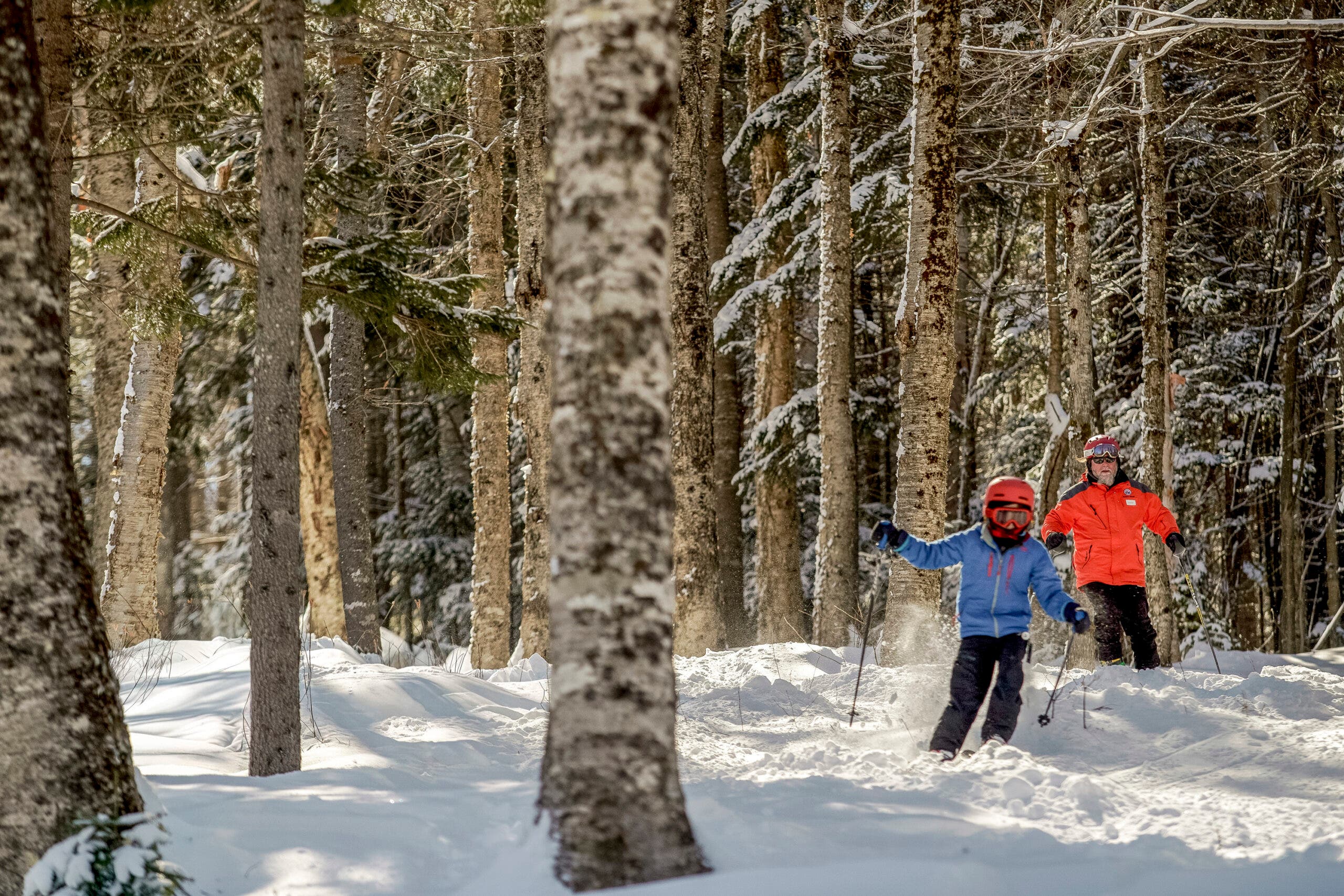
Vermont’s Jay Peak is renowned for its abundant natural snowfall, often referred to as the "Jay Cloud," which translates into exceptional snow conditions and challenging terrain. Readers consistently recommend it for its "value and good snow." Beyond the slopes, Jay Peak offers robust lodging options and is noted for being "very family-oriented," with "lots to do with young kids," including an indoor waterpark. While its remote location can pose "Access" challenges and grooming was noted as a weakness, its unique combination of challenging tree skiing, deep powder, and family amenities at a competitive price point makes it a standout. Its independent spirit and focus on the skiing itself resonate deeply with those looking for a genuine Vermont experience.
No. 5: Cannon Mountain, New Hampshire (Score: 8.71)
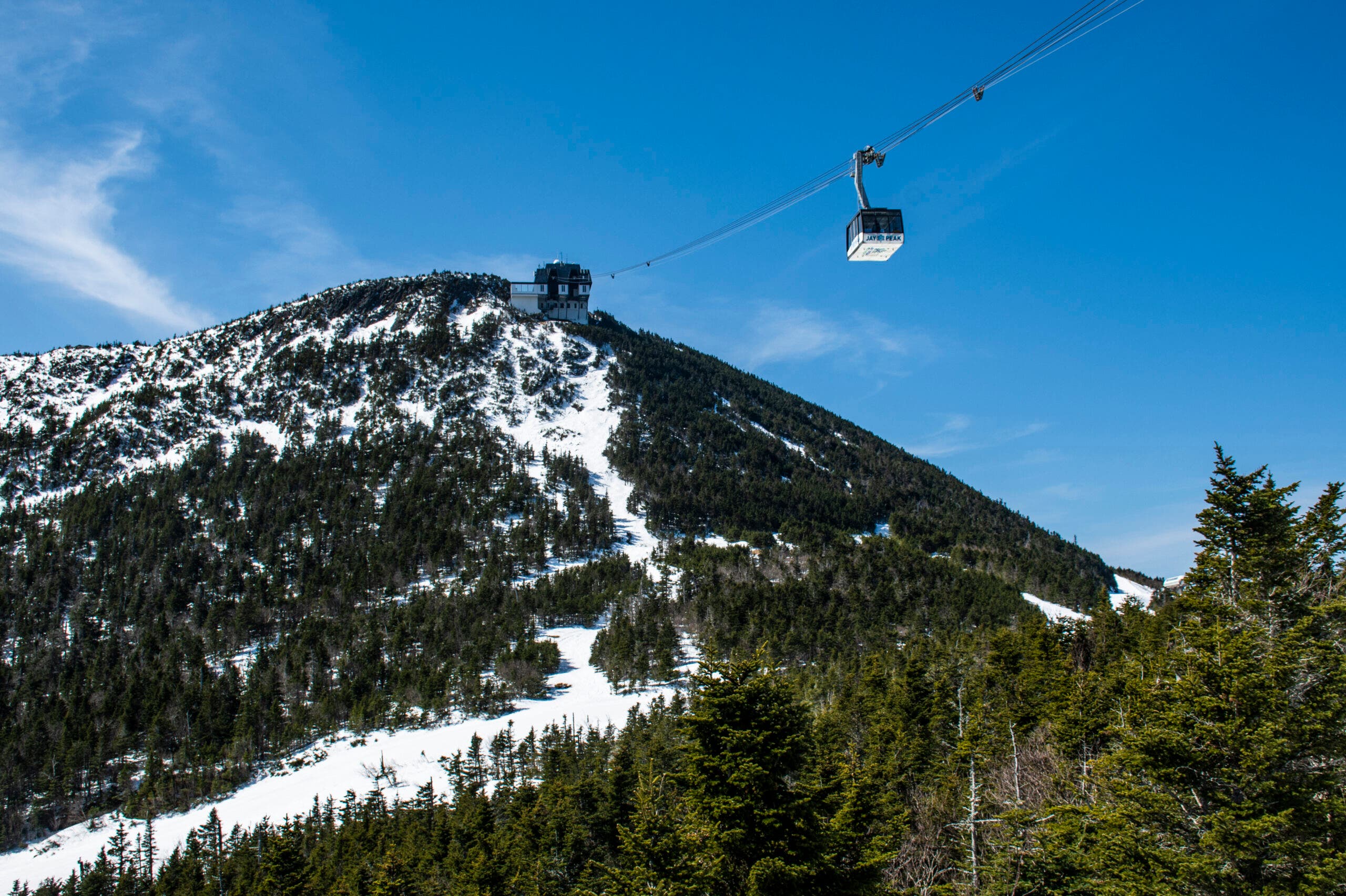
Cannon Mountain in New Hampshire earns high marks for its distinct "local flavor" and commitment to a traditional ski experience. As a state-owned mountain, it offers a refreshing alternative to the often-corporate atmosphere of larger resorts. Readers praise its "great family-friendly resort with plenty of variety for all levels" and its "homey feeling." Its strengths in Parking and Challenge appeal to those who appreciate convenience and diverse terrain. While Snow Quality and Grooming were identified as weaknesses, the overwhelming sentiment is one of appreciation for its authenticity and community-oriented approach. One reader expressed a preference for its "small, underdeveloped, not mega multi-pass feeling," highlighting a growing desire among skiers for experiences beyond the major resort conglomerates.
No. 4: Saddleback Mountain, Maine (Score: 8.77)
Saddleback Mountain in Maine has made a remarkable comeback, with its recent reopening and significant investments raising "the bar in Eastern skiing." This revitalization has been accompanied by a strong emphasis on customer service, with ambassadors setting a high standard from arrival to departure. Readers consistently laud its "superb customer service," "new lifts," and the seldom-long lines. The "Summit restaurant is incredible and reasonably priced," further cementing its reputation for value. Despite some feedback on "Access" and "Dining" (likely referring to options beyond the summit restaurant), Saddleback’s commitment to quality, safety, and a premium experience at an accessible price point has clearly resonated, making it a beloved destination in the region.
No. 3: Smugglers’ Notch, Vermont (Score: 8.88)
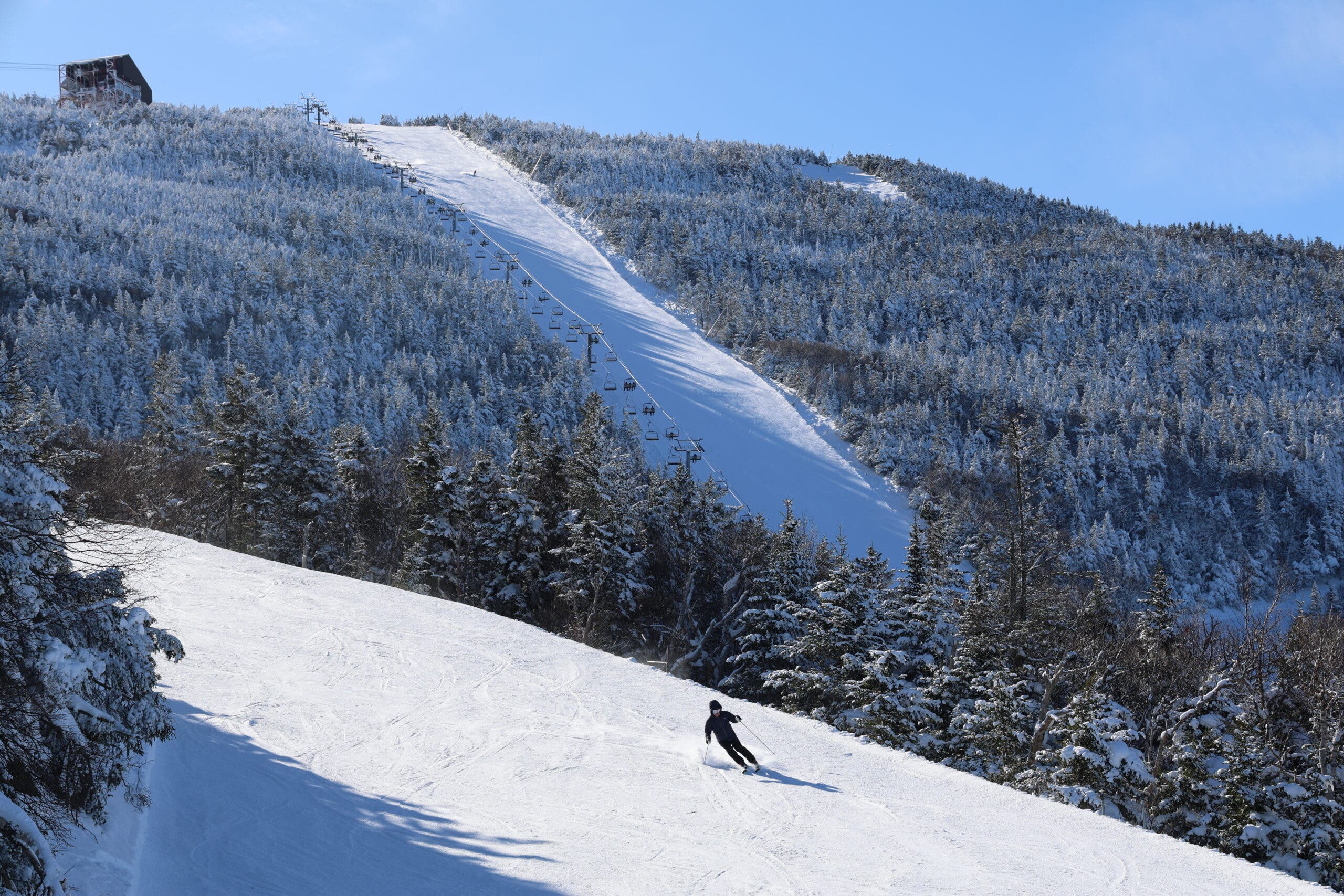
Affectionately known as "Smuggs," Smugglers’ Notch in Vermont is a perennial favorite for families and independent skiers. Its "Family Friendly" and "Local Flavor" strengths are deeply ingrained in its identity. Readers hail it as an "Excellent resort and value," frequently drawing comparisons to its larger, more commercial neighbor, Stowe, noting "no crowds compared to neighboring Stowe." Smuggs embodies the spirit of an "indie mountain" focused on "hardcore skiers who care more about the actual skiing than all of the bells and whistles." While lifts and dining options were mentioned as weaknesses, its commitment to diverse terrain and a genuine Vermont experience—minus the corporate polish—secures its place as a top-tier value destination.
No. 2: Magic Mountain, Vermont (Score: 9.44)
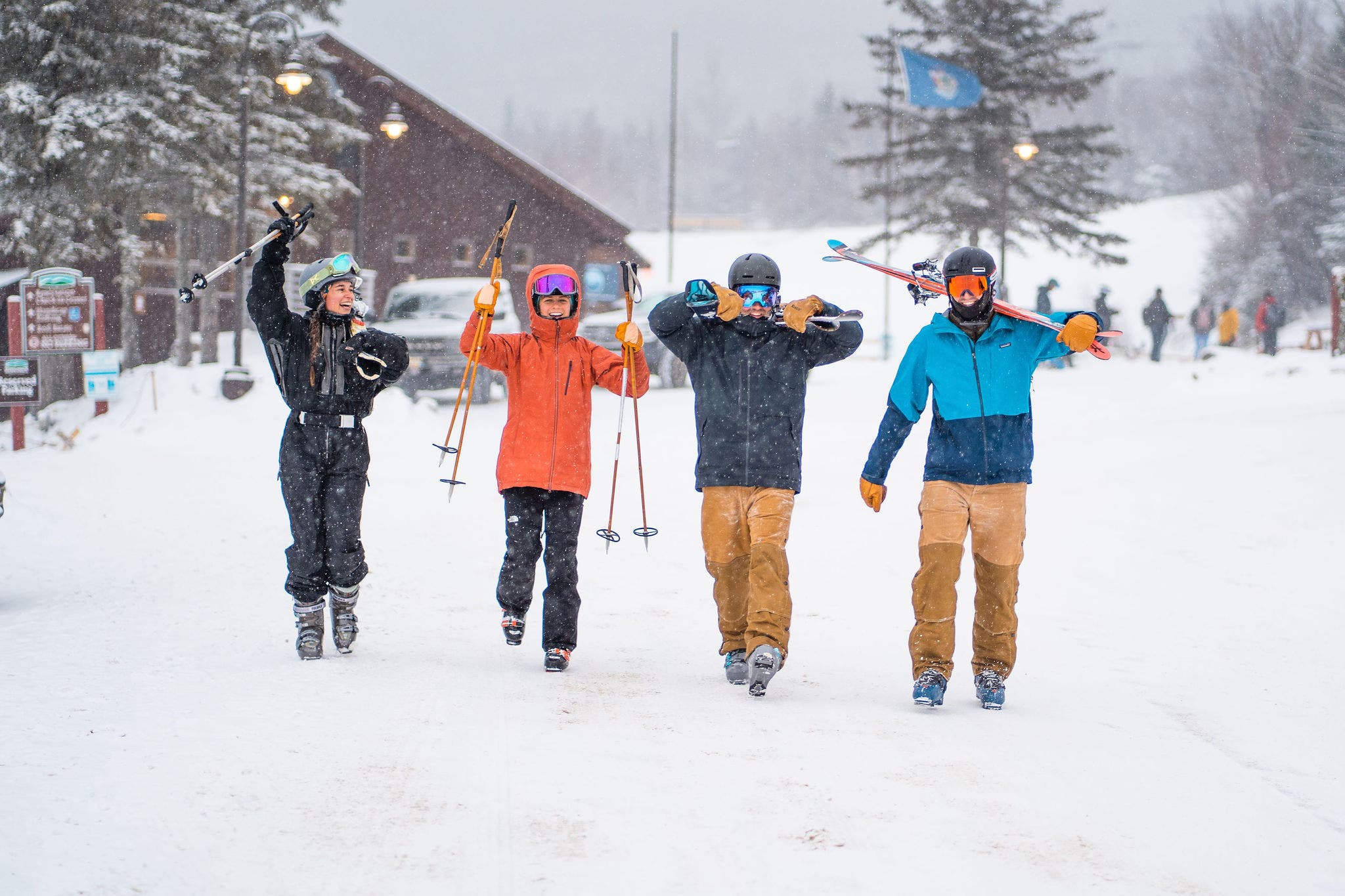
Vermont’s Magic Mountain captures the runner-up position with an impressive score, largely due to its unique "vibe" and commitment to an unpretentious skiing experience. It stands out for its "Terrain Variety" and "Challenge," offering a playground for advanced skiers, yet without the crowds typically associated with such offerings. Readers rave about the "No lines at the lift" and the "great value," with one proclaiming it "the only place I would go now to enjoy skiing again." While Snow Quality and Grooming were noted as weaknesses, likely due to its reliance on natural snow and a less manicured approach, Magic Mountain has cultivated a loyal following by prioritizing the raw, authentic joy of skiing. It represents a counter-cultural haven for those seeking adventure and community over luxury amenities.
No. 1: Mad River Glen, Vermont (Score: 9.50)
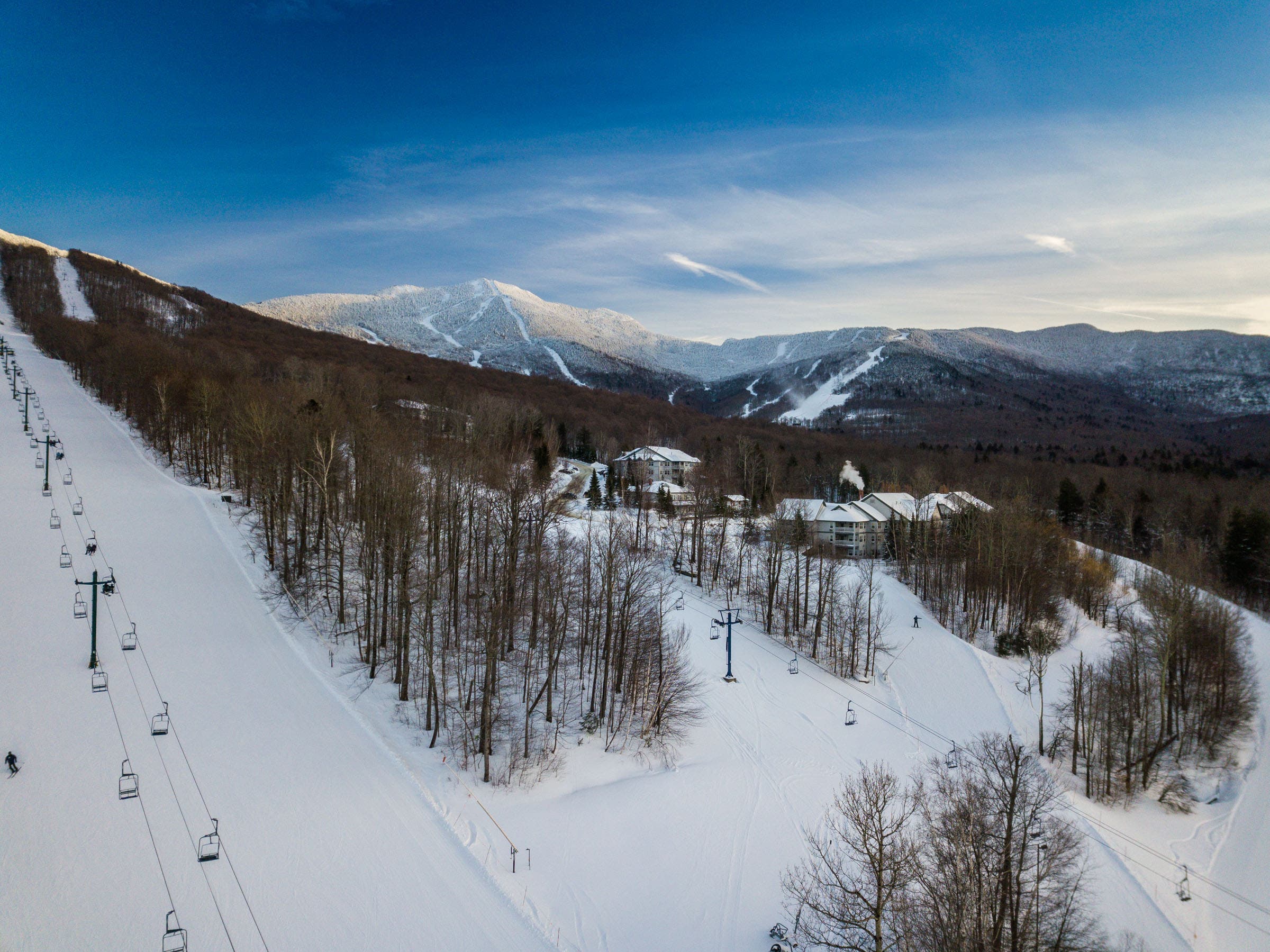
Crowning the list as the undisputed champion of value in the East is Vermont’s iconic Mad River Glen. This co-operatively owned mountain is legendary for its "Ski It If You Can" motto, its single chairlift, and its unwavering commitment to preserving a classic ski experience. Its strengths in "Local Flavor" and "Challenge" are paramount, attracting a dedicated community of skiers who cherish its ungroomed, natural terrain. While "Grooming" and "Lifts" (specifically, the slow pace of its iconic single chair) are listed as weaknesses, these are often seen as integral parts of its charm and identity. The ski school is celebrated as an "amazing value," teaching "proper (nearly forgotten) ski etiquette." The mountain’s food is described as "real and reasonable, fresh and freshly cooked," and its pub music is "local, great, and connected to the mountain." For many, Mad River Glen is more than just a ski resort; it’s a "happy place," a testament to the enduring appeal of authenticity, community, and challenging skiing at an unbeatable value.
Implications for the Ski Industry and Future of Winter Sports
The SKI magazine 2027 rankings serve as a powerful reminder of the evolving landscape of winter sports. As major resorts continue to push the boundaries of pricing, the demand for value-oriented options grows stronger. The success of these East Coast resorts, many of which are independently owned or operated, highlights a significant market segment that prioritizes the core skiing experience, community, and affordability over extensive luxury amenities or high-speed infrastructure.
This trend suggests a bifurcated future for the ski industry: on one hand, the large destination resorts will continue to cater to those seeking a premium, all-inclusive experience; on the other, smaller, value-driven mountains will thrive by cultivating a distinct identity, fostering a strong sense of community, and maintaining accessible price points. For families and casual skiers, these value resorts offer a vital pathway to continue enjoying a beloved winter activity without financial strain. Their emphasis on "local flavor," "family-friendliness," and authentic mountain experiences represents a powerful counter-narrative to the increasing commercialization of the sport. As winter enthusiasts plan their 2027 adventures, these top value resorts in the East provide compelling reasons to explore options beyond the most publicized and priciest destinations, ensuring the joy of skiing remains within reach for a broader audience.
