

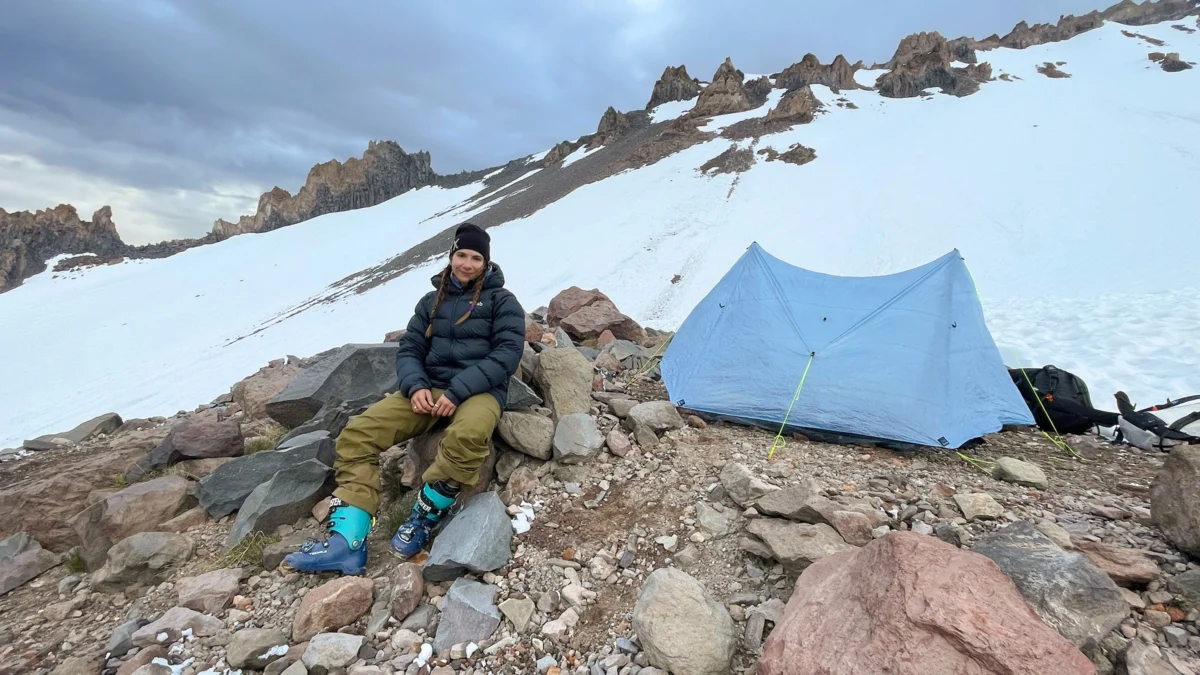
An experienced skier’s multi-year, multi-country search for properly fitting ski boots underscores a significant challenge within the winter sports industry, revealing the intricate complexities of foot biomechanics and equipment design. The individual’s extensive efforts, spanning consultations with bootfitters in at least seven states and two countries, visits to medical specialists including an orthopedic doctor, three acupuncturists, and two physical therapists, and even seeking help from a stranger operating out of a garage, ultimately culminated in a successful, albeit arduous, resolution. This extraordinary journey serves as a compelling case study, illustrating the profound impact of proper boot fit on skier performance and comfort, and highlighting the critical, often overlooked, role of highly specialized bootfitting expertise in addressing challenging anatomical variations. The narrative emphasizes that for some, the quest for a pain-free ski experience demands persistence, unconventional approaches, and the discernment to identify truly exceptional craftsmen within the bootfitting community.
The Persistent Challenge of Ski Boot Fit
For many avid skiers, the pursuit of the perfect turn is inextricably linked to the foundation of their equipment: ski boots. Unlike other gear, boots are a direct interface between the skier’s body and the skis, transmitting every nuance of movement and intention. Consequently, an improper fit can lead to a litany of issues, ranging from mild discomfort and reduced performance to severe pain, chronic injuries, and even the premature cessation of a beloved sport. Industry reports and anecdotal evidence consistently suggest that a significant percentage of skiers, estimated to be upwards of 60-70% by some bootfitting professionals, experience some form of discomfort related to their ski boots. This widespread issue is attributed to the inherent variability of human foot anatomy, which rarely conforms perfectly to mass-produced boot shells, even with modern manufacturing precision.
A Decade of Discomfort: The Skier’s Early Struggles
The subject’s struggle began early, rooted in a common scenario for many young enthusiasts: reliance on hand-me-down equipment. From ages two through 22, the individual wore ski boots inherited from older brothers. While economical, this practice often results in oversized or ill-fitting boots, which can hinder skill development, create compensatory movement patterns, and mask underlying anatomical needs. These early experiences, characterized by sliding feet within loose shells, laid the groundwork for years of subsequent fit issues. The lack of proper support and control during formative years of skiing can lead to long-term biomechanical inefficiencies, making the transition to performance-oriented boots particularly challenging.
The individual’s entry into the ski industry provided the first catalyst for change. While at a media event in Big Sky, Montana, a representative from Nordica observed the skier’s decade-old, oversized boots (size 26.5) and immediately identified a significant fit problem. This encounter led to a professional measurement and a recommendation for a downsized pair of 25.5 Nordica Promachines. The initial experience with a more appropriately sized boot was transformative, delivering improved power transfer, a more aggressive stance, and enhanced control. However, this breakthrough was short-lived, quickly giving way to a severe case of tendonitis in the ankles and shins. This paradoxical outcome—improved performance coupled with debilitating pain—underscored the complex interplay between boot volume, shell stiffness, and individual foot anatomy, revealing that simply downsizing might address one problem while inadvertently creating another.
Seeking Medical and Retail Interventions
The onset of excruciating, day-ending pain prompted the skier to seek medical intervention. Over two seasons, the pain escalated to the point where full days of skiing became impossible. Recognizing the direct correlation between the pain and the ski boots, the individual consulted an orthopedic foot and ankle specialist, bringing both alpine and touring boots to the appointment to provide comprehensive context. The physician, while understanding the nature of ski boots, ultimately confirmed that there were no serious underlying medical issues requiring surgical or intensive pharmacological intervention. This diagnosis effectively redirected the focus back to the equipment, validating the skier’s conviction that the boots themselves were the primary culprit.
Further medical consultations included three acupuncturists and two physical therapists, each offering various treatments and exercises aimed at alleviating the persistent tendonitis and associated discomfort. While these therapies provided temporary relief and strategies for managing symptoms, they did not address the root cause: the fundamental incompatibility between the skier’s feet and the boot shells. This extensive medical exploration, costing significant time and resources, highlighted the common trajectory for skiers with chronic fit issues – exhausting conventional medical avenues before fully committing to the often-iterative and specialized process of bootfitting. Medical professionals, while adept at treating symptoms, often rely on bootfitters to resolve the underlying mechanical issues.
The Quest Intensifies: Beyond Conventional Solutions
With medical options exhausted, the focus shifted entirely to dedicated bootfitting efforts. The skier became a frequent patron of specialized ski shops, attempting various modifications and boot models.
Unconventional Approaches and Initial Breakthrough
The owner of Santa Fe’s primary dedicated ski shop further sized down the skier into a stiff 24.5 Fischer boot. While this approach aimed to reduce internal movement, it introduced new problems, creating simultaneous sensations of looseness and crushing pressure, leading to numbness. The shop’s flexible return policy, allowing the return of the unsuitable boots, highlighted the iterative and often trial-and-error nature of bootfitting for difficult cases. This experience crystallized the central dilemma: boots comfortable enough to prevent nerve pain were too large, causing tendonitis, while boots small enough to prevent tendonitis caused bunions and nerve compression.
The search continued at Taos Bootdoctors, renowned for their expertise. Here, a dedicated team of bootfitters engaged in a painstaking process of expanding the forefoot of the boots. This involved repeated visits after short ski sessions, each time seeking incremental adjustments—just a few more millimeters of space. The skier’s efforts to cultivate a positive relationship with the staff, including bringing six-packs as a gesture of appreciation, underscored the personal investment required in such a prolonged process. Despite the staff’s commendable patience and dedication, the pain persisted, preventing full days of skiing without significant discomfort.
The severity of the pain eventually necessitated unconventional measures even on the slopes. During multi-day hut trips and extended backcountry tours, the skier was compelled to institute "boots-off breaks" in the middle of eight-hour ski days. This involved carefully removing the boots and propping the feet on a backpack in the snow, a temporary but desperate reprieve from the relentless pressure. Such actions, while offering momentary relief, disrupted the group’s rhythm and highlighted the debilitating nature of the unresolved fit issues, effectively limiting participation in the very activity the boots were meant to facilitate.
A turning point came with a rumor about a highly specialized individual in Seattle who operated out of his garage, known for his willingness to perform "unorthodox" modifications. His reputation for custom-fitting plug boots for ski racers, a segment of the sport demanding the most precise and aggressive fits, offered a beacon of hope. During a family visit to Washington, the skier brought both pairs of boots to this individual. After a thorough assessment of the feet and a patient listening session, the bootfitter outlined a comprehensive plan involving custom devices and techniques the skier had never encountered. Overnight, both pairs of boots were reshaped, undergoing significant and precise modifications. The result was immediate and profound: the skier reported being able to ski 12-hour backcountry days and countless resort laps without pain. This initial success validated the pursuit of highly specialized, often independent, experts. However, this triumph was tempered by the bootfitter’s subsequent retirement, plunging the skier back into uncertainty.
Setbacks and the Renewed Search
The retirement of the successful bootfitter marked a significant setback. When the touring boots began to wear out, the search for a replacement pair proved as challenging as the initial quest. The experience took on almost mythical proportions, with the skier describing feelings akin to the "princess with a pea" or an "ugly stepsister" struggling with an ill-fitting slipper. Despite the previous success with customized Tecnica boots, finding a compatible off-the-shelf replacement proved impossible.
The individual embarked on an exhaustive search, trying on every touring boot available at ski shops across three states. This was supplemented by ordering over a dozen pairs online, meticulously checking return policies, which temporarily led to a "very scary" credit card bill due to the sheer volume of purchases. This extensive trial-and-error process, a testament to the individual’s persistence and desperation, ultimately yielded no suitable replacements. Faced with this renewed impasse, the skier eventually returned to the old, worn Tecnica models, two full seasons into the replacement search, signifying the extreme difficulty in finding a comparable fit without specialized intervention.
The consequences of holding onto aging equipment due to fit constraints became starkly evident during a trip to Rogers Pass in British Columbia. On the third day of the trip, the tired old touring boots suffered a catastrophic failure: the upper cuff broke clean off the bottom section. While fortunately only a few hundred yards from the truck, this incident resulted in an entire day spent at the trailhead, unable to ski. Simultaneously, the alpine boots had also begun to warp from extensive use and modifications. This dual equipment failure brought the skier back to square one in New Mexico, with two non-fitting pairs of boots, dwindling patience, and no readily available expert bootfitter. The prospect of quitting skiing entirely began to be seriously considered.
The Role of Specialized Bootfitting Expertise
The protracted struggle underscores the profound importance of highly specialized bootfitting expertise, particularly for individuals with complex foot anatomies. While many ski shops offer basic bootfitting services, the level of customization required for challenging cases often transcends standard retail capabilities.
The Anatomy of a Perfect Fit: Why it Matters
A perfectly fitted ski boot is not merely about comfort; it is a critical component of safety, performance, and injury prevention. The human foot is a complex structure, comprising 26 bones, 33 joints, and over 100 muscles, tendons, and ligaments. Variations in arch height, forefoot width, heel shape, ankle flexibility, and the presence of conditions like bunions, bone spurs, or high insteps mean that no two feet are identical. Standard boot shells, designed for an "average" foot, often fail to accommodate these individual differences, leading to pressure points, numbness, nerve impingement, and instability.
Proper boot fit ensures optimal power transmission from the skier’s leg to the ski, allowing for precise control and efficient energy transfer. It stabilizes the foot and ankle, preventing excessive movement within the boot that can lead to blisters, chafing, and tendonitis. Moreover, a well-fitted boot maintains the foot in a neutral, biomechanically advantageous position, reducing strain on joints and ligaments and mitigating the risk of common skiing injuries, such as ACL tears, ankle sprains, and shin bang. Conversely, ill-fitting boots can cause fatigue, diminish responsiveness, and create a painful experience that detracts from the joy of skiing.
The Rise of Independent "Mad Scientists"
The success stories in this case, and many others like it, point to a niche but vital segment of the bootfitting industry: highly skilled, often independent, "mad scientists" who operate outside the conventional retail model. These individuals possess a unique blend of anatomical knowledge, mechanical aptitude, and an encyclopedic understanding of boot construction and materials. Their expertise extends far beyond basic heat molding or shell punches; they are capable of extensive, often irreversible, modifications to boot shells, liners, and footbeds.
These specialists frequently employ advanced techniques such as custom grinding, intricate shell stretching, localized heating and cooling processes, and precise foam injection to create a truly bespoke fit. They understand how to manipulate plastic and foam to accommodate specific bone structures, nerve pathways, and pressure points, effectively tailoring the boot to the foot rather than forcing the foot into the boot. Their diagnostic process is often holistic, considering not just static foot measurements but also dynamic movements, posture, and the skier’s specific goals and challenges. The ability of these "garage gurus" to perform such transformative work, often using specialized tools and a deep well of experience, highlights a critical gap that mainstream retail, with its focus on volume and standardized procedures, may struggle to fill for the most challenging cases.
Broader Implications for the Ski Industry and Enthusiasts
The skier’s protracted struggle and ultimate success carry significant implications for both consumers and the broader ski industry. It underscores the importance of consumer education, the recognition of specialized skills, and the potential for innovation in addressing a pervasive problem.
Financial and Emotional Toll on Skiers
The financial and emotional toll on skiers facing chronic boot fit issues can be substantial. The subject’s journey involved multiple boot purchases, travel expenses across states and countries, and numerous consultations with medical professionals and bootfitters. While exact figures are not provided, such an extensive process can easily amount to thousands of dollars over several years, representing a significant investment for an optimal outcome. Beyond the monetary cost, the emotional burden of persistent pain, frustration, and the fear of missing out on ski days is immense. The consideration of quitting the sport, a sentiment echoed by other experienced skiers facing similar issues, illustrates the depth of this impact. This highlights a need for better initial guidance and access to high-level bootfitting to mitigate these costs and preserve participation in the sport.
Bridging the Gap: The Future of Bootfitting
The consistent success found with independent, highly specialized bootfitters suggests a potential area for growth and recognition within the ski industry. While large retailers offer convenience and selection, the nuanced and labor-intensive nature of truly custom bootfitting often requires a different business model. Industry leaders and manufacturers increasingly acknowledge the indispensable role of expert bootfitters in maximizing product performance and customer satisfaction. There is a growing conversation around how to bridge the gap between mass-produced boots and individual anatomical needs, perhaps through more advanced diagnostic technologies like 3D foot scanning, AI-driven fit recommendations, or modular boot designs that allow for greater customization at the point of sale. However, even with technological advancements, the human element—the diagnostic skill, tactile expertise, and experience of a seasoned bootfitter—is likely to remain irreplaceable for complex cases.
Conclusion: A Testament to Persistence
The skier’s journey culminated in a second successful intervention with another "fit-obsessed industry veteran" operating from a home workshop in western Washington. This bootfitter meticulously listened to the detailed history of issues and then undertook an extensive overhaul of both pairs of boots, tirelessly stretching the forefoots to provide the necessary room and reshape the shells to a generous, wide profile. The relief experienced after testing these newly modified boots was immediate and profound, allowing for pain-free skiing once again. This final resolution, mirroring the success of the first garage bootfitter, reinforces the critical role of these specialized experts.
This multi-year odyssey serves as a powerful testament to persistence and a beacon of hope for other skiers plagued by chronic boot fit issues, including those with bone spurs, high insteps, or wide feet. It underscores that while the journey may be long and arduous, and may require unconventional paths, a solution often exists. The narrative is a reminder that the right bootfitter, often possessing a "mad scientist" approach to customization, can fundamentally transform the skiing experience, ensuring comfort, enhancing performance, and extending a skier’s participation in the sport they love. The only remaining concern, a recurring theme in this specialized niche, is the sustainability of such expertise—a reliance on individuals whose unique skills are invaluable but whose careers, like all others, eventually come to an end.
