

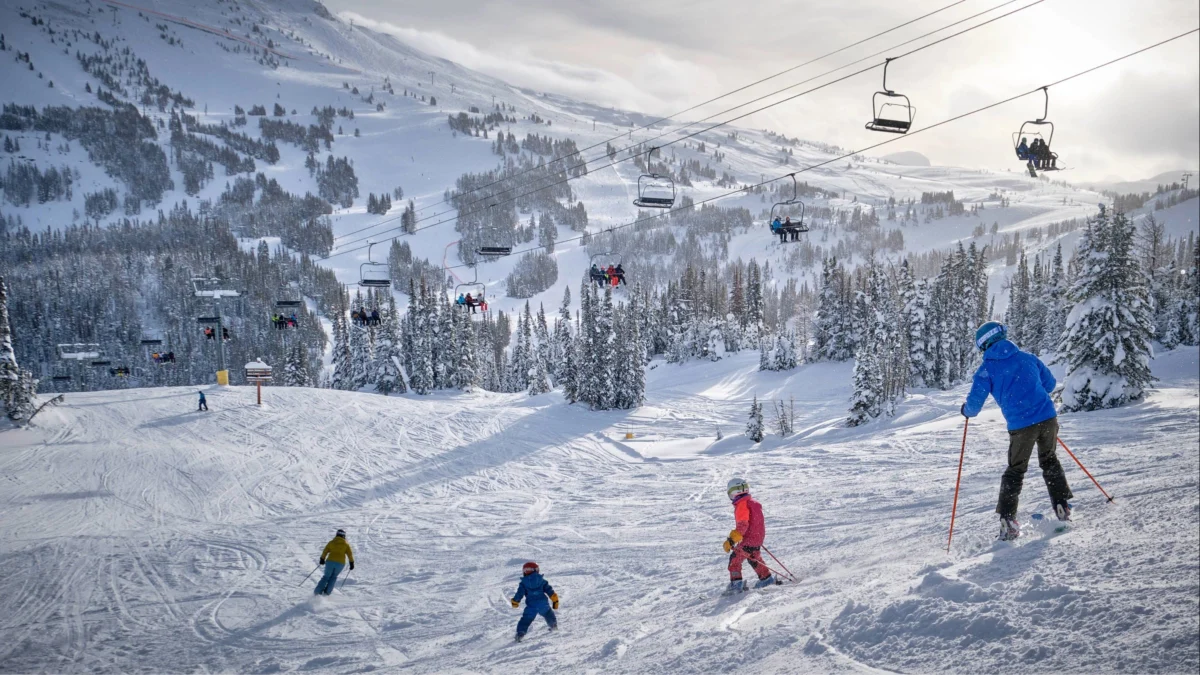
Banff Sunshine Village, situated in the heart of the Canadian Rockies within the protected boundaries of Banff National Park, has reinforced its position as a primary destination for multi-generational winter sports tourism. By prioritizing a balanced distribution of terrain across three distinct mountains and offering a comprehensive suite of educational and hospitality services, the resort is addressing a growing demand for "longevity-based" family travel. This approach focuses on providing environments where novice skiers can transition into expert terrain within the same geographical footprint, thereby fostering a lifelong connection to the sport and the region. Spanning more than 3,500 acres of skiable terrain, the resort’s strategic layout allows families of varying skill levels to remain in close proximity while pursuing different technical challenges.
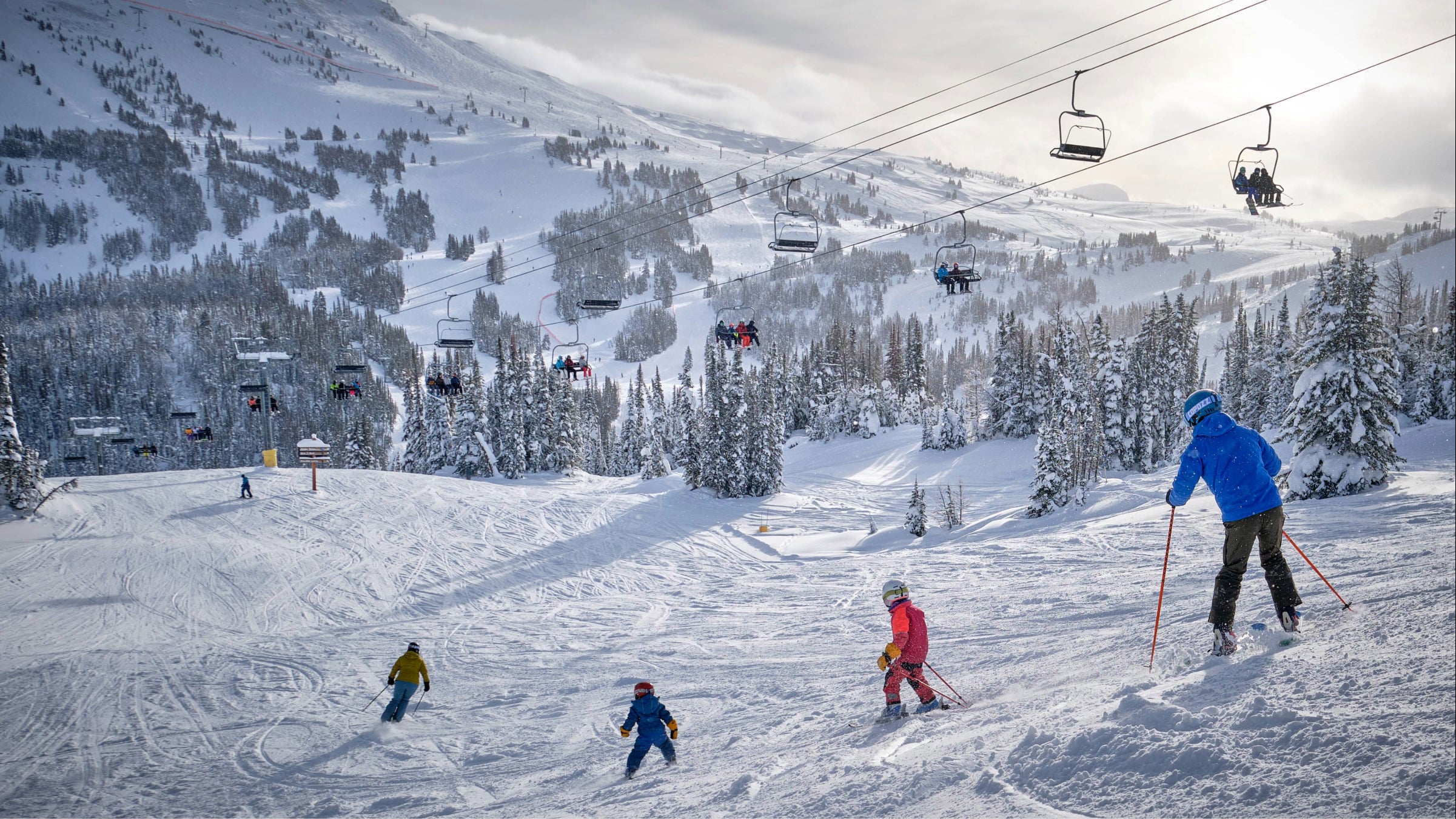
The resort’s unique topographical profile, which straddles the Continental Divide, provides a natural laboratory for skill progression. Industry analysts note that the modern ski market has shifted away from a singular focus on "vertical feet" and toward "experience-based" metrics. For families, this translates to a requirement for terrain that is both safe for beginners and sufficiently complex for advancing intermediates. Banff Sunshine Village meets this requirement by utilizing its lower-mountain geography, specifically around the Wolverine and Jackrabbit chairlifts, to create a "playful terrain" environment. These areas are designed to facilitate natural learning through features like gentle rollers and accessible glades, which subconsciously improve balance and edge control without the pressure of formal instruction.
Historical Context and Geographical Significance
Banff Sunshine Village occupies a singular place in North American ski history. Originally discovered by outfitters in the early 20th century, the area was first utilized for winter recreation in the 1920s. By the 1930s, the first permanent structures were established, marking the beginning of what would become one of Canada’s most iconic alpine destinations. Because the resort is located within a UNESCO World Heritage site, its development has been governed by stringent environmental regulations managed by Parks Canada. This has resulted in a resort footprint that prioritizes the preservation of the natural landscape, a factor that contributes significantly to its aesthetic appeal and the quality of its "all-natural" snowpack.
The resort is located approximately 90 minutes west of Calgary, making it a critical economic driver for the Alberta tourism sector. Unlike many North American resorts that rely heavily on artificial snowmaking, Sunshine Village’s high base elevation—at 7,082 feet (2,159 meters)—allows it to depend almost exclusively on natural precipitation. This high-altitude positioning ensures that the resort maintains the longest non-glacier ski season in Canada, typically extending from early November through late May. This extended season provides families with a wider window for travel, easing the logistical pressures often associated with peak-season winter vacations.
Strategic Terrain Distribution and Technical Specifications
The technical layout of Banff Sunshine Village is divided across three main peaks: Lookout Mountain, Standish Mountain, and Goat’s Eye Mountain. The distribution of runs is statistically weighted to accommodate a broad demographic of skiers and snowboarders. Approximately 25% of the terrain is classified as beginner, 45% as intermediate, and 30% as advanced or expert. This distribution is critical for family groups where parents and children often occupy different tiers of technical ability.
On Lookout Mountain, the Great Divide chairlift carries skiers to an elevation of 8,954 feet (2,730 meters), offering expansive views of the surrounding peaks, including Mount Assiniboine. While this area features challenging high-alpine bowls, it also provides access to long, groomed intermediate runs that allow families to descend together from the summit. Meanwhile, Goat’s Eye Mountain offers a steeper, more rugged experience, catering to those seeking "big mountain" adventures. The presence of such diverse options within a single resort boundary reduces the "skill gap friction" that often leads families to split up during their vacations.
To support this terrain, the resort has invested in modern lift infrastructure. A notable example is the Teepee Town LX, Canada’s first heated-seat chairlift, which features orange bubble covers to protect skiers from the elements. Such investments are part of a broader strategy to improve "dwell time" on the mountain by increasing comfort, particularly for younger skiers who are more susceptible to cold temperatures.
Educational Framework and Safety Initiatives
A core component of the resort’s family-centric model is the Sunshine Ski & Snowboard School. Rather than focusing solely on basic maneuvers, the school has expanded its curriculum to include freeride skills and mountain safety fundamentals. For families with children moving into the intermediate and advanced categories, these specialized programs are essential for ensuring a safe transition to more complex terrain.
The resort’s "beacon training area" serves as a controlled environment where guests can learn the basics of avalanche safety and the use of transceiver technology. This initiative reflects a broader industry trend toward "backcountry literacy," where resorts provide the tools for skiers to understand mountain risks before they venture into unmanaged areas. By integrating these safety lessons into the family experience, the resort positions itself as an educational institution as much as a recreational one.
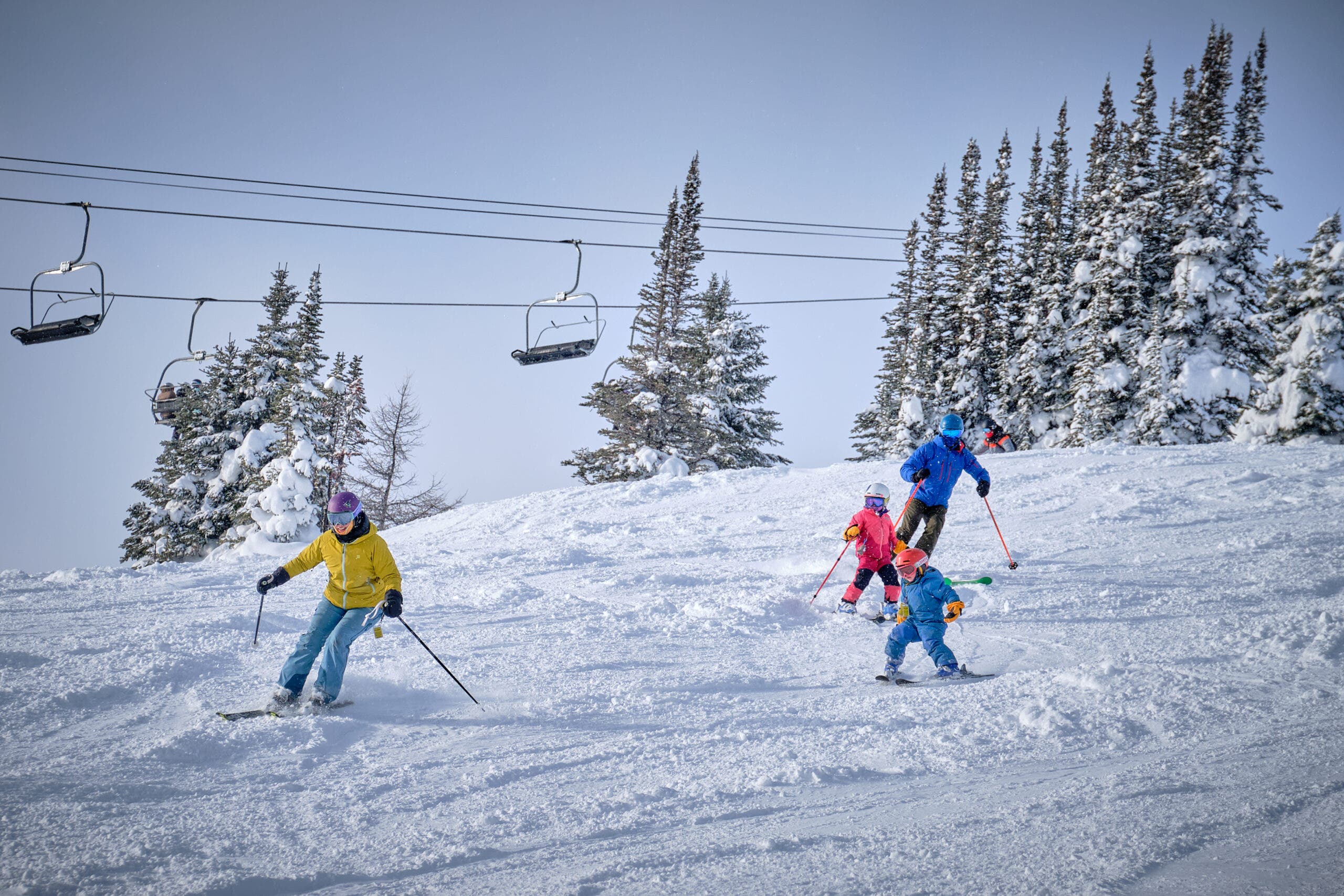
Statements from resort representatives emphasize that the goal of their instructional programs is to build "mountain confidence." This involves teaching students how to read terrain, understand snow conditions, and make informed decisions on the slopes. For parents, this provides peace of mind as their children begin to explore the more challenging glades of the Wolverine area or the rollers of the "Kids Play" zones.
Slopeside Infrastructure and Economic Impact
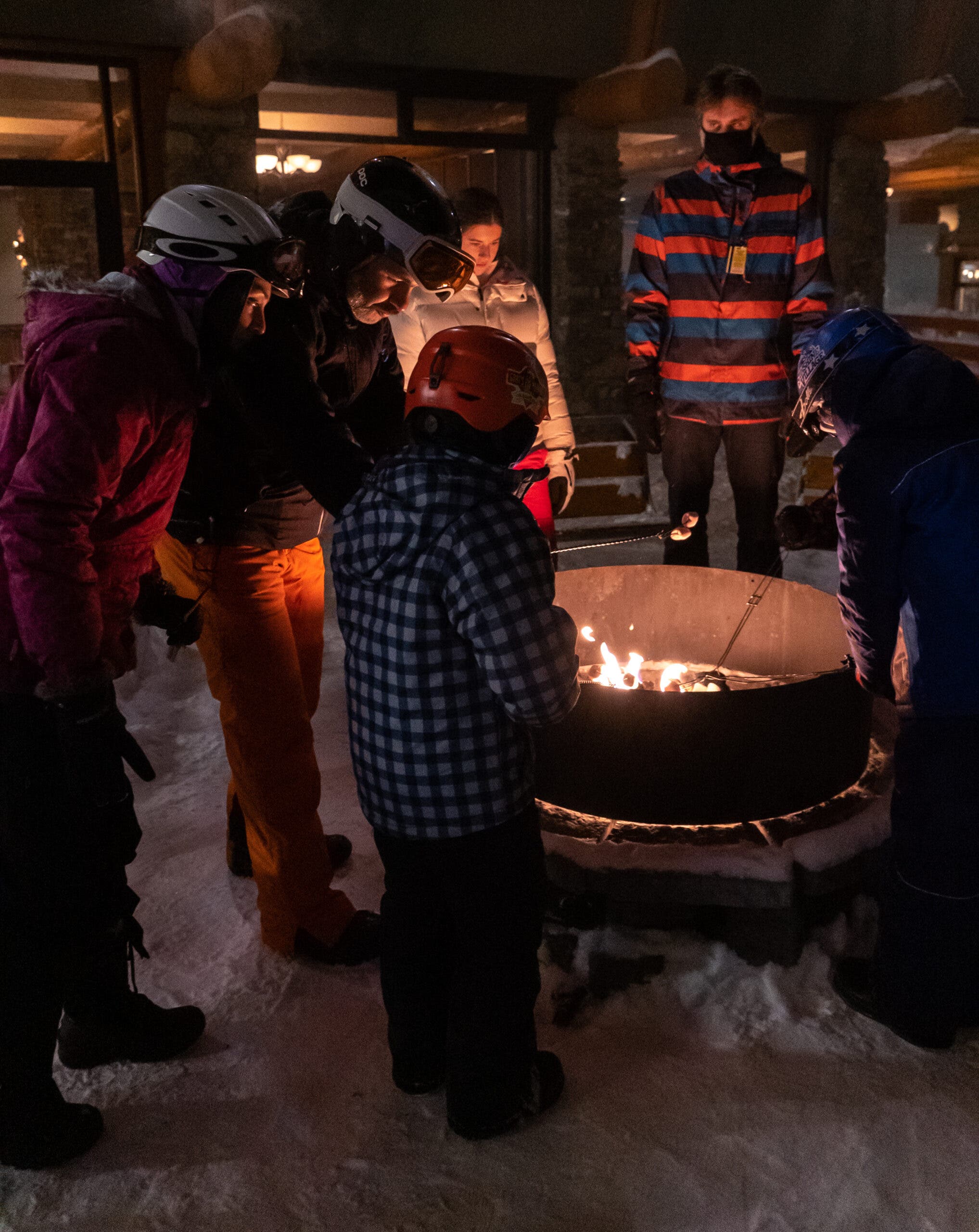
The Sunshine Mountain Lodge remains the only ski-in, ski-out accommodation within Banff National Park. This exclusivity provides a significant logistical advantage for families. By eliminating the need for a daily commute from the town of Banff, the lodge allows for a more "immersive" mountain experience. The transition from the slopes to evening activities is seamless, featuring a range of family-oriented programming including tobogganing, movie nights, and the resort’s signature nightly s’mores by the firepit.
The economic implications of this slopeside model are substantial. Destination visitors who stay on-mountain tend to have a higher "per-capita spend" on ancillary services such as dining, rentals, and private lessons. Furthermore, the presence of the lodge supports year-round employment within the park, contributing to the stability of the local labor market. The lodge also serves as a hub for the resort’s environmental initiatives, utilizing energy-efficient systems to minimize the ecological footprint of guest stays in the sensitive alpine environment.
Environmental Stewardship and Future Outlook
As climate change continues to impact the global ski industry, high-altitude resorts like Banff Sunshine Village are increasingly viewed as "climate-resilient" destinations. The resort’s ability to maintain a consistent snowpack through May is a result of its unique microclimate and elevation. However, operating within a National Park requires a high level of environmental accountability. The resort works in close coordination with Parks Canada to manage wildlife corridors, water usage, and waste reduction.
Looking toward the future, the resort’s management has indicated a commitment to "sustainable growth." This involves upgrading existing infrastructure to improve efficiency rather than drastically expanding the resort’s physical footprint. The focus remains on optimizing the guest experience through technology—such as digital ticketing and real-time lift line monitoring—while preserving the "rugged, natural feel" that defines the Canadian Rockies.
Broader Implications for the Ski Industry
The success of the Banff Sunshine Village model provides a blueprint for other mountain resorts facing changing consumer preferences. The emphasis on "growing with the family" suggests that long-term loyalty is built not through extreme terrain alone, but through a thoughtful progression of experiences. By providing a safe environment for beginners (such as the Jackrabbit area) and elite challenges for experts (such as the Delirium Dive freeride zone), the resort captures a wide market share.
Furthermore, the integration of "off-slope" fun—hot tub bingo, s’mores, and communal dining—addresses the needs of the "non-skier" or the "resting skier" within a family group. This holistic approach ensures that the mountain holiday is perceived as a comprehensive vacation rather than a singular athletic pursuit.
In conclusion, Banff Sunshine Village’s blend of natural advantages, strategic terrain management, and high-quality hospitality confirms its status as a cornerstone of the Canadian winter tourism industry. As it enters the 2026/2027 season, the resort continues to demonstrate that the most successful family destinations are those that offer both a place to start and a place to aspire to, ensuring that the "family ski day" evolves into a multi-generational tradition. With its commitment to safety, education, and environmental integrity, Sunshine Village remains a vital asset to Banff National Park and a premier destination for skiers worldwide.
