

The outdoor recreation industry, a sector now valued at approximately $1.3 trillion in the United States, is increasingly positioning itself at the forefront of the global climate movement. Protect Our Winters (POW), a nonprofit organization founded in 2007 by professional snowboarder Jeremy Jones, has released a comprehensive overview of its strategic framework, emphasizing a shift from individual lifestyle changes to large-scale systemic reform. As winter temperatures fluctuate around the critical freezing point, the organization argues that the future of the outdoor economy depends on aggressive decarbonization and the mobilization of a specialized demographic: the millions of skiers, climbers, trail runners, and mountain bikers who witness the impacts of a warming planet firsthand.

The central thesis of the POW strategy is that the outdoor community possesses a unique form of "social currency" that can be leveraged to create political will. By moving beyond individual guilt regarding carbon footprints—such as travel, gear manufacturing, and vehicle emissions—the organization focuses on collective advocacy to alter the systems that govern energy production and land use. This approach is rooted in the understanding that while individual actions are noteworthy, the scale of the climate crisis requires structural changes in policy, infrastructure, and investment.
Historical Context and the Evolution of POW
Protect Our Winters was established during a period of growing awareness regarding the vulnerability of snowpacks in the Northern Hemisphere. Jeremy Jones, observing the receding glaciers and shortening winters during his professional snowboarding career, bet on the idea that outdoor enthusiasts could become a powerful political constituency. Since its inception nearly two decades ago, the organization has expanded its scope from a snow-centric focus to a broader coalition that includes various outdoor disciplines, scientists, storytellers, and corporate partners.
The evolution of the organization mirrors a broader shift in the environmental movement. In the early 2000s, much of the discourse centered on individual conservation efforts. However, by 2010, as U.S. carbon emissions began a gradual decline despite economic growth, the focus shifted toward the scalability of renewable energy and the necessity of federal policy. POW’s growth has tracked this timeline, moving from awareness campaigns to sophisticated grassroots organizing in key geographic regions, including the Intermountain West and New England.
The Economic and Scientific Imperative
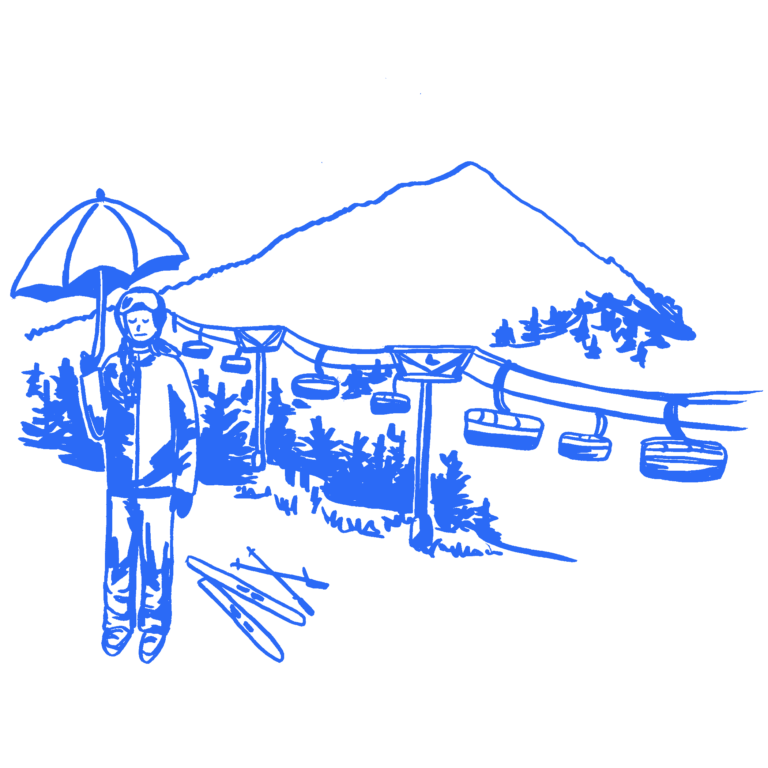
The urgency of POW’s mission is underscored by the narrow margins of mountain meteorology. The organization frequently highlights the "single degree" threshold: at 31 degrees Fahrenheit, a mountain experiences a powder day that supports local tourism and ecosystems; at 32 degrees, that same precipitation turns to rain, degrading the snowpack and threatening the economic stability of mountain towns.
Supporting data suggests that the outdoor recreation economy is not merely a niche interest but a major driver of the U.S. Gross Domestic Product (GDP). According to the Bureau of Economic Analysis, outdoor recreation accounts for nearly 2% of the national GDP, surpassing sectors such as agriculture and mining in many states. This economic weight provides the "outdoor state"—a metaphorical representation of the millions of recreationists—with significant leverage when engaging with policymakers in Washington, D.C., and state capitals.
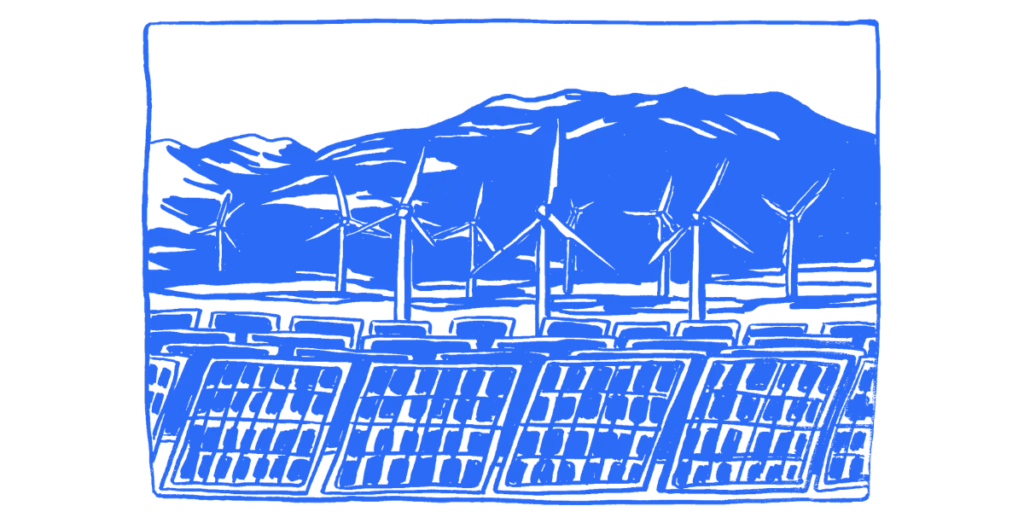
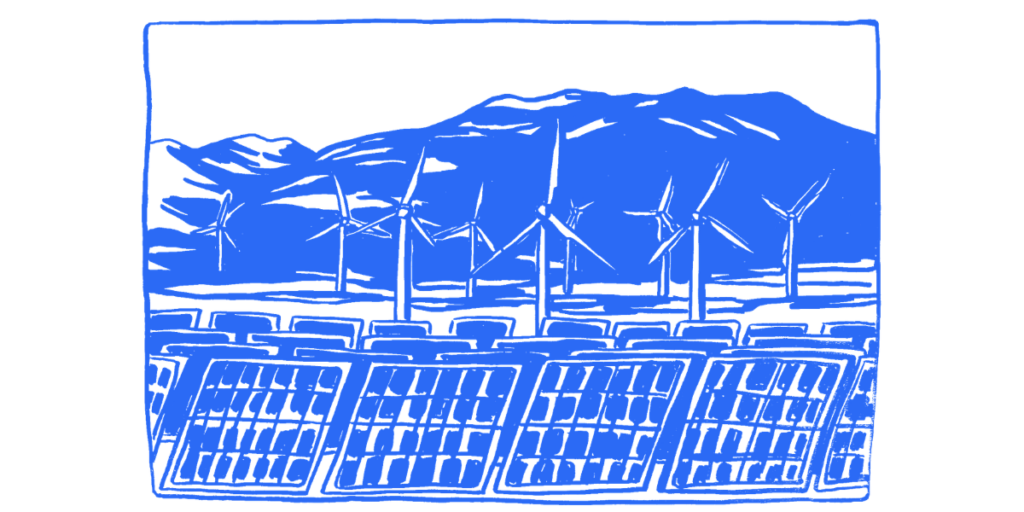
Furthermore, the plummeting cost of renewable energy has changed the feasibility of rapid decarbonization. Solar energy costs have decreased by approximately 90% over the last 15 years, making it the most scalable and cost-effective form of new electricity generation. In 2025 and 2026, wind, solar, and battery storage accounted for 93% of all new electricity capacity added to the U.S. grid. POW has integrated these data points into its advocacy, framing the transition to clean energy as an economic and practical necessity rather than a purely ideological one.

Strategic Pillars: Defend, Build, and Shift
To achieve its goals, POW operates under three primary pillars of work designed to address the multifaceted nature of the climate crisis.
1. Defending Public Lands and Carbon Sinks
Public lands serve as both recreational playgrounds and vital carbon sinks. POW’s advocacy focuses on preventing the expansion of fossil fuel extraction on federal lands while promoting the permitting of renewable energy projects. This includes high-profile defense of regions like the Arctic National Wildlife Refuge and Bears Ears National Monument. The organization argues that the policy governing these lands determines whether the U.S. continues to rely on "old carbon" or transitions to a landscape that supports both biodiversity and clean energy.

2. Building Clean Energy Infrastructure
The transition to a decarbonized economy requires a massive overhaul of the electrical grid, transportation systems, and industrial processes. POW has set ambitious targets for clean energy deployment, aiming to realize a full gigawatt (GW) of new renewable capacity by 2028. As of late 2026, the organization has assisted in the realization of 297 megawatts (MW) through community-led initiatives in states like Montana, Nevada, and Colorado. These efforts often involve navigating complex local permitting processes and advocating for tax credits and deployment incentives that make renewable projects viable.
3. Shifting Political Will and Voter Engagement
Perhaps the most critical aspect of the POW strategy is the mobilization of the "non-voting" outdoor enthusiast. In recent federal elections, POW’s get-out-the-vote (GOTV) initiatives reached an estimated 7.5 million people. The goal is to translate shared passion for the outdoors into a shared responsibility at the ballot box. By training athletes and influencers to act as "trusted messengers," the organization seeks to normalize climate advocacy, making it a standard expectation for anyone who participates in outdoor sports.
Recent Milestones and Grassroots Impact
The impact of this organized advocacy was notably visible during the summer of 2026. At a Montana Public Service Commission hearing regarding long-term resource planning, representatives from POW traveled significant distances to participate. Reports indicate that POW advocates comprised nearly one-third of the attendees, a turnout that signals a growing willingness among recreationists to engage in the "thankless work" of local governance and utility regulation.
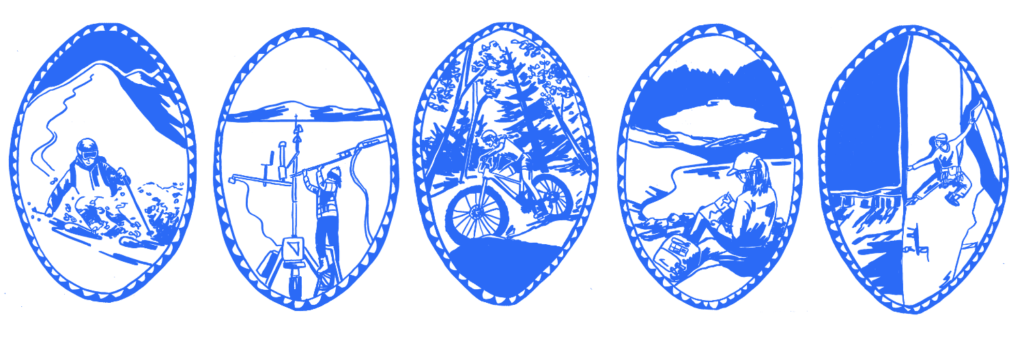
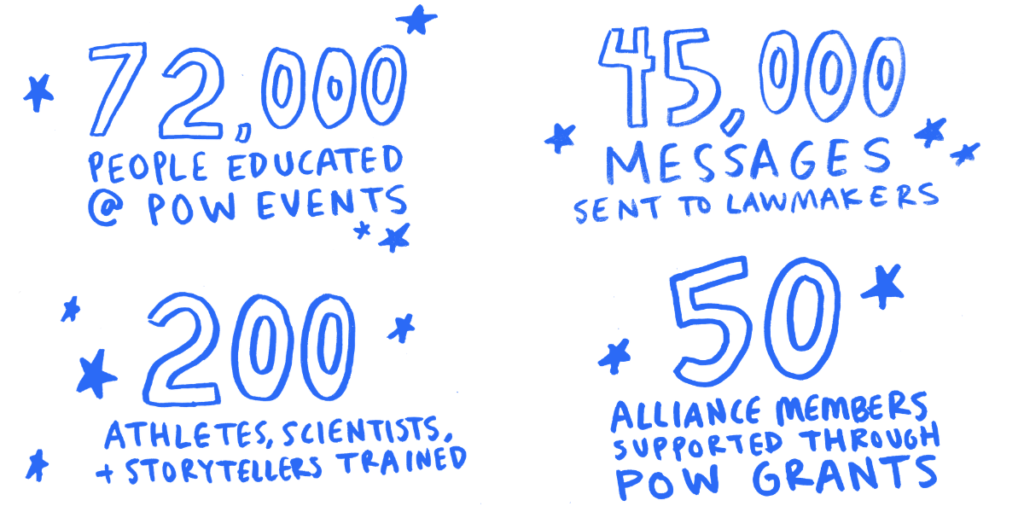
In the past year alone, the organization trained 200 "Alliance" members—including professional athletes, scientists, and creatives—to lead independent climate projects. These members executed over 600 distinct actions, ranging from educational outreach to direct legislative advocacy. On a broader scale, POW hosted 150 events that drew 72,000 in-person participants, while their digital storytelling reached an audience of 36 million.

Analysis of Implications and Future Outlook
The broader implication of POW’s work is the potential for a "new normal" in American culture. The organization draws a parallel between climate action and historical shifts in social norms, such as the adoption of ski helmets or the implementation of smoking bans in public spaces. These changes, once viewed as radical or unnecessary, became standard practice through consistent cultural signaling and policy reinforcement.
If POW successfully normalizes climate advocacy within the $1.3 trillion outdoor sector, it could create a durable political bloc that transcends traditional partisan divides. The organization emphasizes a non-partisan approach, focusing on clean air, clean water, and healthy landscapes—values that a large majority of Americans support. Recent polling cited by the organization indicates that 76% of Americans want to understand how climate change affects their cost of living, and a significant majority supports increased investment in renewable energy.
However, the challenges remain formidable. Fossil fuel interests continue to exert significant influence over the political process, often outspending environmental groups in election cycles. POW’s operational budget, while growing, remains a fraction of the capital available to the traditional energy sector. The organization acknowledges that it cannot take sole credit for environmental wins, as movement building is inherently a collective effort.
Conclusion
The transition toward a fossil-fuel-free world is no longer viewed by the outdoor community as an optional endeavor but as a prerequisite for the survival of their way of life. As the industry moves toward 2028, the focus will remain on scaling clean energy, defending critical landscapes, and ensuring that the millions of people who "play outside" are also the ones protecting the environment. The ultimate goal, as envisioned by POW, is a future where the trailheads are filled with electric vehicles and the mountains are preserved for future generations to ski, run, and climb. The organization maintains that while the task is significant, the climate crisis is a solvable problem, provided that the outdoor community continues to pull in a unified direction.
