

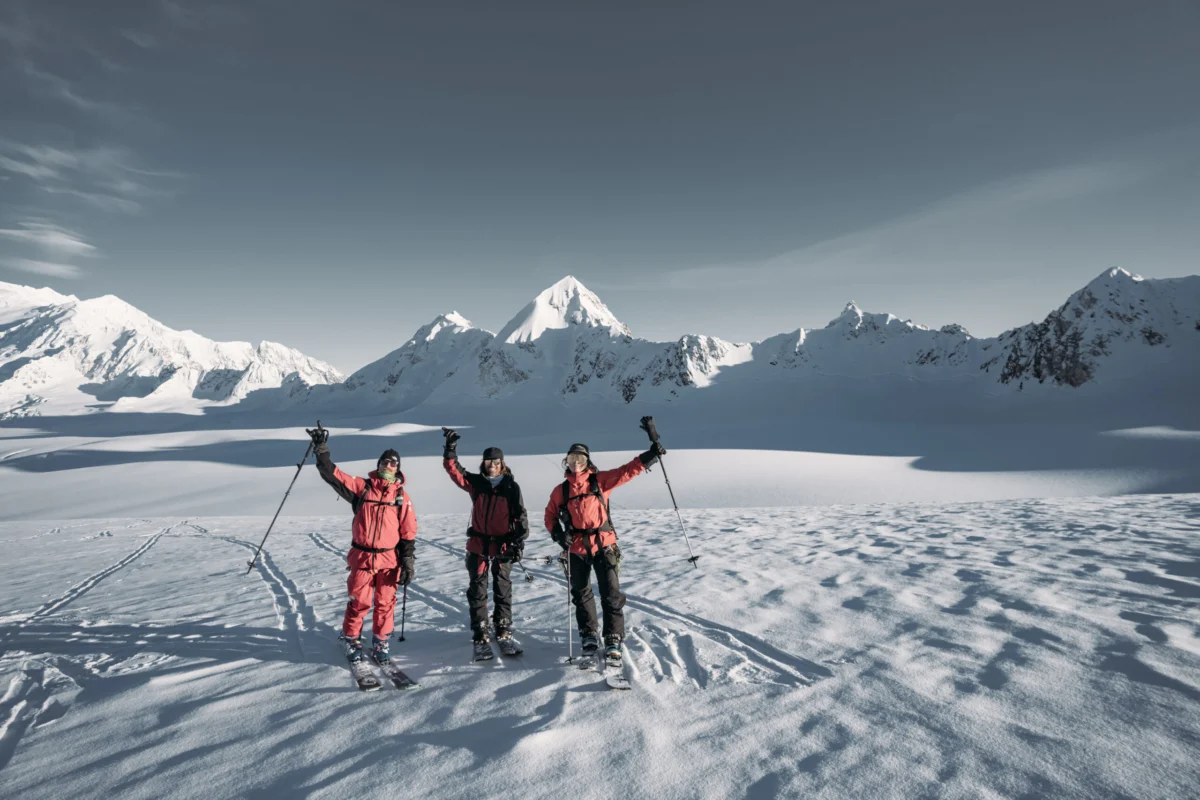
The search for historical artifacts lost to the shifting ice of the Yukon has culminated in a significant discovery that bridges nearly a century of mountaineering history. For decades, the Walsh Glacier, located within the rugged expanse of Canada’s Kluane National Park and Reserve, held a secret: a massive cache of equipment left behind by two of the 20th century’s most storied explorers. In a joint effort involving professional athletes, filmmakers from Teton Gravity Research (TGR), and glaciologists from the University of Ottawa, a modern expedition successfully located the 85-year-old camp, providing a rare window into the golden age of mountaineering and the current state of glacial retreat.
The 1937 Expedition: A Survival Narrative
The story of the lost cache begins in June 1937, when Bradford Washburn and Robert Bates set out to achieve the first ascent of Mount Lucania. At 17,145 feet, Lucania was then the highest unclimbed peak in North America. The logistics of the era were rudimentary compared to modern standards, relying on bush planes and sheer physical endurance.
Washburn, who would later become a world-renowned cartographer and the founder of the Boston Museum of Science, and Bates were flown onto the Walsh Glacier by pilot Bob Reeve. The plan was for Reeve to ferry the rest of the team and additional supplies in subsequent trips. However, an unseasonable thaw turned the glacier’s surface into a slushy morass, nearly trapping Reeve’s plane. After a harrowing takeoff, Reeve was unable to return, leaving Washburn and Bates stranded with over 1,000 pounds of gear but without their support team.
Faced with a choice between waiting for a rescue that might never come or forging ahead, the duo chose the latter. They abandoned the bulk of their supplies—including heavy tents, mountaineering tools, and Washburn’s specialized Fairchild F-8 aerial camera—to lighten their loads for a desperate trek. They successfully summited Mount Lucania and then completed an epic 150-mile journey on foot to the nearest civilization in Burwash Landing. The equipment they left behind remained on the ice, slowly being swallowed by snow and carried down-glacier by the relentless flow of the Walsh.
The Modern Quest: From Literature to Logistics
The impetus for the recovery mission came from Griffin Post, a professional skier and member of the Protect Our Winters (POW) Athlete Alliance. Post’s interest was piqued by David Roberts’ 2002 book, Escape from Lucania, which detailed the 1937 ordeal. A specific passage in the epilogue noted that the cache had never been recovered, despite Washburn’s own intentions to return for his expensive camera equipment.
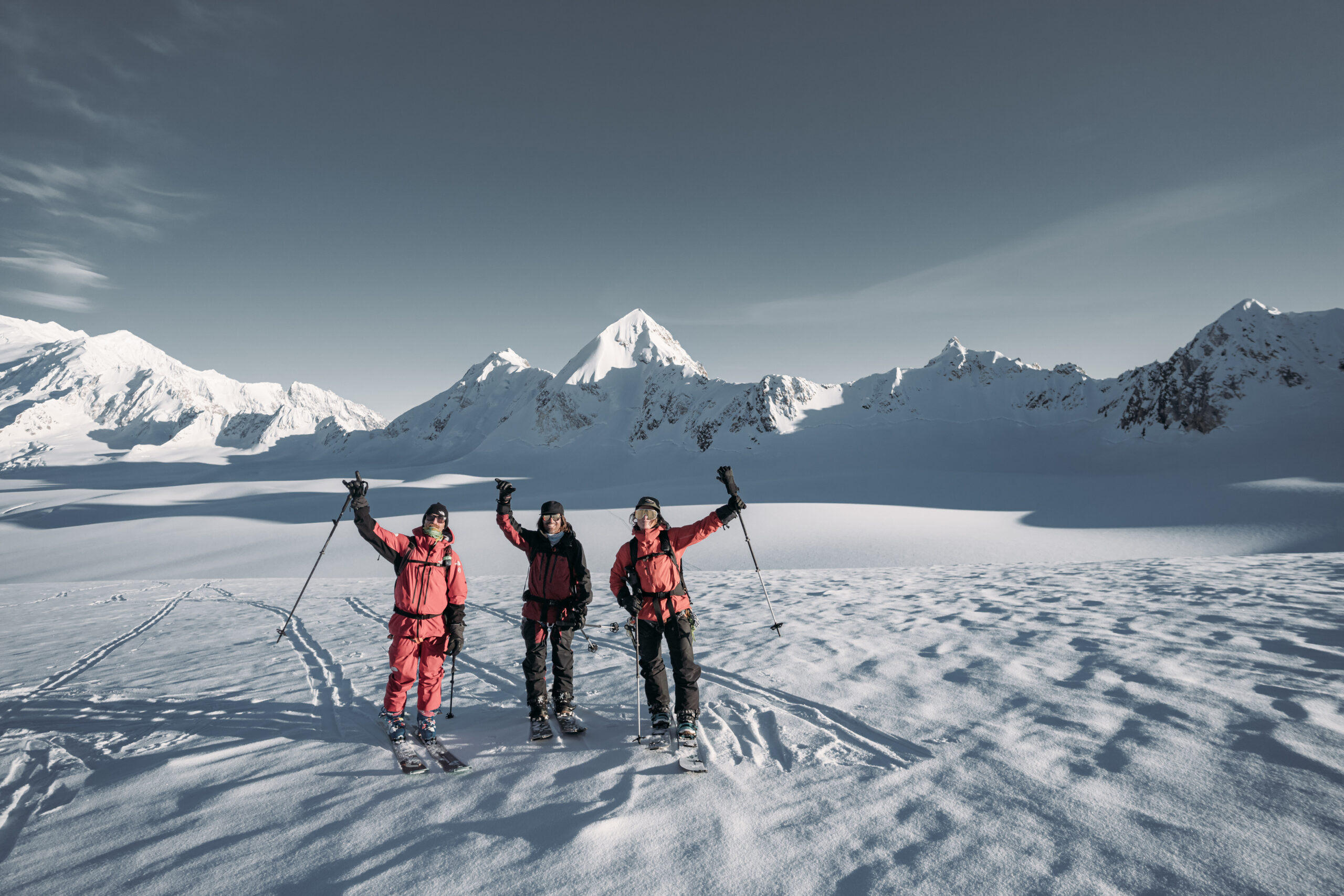
Post spent years obsessing over the potential location of the cache. Unlike a static archaeological site on land, a glacial cache is a moving target. The Walsh Glacier is a dynamic system, subject to "surges"—periods of rapid movement where the ice can flow at speeds significantly higher than average. To find the site, Post recognized that he could not simply navigate to the 1937 coordinates; he had to account for eight and a half decades of geological displacement.
The research phase involved a deep dive into historical archives. Post utilized scans of Washburn’s original journals, correspondence, and high-resolution aerial photographs held by Boston University, the Museum of Science in Boston, and the University of Alaska Fairbanks. By triangulating landmarks visible in Washburn’s 1937 photographs with modern satellite imagery, Post established a baseline for where the camp originally stood.
Scientific Collaboration and Glacial Dynamics
The success of the mission hinged on the expertise of Dr. Dora Medrzycka and her colleagues from the University of Ottawa. Glaciology was essential to narrowing the search area from a vast, crevasse-riddled icefield to a manageable corridor.
The Walsh Glacier is categorized as a surging glacier. Under normal conditions, such glaciers might move a foot or two per day. However, during a surge event, the internal plumbing of the glacier changes, allowing it to slide over its bed at rates of up to 50 feet per day. Dr. Medrzycka had to calculate the cumulative movement of the ice over 85 years, accounting for at least two known surge events that occurred in the mid-20th century.
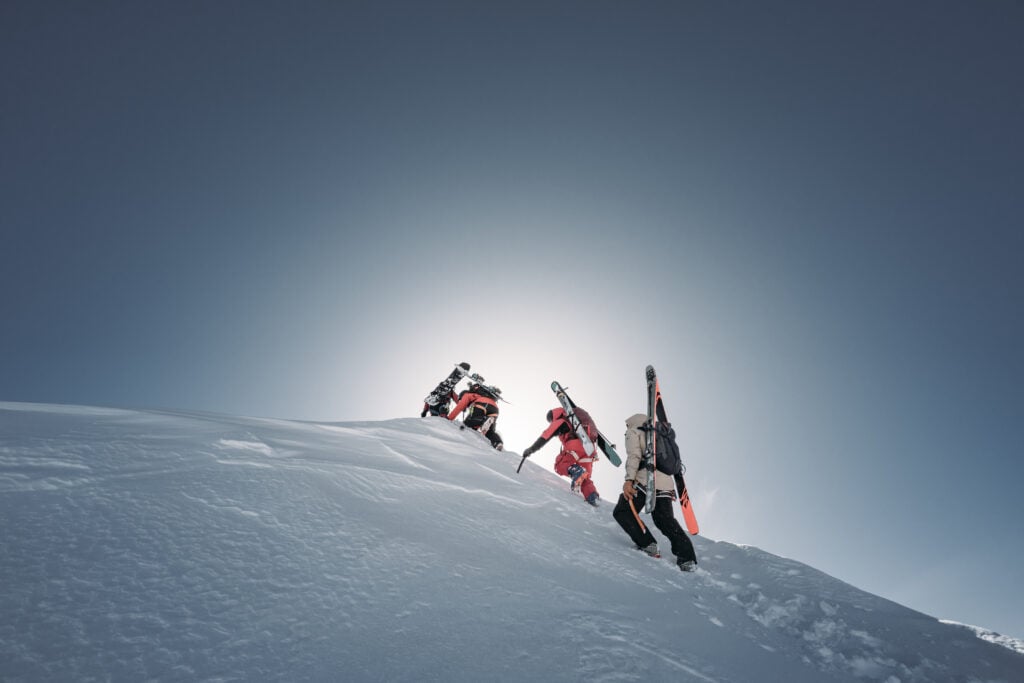
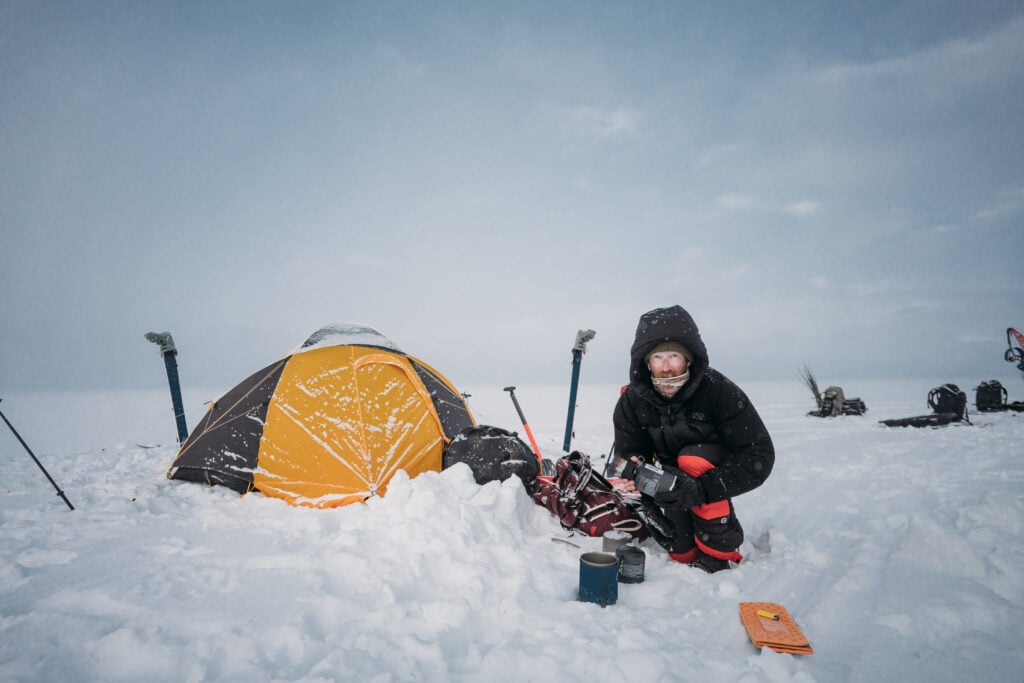
"The crux of the mission was the math," Post noted. "We were looking for a needle in a haystack that had been moving for nearly a century." Initial estimates placed the cache several kilometers downstream from the original landing site. However, the first two expeditions in the spring of 2022 yielded no results. The team faced extreme weather, dangerous crevasses, and the sobering reality that the cache might have been ground into dust by the pressure of the ice or buried under hundreds of feet of snow.
During a final push in August 2022, Dr. Medrzycka re-evaluated the surge data. She hypothesized that the glacier had not moved as far as previously calculated because the surges were shorter in duration than historical records suggested. By shifting the search area back toward the mountain, the team eventually spotted a distinctive shape on the surface of the ice: the mangled remains of a 1930s-era tent pole.
The Discovery: A Time Capsule on Ice
The recovery site revealed a wealth of artifacts that had been remarkably preserved by the cold, though physically distorted by the glacier’s movement. Among the items recovered were:
- The Fairchild F-8 Aerial Camera: Washburn’s primary tool for mapping the region. Despite being crushed by the weight of the ice, the camera body and several film canisters remained intact.
- Mountaineering Hardware: Early iterations of pitons, ice axes, and carabiners that illustrate the evolution of climbing technology.
- Camping Supplies: Remnants of canvas tents, cooking stoves, and food containers, offering a glimpse into the daily lives of pre-war explorers.
Parks Canada, which oversees Kluane National Park, provided the necessary permits for the recovery. The agency emphasized the cultural and historical significance of the find. Because the artifacts were found within a National Park, they are considered federal property and are being managed by conservators to ensure their long-term survival. The recovery of the film canisters is of particular interest to historians; if the film can be chemically stabilized and developed, it may yield previously unseen images of the 1937 expedition.
Environmental Context: The Role of Climate Change
While the mission was framed as a "treasure hunt," it also served as a stark indicator of environmental shifts. The discovery was made possible, in part, by the accelerated melting of the Walsh Glacier. As the glacier thins due to rising global temperatures, items once buried deep within the firn (compacted snow) are being "exhumed" at the surface.
Kluane National Park is part of the largest non-polar icefield in the world, yet it is melting at an alarming rate. Data from the University of Ottawa suggests that glaciers in the St. Elias Mountains are losing mass faster than almost anywhere else on Earth. The fact that Washburn’s gear was visible on the surface suggests that the layer of ice that covered it for 80 years has entirely disappeared.
"You can’t tell this story without factoring in how climate change has shaped this environment," Post stated. The film produced by Teton Gravity Research, The Lost Cache, highlights this intersection of adventure and environmental advocacy. Supported by the Protect Our Winters (POW) Advocacy & Adventure Alliance Grants, the project aims to use the narrative of the discovery to draw attention to the fragility of glacial ecosystems.
Broader Implications and Cultural Heritage
The recovery of the Washburn-Bates cache is being hailed as a landmark event in "glacial archaeology," a relatively new field that focuses on artifacts emerging from melting ice. Unlike traditional archaeology, glacial archaeology is a race against time; once organic materials (like the leather and canvas found in the cache) are exposed to the air and sun, they begin to decompose rapidly.
From a historical perspective, the find validates the meticulous records kept by Bradford Washburn. His dedication to documentation allowed a team 85 years later to reconstruct his steps with scientific precision. For the mountaineering community, the artifacts represent a physical link to a period of exploration defined by high risk and minimal technology.
Official reactions from the mountaineering and scientific communities have been overwhelmingly positive. "This is more than just finding old gear," said a spokesperson for the American Alpine Club. "It’s about recovering a piece of our collective heritage and understanding the transformative power of the landscapes we climb."
Film Premiere and Public Engagement
The documentary The Lost Cache is scheduled to premiere in the fall of 2024. The film details the three separate expeditions required to find the site, the technical challenges of glacial travel, and the emotional moment of discovery. It is slated for screenings at the Coast Film Festival in California in late October and the prestigious Banff Centre Mountain Film Festival in early November.
The project serves as a multifaceted case study in modern exploration. It combines the thrill of a historical mystery with the rigor of glaciological science and the urgency of climate activism. As the Walsh Glacier continues to flow and melt, the recovery of the 1937 cache stands as a final tribute to the legacy of Washburn and Bates, and a reminder of the shifting world they helped to map.
By documenting the process, TGR and Griffin Post have created a narrative that transcends the "treasure hunter" trope, offering instead a factual and sobering look at how the remnants of our past are being revealed by the environmental challenges of our present. The artifacts, currently undergoing conservation, will likely eventually find a home in a museum, fulfilling Bradford Washburn’s 85-year-old wish to bring his equipment home.
