

Published November 20, 2026 06:00AM
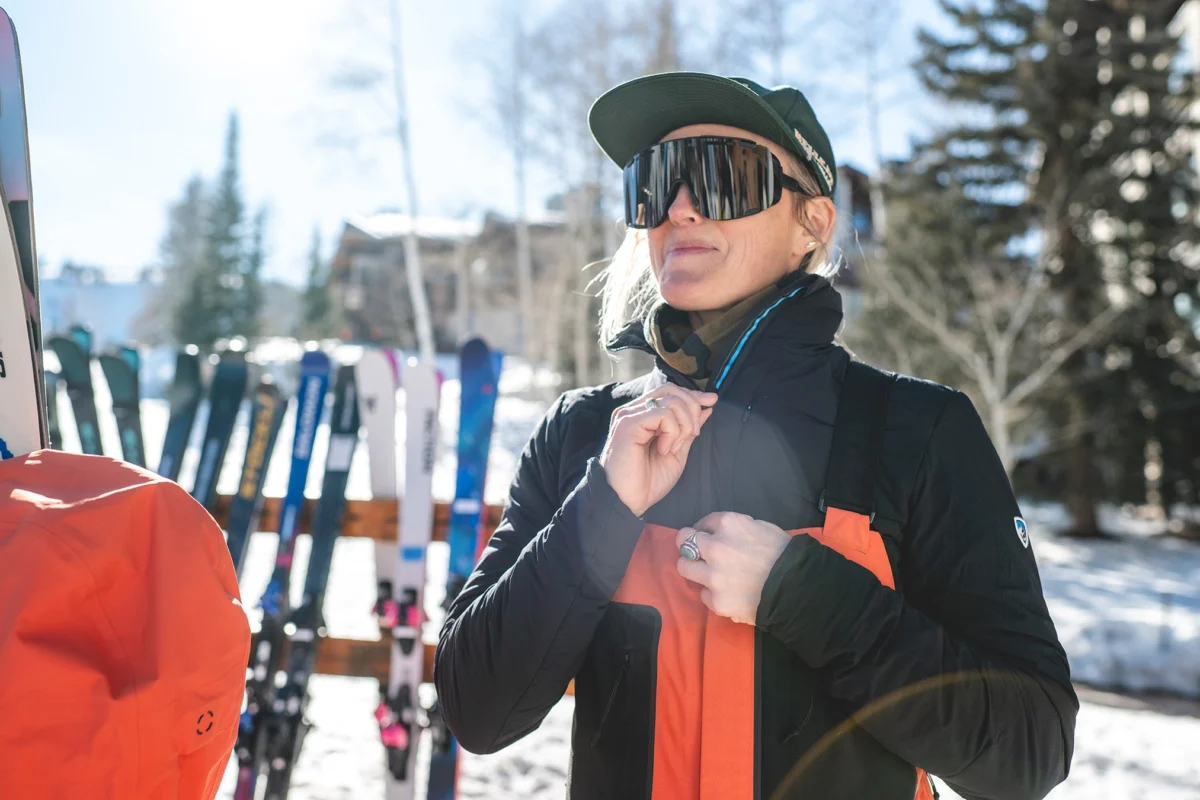
In an era defined by escalating living costs and tightened household budgets, the retail giant Costco has strategically positioned itself as an unexpected yet formidable contender in the competitive winter sports equipment market. While traditionally recognized for its bulk groceries, electronics, and household staples, Costco’s aisles and digital storefronts are increasingly featuring a curated selection of ski and snowboard gear from reputable brands such as Smith, Spyder, Head, and Dakine. This shift reflects a broader consumer trend towards value-driven purchasing, enabling both seasoned skiers and novices to access essential equipment without the premium price tag typically associated with specialty outdoor retailers. This seasonal influx of gear, often available at significant discounts, is providing a crucial entry point for new participants and a cost-effective alternative for existing enthusiasts, fundamentally altering the landscape of ski gear acquisition.
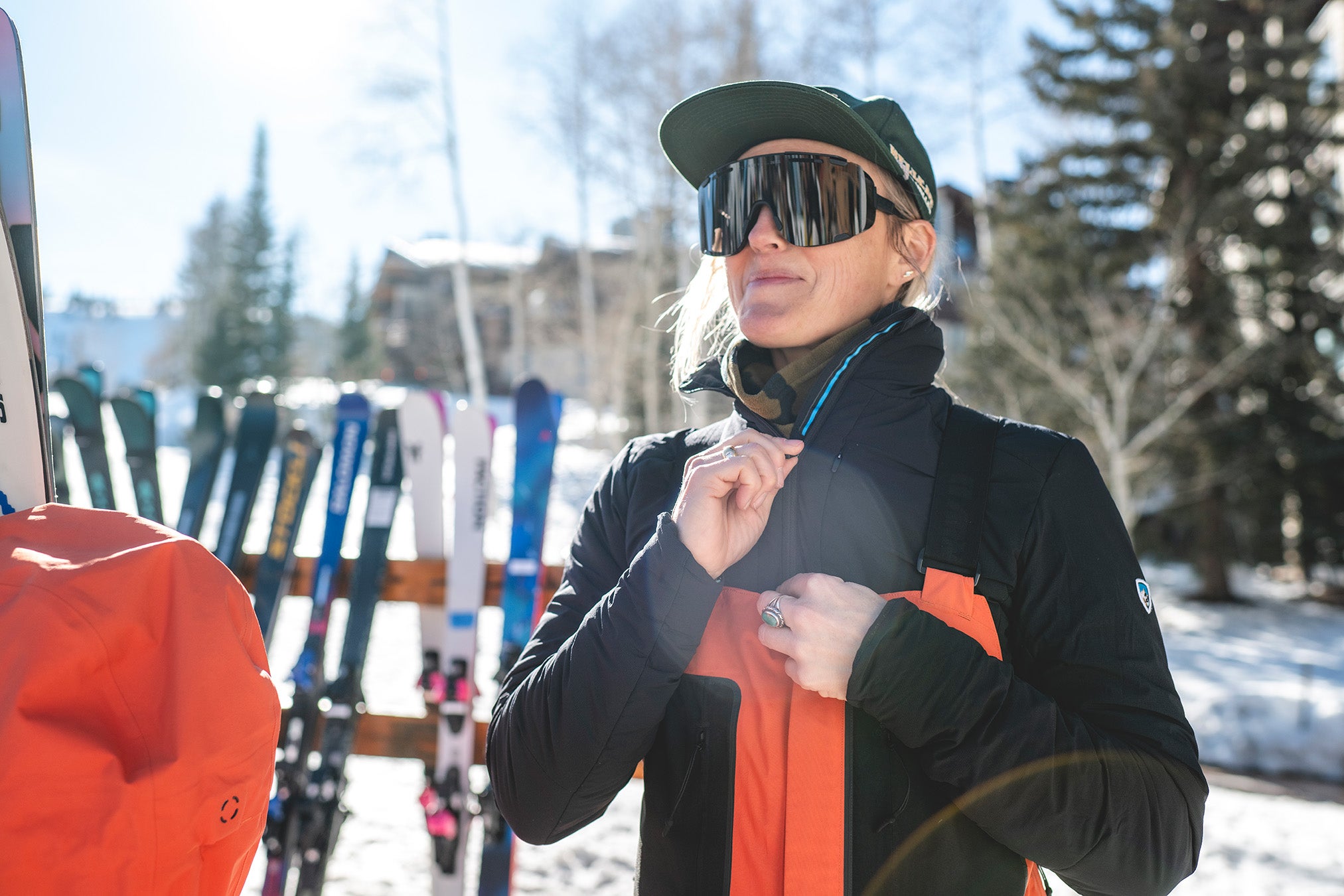
The economic climate of late 2026 has seen sustained inflationary pressures impacting everything from daily necessities like groceries and fuel to discretionary spending on leisure activities. According to recent economic indicators, consumer price index (CPI) figures have remained elevated, prompting a significant recalibration of spending priorities for many households. This economic backdrop has created fertile ground for retailers like Costco, whose core business model revolves around offering competitive pricing through bulk purchasing and streamlined operations. For the average family, the prospect of equipping oneself or children for a ski season can be daunting, with estimates for a full beginner setup (excluding skis/bindings/boots) often exceeding $500 per person at traditional outlets. Costco’s strategy directly addresses this barrier, democratizing access to winter sports by making quality gear more attainable.
Historically, the outdoor gear market has been segmented, with specialty shops catering to experienced enthusiasts seeking cutting-edge technology, expert fitting services, and high-performance materials, while mass-market retailers typically offered entry-level or house-brand alternatives. Costco, however, blurs these lines by stocking well-known brands that command respect within the ski community. This includes items like MIPS-equipped helmets, a critical safety feature, and outerwear from brands with established reputations for durability and design. The availability of such brands at warehouse prices challenges conventional retail wisdom and provides a compelling proposition for consumers who might otherwise forgo purchasing new gear or participating in the sport altogether due to cost concerns.
The phenomenon of Costco’s expanding outdoor gear offerings is not entirely new but has intensified in recent years, paralleling the growth of outdoor recreation during and after the global health crisis. As more individuals sought activities that could be enjoyed outdoors, the demand for accessible gear surged. Costco, with its agile supply chain and ability to negotiate favorable terms with manufacturers, capitalized on this trend. Their purchasing teams often secure overstock, previous season’s models, or specially produced lines that meet certain price points, ensuring a diverse inventory that appeals to a wide range of skiers. The "treasure hunt" aspect of Costco shopping further amplifies the appeal, as stock rotates rapidly, creating a sense of urgency and excitement among members who know that desirable items may not last long. This transient availability, akin to the fleeting joy of a powder day, necessitates prompt action from interested buyers.
A cornerstone of Costco’s consumer appeal, particularly for items requiring a precise fit or personal preference, is its famously lenient "satisfaction guaranteed" return policy. This allows members to purchase items, try them on at home, and easily return anything that doesn’t meet expectations, effectively mitigating the risk associated with buying technical gear outside a specialty store environment. This policy is a significant differentiator, as it empowers consumers to experiment with various products and sizes without financial penalty, a luxury not always afforded by other discount retailers.
However, the value proposition at Costco often comes with inherent trade-offs, which discerning consumers must weigh. While the brands are familiar, the specific models or material specifications might not always align with the premium features found in top-tier offerings at specialty shops. For instance, while a jacket might carry a well-known brand name, it may feature generic waterproof coatings rather than proprietary, highly breathable membranes like Gore-Tex, or insulation that is effective but not as lightweight or thermally efficient as advanced synthetics or down. For casual skiers, beginners, or children who outgrow gear quickly, these compromises are often negligible compared to the significant cost savings. However, for those facing extreme conditions, multi-day backcountry excursions, or prolonged exposure to harsh weather, the enhanced technical features of premium gear often justify the higher investment. Understanding these distinctions is crucial for smart shopping.
Demystifying the Gear: A Closer Look at Costco’s Winter Offerings
Costco’s selection spans critical categories, often showcasing surprising quality for the price. Each item is chosen to provide maximum utility for its target audience, balancing performance with affordability.
Helmets, Goggles, and Hand Protection: Essential Safety and Comfort
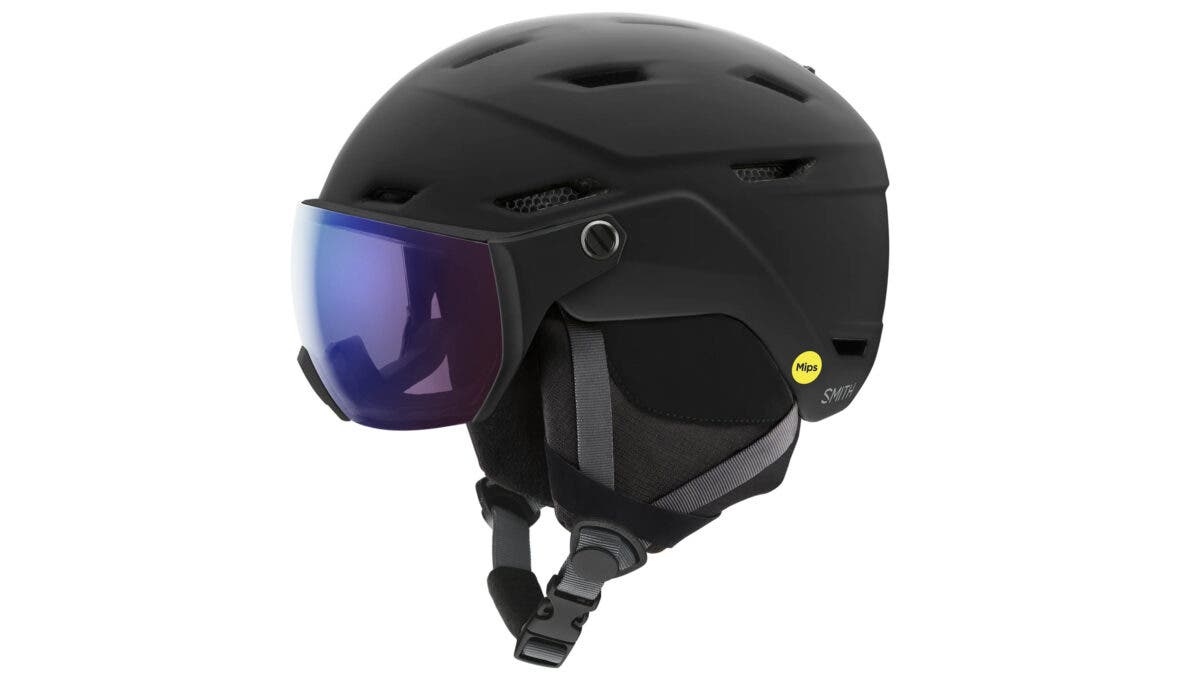
Safety is paramount in winter sports, and Costco’s inclusion of MIPS technology in its helmet lineup is a significant development.
Smith Survey MIPS Helmet: This offering represents a genuine coup for Costco members. Smith is a revered name in ski and snowboard protection, known for its commitment to innovation. The Survey model, incorporating both MIPS (Multi-directional Impact Protection System) and Koroyd zones, offers advanced impact protection while maintaining a lightweight profile. The integrated ChromaPop visor, a feature typically found on higher-end goggles, eliminates the need for separate eyewear and is even compatible with prescription glasses. This is a rare instance where the "compromise" is almost non-existent; consumers receive a high-performance helmet that retails for significantly more elsewhere, with the only potential adjustment being to embrace the visor-helmet style.
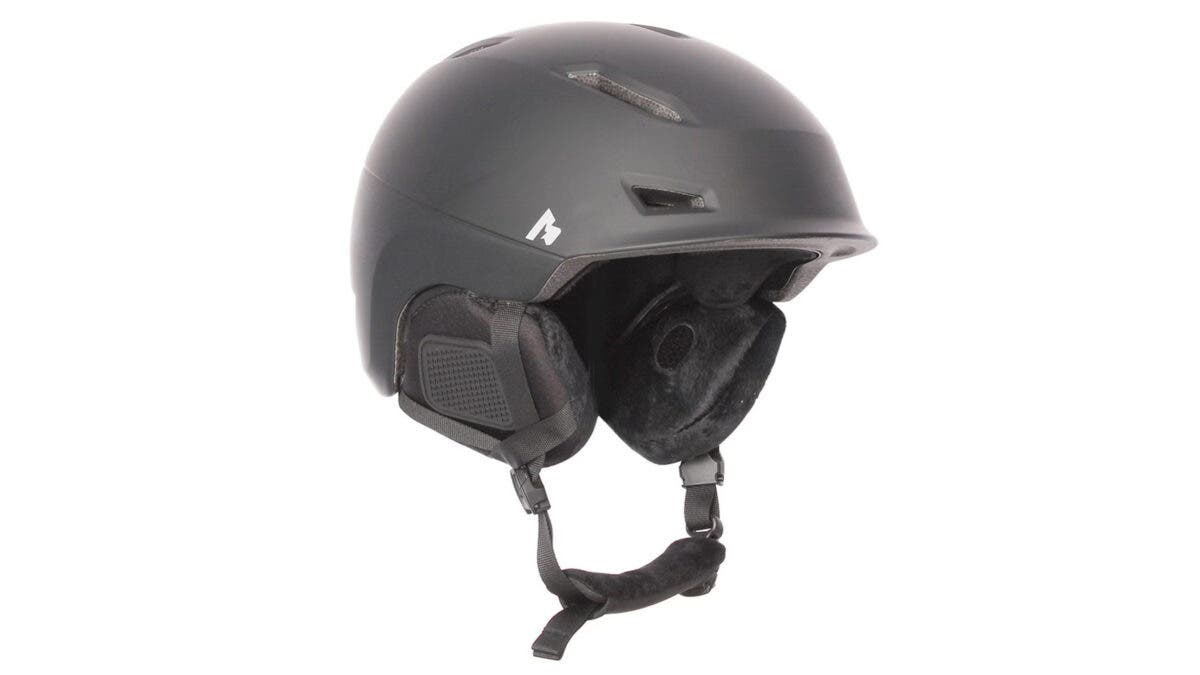
Bluesky Adult Snow Helmet with MIPS: For those seeking MIPS technology at the absolute lowest price point, the Bluesky helmet is a compelling option. It ticks essential safety and comfort boxes with three-stage adjustable vents for temperature regulation, removable earpads for warmer spring days, and a built-in goggle lock. Its availability in four sizes (S-XL) ensures a good fit for most adults. The primary compromise here is the absence of "luxe" features like magnetic chin buckles or ultra-plush linings, which contribute to a more refined feel but do not diminish the helmet’s core safety function.
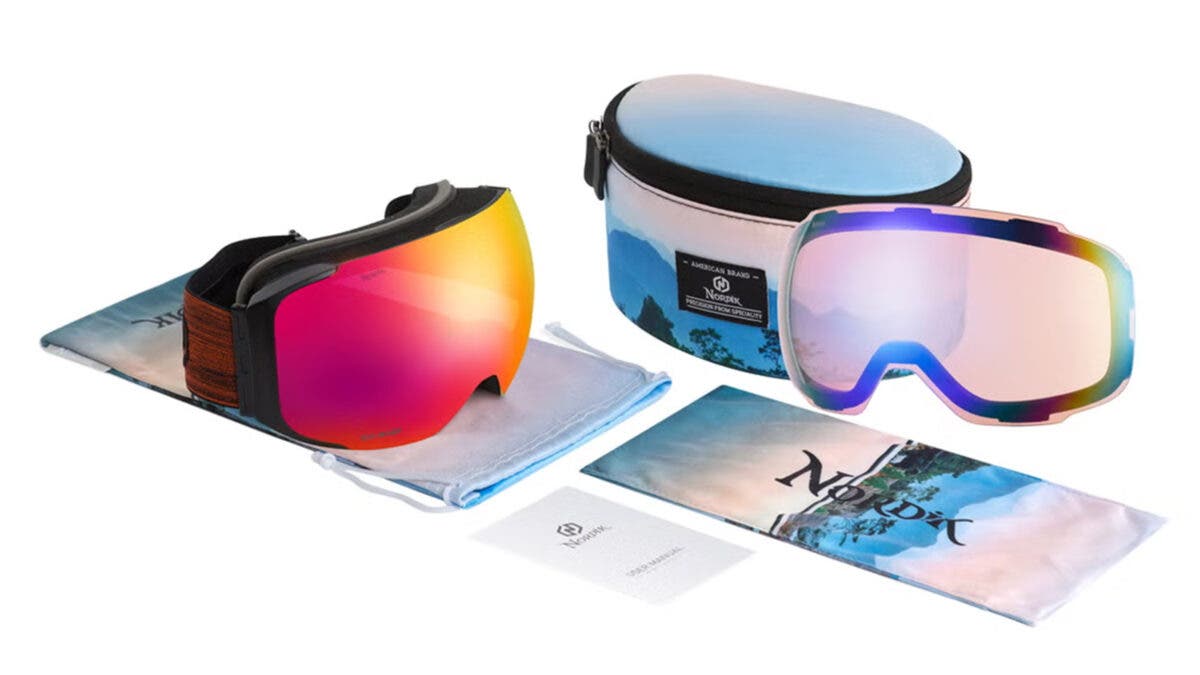
Nordik HOD Magnetic OTG Snow Goggles: Magnetic lens swap systems, once exclusive to premium goggles, are now accessible through Nordik’s HOD model. This feature allows for rapid lens changes, a critical advantage when weather conditions shift suddenly on the mountain. The inclusion of a second low-light lens and a carrying case further enhances its value. The oversized spherical lens offers a wide field of view, anti-fog treatment, and UV400 protection, while the OTG (Over The Glasses) frame accommodates eyewear. The compromise lies in the lenses themselves: while functional, they lack the advanced light-adapting photochromic technology found in high-end models, meaning manual lens swaps are still required.
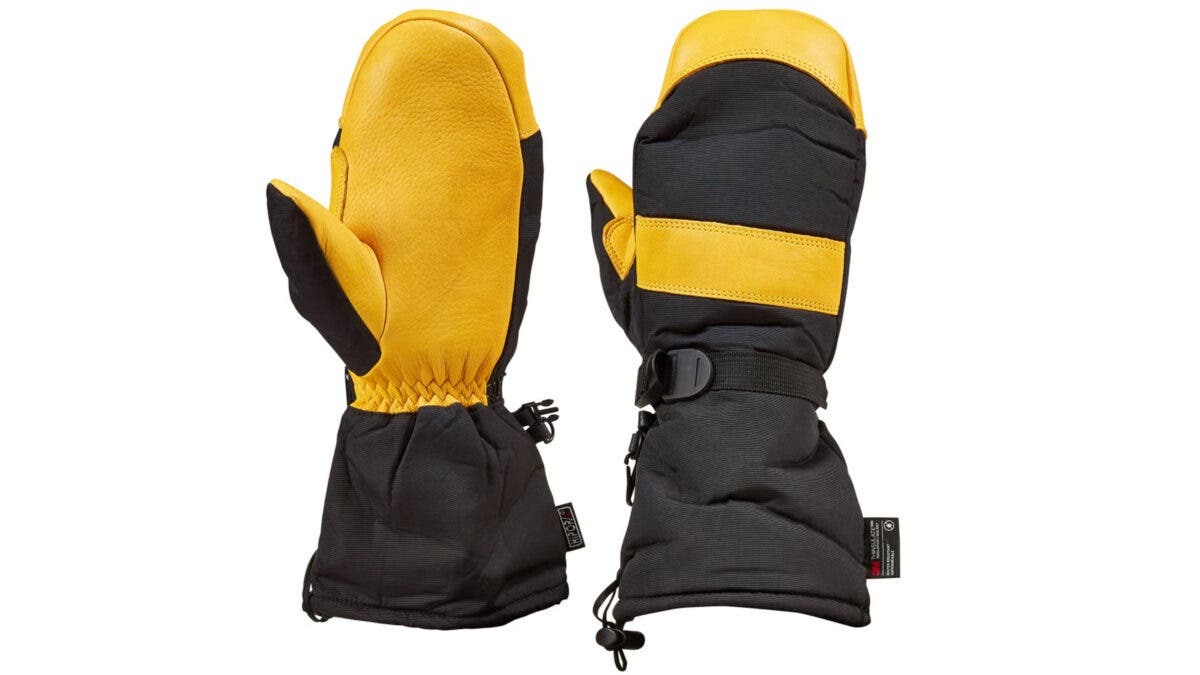
Saranac Gauntlet Premium Deerskin Ski Mitt: Leather is a highly prized material in ski gloves and mittens for its natural durability, water resistance, and tactile feel. The Saranac mitt, featuring a deerskin outer, offers exceptional value. Deerskin inherently sheds water and wind, enduring seasons of abuse where synthetic materials might falter. Paired with 150-gram 3M Thinsulate insulation and a waterproof, breathable insert, these mitts are designed for warmth and protection. The extended gauntlet cuff with adjustable straps effectively seals out snow. The main compromise is the use of a generic waterproof insert instead of a branded membrane like Gore-Tex, which might offer superior breathability and guaranteed waterproofing in the most extreme wet conditions.
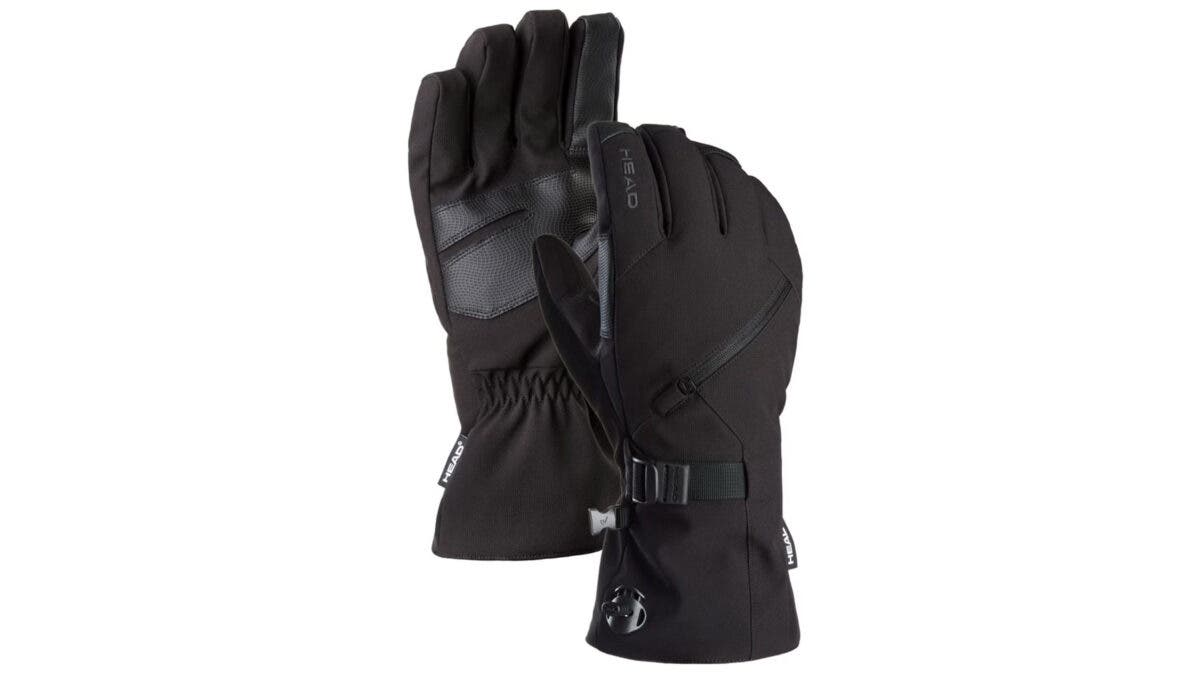
Head Unisex Ski Gloves: Head, a well-known name in alpine sports, offers an affordable unisex glove suitable for the entire family, with sizes ranging from XS to XL. These gloves combine lightweight, breathable insulation with a waterproof/windproof insert, making them ideal for milder ski days. A zippered pocket for hand warmers and touchscreen-compatible fingertips add practical functionality. The sub-$25 price point, however, implies limitations in extreme cold or prolonged wet weather performance. Durability, particularly of the soft polyester palm material, could also be a concern over extended use, suggesting these are best for occasional or moderate conditions rather than heavy-duty, multi-season wear.
Apparel and Layers: Building a Functional Ski Wardrobe
Costco’s apparel selection focuses on core layering pieces and outerwear suitable for a range of conditions, with a particular emphasis on children’s gear, addressing a significant pain point for families.
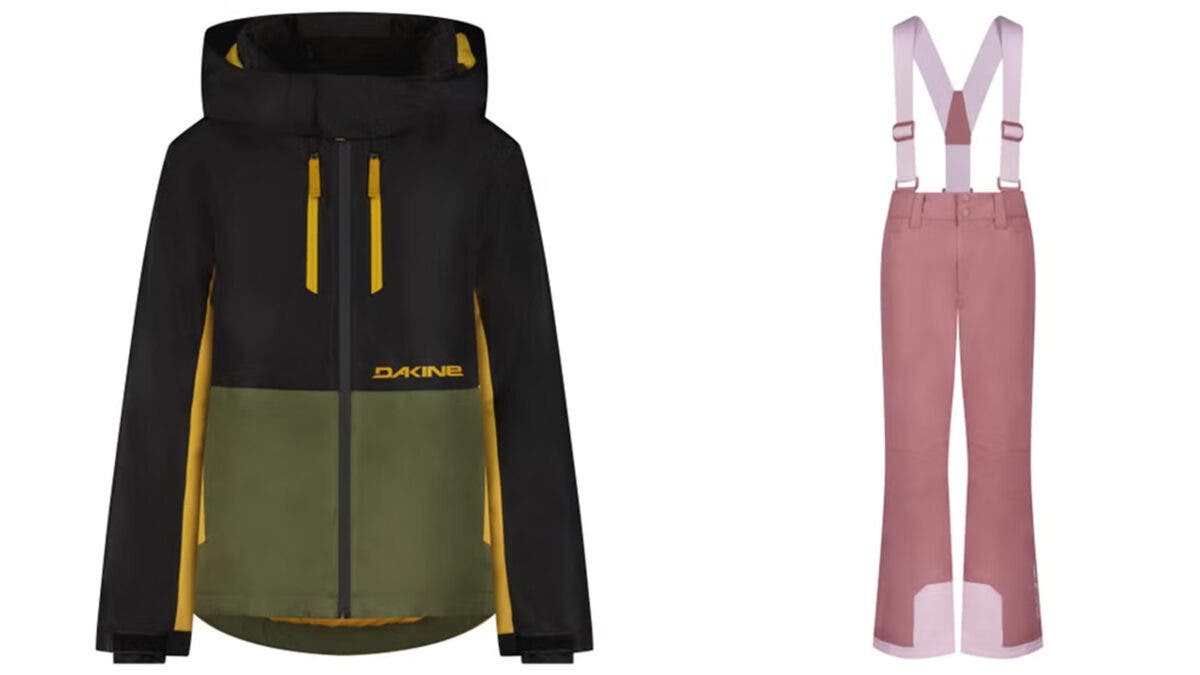
Dakine Youth Snow Jacket + Snow Pant: Dakine, a brand synonymous with surf, snow, and skate culture, makes a surprising appearance in Costco’s youth section. The insulated midweight jacket boasts practical features for kids, including an inner powder skirt, a storm shield in the hood (which is also removable), and zippered pockets. The accompanying insulated pants are wind and water-resistant, featuring snow gaiters, elastic grippers, and Velcro-adjustable waists. This head-to-toe setup is a budget-friendly solution for growing kids, for whom premium gear can be an exorbitant annual expense. The primary compromise is the lack of a specific waterproof rating or fully sealed seams, meaning this gear is best suited for dry-snow resort days rather than heavy, wet storm conditions common in regions like the Pacific Northwest. "Water-resistant" is not synonymous with "waterproof," a critical distinction for sustained wet-weather play.
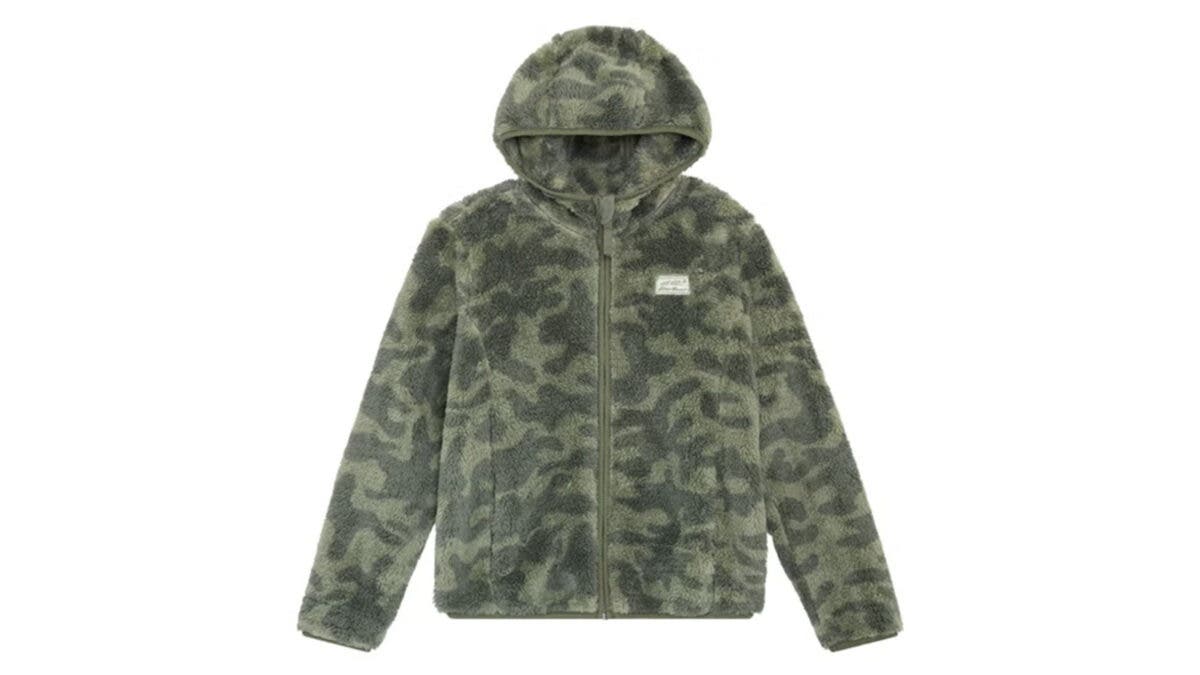
Eddie Bauer Youth Plush Fleece Full-Zip Jacket: Eddie Bauer, a heritage outdoor brand dating back to 1920, offers a plush, full-zip fleece for youth. This heavyweight fleece serves effectively as a warm mid-layer under a shell or as a standalone jacket for après-ski activities and casual wear. Its 100% polyester construction provides a soft, comfortable feel. The compromise is its bulk; it’s designed more for warmth and comfort than for lightweight, high-performance layering, making it less ideal for highly aerobic activities or seamless integration under a tight-fitting technical shell.
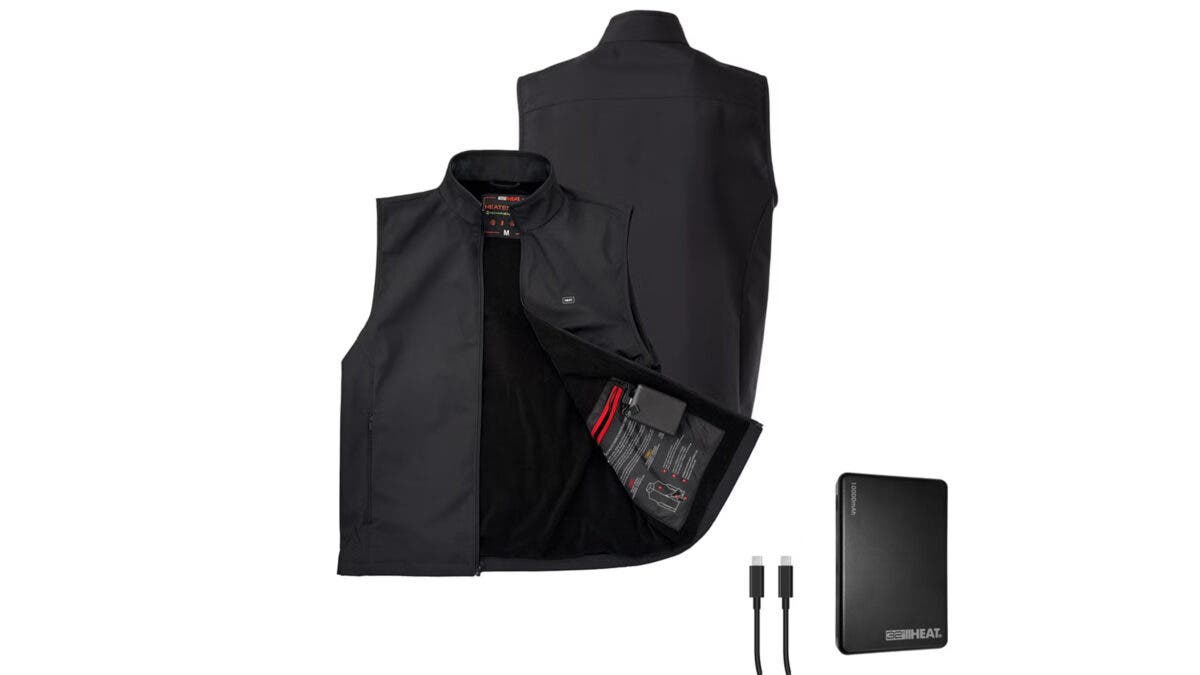
32 Degrees Rechargeable Heated Vest: Heated apparel has rapidly gained popularity, offering an extra layer of warmth that can make a significant difference on cold chairlift rides. The 32 Degrees vest, priced remarkably at $50, offers an accessible entry point into this technology. It features four pre-wired heat panels (two front, two back) powered by a rechargeable USB-C battery pack. While an excellent value, consumers should expect shorter battery life compared to more expensive models and a visible "Heat" logo indicating activation. Despite these minor compromises, the immediate benefit of added warmth on a frigid day often outweighs these considerations.
32 Degrees Women’s Cozy Fleece Quarter-Zip Long Sleeve Pullover: Embodying its mission of value and comfort, 32 Degrees offers a high-pile fleece pullover for women. This quarter-zip design allows for venting, while the fleece traps body heat effectively. A kangaroo pocket doubles as a hand warmer, and the stylish round-bottom hem pairs well with tights or snow pants. The main noted compromise is that the sleeves are known to run long, which might affect layering or overall fit for some individuals.
Spyder Men’s Full Zip Sweater Jacket: Spyder, an iconic ski brand established in Boulder, Colorado in 1978, contributes a classic full-zip sweater jacket to Costco’s lineup. This versatile piece functions as a durable mid-layer or a standalone jacket for après-ski activities and around-town wear. Its burly zippers for the main closure, chest pocket, and side storage pockets speak to its robust construction. The heavyweight fabric, while durable, can be a compromise for highly aerobic activities, leaning more towards comfort and casual wear than technical performance or robust wind protection.
Après-Ski Extras: Enhancing the Experience Beyond the Slopes
Costco extends its value proposition to the post-ski experience, offering items that enhance comfort and entertainment.
Soundcore Boom 3i Outdoor Waterproof Bluetooth Speaker: For those who enjoy an après-ski tailgate, the Soundcore Boom 3i offers robust, waterproof, and dustproof audio. Its 16-hour battery life and beat-synced light show provide atmosphere without concern for the elements. While not an audiophile-grade speaker, it delivers reliable sound at a reasonable price, proving there’s no real compromise for its intended use.
Kirkland Signature Unisex Shearling Slipper: The immediate comfort of slipping out of ski boots into soft, warm slippers is unparalleled. Costco’s Kirkland Signature Shearling Slipper, often compared favorably to more expensive brands like Uggs, features genuine sheepskin shearling and a lightweight outsole. This slipper provides luxurious comfort at a fraction of the cost. The compromise lies in the outsole’s lightweight design; while suitable for mountain hut floors or well-maintained parking lots, it may not offer the same rugged durability or traction as premium slippers designed for more demanding outdoor use.
Broader Implications and Market Dynamics
Costco’s growing presence in the ski gear market presents a multifaceted challenge and opportunity for the broader outdoor retail industry. For traditional specialty ski shops, it necessitates a renewed focus on their unique selling propositions: expert advice, professional boot fitting, custom ski tuning, and a highly curated selection of the latest, most technical gear. While Costco may capture a significant portion of the entry-level and casual skier market, specialty retailers can continue to thrive by emphasizing unparalleled service and catering to the high-performance and expert segments.
For the brands themselves, partnering with Costco offers increased sales volume and broader market exposure, potentially introducing their products to consumers who might not otherwise visit a specialty ski shop. However, this also requires careful brand management to ensure that mass-market distribution does not dilute their premium image or create price erosion that could impact relationships with traditional retailers.
Looking ahead, the trend of discount retailers offering quality outdoor gear is likely to continue, driven by consumer demand for value and convenience. As winter sports strive to become more inclusive and accessible, channels like Costco play a vital role in lowering the financial barriers to participation. While the "powder day" analogy aptly describes the ephemeral nature of Costco’s stock, its consistent ability to deliver reputable brands at compelling prices ensures its continued relevance as a go-to destination for ski gear in the foreseeable future. A Costco membership, therefore, has become more than just a gateway to bulk groceries; it’s increasingly a key to unlocking affordable adventures on the slopes.
