

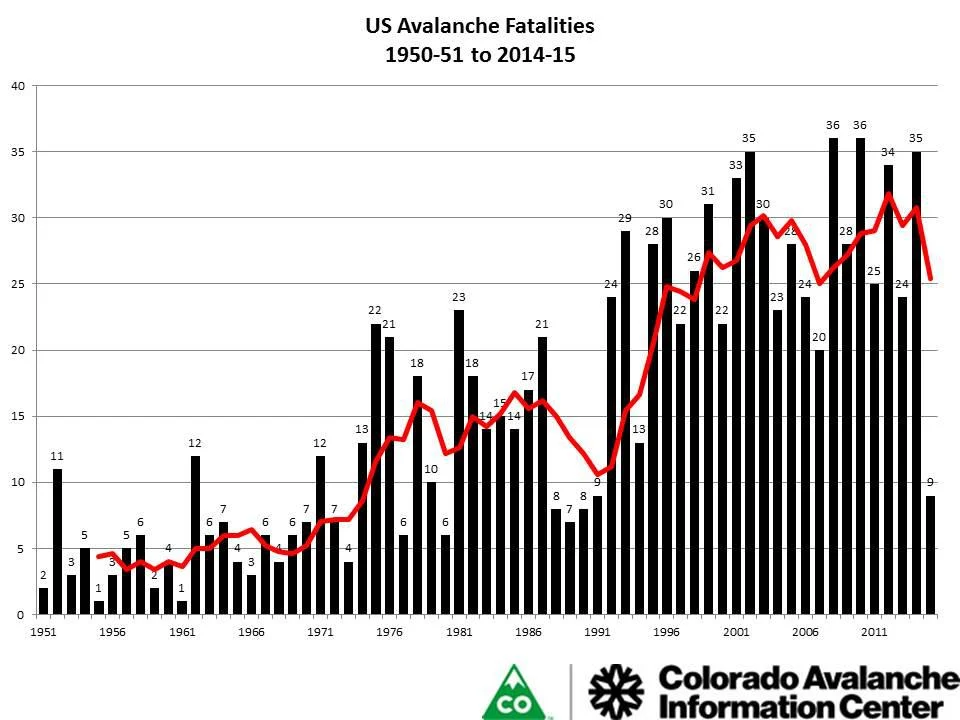
The 2014/2015 avalanche season concluded on April 30th, a date that still falls within the typical operational window for avalanche forecasting and public advisement. While any loss of life in the backcountry is a tragedy, this season’s statistics offer a starkly encouraging trend: nine fatalities have been recorded, marking the lowest number since 1991. This significant reduction can be attributed to a confluence of factors, including less-than-ideal snowpack conditions across certain regions and warmer inland temperatures, which generally suppressed avalanche danger for a considerable portion of the winter. However, the persistent and robust efforts by organizations like the Forest Service avalanche centers and the Colorado Avalanche Information Center (CAIC) in providing vital avalanche education and real-time information are undeniably crucial components in this improved safety record. Looking at longer-term trends, the data remains positive. Despite a substantial surge in backcountry recreation over the past 15 years, the five-year moving average for avalanche fatalities has remained relatively stable, fluctuating between approximately 25 and 30 deaths annually.
Analyzing the Contributing Factors to the Reduced Fatality Rate
The exceptionally low fatality count for the 2014/2015 season is a complex outcome, influenced by both environmental conditions and human-driven safety initiatives.
Environmental Influences: A Season of Reduced Hazard
The primary environmental factor contributing to the diminished avalanche risk was the prevailing weather patterns throughout the winter.
- West Coast Snowpack Deficit: Many mountainous regions along the west coast experienced a significantly below-average snow year. This lack of substantial snowfall meant that the fundamental ingredient for large, dangerous avalanches was often absent or less developed. Lower snow depths translate to a reduced volume of snow that can become unstable and slide.
- Inland Warm Temperatures: Further inland, particularly in areas that typically experience colder and more stable winter conditions, warmer temperatures played a role. These warmer spells could lead to a more consolidated and bonded snowpack, making it less susceptible to triggering. Additionally, periods of warming can also create melt-freeze cycles, which, while sometimes problematic, can also contribute to a stronger overall snow structure when followed by colder periods.
- Limited Avalanche Cycles: Consequently, the number and intensity of significant avalanche cycles – periods of elevated danger where multiple large avalanches are likely to occur – were notably fewer than in many previous years. This meant fewer opportunities for backcountry users to encounter truly hazardous conditions.
The Critical Role of Avalanche Education and Information Dissemination
While favorable weather undoubtedly played a significant role, it is imperative to acknowledge the proactive and consistent efforts of avalanche safety organizations. These entities work year-round to provide critical information and educational resources to the public.
- Forest Service Avalanche Centers: These centers, strategically located in key mountainous regions, are on the front lines of avalanche forecasting. They conduct snowpack observations, issue daily avalanche advisories, and engage with the public to share their findings. Their expertise in understanding snow science and predicting avalanche behavior is invaluable.
- Colorado Avalanche Information Center (CAIC): The CAIC, a vital resource for the Rocky Mountain region, exemplifies the dedication of these centers. They meticulously collect data, maintain extensive databases, and provide comprehensive forecasts. Their commitment to making this information accessible through various platforms – websites, social media, and mobile applications – empowers backcountry enthusiasts to make informed decisions.
- Educational Programs: Beyond daily advisories, these organizations offer a wide array of educational programs, from introductory avalanche awareness courses to advanced rescue techniques. These programs equip individuals with the knowledge and skills to recognize avalanche terrain, assess snowpack stability, and respond effectively in emergency situations. The increase in participation in these programs over the years likely contributes to a more safety-conscious backcountry community.
A Look at the Numbers: Trends and Benchmarks
The data compiled for avalanche fatalities provides a crucial benchmark for understanding safety trends in the backcountry.
Annual Fatalities: A Snapshot of the 2014/2015 Season
The nine fatalities recorded this season represent a notable deviation from the norm. To provide context, here’s a brief historical perspective:
- 1991: The last year with a fatality count as low as nine. This indicates a significant return to lower numbers not seen in over two decades.
- Average Annual Fatalities (Pre-2014/2015): While the exact average can fluctuate, the general trend has been higher than this past season.
The Five-Year Moving Average: Smoothing Out Volatility
To account for year-to-year variations and identify more robust trends, the five-year moving average is a critical metric.
- Stability Amidst Growth: The most striking observation from the five-year moving average is its relative stability, even as backcountry use has "skyrocketed." This suggests that while more people are venturing into avalanche terrain, the rate of fatalities per user or per incident has likely decreased, or at least not increased proportionally.
- The 25-30 Fatalities Range: The consistent placement of this average between 25 and 30 deaths per year over the past five years highlights that while this season was exceptional, the typical annual risk, even with increased participation, has remained within a discernible range. This suggests that the factors contributing to safety are, in many years, effectively mitigating the increased exposure.
The Evolution of Avalanche Safety: A Historical Perspective
Understanding the current trends requires a brief look at the historical context of avalanche safety and recreation.
The Rise of Backcountry Recreation
The past 15 years have witnessed an unprecedented boom in backcountry skiing, snowboarding, snowshoeing, and winter hiking. Several factors have fueled this growth:
- Accessibility of Gear: The development of lighter, more efficient equipment, including touring skis and splitboards, has made it easier for individuals to access terrain beyond resort boundaries.
- Influence of Media and Social Platforms: Social media and online communities have showcased the allure of untouched powder and remote mountain experiences, inspiring a new generation of enthusiasts.
- Desire for Solitude and Untracked Snow: Many recreationalists seek experiences away from crowded ski resorts, valuing the solitude and the pursuit of fresh snow.
- Economic Factors: For some, backcountry recreation can be a more affordable alternative to expensive ski resort lift tickets.
The Growing Importance of Avalanche Education
As backcountry use surged, so too did the potential for avalanche incidents. This growing risk led to a concerted effort to enhance avalanche education and forecasting.
- Early Efforts: In the past, avalanche awareness was more informal and often learned through experience, which could be a harsh teacher.
- Formalization of Avalanche Centers: The establishment and expansion of dedicated avalanche centers across the country, often in partnership with federal agencies like the Forest Service and state entities, marked a significant step forward.
- Standardization of Curriculum: Organizations like the American Institute for Avalanche Research and Education (AIARE) have played a pivotal role in developing standardized curricula for avalanche courses, ensuring a consistent and high-quality learning experience for participants.
Data Collection and Analysis: The Foundation of Safety
The commitment of organizations like the CAIC to maintaining comprehensive accident databases is fundamental to understanding avalanche dynamics and improving safety strategies.
- Spencer Logan and the CAIC Database: Spencer Logan, and the CAIC team, are instrumental in this data collection. Their meticulous recording of avalanche incidents – including factors like terrain, snowpack conditions, weather, and human triggers – provides invaluable insights for researchers, forecasters, and educators. This data allows for the identification of patterns, the refinement of forecasting models, and the targeted delivery of safety messages.
- Graphic Representation: The use of graphics, such as the one alluded to in the original text, helps to visually represent complex data, making trends and statistics more accessible and understandable to a wider audience.
Broader Impact and Future Implications
The positive outcome of the 2014/2015 season has several important implications for the future of avalanche safety and backcountry recreation.
Reinforcing the Value of Education and Information
This season’s success story serves as a powerful testament to the effectiveness of investing in avalanche education and providing readily accessible, reliable information. It underscores that while nature’s forces are powerful, human preparedness and informed decision-making can significantly mitigate risk.
- Sustained Investment: The findings should encourage continued and potentially increased funding and support for avalanche forecasting centers and educational programs.
- Public Awareness Campaigns: The data can be leveraged to reinforce public awareness campaigns, highlighting the importance of taking avalanche courses and consulting forecasts before venturing into the backcountry.
A Call for Continued Vigilance
While this season was exceptionally safe, it is crucial to avoid complacency. The underlying risks associated with avalanche terrain remain.
- Nature’s Unpredictability: Weather patterns can shift dramatically, and even in a low-snow year, localized conditions can become hazardous.
- The Human Element: Human error, misjudgment, or a disregard for warnings can still lead to tragic outcomes, regardless of general snowpack stability. The nine fatalities this season, though low, represent individual tragedies that serve as stark reminders of the inherent dangers.
Looking Ahead: Adapting to Changing Conditions
The long-term stability of the five-year moving average, despite increased participation, is a positive sign. However, the broader context of climate change and its potential impact on winter weather patterns warrants ongoing attention.
- Climate Change and Snowpack: Future winters may see further shifts in snowfall patterns, temperature regimes, and the frequency of extreme weather events. Avalanche forecasting and safety education will need to adapt to these evolving conditions.
- Technological Advancements: Continued innovation in forecasting technology, remote sensing, and communication tools will be vital in supporting avalanche safety efforts.
In conclusion, the 2014/2015 avalanche season stands out as a remarkable period of safety in the North American backcountry. The confluence of less hazardous environmental conditions and the unwavering dedication of avalanche safety professionals and educators has resulted in the lowest fatality count in over two decades. This season offers valuable lessons and a powerful reinforcement of the critical importance of preparedness, education, and the diligent use of real-time information for anyone venturing into avalanche-prone terrain. The challenge moving forward is to maintain this momentum, fostering a culture of safety that continues to evolve alongside both human activity and the dynamic forces of nature.
