

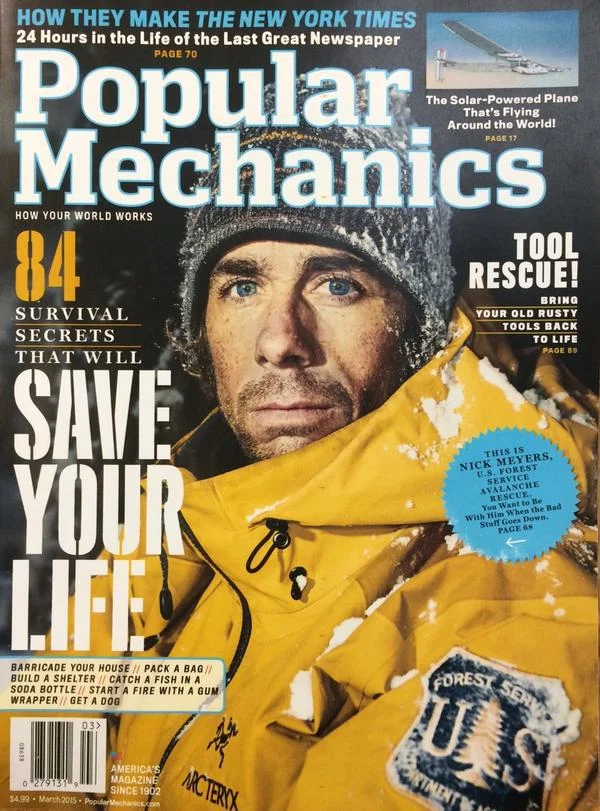
Nick Meyers, a prominent figure in mountaineering safety and avalanche preparedness, has achieved significant national recognition, gracing the cover of the esteemed Popular Mechanics magazine. Meyers, who holds the dual roles of Director of the Mount Shasta Avalanche Center and Lead Climbing Ranger on Mount Shasta, was highlighted in the publication for his extensive expertise in high-altitude survival and avalanche rescue. This feature not only brings well-deserved attention to Meyers’ critical work but also underscores the importance of the specialized knowledge and dedication required to ensure safety in challenging mountain environments. The magazine article, titled "10 Survival Essentials an Avalanche Rescue Expert Always Carries," delves into the practical wisdom and essential gear that Meyers relies upon in his demanding profession.
Background and Significance of Meyers’ Role
The Mount Shasta Avalanche Center plays a vital role in the region, providing crucial avalanche forecasts, safety information, and educational programs to climbers, skiers, and the broader outdoor recreation community. Mount Shasta, a majestic stratovolcano in Northern California, is a popular destination for mountaineers, attracting thousands of visitors annually. Its imposing elevation, dynamic weather patterns, and inherent avalanche risks necessitate a robust and expert-driven safety infrastructure. Meyers, as Director, is at the forefront of this effort, responsible for coordinating forecasting, research, and public outreach.
His additional role as Lead Climbing Ranger on Mount Shasta further emphasizes his hands-on experience. In this capacity, Meyers is directly involved in guiding, rescuing, and educating individuals who attempt to summit the mountain. This dual responsibility provides him with a unique and comprehensive understanding of the mountain’s hazards, from the intricacies of snowpack stability to the physiological demands of high-altitude climbing.
The decision by Popular Mechanics to feature Meyers on its cover signifies a broader recognition of the technical expertise and critical skills involved in mountaineering and avalanche safety. The magazine, known for its focus on science, technology, and practical innovation, chose to spotlight a professional whose work directly impacts lives in some of the most unforgiving natural landscapes. This placement elevates the profile of avalanche science and mountaineering safety from a niche concern to a topic of widespread public interest, potentially influencing how outdoor enthusiasts approach risk and preparation.
The Popular Mechanics Feature: A Deep Dive into Survival Expertise
The Popular Mechanics article offers readers an intimate look into the mind of an expert facing extreme conditions. By showcasing the "10 Survival Essentials" that Meyers always carries, the piece provides actionable advice and highlights the critical importance of preparedness. While the specific list of items is detailed within the article itself, the underlying theme is Meyers’ philosophy of proactive risk management and meticulous planning.
This exposure is not merely about showcasing gear; it is about disseminating life-saving knowledge. The article likely delves into the rationale behind each essential item, explaining its function in various survival scenarios, from unexpected weather changes to potential rescue situations. For instance, understanding the principles of avalanche rescue, which is a core part of Meyers’ expertise, would inform his choices regarding specialized equipment such as transceivers, probes, and shovels, alongside more general survival tools.
The visual element of the cover, featuring Meyers, further amplifies the message. It places a human face on the expertise, making the abstract concepts of avalanche safety and mountaineering more relatable and tangible for the magazine’s diverse readership. This visual cue can inspire individuals to learn more about the subject and to respect the dangers associated with mountain environments.
Chronology and Background of the Recognition
While the exact timeline leading up to the Popular Mechanics feature is not detailed in the provided text, such a prominent placement is typically the result of a sustained period of noteworthy work and recognition within a specific field. Meyers’ tenure at the Mount Shasta Avalanche Center and his leadership on Mount Shasta likely provided the foundation for this opportunity.
It is probable that Popular Mechanics either approached Meyers directly, having identified him as an authority on avalanche safety, or that he was nominated or recommended by peers or organizations within the outdoor and scientific communities. The process would have involved extensive interviews, possibly field demonstrations, and a review of his professional background and contributions. The publication of such an article, especially on the cover, represents a significant editorial decision, indicating that Meyers’ story and expertise were deemed compelling and relevant to a broad audience.
The inclusion of a link to a "great blog about Nick" on the U.S. Forest Service (USFS) website suggests that his work has been recognized and promoted by his employer or affiliated agencies. The USFS, as a steward of national forests and public lands, has a vested interest in promoting safety and responsible recreation. Highlighting Meyers’ achievements aligns with their mission to educate the public and ensure the well-being of visitors to natural areas like Mount Shasta.
Supporting Data and Analysis of Implications
The recognition of Nick Meyers by Popular Mechanics has several tangible implications:
- Increased Public Awareness: The feature will undoubtedly draw attention to the inherent risks of mountaineering and the vital role of avalanche safety. This can lead to a more informed public, encouraging individuals to seek proper training, heed warnings, and utilize appropriate gear when venturing into mountainous terrain.
- Elevated Profile for Avalanche Science: By showcasing an expert in this field, the article can demystify avalanche science and highlight its complexity. This could inspire more individuals to pursue careers in related fields, thereby strengthening the scientific and operational capabilities of avalanche centers nationwide.
- Support for Mount Shasta Avalanche Center: The increased visibility can translate into greater support, both financial and public, for the Mount Shasta Avalanche Center. This could lead to enhanced forecasting capabilities, expanded educational outreach, and improved resources for the center’s operations.
- Reinforcement of Safety Protocols: Meyers’ endorsement of specific survival essentials can serve as a powerful endorsement for established safety protocols. This reinforces the importance of carrying and knowing how to use essential equipment, as well as understanding weather patterns and snowpack conditions.
- Economic Impact: For the local community around Mount Shasta, increased awareness of the mountain’s recreational opportunities, coupled with a focus on safety, could have a positive economic impact, attracting more responsible outdoor enthusiasts.
Relevant supporting data for the importance of avalanche safety can be found in statistics from organizations like the National Avalanche Center in the U.S. These statistics consistently show that human factors are often involved in avalanche incidents, underscoring the need for education and preparedness. For example, data often reveals that many avalanche fatalities occur when individuals are caught in avalanches triggered by themselves or their companions, highlighting the effectiveness of knowledge and proper decision-making. The annual number of avalanche-related fatalities, while thankfully not in the thousands, represents a significant loss of life that proactive measures aim to prevent. Each incident underscores the inherent danger and the critical need for professionals like Meyers and the services they provide.
Official Responses and Community Reactions (Inferred)
While specific statements from related parties are not provided, it is highly probable that the U.S. Forest Service, as Meyers’ employing agency, would issue a statement or internal commendation recognizing his achievement. Such recognition aligns with the USFS’s commitment to employee excellence and their mission to manage national forests for public benefit, which includes ensuring visitor safety. A spokesperson for the USFS might express pride in Meyers’ accomplishment, emphasizing his dedication to public service and his expertise in a critical area of outdoor safety.
Similarly, other avalanche centers and professional mountaineering organizations would likely celebrate this recognition. The broader mountaineering and outdoor recreation community often operates on a basis of shared knowledge and mutual respect. A feature in a widely read magazine like Popular Mechanics serves as a testament to the vital work being done by individuals and organizations dedicated to mitigating risks in challenging environments. One could infer that messages of congratulations would pour in from colleagues, fellow rangers, and members of the avalanche forecasting community, acknowledging the prestige of the cover feature and the value it brings to their collective efforts.
The links provided – to a blog on the USFS website and the Popular Mechanics article itself – serve as direct endorsements and evidence of the official and public acknowledgment of Meyers’ prominence. The blog likely offers a more personal narrative of Meyers’ work, while the magazine article provides the broader public with expert insights.
Broader Impact and Implications for Outdoor Recreation
The feature on Nick Meyers extends beyond a singular individual’s achievement. It represents a significant moment for the field of avalanche safety and mountaineering expertise. In an era where outdoor recreation is experiencing a surge in popularity, the emphasis on safety and preparedness has never been more critical. Popular Mechanics reaching a broad audience with practical survival advice from a seasoned expert like Meyers can have a profound impact on how millions of people approach their outdoor adventures.
This recognition can inspire a new generation of individuals to become knowledgeable and responsible participants in outdoor activities. It elevates the importance of professional training, the value of accurate forecasting, and the necessity of investing in quality gear and understanding its use. Furthermore, it underscores the dedication and often unsung heroism of individuals who work tirelessly to ensure the safety of others in potentially hazardous environments. The image of Meyers on the cover, a professional at the peak of his expertise, serves as a powerful symbol of the knowledge, skill, and commitment required to navigate and thrive in the world’s most demanding natural landscapes. This, in turn, can foster a greater appreciation for the natural world and a more conscientious approach to exploring it.
