

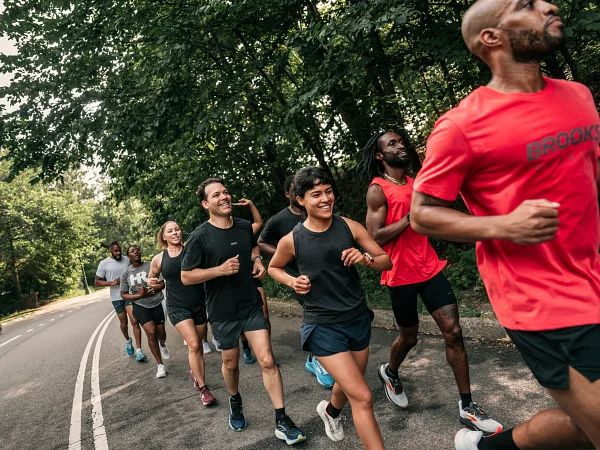
The STRIVE Project, a research and storytelling initiative led by author and activist Alison Mariella Désir, has released a comprehensive report detailing the profound impact of historical redlining and systemic inequities on access to physical activity and outdoor recreation. Supported by Protect Our Winters (POW) through its AAA Grants program and in partnership with 11th Hour Racing, the project explores the socio-spatial barriers that prevent marginalized communities from engaging in exercise and active transportation. By combining qualitative data from community engagement studios with historical analysis, the STRIVE Project seeks to bridge the gap between urban planning, public health, and social justice.
The findings arrive at a critical juncture in the national conversation regarding environmental justice and health equity. As urban centers continue to grapple with the legacy of discriminatory housing policies, the STRIVE Project provides a localized look at how these historical structures dictate the daily movement of residents in four major American hubs: Madison, Seattle, Harlem, and Nashville. The initiative underscores a central thesis presented in Désir’s seminal work, Running While Black: that the ability to run or exercise in public space is not a universal right but a privilege shaped by infrastructure, safety, and racial belonging.
Historical Context and the Legacy of Redlining
To understand the STRIVE Project’s objectives, it is necessary to examine the historical framework of redlining. In the 1930s, the federal government’s Home Owners’ Loan Corporation (HOLC) created "Residential Security" maps that categorized neighborhoods by their perceived risk for mortgage lending. Areas with high populations of Black residents and immigrants were often outlined in red, signifying they were "hazardous." This practice, known as redlining, systematically denied these communities investment, leading to decades of disinvestment in parks, sidewalks, and public safety.
The STRIVE Project demonstrates that while redlining was outlawed by the Fair Housing Act of 1968, its physical and psychological scars remain. Modern-day "redlined" neighborhoods often suffer from the "urban heat island" effect due to a lack of tree canopy, higher levels of air pollution from proximity to highways, and crumbling infrastructure. These factors create a hostile environment for those attempting to engage in active transportation—such as walking or cycling to work—or recreational exercise.
Methodology and Community Engagement
The research methodology for the STRIVE Project was developed in collaboration with the Sports Equity Lab at Stanford University. Moving away from purely quantitative metrics, the team utilized "Community Engagement Studios" to capture the lived experiences of residents. This qualitative approach allowed researchers to identify nuanced barriers that traditional data sets might overlook, such as the "mental load" of navigating racially charged environments or the impact of neighborhood reputation on physical activity.
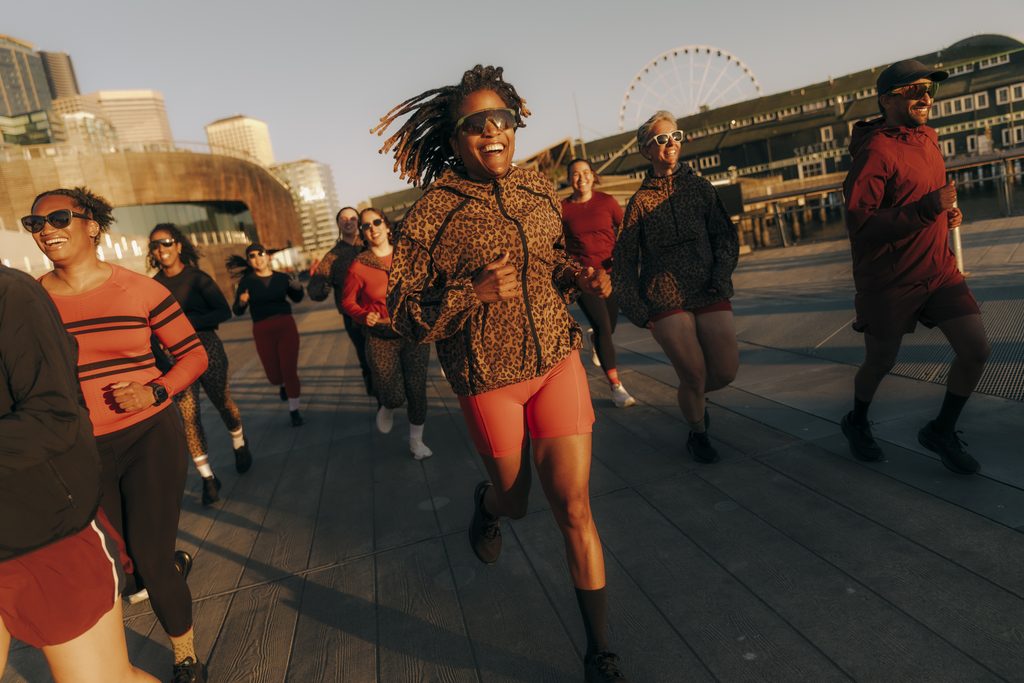
Data collection took place across four distinct urban environments. Local community leaders facilitated these studios, ensuring that participants felt a sense of safety and racial belonging while sharing their stories. The sessions focused on two primary themes: personal experiences with exercise and active transportation, and the participants’ history of involvement in community decision-making processes. The recordings were transcribed and analyzed using a rigorous coding process to identify recurring facilitators and barriers to movement.
Regional Findings: Madison, Seattle, Harlem, and Nashville
The STRIVE Project emphasizes that while systemic themes are universal, the manifestation of these inequities is highly localized. The report discourages direct comparisons between cities, opting instead to highlight the unique landscape of each studied region.
Madison: The Intersection of Infrastructure and Belonging
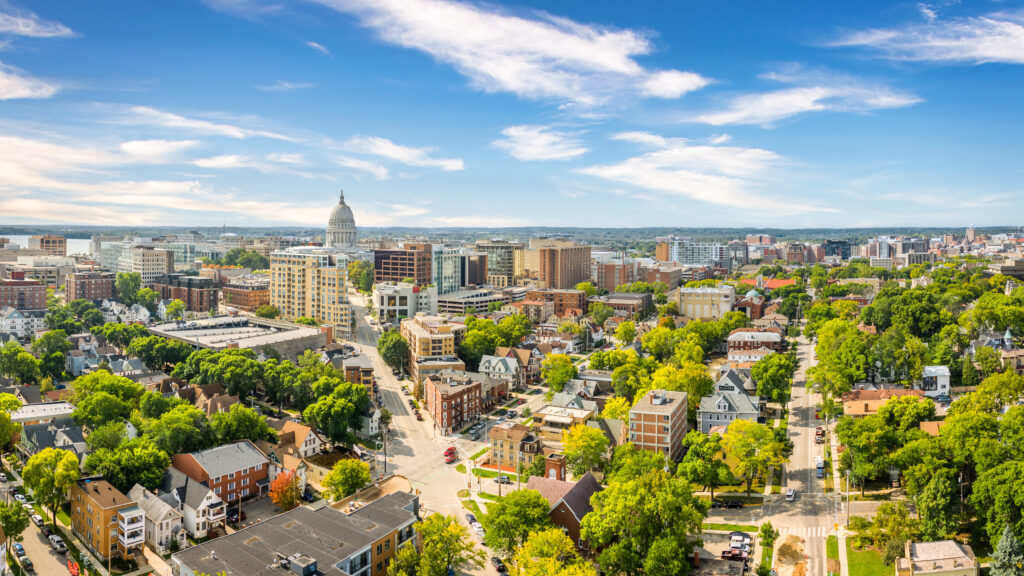
In Madison, Wisconsin, the research identified a stark contrast between the city’s reputation for high-quality outdoor infrastructure and the actual experiences of its Black residents. Facilitators for exercise included access to well-maintained walking paths and a strong sense of community connection. However, these were often offset by experiences of racism and a lack of representation in fitness spaces. Participants noted that even when high-quality infrastructure existed, a lack of "racial belonging" acted as a psychological barrier, making them feel like outsiders in their own city.
Seattle: Safety, Cleanliness, and Connectivity
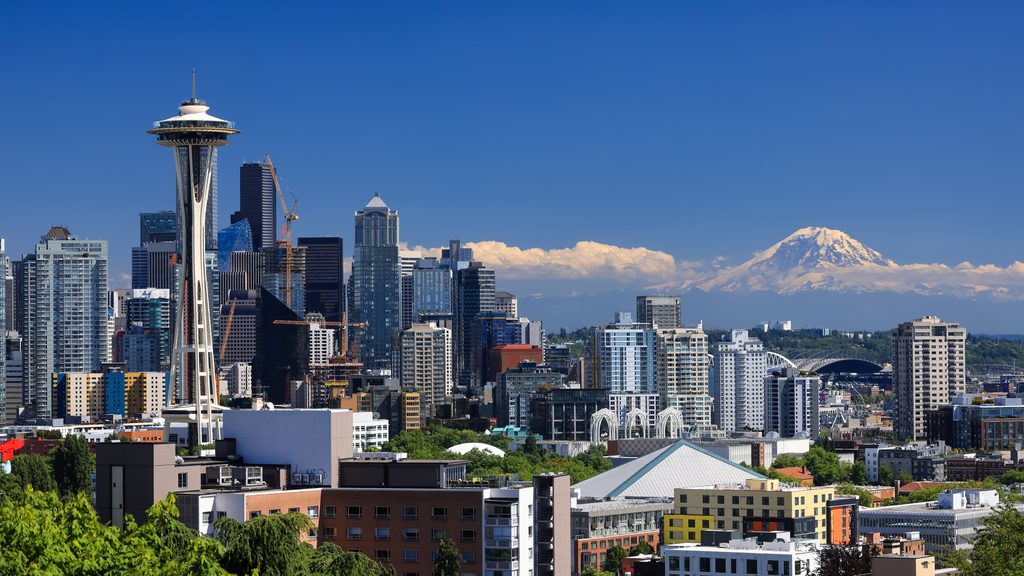
The Seattle findings highlighted the importance of proximity and convenience. Residents who lived near parks or designated "greenways" were significantly more likely to exercise. Conversely, the barriers in Seattle were heavily tied to safety and the physical condition of the environment. Issues such as poor driver behavior, inadequate lighting, and the presence of homelessness were cited as major deterrents. Furthermore, gender played a significant role in Seattle, with female-identifying participants expressing higher levels of vulnerability when exercising in poorly lit or isolated areas.
Harlem: Reputation and Pedestrian Risk
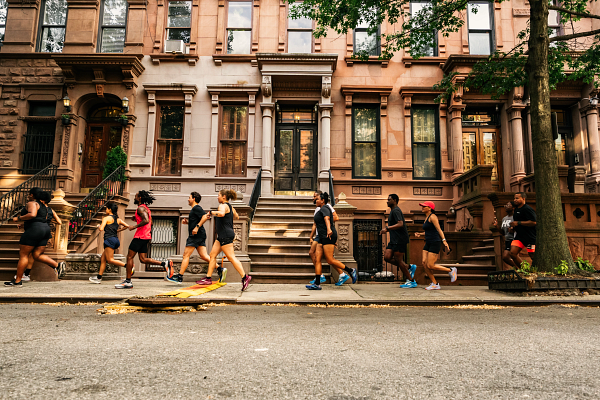
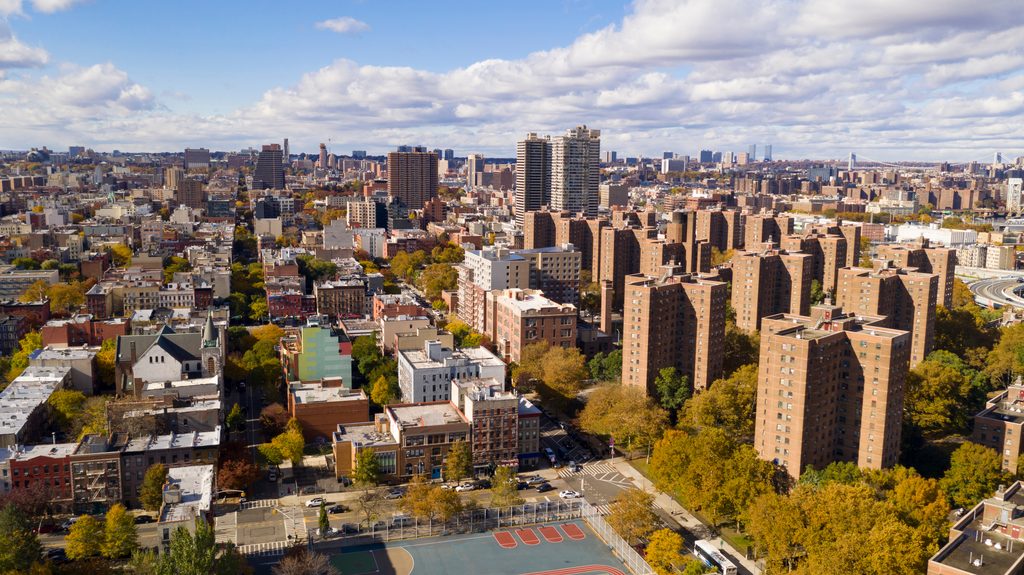
In Harlem, the narrative centered on the cultural identity of the neighborhood. Community connection was the primary facilitator for movement, with residents drawing strength from the historic Black culture of the area. However, the barriers were distinct: a "poor neighborhood reputation" fostered by outside perceptions often translated into internal stress for residents. Additionally, Harlem participants highlighted the physical risks of the urban environment, including aggressive driving and the high risk of pedestrian injury, which discouraged active transportation.
Nashville: Gentrification and Rapid Displacement
The Nashville data provided a poignant look at how rapid urban development can paradoxically decrease access to exercise. Gentrification emerged as a primary barrier, as rising costs and changing neighborhood demographics altered the social fabric that previously supported community-based exercise. While new sidewalks and infrastructure were being built, they were often perceived as being intended for new, wealthier residents rather than the existing community. This led to a diminished sense of belonging and a fear that the "transformation" of the landscape was not designed for them.
Analysis of Universal Facilitators and Barriers
Across all four cities, the STRIVE Project identified a "Codebook" of facilitators and barriers that define the modern American experience of movement.
Key Facilitators:
- Community Connection: The presence of run clubs, walking groups, or social networks that provide safety in numbers and emotional support.
- Proximity: The "15-minute city" concept, where exercise spaces are located within a short distance of home.
- Racial Representation: Seeing others who look like themselves in the outdoors or in fitness marketing, which validates their right to occupy those spaces.
Key Barriers:
- Infrastructure Deficits: A lack of shade, poorly maintained sidewalks, and inadequate lighting.
- Environmental Stressors: Air pollution, noise, and the "chaos" of busy streets near highways.
- Psychological Load: The "staring" by onlookers and the constant vigilance required to navigate potentially racist or combative environments.
- Economic Factors: The lack of affordable bike-share programs (like Citybike) or the need for expensive public transportation to reach safe parks.
Official Project Leadership and Collaborative Efforts
The STRIVE Project is the result of a multi-disciplinary effort involving experts in public policy, health, and advocacy. The leadership team includes:
- Alison Mariella Désir: Project Lead and POW Run Alliance member.
- Lindsey Gearin: PhD student in Public Policy and Management at Ohio State University (Qualitative Analysis).
- Lee Weintraub, MPH, CHES: Qualitative Analysis Team Member.
- Melissa Tuttle Carr: Donor Relations Specialist at the Wisconsin Bike Fed (Advocacy and Analysis).
- Dr. Yetsa A. Tuakli-Wosornu: Academic contributor.
- Anthony Law, MPH: Project Coordinator.
The methodology’s robustness was further bolstered by the Sports Equity Lab at Stanford University, ensuring the findings meet academic standards while remaining accessible to the general public.
Broader Impact and Future Implications
The STRIVE Project is not intended to be a static report but a catalyst for systemic change. The organizers believe that the qualitative data collected has "just scratched the surface" of the relationship between urban design and human movement. The project’s findings serve as a call to action for urban planners, policy-makers, and the outdoor industry to move beyond "colorblind" approaches to recreation.
Future directions for the project include the development of an immersive portrait photo and mapping exhibit to visualize the data. There are also plans for a docuseries that will further explore the impact of redlining on community health, as well as an oral history project to capture the stories of those living through transforming urban landscapes. By integrating these stories into museums, galleries, and major running expos, the STRIVE Project aims to humanize the statistics of inequity.
Ultimately, the project suggests that "equity" in exercise is not merely about building more parks; it is about dismantling the historical and social barriers that dictate who feels safe, welcome, and empowered to move through the world. The research underscores that until the legacy of redlining is addressed through intentional, community-led investment, the benefits of physical activity will remain an inequitable privilege rather than a public right.
