

The release of the documentary film Beyond the Horizon marks a pivotal moment in the public discourse surrounding the future of renewable energy in the United States. Produced by Dan Holz, a prominent filmmaker and member of the Protect Our Winters (POW) Creative Alliance, the short film arrives at a time when the American offshore wind industry is caught between ambitious climate mandates and a surge of organized opposition. As the nation grapples with the transition to a low-carbon economy, offshore wind has emerged as a lightning rod for political, environmental, and economic debate, with stakeholders on all sides often operating from conflicting sets of data.
Holz, based in Washington state, embarked on the project to investigate the chasm between the portrayal of offshore wind as a clean energy panacea and its characterization as an ecological and national security catastrophe. The film, which is currently streaming online and slated for various environmental film festivals, attempts to peel back what Holz describes as an "onion of learning," revealing a complex web of misinformation, legitimate industry challenges, and untapped potential.
The Political and Historical Context of Offshore Wind in the United States
The trajectory of offshore wind in the U.S. has been significantly influenced by shifting federal priorities. While the Biden administration previously set a target of deploying 30 gigawatts (GW) of offshore wind by 2030, the return of the Trump administration has introduced a different set of priorities. In meetings with oil and gas executives as recently as January 2026, President Trump reiterated his long-standing opposition to the industry, citing concerns over aesthetics, economic viability, and bird mortality.
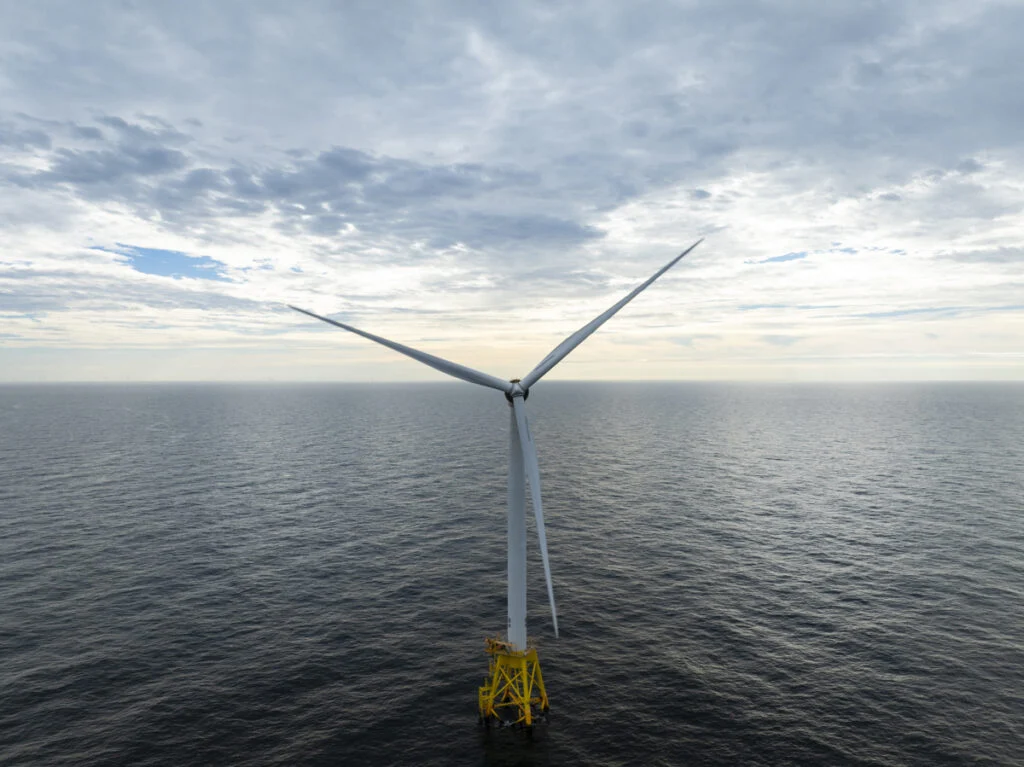
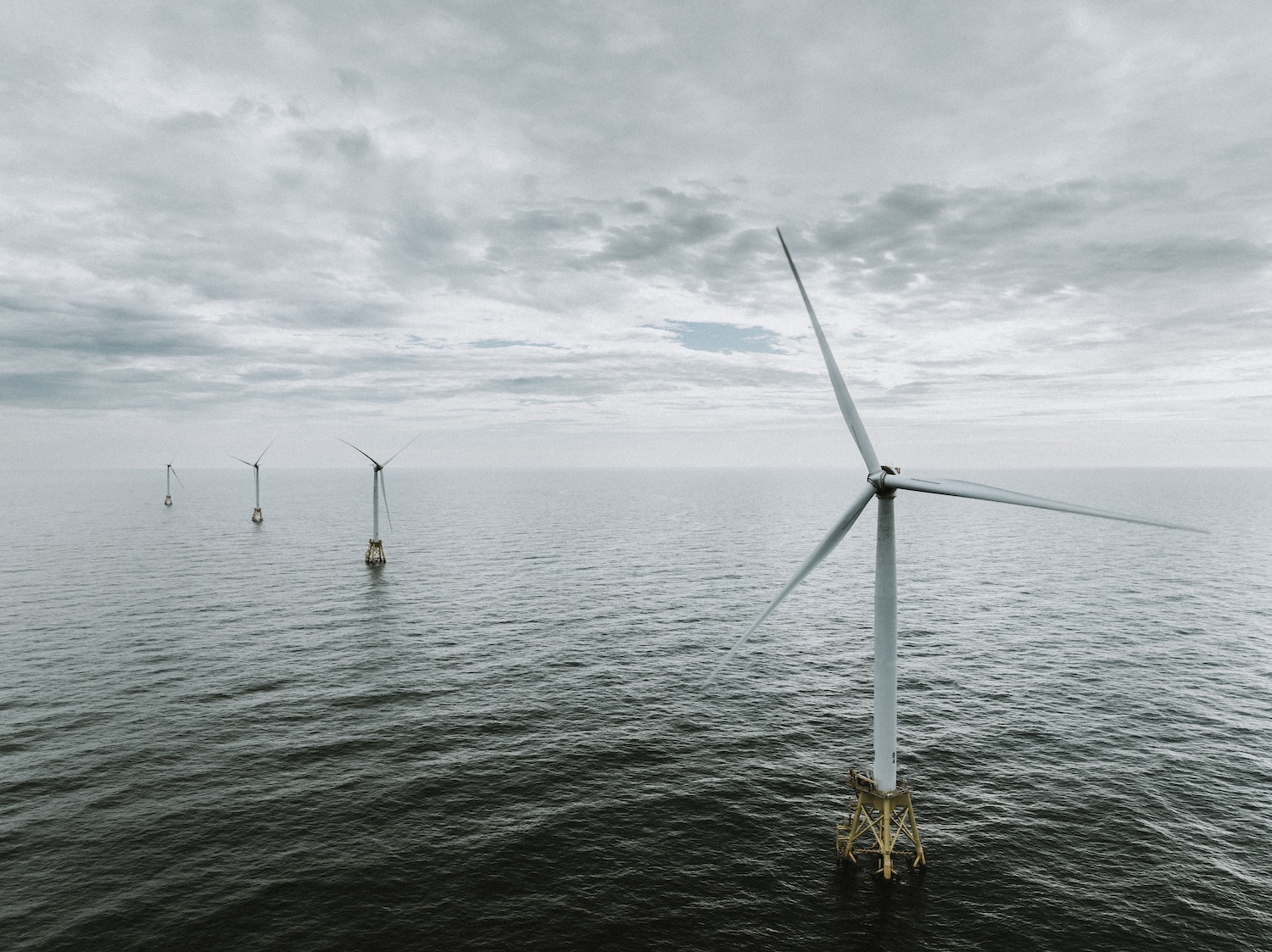
Historically, the U.S. has trailed behind Europe and China in offshore wind development. The first commercial project, the Block Island Wind Farm off the coast of Rhode Island, did not begin operations until 2016. Comprising only five turbines, it served as a proof-of-concept for the industry. Since then, additional projects have been initiated in state waters off Virginia and New York, but the industry has faced significant headwinds, including supply chain disruptions and the cancellation of major projects, such as those led by RWE, following shifts in federal regulatory support.
The rhetoric surrounding "windmills"—a term often used by critics to diminish the industrial scale of modern turbines—has framed the technology as a foreign-made "loser" that destroys coastal landscapes. However, industry data suggests a different reality regarding manufacturing. Currently, over 500 manufacturing facilities across the United States are engaged in the production of wind turbine components, including blades, towers, and generators. This domestic supply chain is a critical component of the American clean energy economy, aiming to reduce reliance on overseas imports while revitalizing industrial hubs.
Addressing the Ecological Concerns: Whales and Marine Life
Perhaps the most persistent criticism of offshore wind involves its impact on marine mammals, specifically the humpback whale and the North Atlantic right whale. Opponents frequently link the installation of turbine foundations to a series of whale strandings along the Atlantic coast. However, scientific evidence from the National Oceanic and Atmospheric Administration (NOAA) Fisheries and the Bureau of Ocean Energy Management (BOEM) suggests that these deaths are part of an "Unusual Mortality Event" (UME) that began in 2016, well before large-scale offshore wind construction commenced.
In Beyond the Horizon, Holz investigates these claims, finding that the primary drivers of whale mortality are ship strikes and entanglement in fishing gear. As ocean temperatures rise due to climate change, the distribution of prey species like menhaden is shifting, drawing whales into shallower, more congested shipping channels. This increased proximity to heavy maritime traffic has led to a rise in fatal collisions.
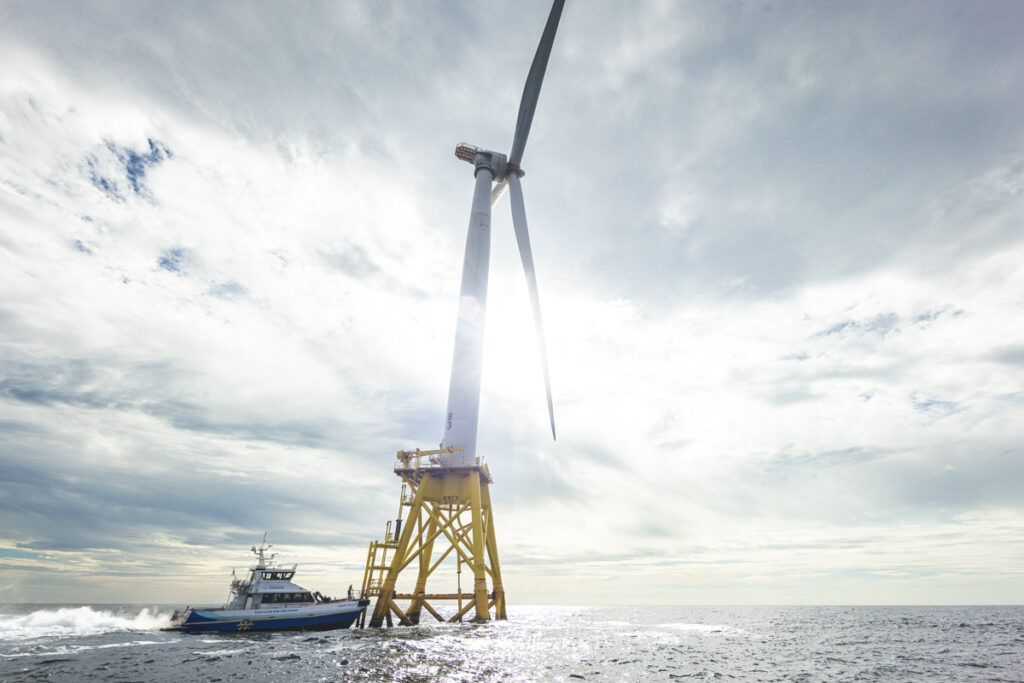
Regarding the noise generated during the construction phase—specifically the pile-driving required for fixed-bottom foundations—the film highlights significant technological advancements. Modern regulations mandate strict underwater noise ceilings. Developers now utilize "bubble curtains"—perforated hoses on the seabed that release a wall of bubbles—to absorb and deflect sound waves. These mitigations have been shown to reduce underwater noise by over 80 percent, protecting the sensitive echolocation of marine mammals.
Economic Implications and Energy Security
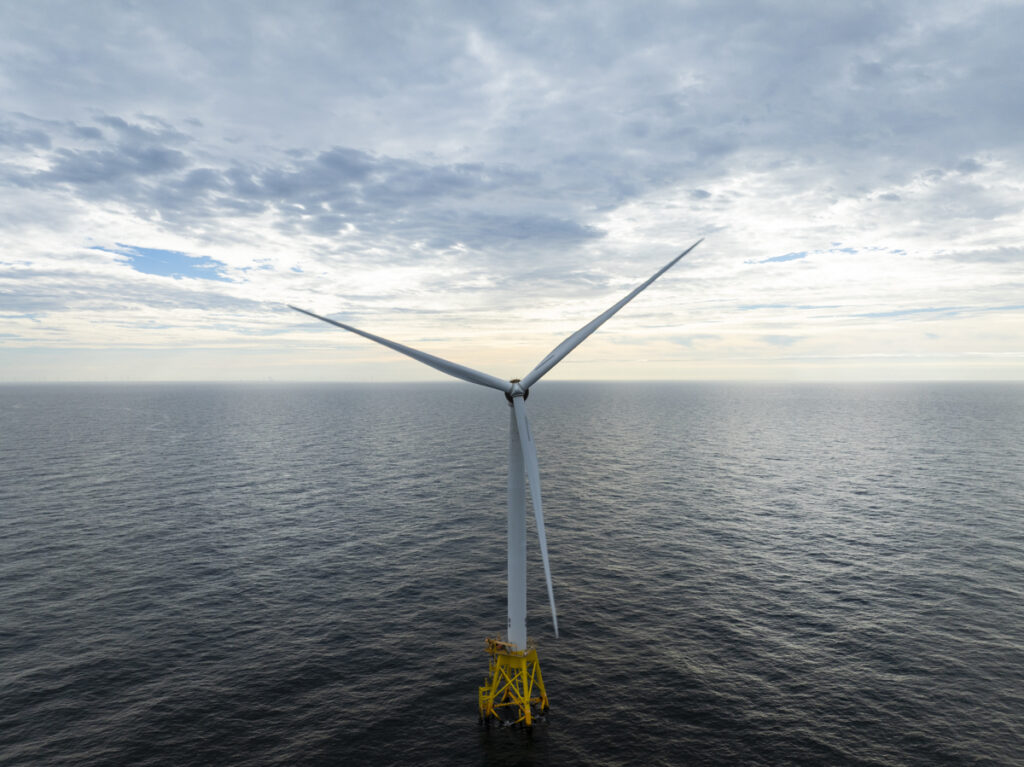
The economic argument for offshore wind centers on its high capacity factor and proximity to major coastal population centers where energy demand is highest. According to the American Clean Power Association, the U.S. has the potential to develop over 4,200 GW of offshore wind in federal waters. To put this in perspective, this capacity is more than three times the current total energy demand of the entire country.
Currently, 44 federal leases have the capacity to generate approximately 73,000 megawatts (MW) of energy. This level of production would be sufficient to power over 21 million homes and support roughly 18,000 jobs in construction, maintenance, and manufacturing. For consumers, the transition to offshore wind offers the promise of long-term price stability. A July 2025 study conducted in the Northeast found that offshore wind could save New England utility customers between $1.32 and $2.68 per month. Unlike fossil fuel power plants, which are subject to the volatility of global commodity markets, the "fuel" for wind turbines—the wind itself—is free, allowing for more predictable power purchase agreements.
National Security and Radar Interference
A recurring point of contention is the impact of wind turbines on military and civilian radar systems. Critics argue that the massive rotating blades can create "clutter" on radar screens, potentially masking threats or complicating air traffic control. This issue has been acknowledged by the U.S. Department of Defense (DOD) and the Department of Energy (DOE).
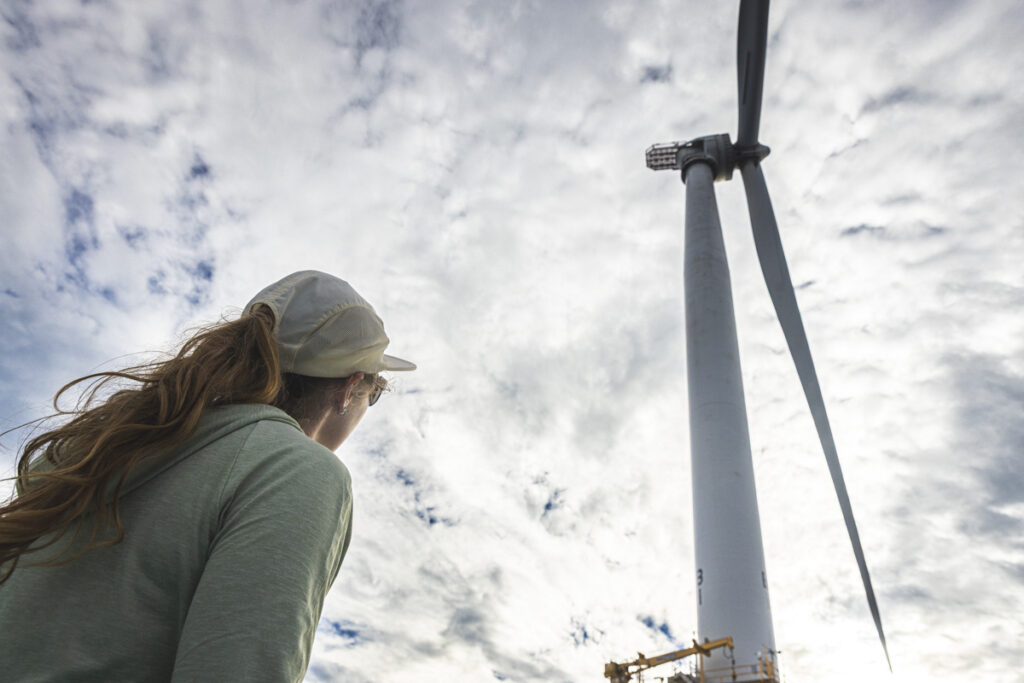
Rather than serving as a reason to halt development, these concerns have spurred a collaborative effort between the federal government and the private sector. The Wind Turbine Radar Interference Mitigation (WTRIM) working group is currently developing software upgrades and advanced radar hardware to distinguish between the movement of turbine blades and actual aircraft or vessels. This proactive approach aims to ensure that clean energy goals do not compromise the operational readiness of the U.S. military.
The Culture of Silence in the Industry
One of the more startling revelations in Beyond the Horizon is the difficulty the production team faced in securing interviews. Holz noted that many key players—ranging from developers to scientists—refused to speak on camera. This "culture of silence" is attributed to various pressures:
- Legal Constraints: Developers often operate under strict non-disclosure agreements or are involved in active litigation regarding project permits.
- Scientific Funding: Some researchers expressed concern that speaking publicly on a highly politicized issue could jeopardize future grant funding.
- Social Pressure: In small coastal communities where fishing is the primary industry, individuals who support wind development often face social ostracization or fear of professional retaliation.
To bridge this gap, the film features Sarah Von Hoene, a marine ecologist who took to the streets of New England towns with hand-drawn signs to engage locals in civil discussion. Her experience underscores the need for localized, transparent communication to combat the "us versus them" narrative that has come to define the offshore wind debate.
Chronology of U.S. Offshore Wind Milestones
- 2016: The Block Island Wind Farm (30 MW) becomes the first commercial offshore wind farm in the U.S. NOAA begins tracking the Unusual Mortality Event for Atlantic humpback whales.
- 2021: The Biden administration announces a national goal to deploy 30 GW of offshore wind by 2030.
- 2023: Major projects like South Fork Wind (New York) and Vineyard Wind (Massachusetts) begin significant construction and offshore installation.
- 2025: Economic studies in the Northeast confirm utility bill savings linked to offshore wind integration.
- January 2026: Federal policy shifts toward the promotion of oil and gas, leading to increased scrutiny and the halting of several offshore wind leases.
- October 2026: Beyond the Horizon is released, providing a scientific and social audit of the industry’s status.
Broader Impact and the Path Forward
The controversy surrounding offshore wind is emblematic of the broader challenges facing the global energy transition. As Beyond the Horizon suggests, the conflict is rarely about a single issue like whale safety or radar interference; rather, it is a clash of values, economic interests, and political identities.
The film’s primary objective is not to serve as propaganda for the wind industry, but to provide a factual foundation upon which citizens can base their own conclusions. As Holz emphasizes, the transition to renewable energy requires more than just engineering and capital; it requires a high degree of public literacy and the courage to look past inflammatory rhetoric.
As the U.S. moves deeper into the late 2020s, the fate of offshore wind will likely be decided in the courts and at the ballot box. With the potential to triple the nation’s energy supply and lower consumer costs, the industry remains a cornerstone of clean energy strategy, provided it can navigate the turbulent waters of public opinion and political opposition. Beyond the Horizon serves as a call to action for voters and policymakers alike to prioritize science over narrative in the quest for a sustainable energy future.
