

For the modern winter sports enthusiast, the logistical hurdle of the "travel day" has long been accepted as an unavoidable tax on time and finances. The traditional itinerary for a ski vacation typically involves a grueling sequence of early-morning flights, baggage claim negotiations, car rental queues, and a multi-hour drive into the mountains. By the time a traveler reaches their lodge, the sun is often setting, and the opportunity to engage in the very activity that prompted the trip has vanished. This transition period often costs travelers a full day of their precious vacation time and, frequently, an extra night of lodging without any corresponding time on the snow. However, as the 2026–27 ski season approaches, a growing number of resorts and airlines are collaborating to dismantle this inefficiency. Through a series of arrival-day incentives, the industry is seeking to transform the "lost" travel day into "Day Zero"—a fully functional day of skiing that adds significant value to the consumer’s experience.
The concept of incentivizing air travelers with immediate mountain access is rooted in regional economic strategies designed to capture market share from competing destinations. Historically, the benchmark for such programs was the "Quick START" (Ski Today and Ride Today) initiative in Park City, Utah. For years, visitors flying into Salt Lake City International Airport (SLC) could present their same-day boarding pass at Park City Mountain Resort, Deer Valley Resort, or Canyons Resort to receive a complimentary lift ticket. While that specific program eventually concluded as the resorts transitioned under new ownership and pass structures like Epic and Ikon, its legacy persists. Today’s landscape features a more diversified array of offerings, ranging from airline-specific rewards programs to lodging-based incentives, all aimed at reducing the friction of mountain travel.
The Strategic Expansion of Alaska Airlines Atmos Rewards
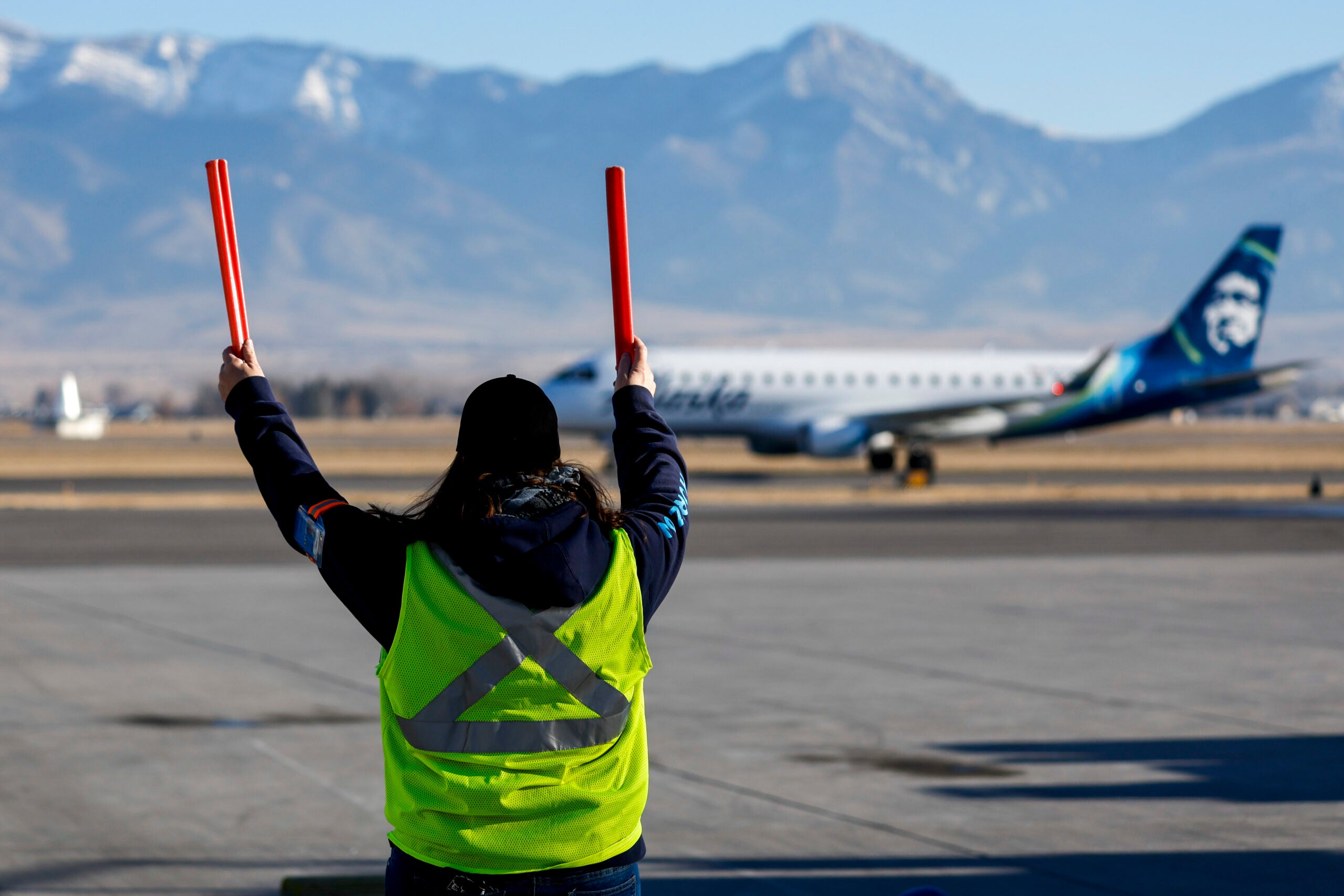
A central player in the 2026–27 arrival-day skiing landscape is Alaska Airlines. Through its Atmos Rewards Alpine Getaways program, the carrier has positioned itself as the premier airline for winter sports enthusiasts in the Western United States and Canada. By leveraging its extensive network of regional mountain airports, Alaska Airlines has created a symbiotic relationship between air travel and resort attendance.
For the upcoming season, the airline has solidified partnerships with major destinations, most notably Crystal Mountain in Washington and Palisades Tahoe in California. These partnerships allow travelers to present a same-day boarding pass—either from Alaska Airlines or its partner, Hawaiian Airlines—to unlock resort-specific perks. At Palisades Tahoe, this typically manifests as a complimentary lift ticket for the remainder of the arrival day, allowing skiers to capitalize on the resort’s extensive terrain in the Sierra Nevada.
Sarah Lasky, Senior External Communications Manager at Alaska Airlines, emphasized the strategic alignment between the airline’s route map and the needs of skiers. "Skiing is a natural fit for Alaska because we serve so many great mountain destinations across the West," Lasky stated. "Through Atmos Rewards, we want to make the journey more rewarding and connect our members with the experiences they love, including making it easier to turn the day they arrive into part of the adventure."
The 2026–27 season is expected to see a continuation of the airline’s broader partnership network, which has historically included Alyeska Resort, Arctic Valley, and Eaglecrest in Alaska; Bogus Basin and Schweitzer in Idaho; and Jackson Hole Mountain Resort in Wyoming. These incentives are not merely a courtesy; they represent a sophisticated data-driven approach to customer loyalty. By integrating the boarding pass with the lift ticket, airlines and resorts can track travel patterns and spending habits, providing a clearer picture of the "ski traveler" demographic.
Jackson Hole: A Case Study in Multi-Resort Collaboration
Perhaps the most robust arrival-day program for the 2026–27 season is found in Jackson Hole, Wyoming. The region has streamlined the process for visitors arriving at Jackson Hole Airport (JAC), the only commercial airport in the United States located inside a national park. In an effort to bolster local tourism across all its major peaks, the region offers a complimentary lift ticket to any traveler arriving on a commercial flight, regardless of the airline.
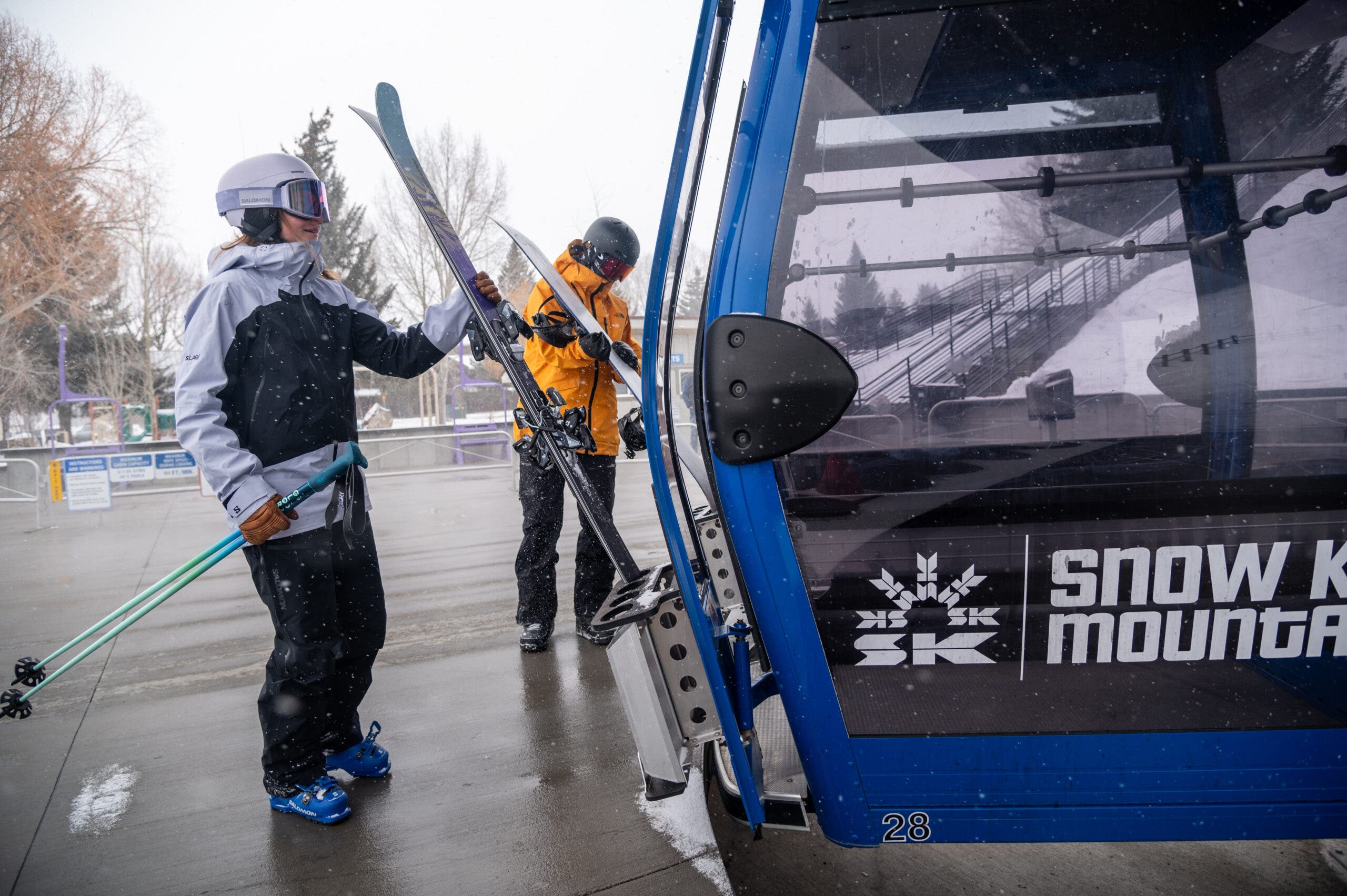
This program includes three distinct destinations: Jackson Hole Mountain Resort (JHMR), Snow King Mountain, and Grand Targhee Resort. The structure of the offer is tailored to the operational strengths of each mountain:
- Snow King Mountain: Known as "The Town Hill," Snow King provides a full-day lift ticket. Because the resort is located within the town limits of Jackson, it is the most accessible for those landing in the early afternoon. Additionally, Snow King’s robust night skiing schedule offers a safety net for travelers whose flights are delayed, ensuring they can still get on the snow after dark.
- Jackson Hole Mountain Resort: This world-renowned destination offers a half-day ticket for arrival-day travelers. Given JHMR’s vertical drop and challenging terrain, a half-day is often sufficient for a vigorous "warm-up" session.
- Grand Targhee Resort: Located on the western slope of the Tetons, Grand Targhee also offers a half-day ticket. While the drive from the airport is longer (approximately 90 minutes), the incentive makes it a viable option for those staying on the "quiet side" of the mountains.
To redeem these offers, the protocol remains strictly enforced: visitors must present their physical or digital boarding pass and a matching photo ID at the resort’s ticket window on the day of arrival. This program serves as a powerful marketing tool for the region, offsetting the high cost of flights into JAC by providing an immediate "rebate" in the form of a lift ticket, which can often exceed $200 in value during peak periods.
International Models: British Columbia and the Chilean Andes
The trend of arrival-day incentives extends beyond the borders of the United States, with distinct models emerging in Canada and South America. In British Columbia, Big White Ski Resort has adopted a lodging-centric approach. For the 2026–27 season, guests who book a minimum of five nights through Big White’s direct booking system qualify for a free arrival-day lift ticket.
This model differs from the Alaska Airlines program in that it is not tied to a specific carrier, but rather to the economic commitment of a multi-night stay. Located 50 minutes from Kelowna International Airport (YLW), Big White is a prime candidate for this program because of its "ski-in, ski-out" village design. Travelers can land, take a shuttle, and be on the lift within two hours of touching down. For those arriving on later flights, Big White’s extensive night skiing—the largest in Western Canada—ensures the free ticket does not go to waste.
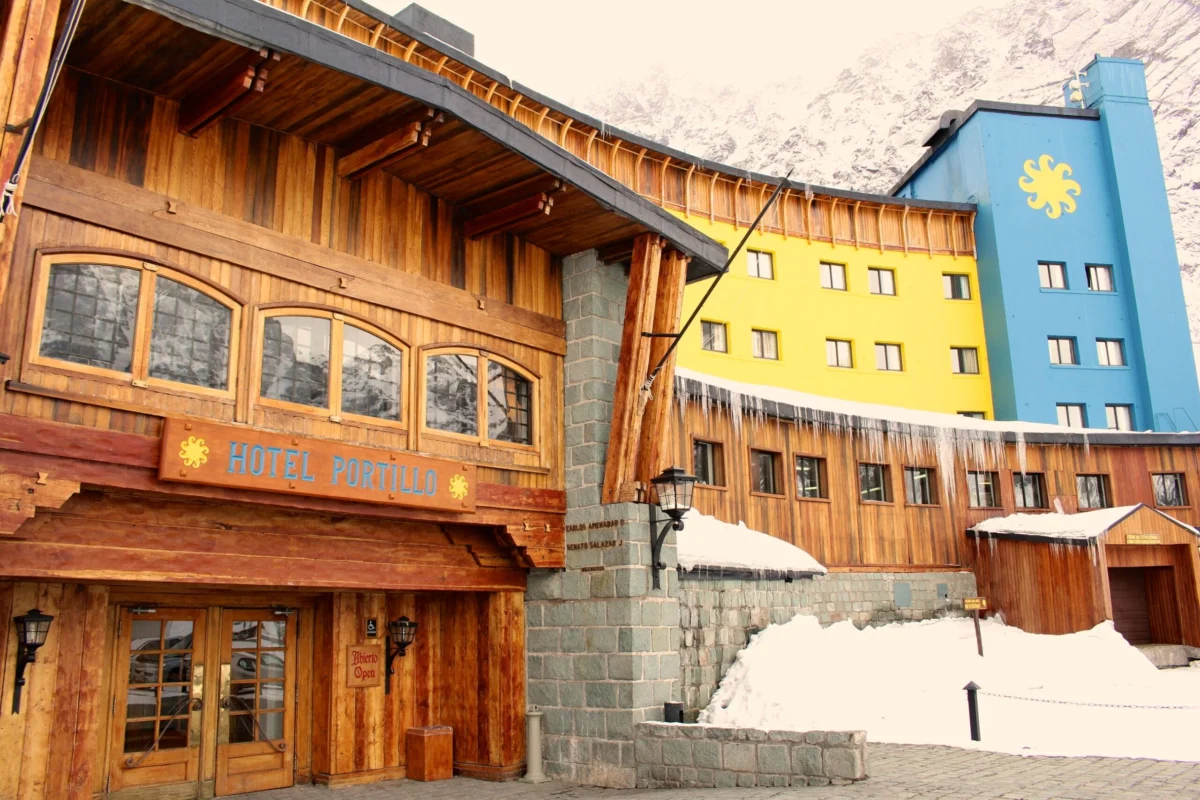
In the Southern Hemisphere, Ski Portillo in Chile offers a different perspective on the "Day Zero" concept. Operating from June through September, Portillo includes arrival and departure day skiing as a standard feature of its all-inclusive packages. Because the resort is located deep in the Andes, roughly two hours from Santiago, most guests arrive via international "red-eye" flights. By allowing guests to ski on the day they arrive and the day they leave, Portillo effectively provides eight days of skiing for a seven-night stay. This all-inclusive approach removes the transactional friction found in North American resorts, treating the arrival day as a seamless extension of the hospitality experience.
Economic Implications and the Rise of the "Value Skier"
The proliferation of these programs comes at a time of significant economic shifts within the ski industry. With daily lift ticket prices at premier North American resorts now frequently surpassing the $250 mark, the "value proposition" has become a critical factor for middle-class families and young professionals.
Industry analysts suggest that arrival-day incentives serve two primary purposes. First, they act as a "loss leader" to encourage on-mountain spending. While the resort forfeits the lift ticket revenue for that afternoon, they stand to gain from equipment rentals, slope-side dining, and après-ski beverage sales. Second, these programs encourage travelers to fly into smaller, regional airports (like JAC or YLW) rather than larger hubs (like SLC or DEN) that might require longer drives. This supports regional airline routes and helps maintain the economic viability of mountain-town infrastructure.
Furthermore, these incentives are a response to the dominance of multi-resort passes like Epic and Ikon. For skiers who do not own a season pass, the "free" arrival day significantly lowers the barrier to entry for a short-term trip. For pass holders, these programs often provide "buddy passes" or discounted rentals, ensuring that the incentive remains relevant even for those who have already prepaid for their season access.
Logistics and Planning: Maximizing the "Day Zero" Strategy
To successfully execute an arrival-day ski session, travelers must navigate a specific set of logistical challenges. The difference between a successful afternoon on the slopes and a frustrated day in transit often comes down to three factors: timing, gear management, and documentation.
1. Flight Scheduling: To maximize a half-day or full-day arrival ticket, travelers should aim for flights that land before 11:00 AM. This allows for the necessary buffer time to clear security, collect baggage, and transit to the resort. For resorts offering night skiing, such as Snow King or Big White, later arrivals are feasible, but the "early bird" strategy remains the gold standard for those seeking optimal snow conditions.
2. The "Boot Bag" Strategy: Veteran travelers recommend carrying ski boots as a carry-on item. While skis and poles can be rented or delayed in transit, a custom-fitted or broken-in pair of boots is irreplaceable. Having boots on hand also speeds up the process at the rental shop, as travelers only need to wait for "demo" skis and poles.
3. Digital and Physical Documentation: Despite the digitization of travel, many resort ticket windows still require a physical boarding pass or a clearly visible digital version with a matching ID. Travelers should ensure their phones are charged and have offline access to their flight confirmations, as cellular service can be spotty in mountain passes.
The Future of Travel-Integrated Recreation
As the 2026–27 season progresses, the success of these programs will likely dictate the future of ski travel marketing. If data shows that arrival-day incentives successfully drive longer stays and higher ancillary spending, more resorts may follow the lead of Jackson Hole and Palisades Tahoe.
The broader implication is a shift toward "integrated travel," where the boundaries between the journey and the destination are increasingly blurred. In an era where remote work allows for more flexible travel schedules, the ability to land in a new city and be on a chairlift within the hour is a powerful draw. For the ski industry, the "travel day" is no longer a dead zone of productivity; it is the newest frontier for customer engagement and mountain adventure.
