

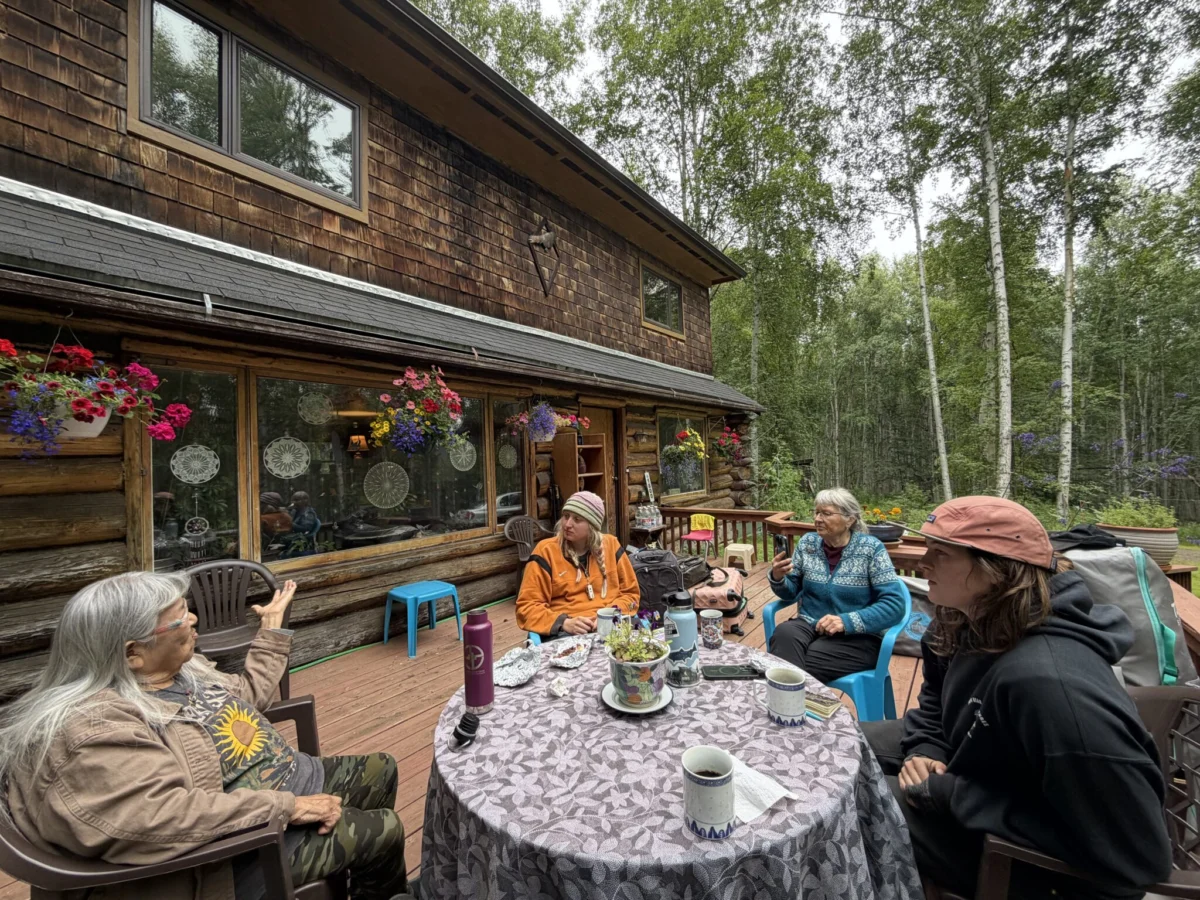
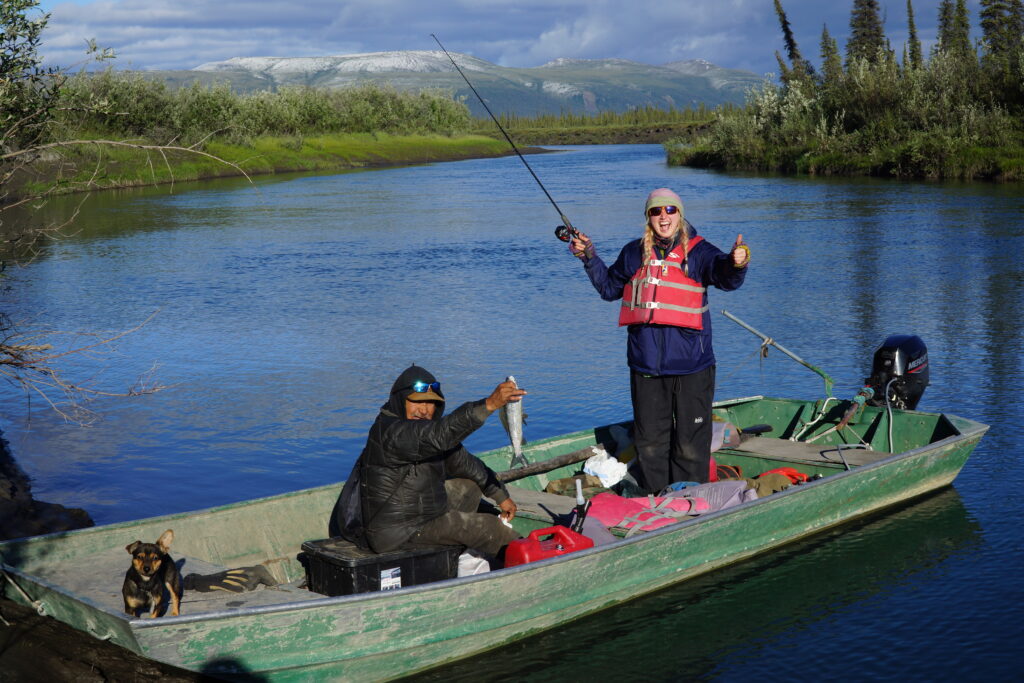
The Arctic National Wildlife Refuge, a sprawling 19.6-million-acre expanse in northeastern Alaska, is currently witnessing a profound transformation as the dual pressures of climate change and industrial interest converge on one of the planet’s last intact ecosystems. In the Neets’aii Gwich’in community of Vashraii K’oo, also known as Arctic Village, local residents and visiting researchers are documenting unprecedented ecological shifts that signal a broader crisis in the circumpolar North. Among the most striking indicators is the arrival of King Salmon in waters where they were historically absent. Local elders and subsistence hunters, such as Charlie Swaney, report that these fish are migrating further north in a desperate search for the colder thermal refugia necessary for their survival. This shift is not merely a biological curiosity; it represents a fundamental disruption of the subsistence patterns that have sustained the Gwich’in people for millennia.
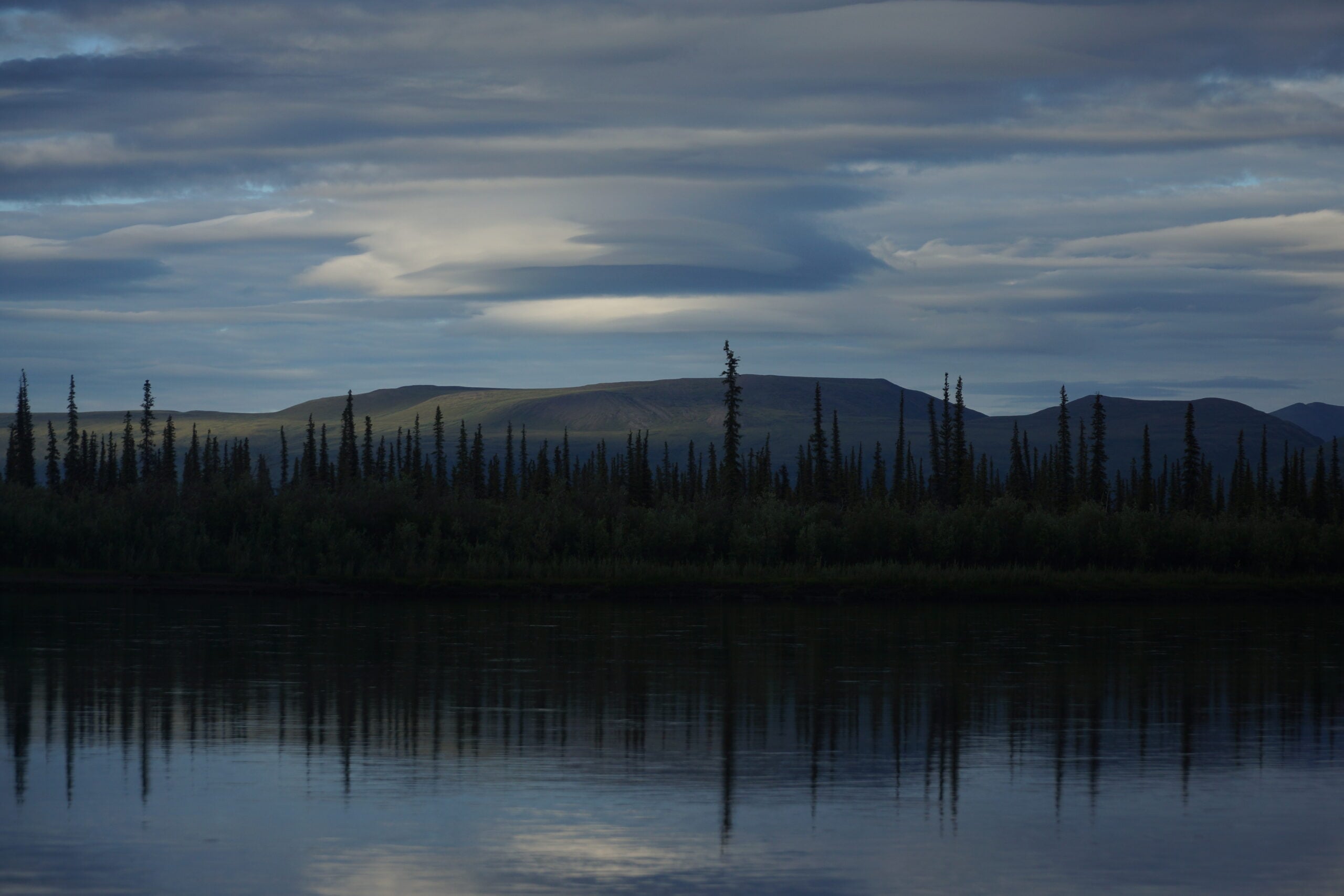
The Intersection of Culture and Climate Resilience
For the Gwich’in Nation, the health of the land is inextricably linked to the health of the people. This relationship is most clearly defined by the Porcupine Caribou Herd, which utilizes the refuge’s coastal plain as a calving ground. Known in Gwich’in as "Iizhik Gwats’an Gwandaii Goodlit"—The Sacred Place Where Life Begins—the refuge is the cultural and nutritional cornerstone of the region. Sustainability educators and advocacy groups, including Informed Experiences and Protect Our Winters, have spent over a decade documenting the ways in which the Gwich’in leadership integrates traditional ecological knowledge with modern climate advocacy.
Observers note that the Gwich’in approach to conservation is characterized by a "steadfast and united" defense of the land, framed not just as environmentalism, but as a matter of human rights and cultural survival. The community’s resistance to industrial development is rooted in the understanding that any degradation of the refuge’s ecosystem, particularly the coastal plain, would have catastrophic consequences for the caribou and, by extension, the Gwich’in way of life. This unified front has become a focal point for international climate justice movements, serving as a case study in how indigenous-led conservation can challenge large-scale extractive industries.
Ecological Indicators: Arctic Greening and Permafrost Collapse
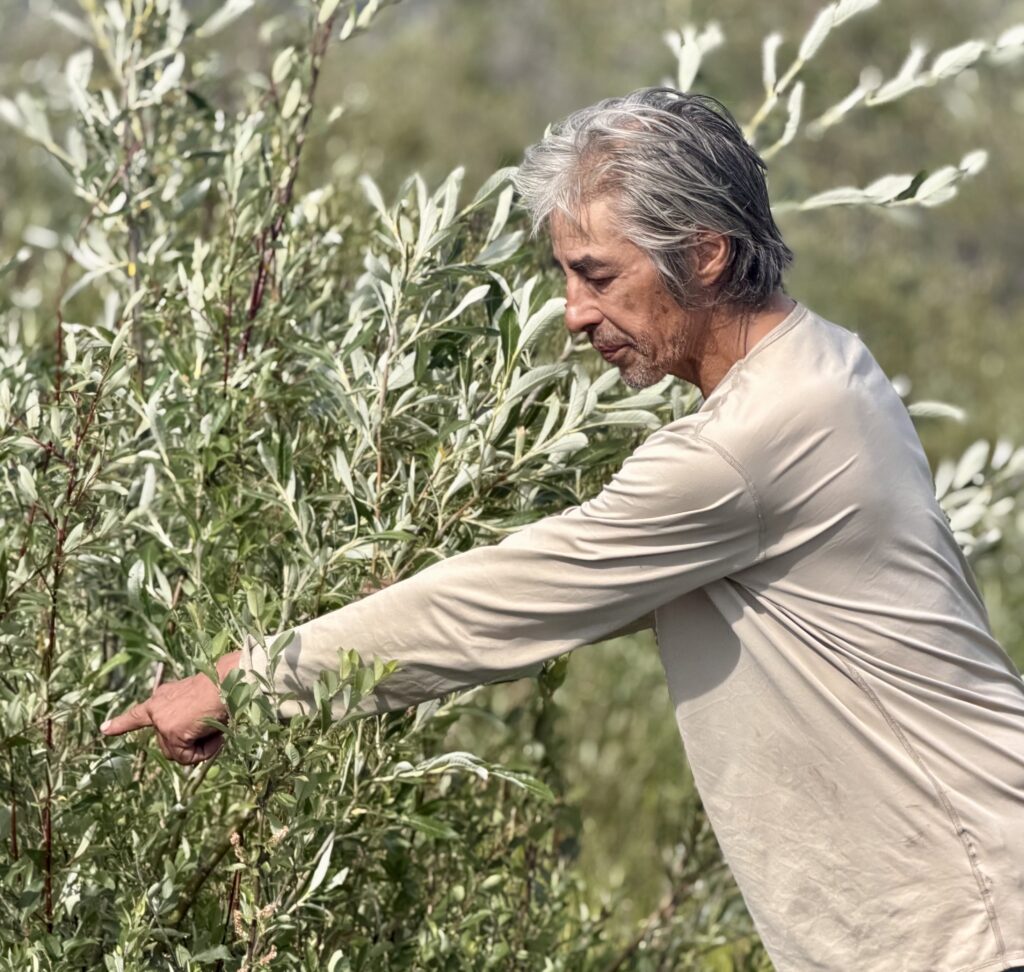
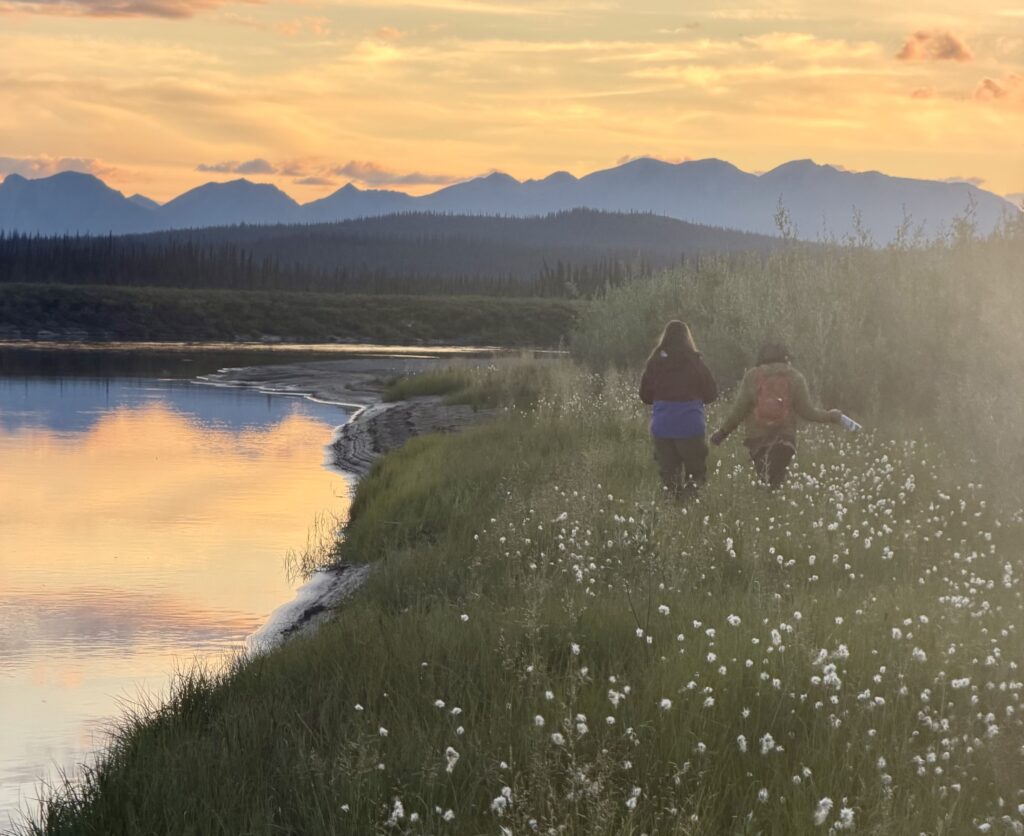
The physical landscape of the Arctic Refuge is changing at a rate that exceeds most global models. Scientific data indicates that the Arctic is warming four times faster than the global average. This rapid temperature increase has triggered a phenomenon known as "Arctic Greening." In areas along the East Fork of the Chandalar River, vegetation that was once characterized by low-lying tundra is being replaced by thick, tall willow stands. Observations from the past 13 years reveal a stark disparity between current conditions and historical records; what was once a barren, frozen landscape is now becoming increasingly overgrown with woody shrubs.
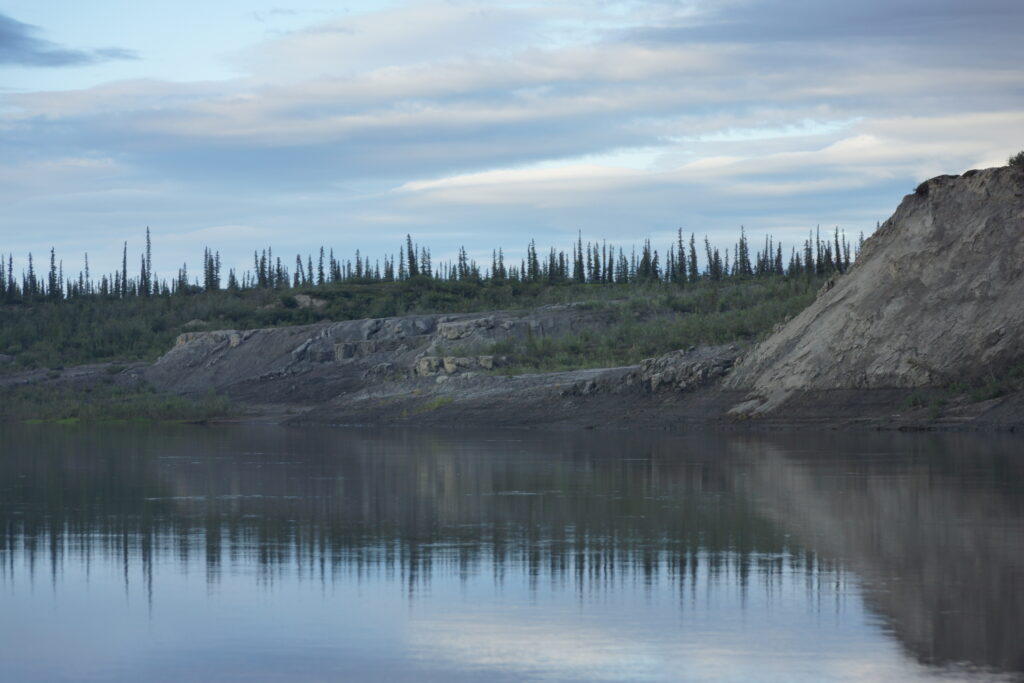
While "greening" might sound positive in a temperate context, in the Arctic, it signifies a dangerous feedback loop. The expansion of vegetation can lower the region’s albedo, causing the ground to absorb more solar radiation and further accelerating the thaw of the underlying permafrost. Evidence of this degradation is visible throughout the refuge in the form of sinkholes and "thermokarst" collapses. As the permafrost—ground that has remained frozen for thousands of years—melts, it releases stored carbon and methane into the atmosphere, while simultaneously destabilizing the terrain upon which local infrastructure and wildlife rely. These geological shifts represent the land’s "adaptive response" to fluctuating climatic conditions, though the human and animal residents of the region are forced to bear the brunt of changes they did little to cause.
A Chronology of Conflict: The Fight for the Coastal Plain
The legislative history of the Arctic National Wildlife Refuge is a decades-long saga of political maneuvering and legal challenges. Established in its modern form by the Alaska National Interest Lands Conservation Act (ANILCA) in 1980, the refuge has long been the subject of a "tug-of-war" between conservationists and proponents of oil and gas development. The primary point of contention is the 1.5-million-acre "Section 1002" area, or the coastal plain, which is believed to contain significant hydrocarbon reserves but is also the biological heart of the refuge.
In 2017, the passage of the Tax Cuts and Jobs Act mandated the federal government to hold two lease sales in the coastal plain by 2024. This move was met with fierce opposition from the Gwich’in Steering Committee and environmental NGOs. The first lease sale, conducted by the Bureau of Land Management (BLM) in January 2021, was widely considered a failure for the industry. Major oil companies refrained from bidding, and the majority of the tracts were picked up by a state-owned Alaska corporation.
The subsequent shift in U.S. federal administration led to a temporary moratorium on these leases, and in 2023, the Department of the Interior moved to cancel the remaining leases issued under the previous administration, citing "legal deficiencies" in the environmental review process. Despite these victories for conservationists, the threat of future development remains a persistent concern for residents like Dr. Sarah James, a Neets’aii Gwich’in Elder and Goldman Environmental Prize winner, who asserts that while the movement is winning, the effort for permanent protection must continue indefinitely.
Subsistence Economics and Food Sovereignty
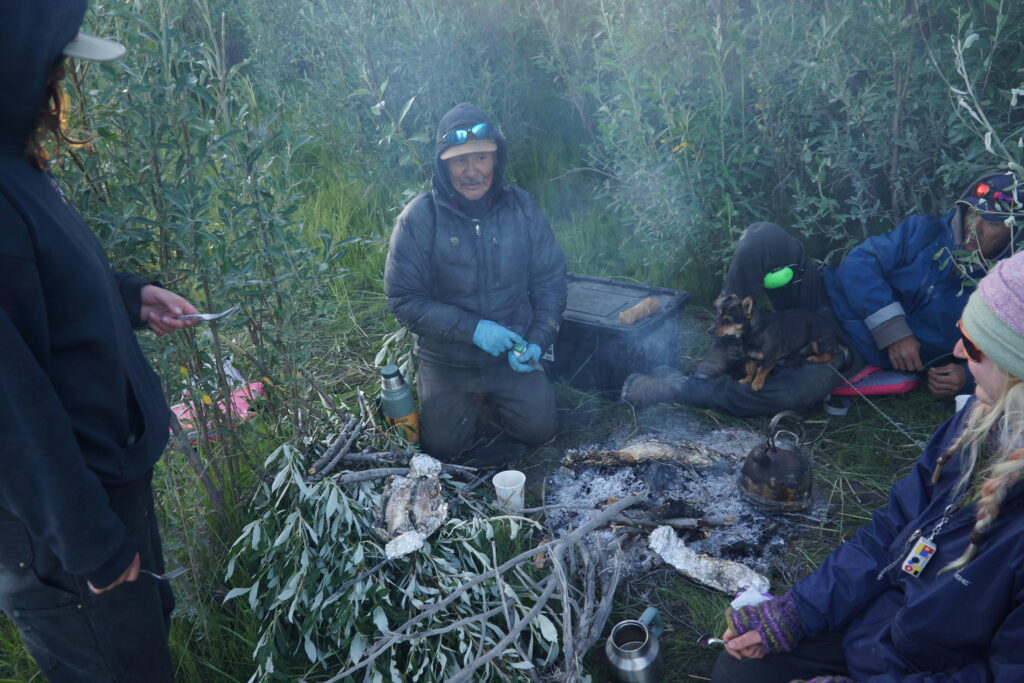
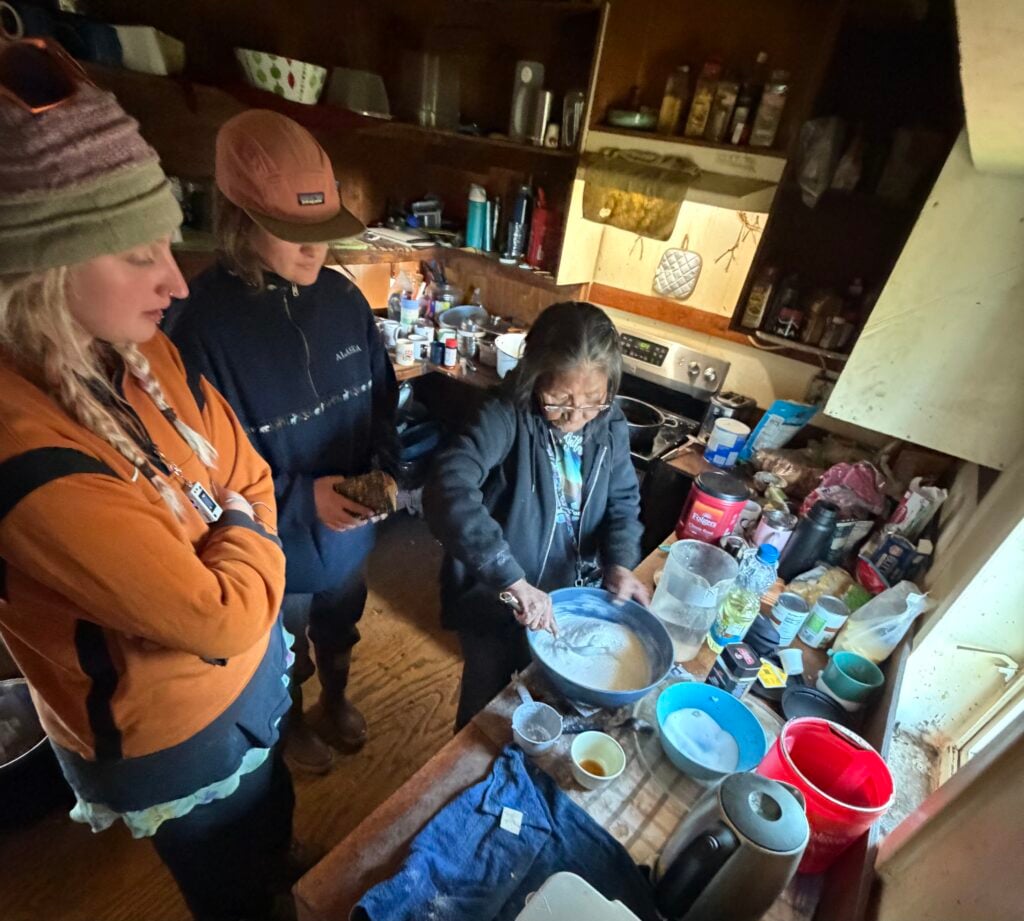
The economic implications of climate change in the Arctic are deeply tied to food sovereignty. In Vashraii K’oo, the cost of importing food is prohibitively high, making the harvest of caribou, moose, and fish a necessity rather than a choice. Leaders in the community emphasize that "everything we need is here," pointing to the land as a self-sustaining supermarket that provides superior nutrition compared to processed goods from the south.
However, as subsistence sources shift due to warming waters and changing migration patterns, the health of the community is put at risk. The sharing of a moose harvest, for example, is a communal event that involves elders teaching youth the traditional methods of butchering, storing, and cooking meat. This process ensures that "not a single drop goes to waste" and reinforces the social fabric of the village. When climate change disrupts the availability of these animals, it threatens the transmission of cultural knowledge and the physical well-being of the population. The Gwich’in people view the protection of the refuge not as an isolated environmental goal, but as the preservation of a "life-support system" that spans generations.
Institutional Responses and the Role of the "Outdoor State"
The movement to protect the Arctic Refuge has garnered support from a diverse coalition known as the "Outdoor State"—a network of outdoor enthusiasts, athletes, and brands that leverage their economic and social influence to advocate for climate policy. Organizations such as the Gwich’in Steering Committee (GSC) and SILA (Socially and Environmentally Responsible Allied Communities) have been instrumental in elevating the voices of Arctic defenders to the boardrooms of major financial institutions and oil companies.
Recent advocacy efforts have focused on "speaking truth to power" regarding the intersecting issues of climate justice and corporate responsibility. Public pressure has led several major U.S. banks to announce that they will no longer finance oil and gas projects in the Arctic Refuge. This shift in the financial landscape suggests that the voices of indigenous leaders are increasingly influencing global capital, making the prospect of Arctic drilling less economically viable even when it is politically sanctioned.
Broader Impact and Global Implications
The struggle over the Arctic National Wildlife Refuge serves as a microcosm for global climate and sustainability challenges. The refuge represents one of the last intact ecosystems of its kind, and its fate is seen by many as a litmus test for the world’s commitment to transitioning away from fossil fuels. The successful resistance against the 2021 lease sales has become a "rallying cry" for climate defenders across the United States, illustrating that unified community action can halt industrial expansion even in the face of federal mandates.
As the land continues to respond to warming—through permafrost collapse, shifting species ranges, and altered vegetation—the resilience of the Gwich’in people remains the primary defense against total ecological transformation. The movement for permanent protection of the Arctic Refuge is not merely about preserving a remote wilderness; it is about defending the right to self-determination and the right for sacred places to remain in their original state. The ongoing guardianship of elders, coupled with the leadership of a new generation of youth, ensures that the message of the "Sacred Place Where Life Begins" continues to ripple far and wide, reminding the global community that the health of the Arctic is a reflection of the health of the planet.
