

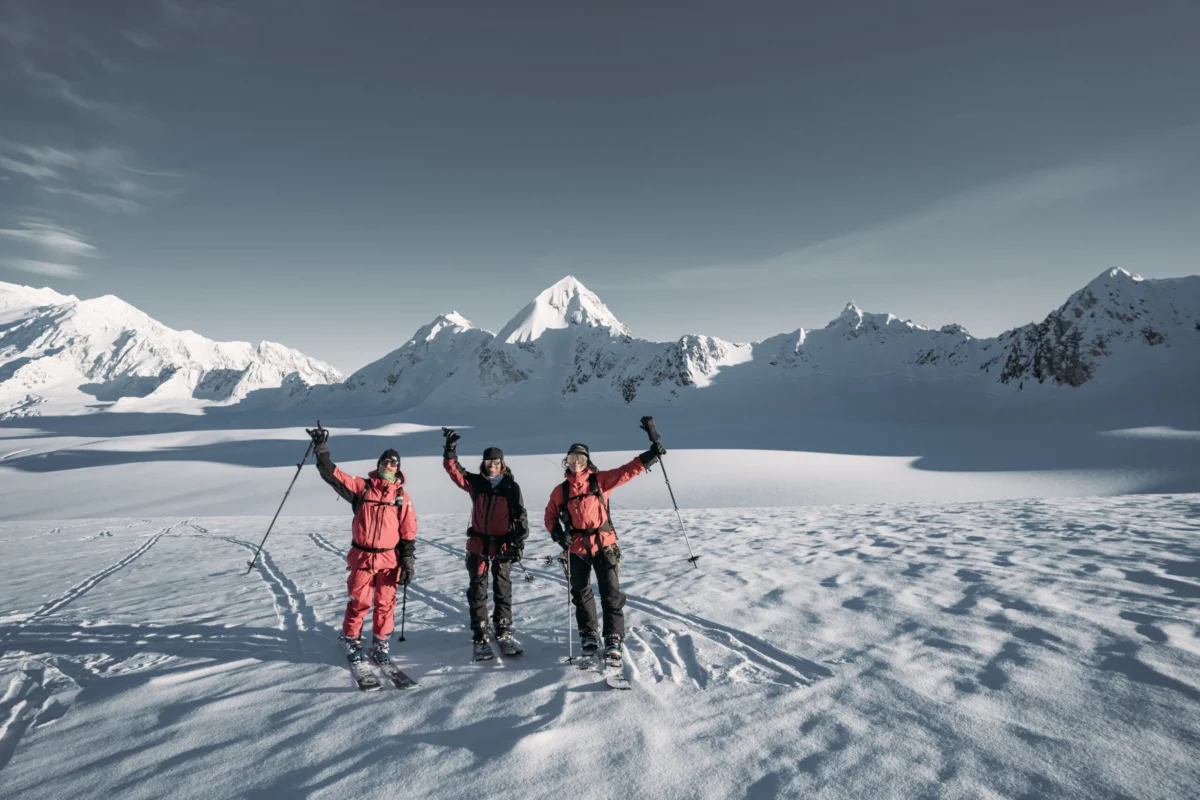
Deep within the rugged expanse of Canada’s Kluane National Park, a high-stakes search for historical artifacts has bridged the gap between the golden age of mountaineering and modern glaciological science. Professional skier and adventurer Griffin Post, in collaboration with Teton Gravity Research (TGR) and a team of glaciologists from the University of Ottawa, recently embarked on a multi-year mission to locate a legendary cache of equipment abandoned on the Walsh Glacier in 1937. The mission, documented in the upcoming film "The Lost Cache," represents a unique intersection of archival research, extreme athletics, and environmental study, highlighting the dramatic shifts in the Arctic landscape over the last eight decades.
The search centered on a massive haul of gear left behind by American mountaineering icons Bradford Washburn and Robert Bates during their historic first ascent of Mount Lucania. For 85 years, the equipment—which included vital survival supplies and a specialized aerial camera—remained entombed within the moving ice of the Yukon. The quest to find it required the team to navigate one of the most volatile glacial environments on earth, where the ice does not merely sit but flows and surges, carrying the secrets of the past toward an uncertain future.
The 1937 Expedition: A Survival Story of the St. Elias Range
To understand the significance of the search, one must look back to June 1937, when Bradford Washburn and Robert Bates set out to conquer the 17,145-foot Mount Lucania, which was at the time the highest unclimbed peak in North America. The logistics of the era were primitive by modern standards. The pair was flown onto the Walsh Glacier by bush pilot Bob Reeve, who managed to land his ski-equipped plane on the slushy, melting surface of the glacier.
However, after dropping Washburn and Bates, the weather turned, and the glacial conditions deteriorated rapidly. Reeve was unable to return with the rest of the climbing team or the additional supplies. Stranded more than 100 miles from the nearest outpost of civilization and facing a landscape of impassable ice, Washburn and Bates realized they could not carry their heavy equipment if they hoped to survive the journey out.
The duo made the difficult decision to cache over 1,000 pounds of gear, including tents, climbing ropes, cooking supplies, and most notably, Washburn’s Fairchild F-8 aerial camera. This camera was a massive, large-format instrument used for mapping and high-altitude photography, a cornerstone of Washburn’s career as a renowned cartographer and photographer. Abandoning the gear, the two men successfully summited Mount Lucania and then completed an epic, grueling trek across the Saint Elias Mountains to safety. While Washburn frequently spoke of returning to the Walsh Glacier to retrieve his camera, the shifting nature of the ice and the onset of World War II eventually rendered the recovery impossible during his lifetime.
From Literature to Exploration: Griffin Post’s Vision
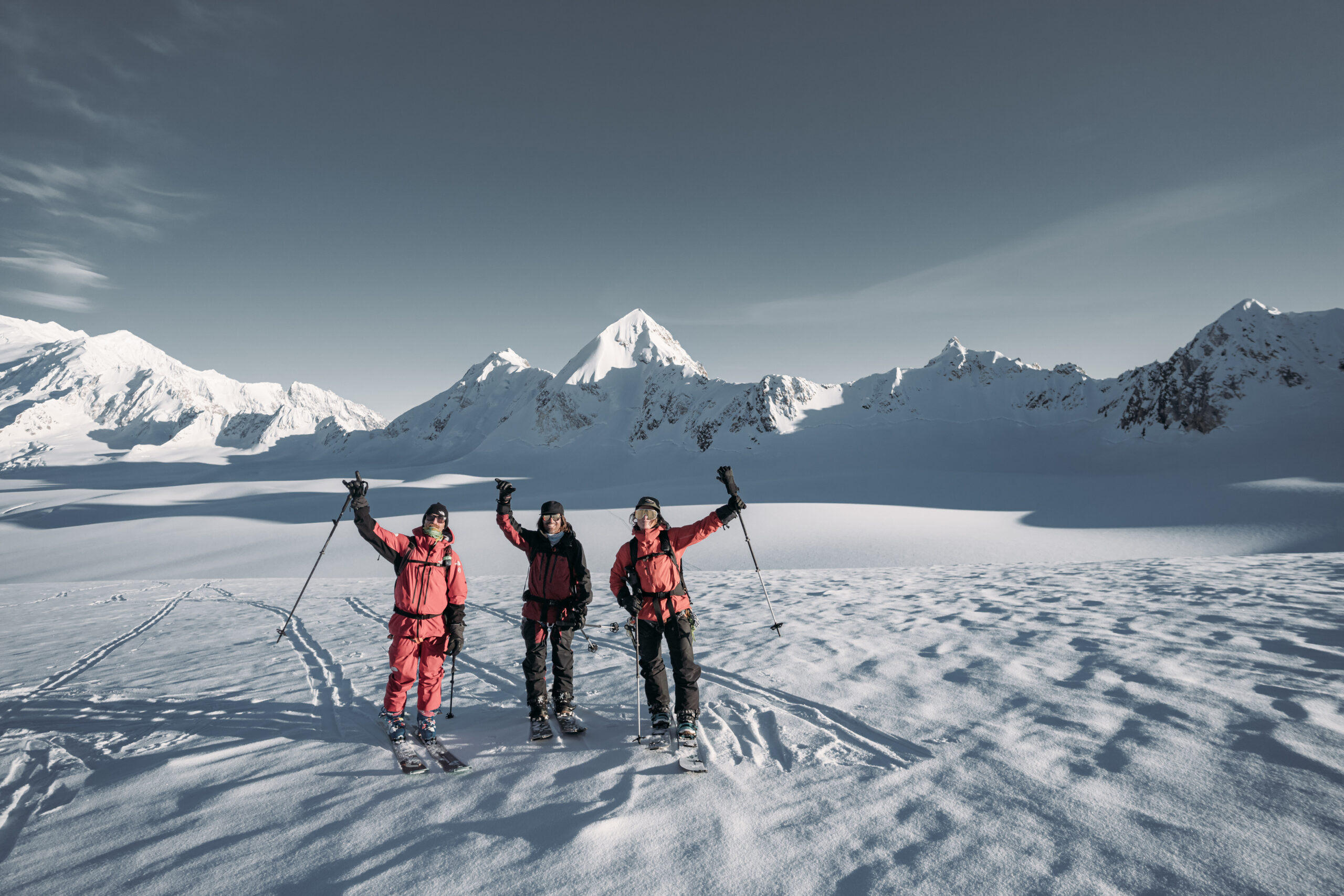
The modern quest began not on a glacier, but in the pages of a book. Griffin Post, a member of the Protect Our Winters (POW) Athlete Alliance, encountered the story while reading David Roberts’ 2002 book, Escape from Lucania. A brief passage in the epilogue mentioned that the cache had never been found. For Post, this was more than a historical footnote; it was a challenge.
Post spent several years obsessing over the details of the 1937 expedition. He utilized the archives of Boston University, the Museum of Science in Boston (which Washburn founded), and the University of Alaska Fairbanks to piece together the probable location of the original camp. By cross-referencing Washburn’s original journals, hand-drawn maps, and black-and-white aerial photographs, Post attempted to triangulate a starting point on a landscape that had changed significantly due to nearly a century of movement and melting.
The project gained momentum through the support of Teton Gravity Research and the Advocacy & Adventure Alliance Grants from Protect Our Winters. However, the team quickly realized that finding the cache would require more than just mountaineering skills; it would require a deep understanding of glacial dynamics.
The Science of Glacial Surges and Movement
Locating a 1,000-pound pile of gear on a glacier after 85 years is an exercise in complex mathematics. Unlike a stationary mountain peak, a glacier is a "river of ice" that is constantly in motion. To assist in the search, Post recruited Dr. Dora Medrzycka and a team of glaciologists from the University of Ottawa.
The Walsh Glacier is known as a "surging" glacier. While a typical glacier might move a few inches or a foot per day, a surging glacier can experience periods of rapid acceleration, moving as much as 50 feet per day for months or even years. Dr. Medrzycka’s primary task was to calculate the cumulative movement of the ice since 1937. This involved accounting for:
- Baseline Flow: The standard annual movement of the glacier driven by gravity and internal deformation.
- Surge Events: Historical data indicates the Walsh Glacier has undergone several major surges since the 1930s. Each surge could have moved the cache miles further down-valley than standard flow models would suggest.
- Ablation and Accumulation: The process of snow piling up (accumulation) and ice melting (ablation) determines the depth at which the artifacts might be buried—or if they had already melted out and been lost to the elements.
Initial estimates by Parks Canada were skeptical, with officials suggesting there was virtually no chance of locating the equipment. The margin of error in calculating 85 years of movement on a surging glacier was immense, potentially spanning several kilometers.
Field Operations and the Impact of Climate Change
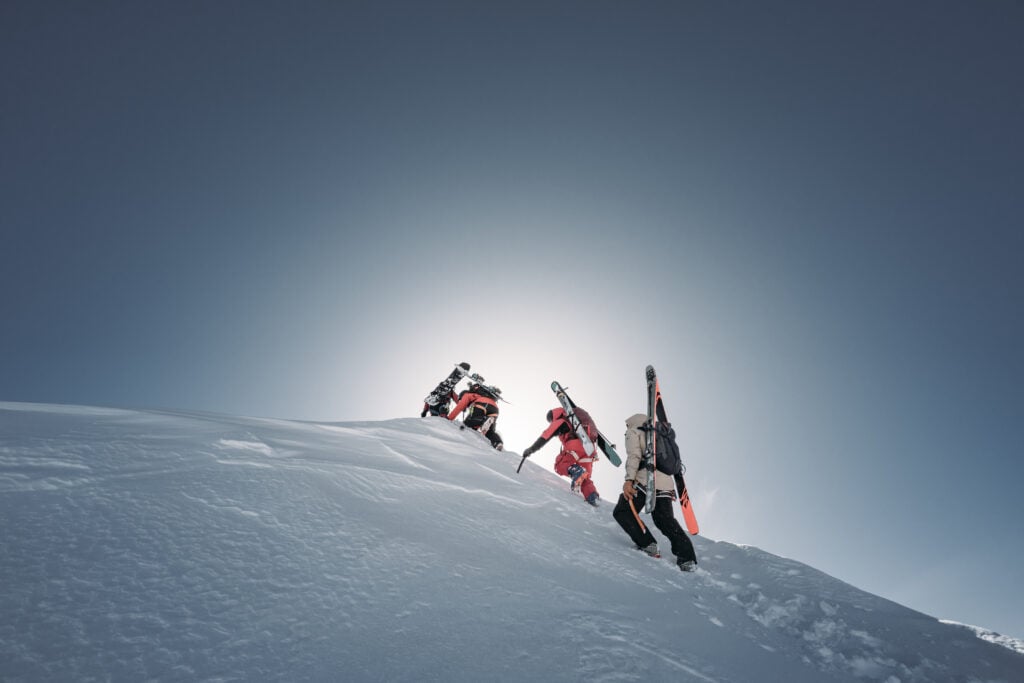
The team conducted three separate expeditions to the Walsh Glacier, beginning in the spring of 2022. The environment they encountered was starkly different from the one documented in Washburn’s 1937 photographs. The effects of climate change were visible throughout Kluane National Park, which contains some of the largest non-polar icefields in the world.
The Saint Elias Mountains have seen significant glacial retreat and thinning over the past century. For the expedition team, this meant that the original landmarks used by Washburn—specific rock outcroppings or ice formations—were either gone or unrecognizable. The thinning of the ice also created a more treacherous landscape, with an increased number of crevasses and unstable "rotten" ice that made traversing the glacier with heavy scanning equipment difficult.
"You can’t tell this story, do this research, or find this cache without factoring in how climate change has shaped this environment," Post noted during the production. The search became as much a study of environmental decay as it was a treasure hunt. The team used modern GPS technology and ground-penetrating radar in an attempt to peer through the layers of ice, but the sheer scale of the glacier remained their greatest obstacle.
Chronology of the Recovery Effort
- 1937: Washburn and Bates abandon the cache on Walsh Glacier to survive their exit from Mount Lucania.
- 2002: David Roberts publishes Escape from Lucania, reigniting interest in the lost gear.
- 2020-2021: Griffin Post begins intensive archival research and secures funding and permits from Parks Canada.
- Spring 2022: The first expedition lands on Walsh Glacier to begin mapping and initial reconnaissance.
- Summer 2022: Follow-up missions involving glaciologists focus on refined movement models and physical searching.
- Fall 2023: "The Lost Cache" film premieres, detailing the final results of the multi-year search.
Broader Implications for Mountaineering and Science
The search for the Washburn cache has implications that extend beyond the recovery of historical artifacts. For the scientific community, the project provided a rare opportunity to validate long-term glacial movement models against a known "marker" (the cache). By finding—or even narrowing down the location of—the gear, glaciologists can better understand how surging glaciers behave over decades, which is critical for predicting how these ice masses will respond to continued global warming.
For the mountaineering community, the project serves as a bridge to the past. Bradford Washburn’s contributions to the field were monumental; his maps are still used by climbers today, and his photography set the standard for alpine documentation. The potential recovery of his Fairchild F-8 camera represents the retrieval of a "holy grail" of climbing history.
Furthermore, the collaboration with Protect Our Winters emphasizes the advocacy component of the mission. The disappearing glaciers of the Yukon serve as a "canary in the coal mine" for the planet’s climate health. By framing the search through the lens of adventure and history, the team aims to bring a wider audience’s attention to the rapid environmental changes occurring in the world’s most remote regions.
Conclusion and Film Premiere
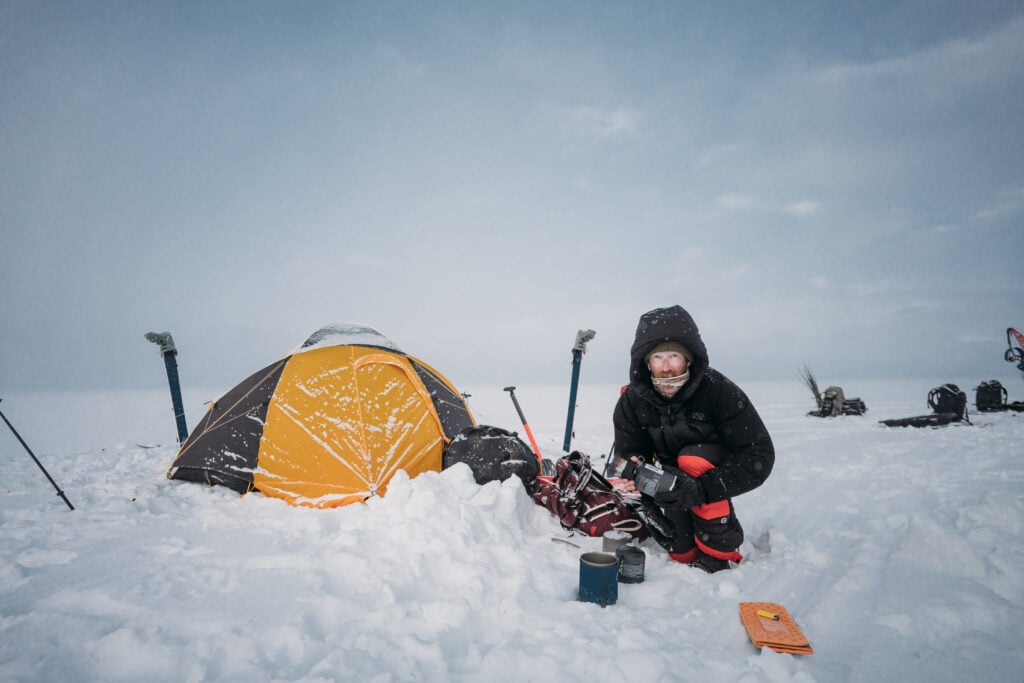
While the team has remained "tight-lipped" regarding the final outcome of the search to preserve the narrative of the film, the impact of the journey is already clear. The expedition successfully combined the romanticism of 20th-century exploration with the rigorous demands of 21st-century science.
"The Lost Cache" is scheduled to premiere this fall, with high-profile screenings at the Coast Film Festival in Laguna Beach, California, in late October, followed by a featured presentation at the prestigious Banff Centre Mountain Film Festival in early November. Regardless of whether every piece of the 1,000-pound cache was recovered, the project has already succeeded in unearthing a forgotten chapter of North American history and providing a vivid, cautionary look at the state of our northern glaciers.
As the ice continues to move and melt, the story of the Walsh Glacier serves as a reminder that the past is never truly lost—it is merely waiting to be rediscovered by those willing to brave the cold and the calculations.
