

The intersection of outdoor recreation and climate advocacy has undergone a fundamental transformation over the last two decades, evolving from niche conservation efforts into a coordinated political movement. At the center of this shift is Protect Our Winters (POW), a non-profit organization that has leveraged the cultural and economic influence of the outdoor industry to address the systemic causes of global warming. As the planet experiences record-breaking temperatures and erratic precipitation patterns, the organization has moved beyond simple awareness campaigns to focus on legislative defense, clean energy infrastructure, and the systematic shifting of social norms.

The urgency of this mission is underscored by the literal "degree of difference" that dictates the viability of the multi-billion-dollar winter sports industry. At 31 degrees Fahrenheit, mountainous regions experience snow accumulation essential for ecological health and recreational economies; at 32 degrees, that precipitation turns to rain, degrading snowpacks and accelerating glacial melt. This marginal difference serves as the catalyst for a movement that now represents a significant portion of the $1.3 trillion outdoor recreation economy in the United States.
Historical Context and the Genesis of Professional Advocacy
Protect Our Winters was founded in 2007 by professional snowboarder Jeremy Jones. The impetus for the organization was a practical observation from the field: as a professional athlete traveling to the world’s most renowned peaks, Jones witnessed a visible and rapid decline in snow quality and glacial coverage. At the time, environmentalism within the action sports world was largely focused on individual lifestyle choices or localized conservation. Jones’s insight was that the leaders of the outdoor community—athletes, brands, and scientists—possessed a unique form of "social currency" that could be converted into political power.
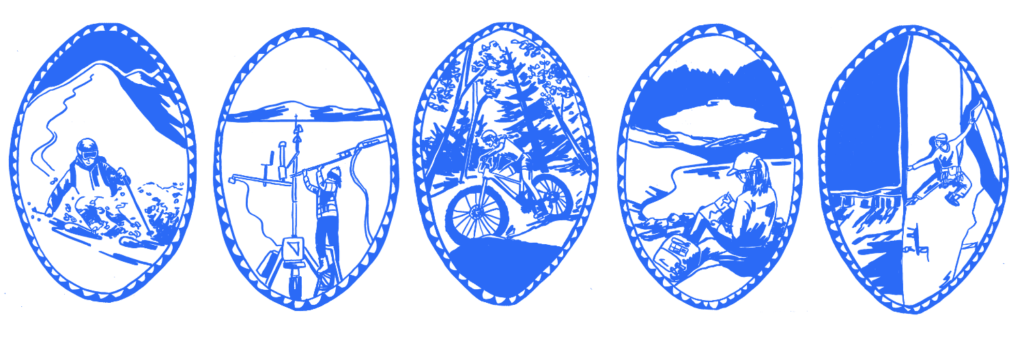
Since its inception, the organization has expanded its scope significantly. What began as a group of concerned snowboarders has grown into a diverse coalition that includes trail runners, mountain bikers, climbers, and anglers. This expansion reflects a broader understanding of climate change as a threat not just to winter sports, but to the entire seasonal cycle of the outdoor experience. By 2010, the organization began integrating atmospheric scientists and policy experts into its leadership, ensuring that its advocacy was rooted in peer-reviewed data and legislative feasibility.
The Economic Leverage of the $1.3 Trillion Outdoor Sector
A critical component of POW’s strategy is the professionalization of the outdoor industry’s voice in Washington, D.C. According to data from the Bureau of Economic Analysis, the outdoor recreation economy accounts for approximately 2.2% of the total U.S. Gross Domestic Product (GDP). This sector generates over five million jobs and contributes $1.3 trillion in annual economic output, surpassing industries such as mining and pharmaceutical manufacturing in total economic impact.
POW utilizes these figures to gain access to decision-makers across the political spectrum. By framing climate change as an existential threat to a major economic driver, the organization has successfully moved the conversation from abstract environmentalism to concrete economic defense. This strategy was particularly evident during recent congressional budget reconciliations, where POW advocates lobbied against the sell-off of public lands for fossil fuel extraction, arguing that the long-term economic value of recreation and carbon sequestration far outweighs the short-term gains of resource extraction.
Three Pillars of Strategic Action: Defend, Build, and Shift
The organization’s current operational framework is divided into three distinct pillars designed to address different stages of the climate crisis: legislative defense, infrastructure development, and cultural mobilization.

1. Defending Public Lands and Carbon Sinks
Public lands serve as the primary "infrastructure" for the outdoor community and act as vital carbon sinks. POW’s "Defend" pillar focuses on blocking the expansion of fossil fuel leases on federal lands and protecting areas like the Arctic National Wildlife Refuge and Bears Ears National Monument. These regions are critical not only for biodiversity but also for their ability to sequester carbon. In 2025 and 2026, POW mobilized thousands of supporters to submit formal comments to the Department of the Interior, opposing lease sales that would have locked in decades of new carbon emissions.
2. Building Clean Energy Infrastructure
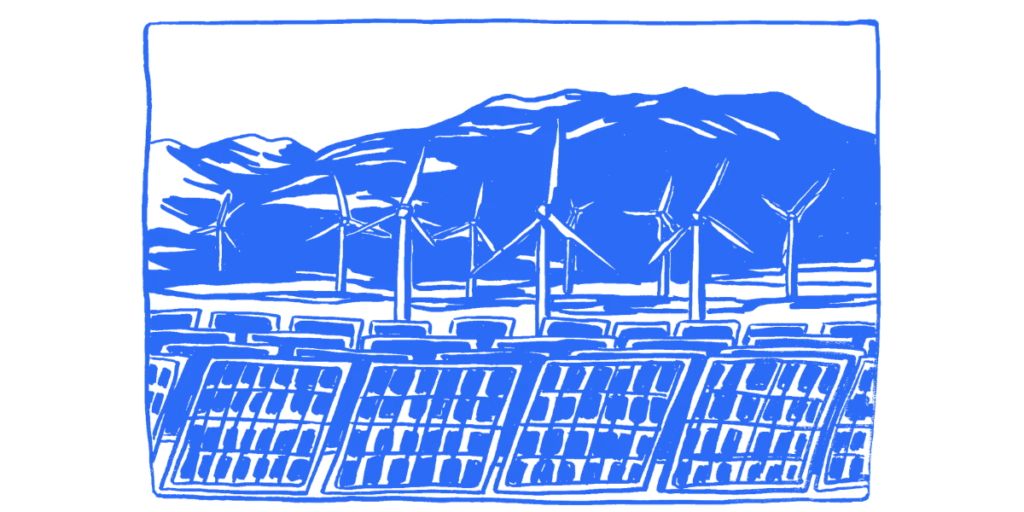
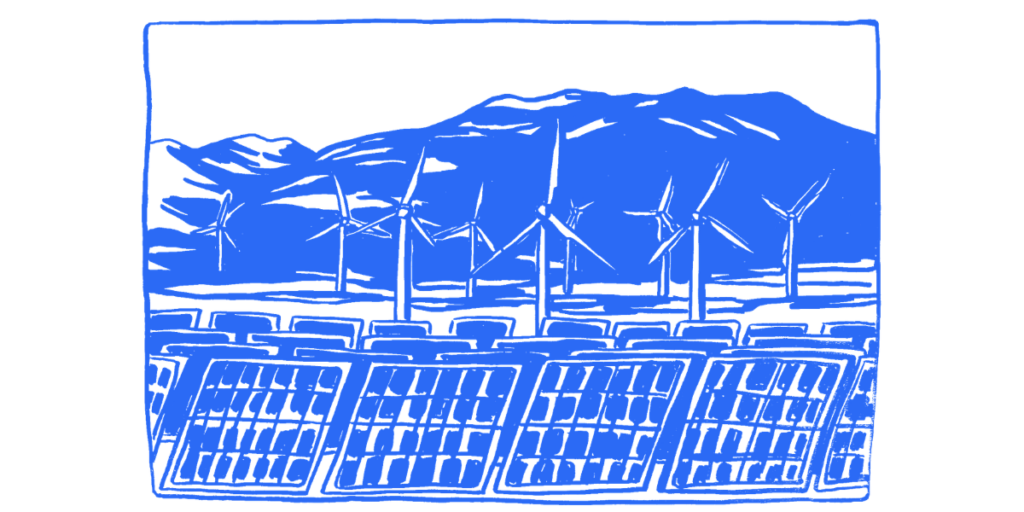
Recognizing that opposition alone is insufficient, the organization has pivoted toward "Building what we need." This involves advocating for the rapid deployment of renewable energy. In the past year, wind, solar, and battery storage accounted for 93% of all new electricity capacity added to the U.S. grid. POW’s clean energy campaign has been instrumental in the realization of 297 megawatts (MW) of renewable projects to date. The organization has set a target of 500 MW by the end of 2026, with a long-term goal of facilitating one gigawatt (GW) of clean energy by 2028. These projects are often the result of community-led fights in states like Montana, Nevada, and Colorado, where POW representatives participate in utility commission hearings to advocate for decarbonized resource planning.

3. Shifting Social Norms and Political Will
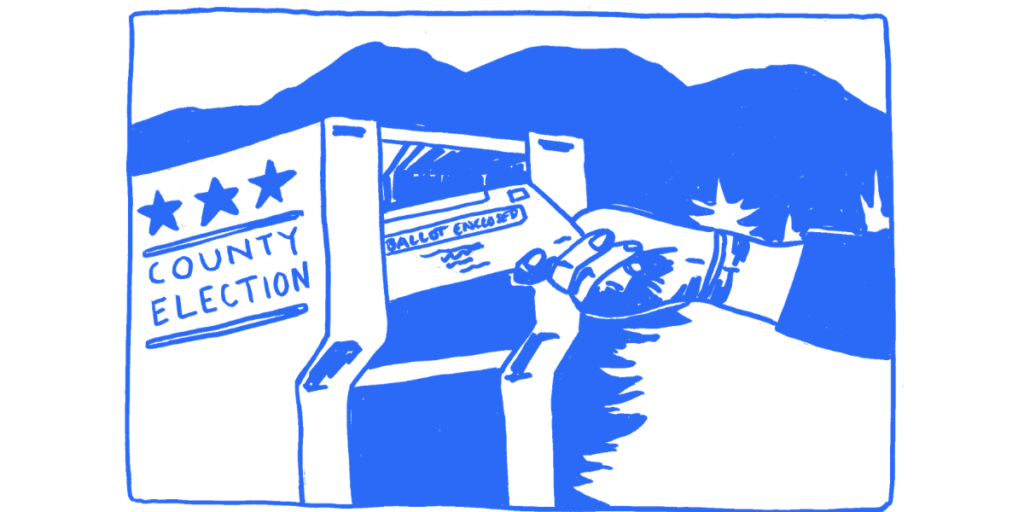
The most abstract yet arguably most important pillar is "Shift who decides." This involves a psychological and sociological approach to movement building. POW seeks to normalize climate advocacy, making it as fundamental to the outdoor identity as wearing a helmet or checking a weather report. By training athletes and influencers as "trusted messengers," the organization reaches millions of individuals who may be disillusioned with traditional political messaging. In the most recent federal election cycle, POW’s "get-out-the-vote" initiatives reached 7.5 million people, emphasizing that civic participation is a prerequisite for environmental protection.
Case Study: The Montana Public Service Commission
The effectiveness of POW’s grassroots mobilization was recently demonstrated during a Montana Public Service Commission hearing regarding long-term resource planning. In the summer of 2026, POW representatives and trained advocates traveled six hours to a rural hearing location to testify on the importance of integrating more solar and wind power into the state’s energy mix.
Observers noted that POW members constituted nearly one-third of the room, providing a visible counter-narrative to traditional energy lobbyists. While larger environmental organizations often focus on litigation, POW’s presence at the commission level represents a "middle-out" strategy: influencing the localized, often ignored regulatory bodies that make the most significant decisions regarding utility-scale carbon emissions. This presence is credited with shifting the commission’s perspective on the economic viability of renewable energy in the Mountain West.
Data-Driven Outreach and Impact Metrics
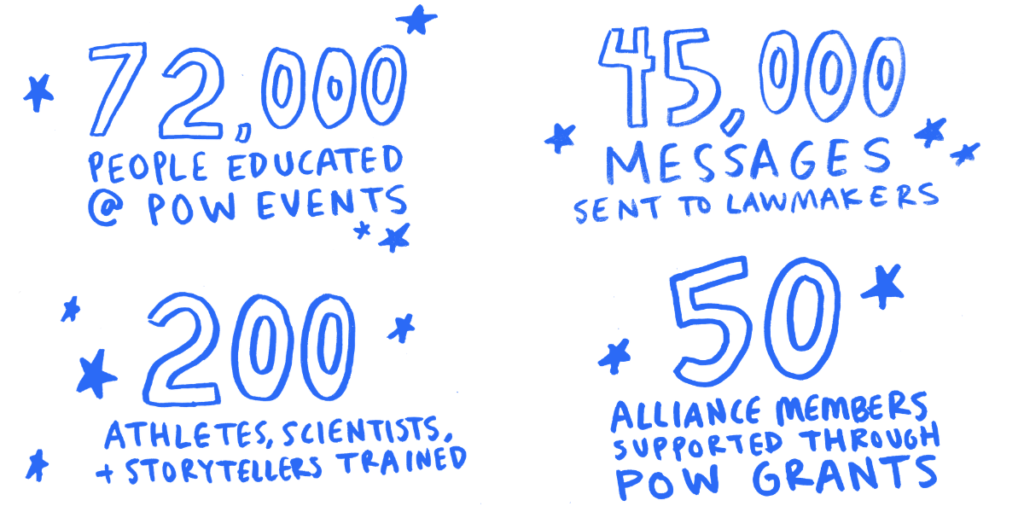
The scale of POW’s reach is reflected in its 2025-2026 impact report. The organization trained 200 athletes, scientists, and storytellers to act as climate leaders. These individuals, in turn, spearheaded over 600 independent climate actions, ranging from educational workshops to localized policy advocacy.

Other key metrics include:
- In-Person Engagement: 72,000 individuals attended 150 live events focused on climate education and advocacy.
- Digital Presence: POW’s storytelling and media campaigns garnered 36 million views, creating a steady stream of "climate-first" content for the outdoor community.
- Media Influence: The organization was mentioned in mainstream news outlets over 1,500 times, signaling its role as a primary source for the intersection of sports and environmental policy.
- Direct Advocacy: Supporters sent more than 47,000 messages to state and federal decision-makers, while 16,000 new advocates joined active legislative campaigns.
Challenges and the Global Landscape
Despite these gains, the organization faces significant headwinds. Fossil fuel interests continue to wield immense financial power, with industry expenditures on political lobbying and electioneering estimated at nearly half a billion dollars in the last major cycle. In contrast, POW operates on a fraction of that budget, relying on "people power" and social influence to bridge the gap.
Furthermore, the transition to a decarbonized economy presents logistical challenges. The outdoor industry itself remains reliant on global supply chains and fossil-fuel-based transportation. POW addresses this "imperfection" by arguing that individual guilt is a distraction from systemic change. The goal is not to demand personal purity from every skier or biker, but to change the underlying systems—such as the power grid and transportation infrastructure—so that the "default" choice for every citizen is a sustainable one.
Implications for the Future of Conservation
The model established by Protect Our Winters suggests a new path for 21st-century conservation. By moving away from the "preservationist" model of the 20th century—which often sought to keep people out of nature—POW embraces a "participatory" model. It posits that those who use the land are its most effective defenders.
As the organization looks toward 2028, its focus is expected to sharpen on the "last mile" of decarbonization: permitting reform for transmission lines, the electrification of mountain town transit systems, and the protection of high-altitude carbon sinks. The ultimate objective is a "just transition" where the communities most dependent on the current energy economy are not left behind as the world moves toward a fossil-fuel-free future.
The shift from trailheads to town halls signifies a maturing movement. As electric vehicles become more common at ski resort parking lots and solar panels become standard on mountain lodges, the "new normal" that POW has spent nearly two decades building is beginning to take shape. The organization maintains that climate change is not an unsolvable catastrophe, but a "technical and political assignment" that requires the same persistence, preparation, and collective effort as a difficult mountain ascent. The future of the outdoor experience, and the $1.3 trillion economy that supports it, will likely depend on the success of this transition.
