

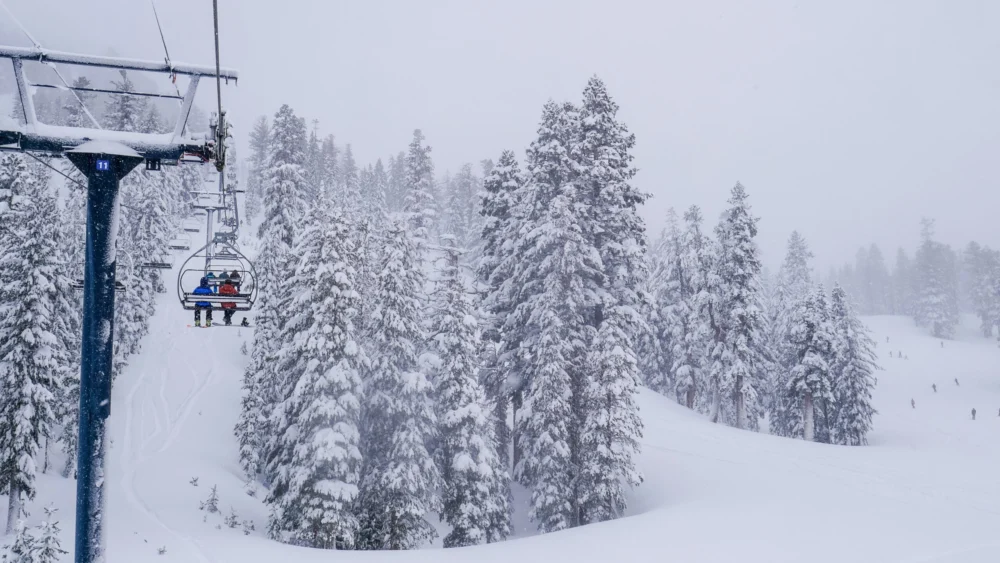
The rugged, unforgiving terrain of California’s Sierra Nevada mountains, a magnet for winter sports enthusiasts, has become the backdrop for a critical legal and safety dispute. Mammoth Mountain, one of North America’s premier ski resorts, is vigorously contesting a determination by the California Division of Occupational Safety and Health (Cal/OSHA) that attributes fault to the resort for the tragic death of 25-year-old ski patroller Claire Murphy. Her fatality on February 14, 2025, during high-risk avalanche mitigation operations, has ignited a year-long investigation, culminating in a series of citations and fines against the resort, and now, a formal appeal that could reshape workplace safety standards across the ski industry.
The incident that claimed Claire Murphy’s life occurred amidst a period of significant snowfall, a common scenario where ski patrol teams work tirelessly to secure mountainsides for public access. Avalanche mitigation, a highly specialized and perilous aspect of ski patrol duties, involves intentionally triggering controlled avalanches to stabilize snowpacks and prevent unpredictable natural slides. It requires precise planning, expert execution, and stringent safety protocols. Cal/OSHA’s comprehensive investigation, initiated immediately after the incident, delved into the specifics of these protocols and their implementation at Mammoth Mountain, ultimately concluding that the resort "failed" to provide necessary safeguards for its employees engaged in this inherently dangerous work.
Cal/OSHA’s Findings: A Scrutiny of Safety Protocols
Following its meticulous inquiry, Cal/OSHA issued three specific citations against Mammoth Mountain, imposing penalties totaling $26,810. These findings directly challenge the adequacy of the resort’s safety measures during avalanche control activities. The citations pinpointed critical areas where the state regulator believes Mammoth Mountain fell short of its responsibility to protect its workforce in a high-risk environment.
One of the primary violations cited was the alleged failure to ensure that patrollers could effectively deploy avalanche airbags. Avalanche airbags are critical pieces of personal protective equipment designed to increase a buried victim’s chances of survival by keeping them on top of the snow surface during an avalanche, thus preventing deep burial which significantly reduces survival rates. Their effective deployment relies not only on the equipment itself being functional and well-maintained but also on its accessibility, the patroller’s training in its use, and the operational environment allowing for rapid deployment. Cal/OSHA’s determination suggests that, in this instance, either the equipment was not readily deployable, or the conditions under which it was meant to be used rendered it ineffective, contributing to the tragic outcome. This finding points to a potential gap between standard equipment provision and the practical realities of high-stress, rapidly evolving avalanche scenarios, where split-second decisions and unimpeded equipment access are paramount.
Furthermore, the state regulator found that Mammoth Mountain failed to establish effective "safe zones" for personnel while intentional slides were being triggered. Safe zones are designated areas where patrollers can seek refuge from the path of an activated avalanche, ensuring their safety while explosives or other methods are used to destabilize the snowpack. These zones must be clearly defined, communicated, and genuinely offer protection from avalanche debris, air blast, and other associated hazards. The absence or inadequacy of such zones poses a direct threat to patroller safety, forcing them into positions of heightened vulnerability during operations. This particular finding suggests a critical oversight in risk assessment and operational planning, where the designated safe havens were either poorly conceived, improperly communicated, or rendered ineffective by the specific conditions of the incident, leaving personnel exposed to unnecessary danger.
Finally, Cal/OSHA’s report highlighted a lack of proper documentation for employee avalanche training. Comprehensive and well-documented training is the cornerstone of safety in any hazardous profession, especially in avalanche control. It ensures that patrollers possess the theoretical knowledge, practical skills, and emergency response capabilities required to assess risks, operate specialized equipment, and react effectively in an emergency. The absence of adequate documentation raises questions about the thoroughness and consistency of the training programs themselves, potentially indicating a systemic issue in ensuring all patrollers meet the highest standards of preparedness for their life-threatening duties. While seemingly an administrative lapse, insufficient training documentation can have profound implications for operational readiness, accountability, and the ability to verify that all necessary competencies have been achieved by personnel operating in high-risk environments.

Mammoth Mountain’s Vigorous Appeal: Challenging the Narrative
Mammoth Mountain has swiftly exercised its legal right to appeal Cal/OSHA’s findings, signaling a firm disagreement with the state’s characterization of definitive fault. Resort spokespeople have publicly maintained that employee safety is their absolute highest priority and that the current determination represents an "administrative interpretation" rather than an irrefutable legal finding of fact. This stance suggests that Mammoth may argue against the interpretation of specific regulations, the factual basis of the violations, or the causal link between the alleged failures and Claire Murphy’s death.
The resort’s appeal is likely to involve a detailed review of the incident, its internal safety protocols, training records, and the operational decisions made on February 14, 2025. They may present evidence demonstrating their adherence to industry best practices, the inherent unpredictability of avalanche phenomena, and the challenges of maintaining absolute safety in such dynamic and hazardous environments. A core argument might revolve around the distinction between an accident occurring despite robust safety measures and an accident resulting directly from negligence or systemic failure. The legal battle will likely scrutinize the precise language of Cal/OSHA regulations and how they apply to the unique operational realities of a major ski resort, emphasizing the complexities of risk management in an uncontrolled natural setting. Mammoth Mountain, with decades of experience operating in the demanding Sierra Nevada, will likely assert its deep institutional knowledge and commitment to safety that extends beyond mere compliance with regulatory minimums.
A Community in Mourning: The Echo of Dual Tragedies
The gravity of this legal friction is amplified by a somber backdrop of recent losses within the tight-knit Sierra community. Just ten months after Claire Murphy’s death, another Mammoth Mountain ski patroller, Cole Murphy (no relation to Claire, but a tragic coincidence of surname and profession), was also killed in the same "Avalanche Chutes" area. This second tragedy, occurring in December 2025, while distinct from Claire’s incident, has undeniably intensified the focus on safety protocols and the inherent risks faced by those who work to secure the mountains.
The double fatalities within such a short timeframe, and in the same general area, have sparked profound conversations not only about specific safety measures but also about the broader pressures exerted on ski patrol teams. During periods of heavy snowfall, which are common in the Sierra Nevada, there is often significant pressure from resort management, and by extension, the public, to open terrain quickly to maximize operational capacity and meet guest expectations. This economic imperative, while understandable for a business reliant on winter tourism, can sometimes clash with the meticulous and time-consuming process of avalanche hazard reduction, leading to difficult decisions and potentially increased risks for patrollers. The tragic loss of two dedicated individuals serves as a stark reminder of the human cost when these delicate balances are disrupted, prompting calls for a deeper examination of operational timelines and risk tolerance within the industry.
The Perilous Profession of Ski Patrol: Understanding Avalanche Mitigation
To fully grasp the implications of Cal/OSHA’s findings, it is essential to understand the multifaceted and inherently dangerous nature of avalanche mitigation work. Ski patrollers are highly trained professionals responsible for the safety of skiers and snowboarders across vast and often challenging mountain environments. Their duties extend far beyond first aid, encompassing mountain rescue, terrain management, and, critically, avalanche control. This last duty is among the most hazardous, requiring specialized skills, advanced equipment, and an intimate understanding of snow science and mountain dynamics.
Avalanche mitigation is a proactive measure aimed at reducing the risk of natural avalanches within controlled ski areas. This process is complex and often involves:
- Snowpack Assessment: Patrollers continuously monitor a myriad of factors, including current weather conditions, recent snowfall amounts, snow depth, density, temperature gradients, and stability. They frequently perform snowpit analyses, digging into the snowpack to observe its layers, identify potential weak layers, and conduct stability tests to assess the likelihood of avalanche propagation. This data-driven approach is fundamental to understanding avalanche hazard.
- Explosive Blasting: The most common and effective method of artificial avalanche release involves using explosives. These can be hand-placed by patrollers accessing dangerous terrain, delivered via remote systems (such as Gazex exploders or Avalancher systems that use compressed gas to fire charges), or dropped from helicopters. Patrollers must navigate treacherous, often unstable terrain to place these charges safely and then retreat to secure positions before detonation. The goal is to trigger smaller, controlled slides that release tension in the snowpack, preventing larger, more destructive natural avalanches.
- Cornice Control: Cornices, overhanging masses of snow formed by wind deposition along ridges, pose a significant hazard. These can break off unexpectedly, triggering avalanches below. Patrollers often manually or explosively break them off to prevent uncontrolled falls and associated risks. This work requires extreme caution due to the instability of cornices themselves.
- Ski Cutting: In some cases, patrollers may "ski cut" small, stable slopes to intentionally trigger minor slides. This is done with extreme caution, often with proper belay systems and careful observation, allowing them to assess stability and clear smaller pockets of unstable snow before the public accesses the terrain.
The risks associated with these activities are immense. Patrollers work in extreme weather conditions—often before sunrise, in high winds, and sub-zero temperatures—facing dangers such as falls, frostbite, hypothermia, exposure, and, most critically, being caught in an avalanche. The equipment mentioned in the Cal/OSHA report—avalanche airbags, beacons, probes, and shovels—are standard tools for self-rescue and companion rescue, but their effectiveness is heavily reliant on proper training, immediate deployment, and the specific characteristics of the avalanche itself, which can be unpredictable. The training involved is extensive, covering snow science, rescue techniques, first aid, and the safe handling of explosives.

Broader Implications for the Ski Industry: A Precedent-Setting Case?
The outcome of Mammoth Mountain’s appeal will resonate far beyond the Eastern Sierra, potentially setting a significant precedent for ski resorts and workplace safety regulators nationwide. The case will scrutinize the delicate balance between operational efficiency, economic viability, and the paramount responsibility of ensuring employee safety in high-risk environments.
Legal and Regulatory Landscape
If Cal/OSHA’s findings are upheld, it could prompt a significant re-evaluation of specific safety regulations governing avalanche mitigation work across California and potentially inspire similar reviews in other states with active ski industries. Resorts might face increased pressure to invest in advanced safety equipment, refine training methodologies, and implement more stringent operational protocols, particularly concerning safe zone establishment and equipment deployment readiness. The legal interpretation of "effective safeguards" and "proper documentation" will be critical, potentially leading to clearer, more prescriptive guidelines from regulatory bodies. This could shift the burden more heavily onto resorts to demonstrate proactive and comprehensive safety management.
Operational Changes and Investment
An adverse ruling for Mammoth could necessitate substantial operational changes across the industry. This might include:
- Enhanced Airbag Protocols: Mandating specific checks for airbag readiness before each shift, exploring technologies for more automatic deployment, or requiring specific training simulations for rapid deployment under duress. Resorts may need to ensure not just that airbags are issued, but that they are consistently worn, maintained, and that their use is integrated seamlessly into standard operating procedures.
- Redefined Safe Zones: A more rigorous approach to defining and verifying safe zones, potentially requiring certification by external avalanche safety experts or engineers to ensure their efficacy under various avalanche conditions. This could involve using advanced modeling to predict avalanche paths and ensure designated zones are truly out of harm’s way.
- Standardized Training Documentation: Stricter requirements for recording and verifying all aspects of avalanche safety training, ensuring consistency, regular refreshers, and individual accountability for mastering critical skills. This might include digital logs, mandatory competency checks, and regular drills.
- Technological Integration: Increased adoption of remote avalanche control systems (like Gazex or Daisybell) to minimize human exposure to avalanche terrain, though these also come with significant costs, infrastructure requirements, and their own specialized training needs.
The "Pressure to Open Terrain" Debate
The conversation ignited by these tragedies about the pressure to open terrain during storm cycles is particularly poignant. Ski resorts are businesses, and prolonged closures due to heavy snowfall can result in substantial financial losses, impacting not only the resort but also the surrounding communities dependent on tourism. However, expediting terrain opening through aggressive avalanche mitigation carries inherent risks. This case could force a more transparent dialogue within the industry about balancing economic pressures with uncompromised safety, potentially leading to revised operational guidelines that prioritize worker safety above rapid terrain access. This could involve more conservative opening schedules, greater investment in resources to manage hazards without undue haste, or even industry-wide protocols for operating during extreme weather events.
Public and Employee Confidence
The transparency and resolution of this case are crucial for maintaining public confidence in the safety of ski resorts and, equally important, for reassuring ski patrollers and their families. A clear message that worker safety is non-negotiable, even in the most dangerous professions, is vital for morale, recruitment, and retention within the ski patrol community. Conversely, a perception of inadequate safety measures or insufficient accountability could deter individuals from pursuing such a critical role, leading to staffing challenges for resorts.
Industry Collaboration
This incident may also spur greater collaboration among ski resorts, avalanche safety organizations (like the American Avalanche Association), and regulatory bodies to share best practices, develop new safety technologies, and establish industry-wide benchmarks for avalanche control programs. Learning from such tragedies can lead to collective improvements that benefit all mountain professionals, fostering a culture of continuous improvement in safety standards.
As Mammoth Mountain’s appeal progresses through the legal channels, the eyes of the ski industry, workplace safety advocates, and mountain communities remain fixed on the proceedings. The outcome will not only determine the financial and reputational implications for one of California’s most iconic resorts but will also play a pivotal role in shaping the future of safety for the brave individuals who dedicate their lives to protecting others in the high-stakes world of mountain operations. This is more than just a legal dispute; it is a critical moment for re-evaluating the value placed on human life against the inherent challenges and economic realities of the mountain environment.
