

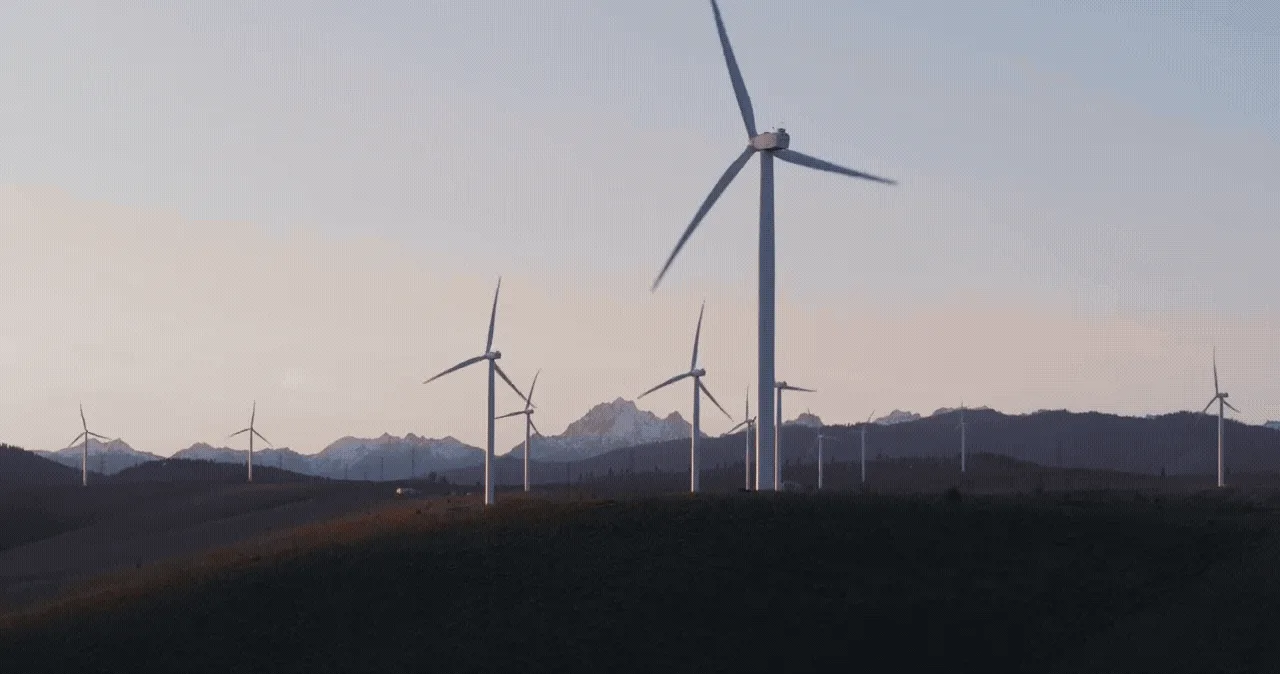
As the global energy landscape undergoes its most significant transformation since the Industrial Revolution, the rapid scaling of renewable infrastructure has been met with an equally sophisticated and well-funded campaign of opposition. While the transition from fossil fuels to wind, solar, and electric mobility is driven by urgent climate imperatives and falling technology costs, it is increasingly hindered by a dual-pronged challenge of misinformation and disinformation. These narratives, ranging from concerns over property values and aesthetic impacts to scientifically unsubstantiated claims regarding wildlife and public health, are often rooted in coordinated efforts to preserve the dominance of the traditional energy sector.
The Taxonomy of False Information: Misinformation vs. Disinformation
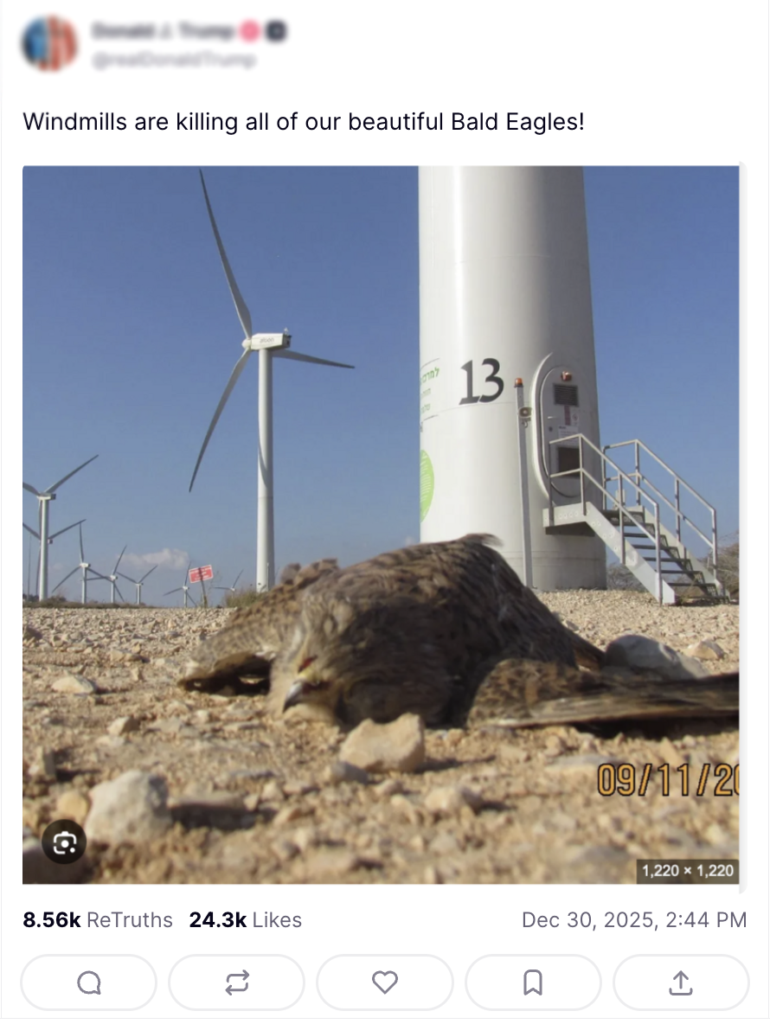
To understand the friction slowing the energy transition, it is necessary to distinguish between the types of inaccurate information circulating in the public sphere. Misinformation refers to the sharing of incorrect or misleading information without a malicious intent to deceive. This often occurs when concerned citizens share outdated data or misinterpret complex scientific findings, such as the localized impact of wind turbines on specific avian species. While often well-intentioned, misinformation creates a "noise" floor that complicates public discourse.
Disinformation, by contrast, is the intentional seeding of false or misleading narratives designed to manipulate public opinion, protect specific financial interests, or stall policy progress. In the context of the climate crisis, disinformation has evolved from outright denial of global warming to more subtle forms of "climate delayism." This includes highlighting the minor ecological footprints of renewable projects while ignoring the catastrophic systemic impacts of continued fossil fuel extraction. By framing renewable energy as "unreliable," "dangerous," or "environmentally harmful," these campaigns aim to erode public trust in the viability of a low-carbon future.

A Chronology of Climate Influence and Narrative Shifting
The current wave of opposition to renewable energy does not exist in a vacuum; it is the latest chapter in a decades-long history of strategic communication by the fossil fuel industry.
- The Era of Internal Awareness (1970s–1980s): Internal documents from major oil corporations, including Exxon and Shell, reveal that their own scientists accurately predicted the trajectory of global warming as early as the late 1970s. These reports acknowledged that the burning of fossil fuels would lead to significant shifts in the Earth’s climate.
- The Rise of Public Denial (1990s–2000s): Following the establishment of the Intergovernmental Panel on Climate Change (IPCC) and the signing of the Kyoto Protocol, industry-funded groups shifted toward public denial. This era was characterized by the promotion of "skepticism" and the funding of think tanks tasked with questioning the consensus of climate science.
- The Pivot to "Greenwashing" and Delayism (2010s–Present): As the physical reality of climate change became undeniable, the strategy shifted again. Major energy suppliers began publicly endorsing decarbonization goals while simultaneously expanding oil and gas production. This period saw the rise of "astroturfing"—creating the appearance of grassroots opposition to local renewable projects, such as offshore wind farms or utility-scale solar installations.
Analyzing the Data: Fact-Checking Common Narratives
To counter the prevailing narratives used to stall the energy transition, researchers and academic institutions have conducted exhaustive life-cycle assessments of renewable technologies compared to their fossil fuel counterparts.
Electric Vehicles and Resource Extraction
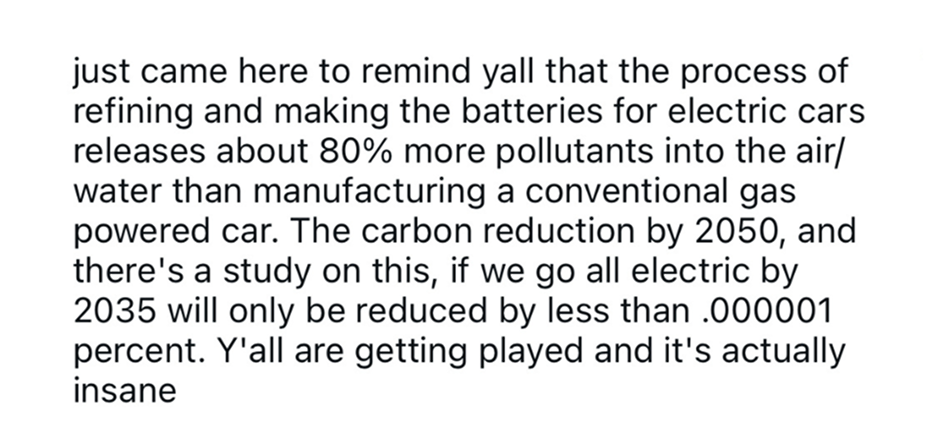
A common point of contention is the environmental cost of manufacturing electric vehicle (EV) batteries. Critics often claim that the mining of lithium, cobalt, and nickel makes EVs more harmful than internal combustion engine (ICE) vehicles. However, data from the Massachusetts Institute of Technology (MIT) Energy Initiative provides a different perspective. According to MIT researchers, the average gasoline-powered car emits more than 350 grams of CO2 per mile driven over its entire lifetime, including manufacturing and fuel extraction. In contrast, fully battery-electric vehicles generate approximately 200 grams per mile. While mineral extraction does have an environmental footprint, the net reduction in carbon emissions remains significant and continues to improve as the electrical grid becomes greener.
Offshore Wind and Marine Ecosystems
The development of offshore wind has recently become a primary target for disinformation, with claims that seismic testing and turbine operation are responsible for whale strandings and the destruction of aquatic habitats. Federal agencies, including the National Oceanic and Atmospheric Administration (NOAA) and the Bureau of Ocean Energy Management (BOEM), have stated there is no scientific evidence linking offshore wind activities to recent whale mortalities.
Furthermore, a report published in Forbes highlights that while all energy infrastructure involves some level of disruption, the risks associated with offshore wind are minor compared to the systemic threats of offshore oil drilling—such as catastrophic spills—and the overarching threat of ocean acidification and warming driven by carbon emissions.
Bird Mortality and Wind Infrastructure
The narrative that wind turbines are "killing birds" is frequently used to halt projects. While wind turbines do account for avian deaths, the numbers are statistically dwarfed by other human-made factors. Research indicates that domestic cats, collisions with glass buildings, and high-voltage power lines are responsible for millions of more bird deaths annually than wind turbines. Moreover, climate change itself is cited by the National Audubon Society as the greatest threat to bird populations, with two-thirds of North American species at risk of extinction if global temperatures continue to rise unchecked.
The Role of Fossil Fuel Interests in Funding Opposition
The persistence of these narratives is often linked to the financial resources of the fossil fuel industry. Despite public commitments to "net-zero" goals, many of the world’s largest oil and gas companies have redirected only a small fraction of their capital expenditures toward renewable energy.
The strategy often involves funding local "not-in-my-backyard" (NIMBY) groups. These groups use social media and local town hall meetings to amplify fears about property values and health risks, such as the scientifically debunked "wind turbine syndrome." By localizing the conflict, disinformation campaigns can effectively block state and federal energy goals through municipal litigation and zoning challenges.
Broader Economic and Geopolitical Implications
The stakes of this disinformation battle extend beyond environmental conservation; they encompass economic competitiveness and national security.
- Economic Transition: The International Renewable Energy Agency (IRENA) reports that renewable energy is now the cheapest source of new power in most of the world. Stalling the transition through disinformation forces consumers to remain tethered to the price volatility of global oil and gas markets.
- Job Creation: The clean energy sector is a major engine for employment. In the United States, the solar and wind industries have seen job growth rates that far outpace the general economy. Disinformation that prevents the siting of new projects directly impacts local economic development and the creation of high-wage manufacturing jobs.
- Energy Independence: Transitioning to domestic renewable sources reduces reliance on foreign energy imports, particularly from politically unstable regions. Coordinated campaigns against renewables can therefore be viewed as a hindrance to long-term energy sovereignty.
Official Responses and the Path to Climate Literacy
In response to the surge in disinformation, organizations such as Protect Our Winters (POW) and various scientific coalitions are advocating for increased "climate literacy." This involves training advocates to identify logical fallacies, such as "red herrings" (distracting from the main issue with an irrelevant point) and "straw man" arguments (misrepresenting an opponent’s position to make it easier to attack).
Governmental bodies are also beginning to take notice. In both the United States and the European Union, there are increasing calls for transparency regarding the funding of anti-renewable advocacy groups. Legislative efforts are being explored to hold corporations accountable for "greenwashing" and for providing misleading information to shareholders regarding the risks of climate change.
Conclusion: Navigating the Information Landscape
The transition to a renewable energy economy is an engineering and logistical challenge, but it is increasingly becoming a sociological one. The infrastructure required to power the modern world—whether it be solar arrays, wind farms, or transmission lines—will inevitably have a physical presence on the landscape. However, the data suggests that the ecological and economic costs of these technologies are a fraction of those associated with the status quo.

As renewable energy scales up, the "fear campaign" is expected to intensify. Neutralizing the impact of disinformation requires a commitment to scientific evidence, a transparent accounting of the interests funding the opposition, and an informed public capable of distinguishing between legitimate conservation concerns and strategic delays. The future of global energy stability depends not only on the innovation of the hardware but on the integrity of the information used to govern its implementation. For those advocating for progress, the primary tool is no longer just the solar panel or the turbine, but the persistent application of factual truth in the face of coordinated deception.
