

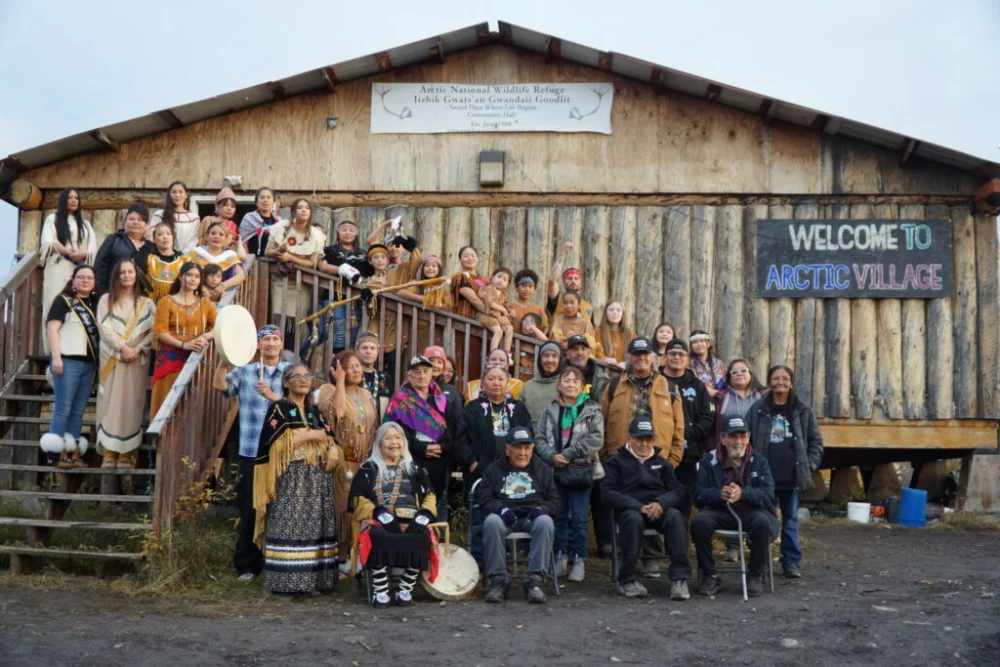
In the remote reaches of the Brooks Range, where the tundra begins its gradual descent toward the Arctic Ocean, an urgent assembly of the Gwich’in Nation recently took place to address what tribal leaders describe as an existential threat to their way of life. Brennan Lagasse, a member of the Protect Our Winters (POW) Creative Alliance and a professor of sustainability at the University of Nevada, Reno at Lake Tahoe, was invited to witness the proceedings in Vashraii K’oo, also known as Arctic Village, Alaska. This emergency gathering, called by the tribal elders in response to renewed pressures for oil and gas exploration within the Arctic National Wildlife Refuge (ANWR), marks a critical juncture in a decades-long struggle between Indigenous sovereignty, environmental conservation, and industrial energy demands.
The primary catalyst for this emergency meeting is the looming threat of seismic exploration—a high-impact process used by energy companies to map oil reserves beneath the earth’s surface. While proponents of energy development argue for the economic necessity of tapping into the Coastal Plain’s resources, the Gwich’in people and environmental scientists warn that the physical and ecological costs of such exploration could be irreversible. For the Gwich’in, who refer to themselves as the "People of the Caribou," the protection of this land is not merely a matter of environmental policy, but a requirement for cultural survival.
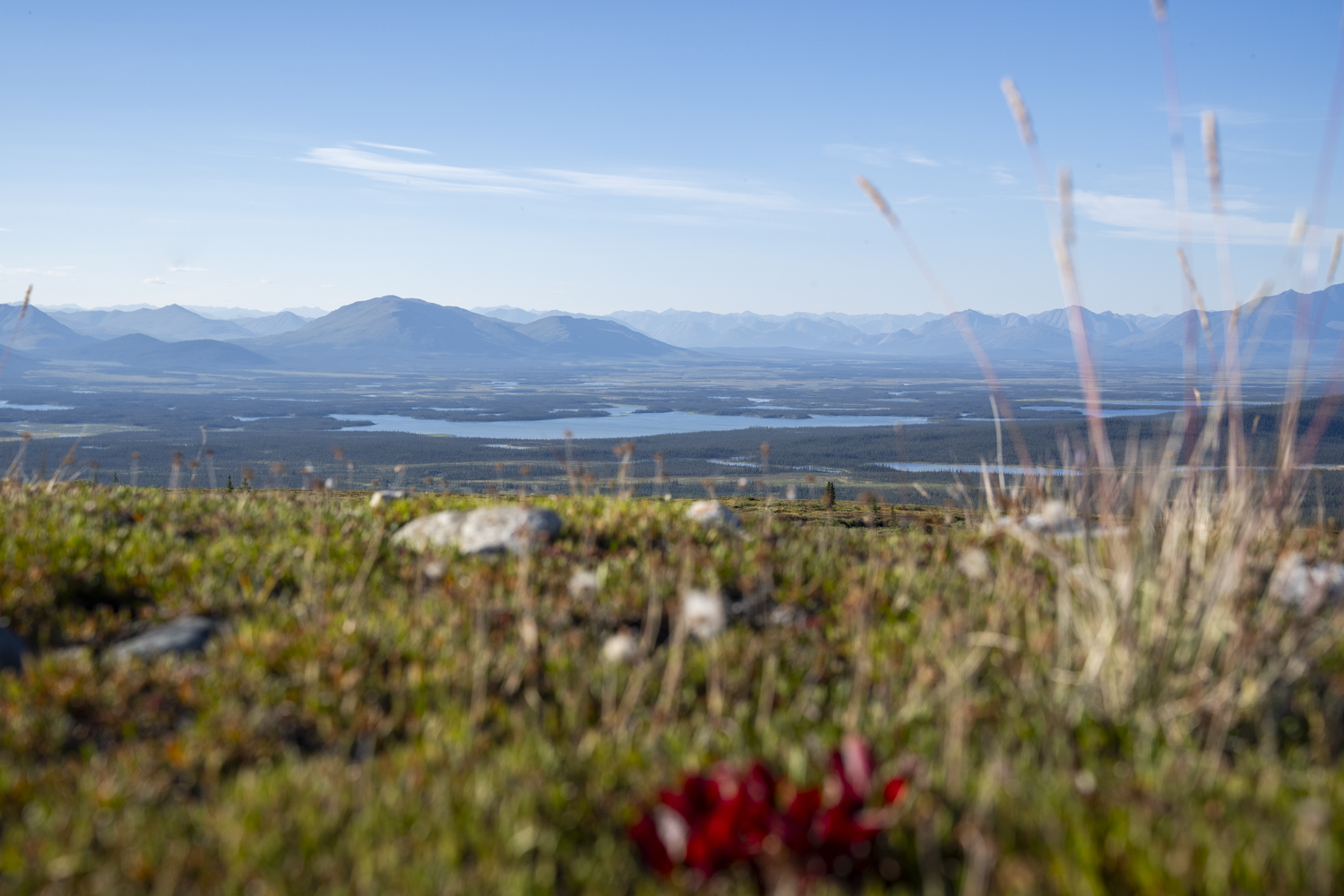
The Cultural and Ecological Significance of the Coastal Plain
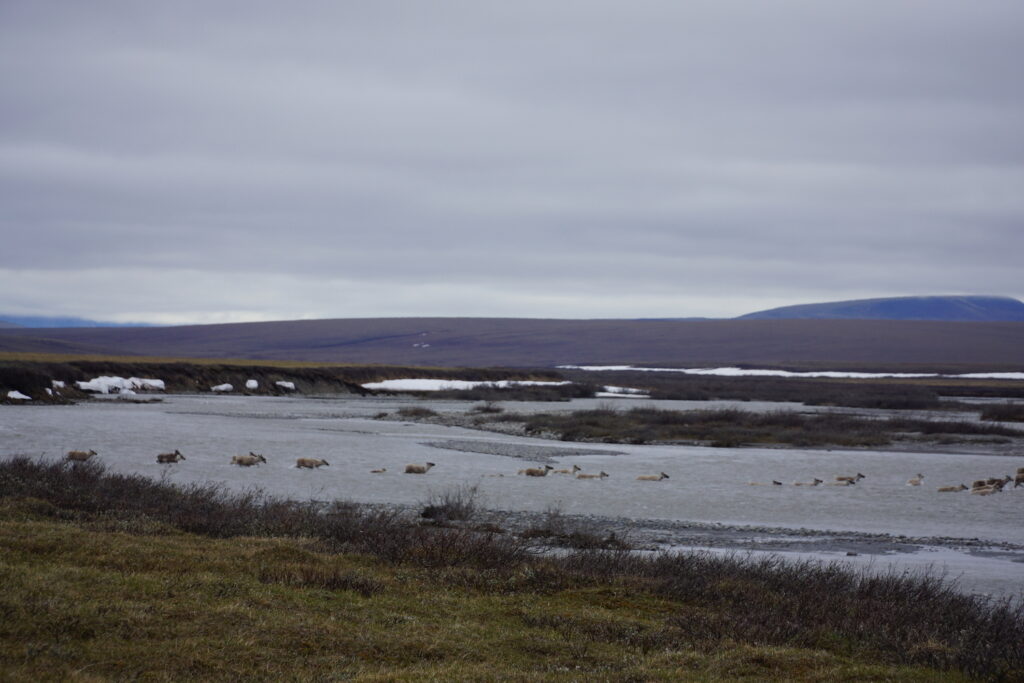
The Arctic National Wildlife Refuge encompasses approximately 19 million acres of pristine wilderness, but the center of the current controversy is the 1.5-million-acre Coastal Plain, often referred to as the "1002 Area." To the Gwich’in, this region is known as "Iizhik Gwats’an Gwandaii Goodlit," or "The Sacred Place Where Life Begins." It serves as the primary calving grounds for the Porcupine caribou herd, a migratory population of roughly 218,000 animals that performs the longest land migration of any mammal on Earth.
The relationship between the Gwich’in and the caribou is one of profound interdependence. The herd provides a primary food source, clothing, and the foundation of Gwich’in spiritual and social structures. Any disruption to the calving grounds is viewed by the tribe as a direct assault on their future. During the gathering, elders emphasized that the caribou are sensitive to industrial noise and activity; should the herd be displaced from the Coastal Plain, the resulting decline in birth rates could be catastrophic for both the species and the communities that rely on them.
Technical Analysis of Seismic Exploration Impacts
Seismic exploration is a precursor to drilling that involves the use of massive "thumper trucks" weighing up to 90,000 pounds. These vehicles travel in grids across the frozen tundra, using heavy plates to vibrate the ground and create acoustic maps of subsurface geological formations. While the industry maintains that winter operations on snow and ice minimize ground disturbance, data from the Alaska Wilderness League and independent ecological studies suggest otherwise.
The Arctic ecosystem is characterized by fragile permafrost and a extremely short growing season. The weight of seismic machinery can compress the protective layer of snow and vegetation, leading to "thermokarst" or localized melting of the permafrost. These scars can persist for decades, altering drainage patterns and destroying the delicate lichen and mosses that caribou rely on for forage. Furthermore, the Coastal Plain is a critical denning habitat for polar bears, a species already listed as "threatened" under the Endangered Species Act. The noise and vibration of seismic activity can cause mother bears to abandon their dens, leading to the death of cubs.
A Chronology of Conflict and Resilience
The struggle to protect the Arctic Refuge has been a fixture of American environmental politics since the mid-20th century. Understanding the current emergency requires a look at the legislative timeline that has brought the region to its current state of vulnerability:
- 1960: The Arctic National Wildlife Range is established by the Eisenhower Administration.
- 1980: President Jimmy Carter signs the Alaska National Interest Lands Conservation Act (ANILCA), which re-designates the area as a Refuge and doubles its size. However, Section 1002 of the act defers a decision on the management of the Coastal Plain, leaving it open to future congressional action.
- 1988: In response to growing pressure to open the 1002 Area for drilling, the Gwich’in Nation convenes its first formal gathering in over 100 years at Arctic Village. They issue a formal resolution to protect the calving grounds.
- 2017: The Tax Cuts and Jobs Act, passed under the Trump Administration, includes a provision requiring the Department of the Interior to hold two lease sales in the Coastal Plain within ten years.
- 2021: A lease sale is held just days before the end of the Trump Administration. The results are largely considered a failure, with major oil companies abstaining and the state-owned Alaska Industrial Development and Export Authority (AIDEA) emerging as the primary bidder.
- 2021–2024: The Biden Administration issues a moratorium on oil and gas leases in the refuge, citing "legal deficiencies" in the environmental review process. However, the 2017 mandate for lease sales remains federal law, creating a state of legal limbo.
The emergency gathering in September was a direct response to the continued threat of industrial encroachment despite current administrative pauses. The Gwich’in leaders recognize that political winds can shift, and they are moving to solidify international and domestic coalitions to secure permanent protection.
Inside the Gathering: Active Hope and Strategy
Professor Brennan Lagasse, who has been visiting Arctic Village since 2014, noted that the atmosphere of the recent gathering differed from previous biennial meetings. "It felt like mission-critical," Lagasse observed. The four-day event followed a traditional Gwich’in format, prioritizing the wisdom of elders over a rigid, Western-style agenda. Leaders from various Gwich’in villages across Alaska and Canada gathered in the community hall—the same building constructed for the 1988 gathering—to share updates on legal battles and community health.
The concept of "active hope," a term coined by ecophilosopher Joanna Macy, was a recurring theme. Despite the gravity of the threats, the gathering was characterized by communal meals of traditional foods, music, and dancing that lasted late into the Arctic night. This cultural resilience is viewed as a strategic asset; by maintaining their traditional way of life, the Gwich’in demonstrate the ongoing vitality of the land they seek to protect.
Broader Implications and Global Climate Context
The fate of the Arctic National Wildlife Refuge is increasingly viewed through the lens of the global climate crisis. The Arctic is currently warming nearly four times faster than the rest of the planet. This rapid heating is causing unprecedented changes, including the thawing of permafrost which releases methane—a potent greenhouse gas—and the loss of sea ice.
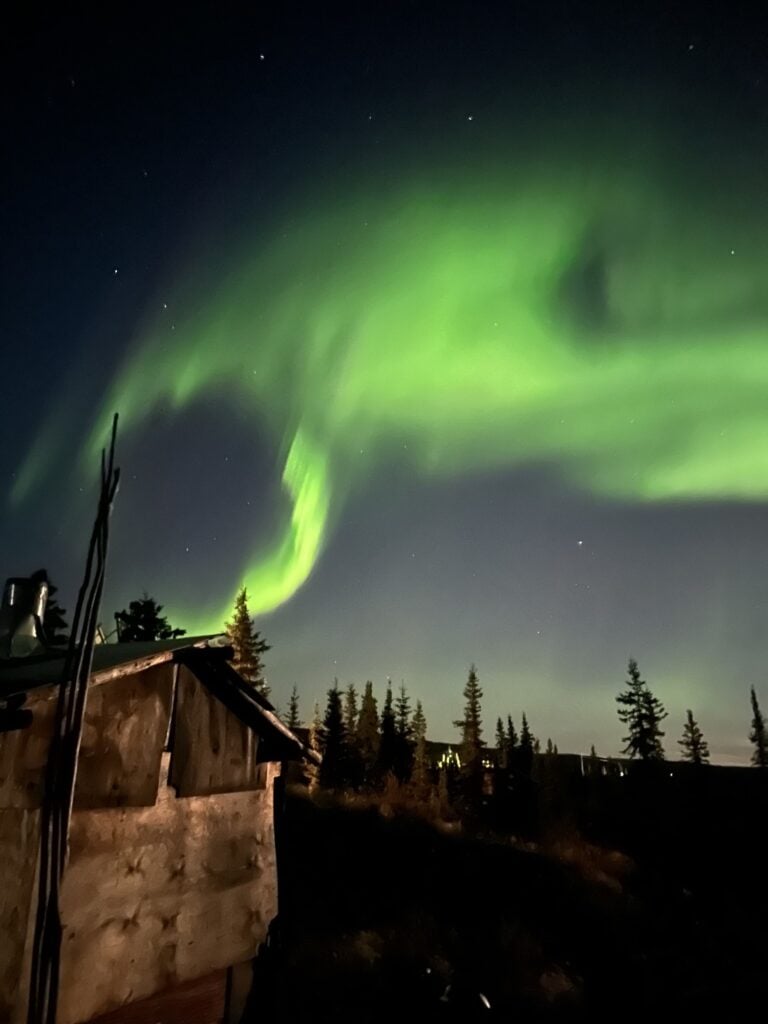
From a sustainability perspective, opening one of the world’s last intact ecosystems to fossil fuel extraction is seen by many scientists as counterproductive to international climate goals. Analysts point out that the infrastructure required for drilling in such a remote area—including hundreds of miles of pipelines, roads, and airfields—would further accelerate local warming and fragment critical habitats.
Furthermore, the "divestment" movement has become a powerful tool in this conflict. Many of the world’s largest banks and insurance companies, including Goldman Sachs, JPMorgan Chase, and Wells Fargo, have announced policies that prohibit or limit the financing of oil and gas projects in the Arctic Refuge. These financial institutions cite both the reputational risk and the poor long-term economic outlook for high-cost Arctic oil in a world transitioning toward renewable energy.
Strategic Responses and Call to Action
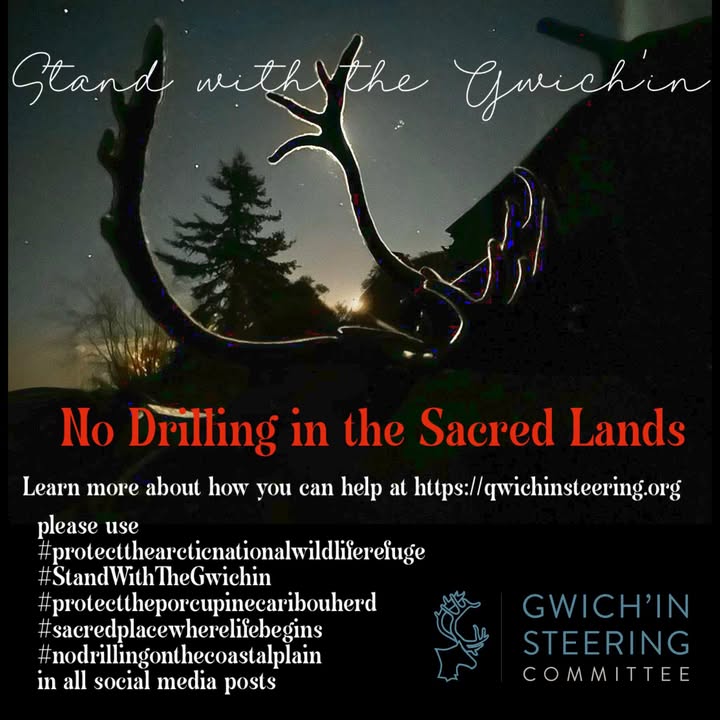
The Gwich’in Steering Committee, the primary advocacy body for the tribe, continues to lead the effort to educate the public and lobby lawmakers. Their strategy involves a multi-pronged approach:
- Legal Challenges: Filing lawsuits to contest the adequacy of environmental impact statements and the legality of lease sales.
- Corporate Engagement: Pressuring banks and insurance companies to maintain their commitments against funding Arctic drilling.
- Legislative Advocacy: Pushing for the passage of the "Arctic Village Act" or similar federal legislation that would designate the Coastal Plain as a wilderness area, providing it with the highest level of federal protection.
- Public Awareness: Utilizing allies like the POW Creative Alliance to bring the story of the Gwich’in to a global audience.
As the gathering concluded, the message from Vashraii K’oo was clear: the Gwich’in Nation will not concede. The protection of the Arctic National Wildlife Refuge is presented not as an isolated environmental issue, but as a fundamental question of human rights and global responsibility.
The insights brought back by Lagasse underscore a pivotal realization: the struggle for the Arctic is a bellwether for the planet. "What happens in the Arctic is an indicator of what will happen to the rest of the planet," Lagasse stated. For those watching from afar, the recommendation from the Gwich’in elders is to remain informed, recognize the historical roots of the conflict, and support the Indigenous stewards who have protected this land for millennia. The survival of the Porcupine caribou and the Gwich’in people remains inextricably linked to the decisions made in the coming years regarding the sanctity of the Coastal Plain.
