

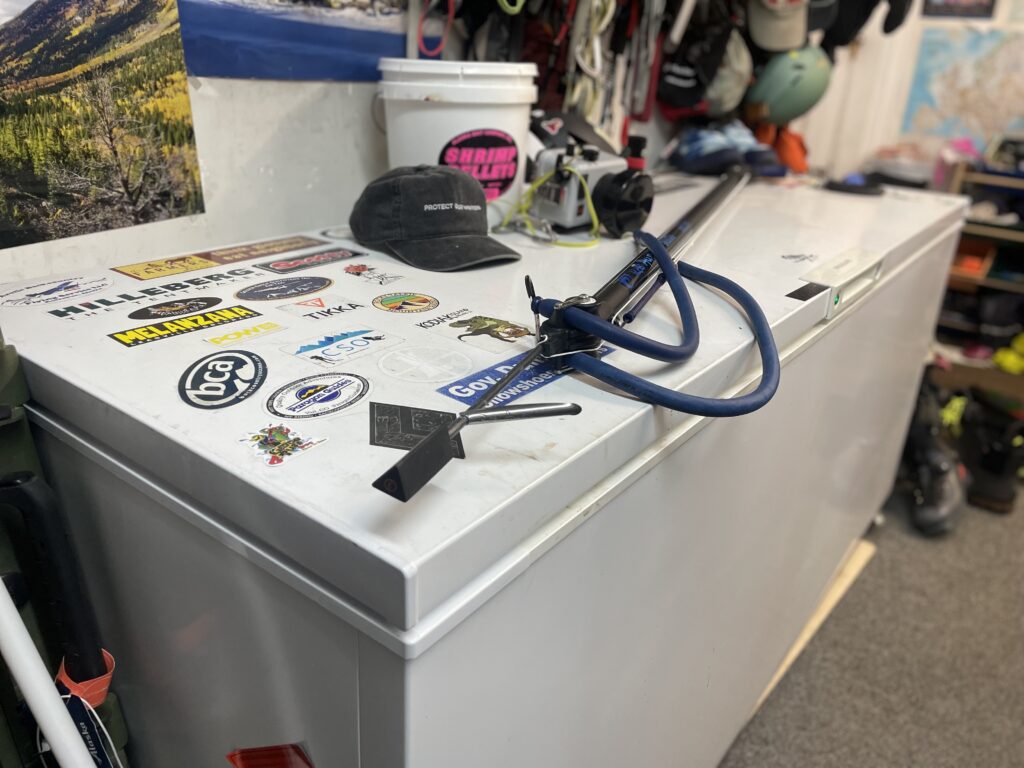
The rhythm of life in Anchorage, Alaska, is often measured not by the ticking of a clock, but by the fluctuating contents of a chest freezer. For many residents of the state’s largest city, a 21.7-cubic-foot appliance serves as more than a storage unit for frozen goods; it is a repository of seasonal labor, a barometer of ecological health, and a central pillar of food security. As the Alaskan summer reaches its peak, these freezers undergo a transition from the scarcity of late spring to the abundance of the salmon run, a cycle that defines the cultural and ethical landscape of the circumpolar North. However, as the North Pacific Ocean warms at an unprecedented rate, the stability of this cycle is increasingly called into question by researchers, policymakers, and subsistence harvesters alike.
In the urban environment of Anchorage, where wildlife such as grizzly bears frequently interface with residential neighborhoods, the distinction between city living and wilderness survival remains blurred. The annual migration of salmon from the ocean to freshwater streams triggers a state-wide shift in priorities. Commercial fishing remains a primary economic engine for the state, contributing billions of dollars to the Alaskan economy, yet the personal-use and subsistence fisheries represent a deeper, non-monetary relationship between the population and the land. This relationship is governed by an unspoken social contract: the fish are viewed as a communal resource, borrowed from the water with a debt of gratitude that is repaid through conservation and the practice of sharing the harvest with neighbors and those in need.

The Chronology of the Alaskan Harvest
The Alaskan fishing season follows a rigorous chronology that begins long before the first nets are cast. For residents like Alex Lee, an Associate Professor of Philosophy at Alaska Pacific University and a captain of the Science Alliance for Protect Our Winters (POW), the month of April is characterized by a specific form of anxiety. This period represents the "ebb" of the freezer’s cycle, where the previous year’s stocks of sockeye, coho, and king salmon dwindle to the dregs of smoked collars and vacuum-sealed bellies.
By early summer, the focus shifts to "white fish," primarily Pacific cod and halibut, which provide the first influx of fresh protein. As June transitions into July, the "red fish"—sockeye and Chinook salmon—take center stage. The arrival of these species alters the social fabric of the state. Work schedules are adjusted, and family vacations are organized around the "tide books" that dictate the movement of fish into the river systems. This period of "midnight sun and largess" is a race against time to optimize the harvest before the onset of the long subarctic winter.
Environmental Data and the Warming North Pacific
The reliability of these runs is currently being challenged by rapid environmental shifts. Data indicates that the North Pacific Ocean is warming faster than any other ocean basin on the planet. This warming trend is accompanied by a significant decrease in ocean pH, a process known as ocean acidification. Scientific studies have demonstrated that even marginal increases in acidity can have devastating effects on juvenile salmon. Lower pH levels are linked to decreased growth rates and can disrupt the olfactory senses that salmon rely on to navigate back to their natal streams for spawning.
Furthermore, the terrestrial ecosystems of the circumpolar North are warming at twice the global average. This leads to the thawing of permafrost, which in turn alters the hydrology of spawning streams. Increased water temperatures in these rivers can be lethal to salmon or, at the very least, reduce the success rate of egg incubation. While sockeye salmon runs have remained relatively robust in recent years, other species are in a state of visible decline. King salmon (Chinook) stocks have plummeted across much of the state, leading to stringent regulatory restrictions. In Southcentral Alaska, recent years have seen the implementation of "emergency orders" from the Alaska Department of Fish and Game (ADF&G), which have restricted the retention of coho (silver) salmon in response to low return numbers.
Methods of Harvest: From Dipnetting to Freediving
The methods used by Alaskans to fill their freezers are as varied as the landscape itself. The most iconic of these is "dipnetting," a practice unique to Alaska’s personal-use fisheries. This involves using a large-diameter net on a long aluminum pole to catch sockeye salmon in high-density areas.
Two primary locations dominate the dipnetting scene: the Copper River and the Kenai Peninsula. The Copper River harvest is a grueling undertaking, often involving the use of ATVs to traverse abandoned railroad grades and the use of climbing ropes to descend steep canyon walls to reach the churning glacial waters. In contrast, the Kenai River dipnet fishery is a more "civilized" but crowded affair, where hundreds of residents stand shoulder-to-shoulder in the surf, waiting for the tide to push the schools of fish within reach.
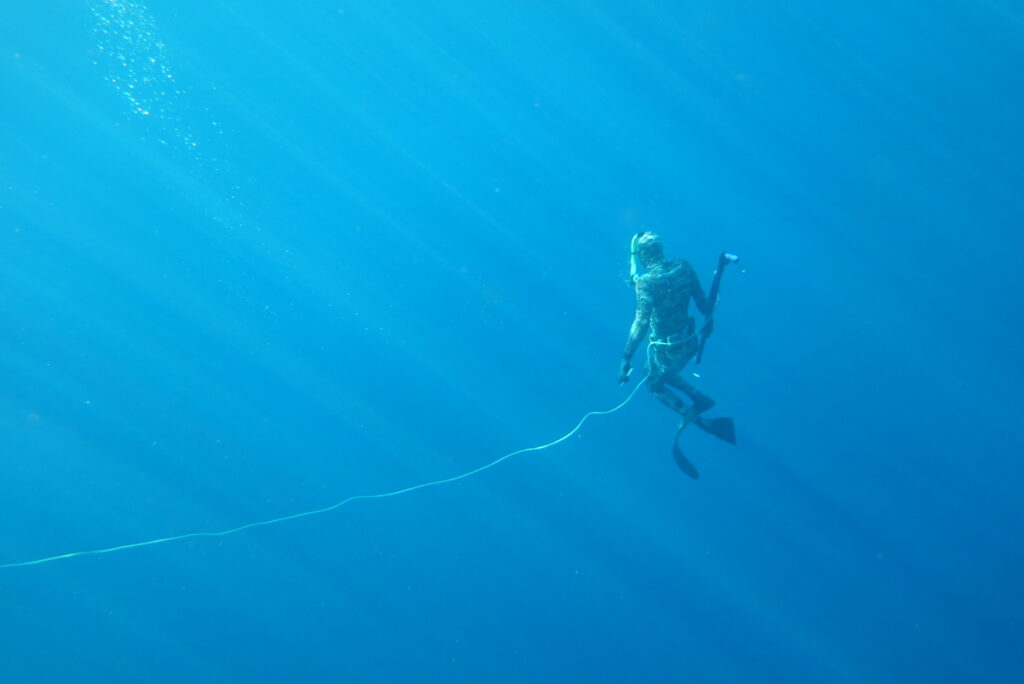
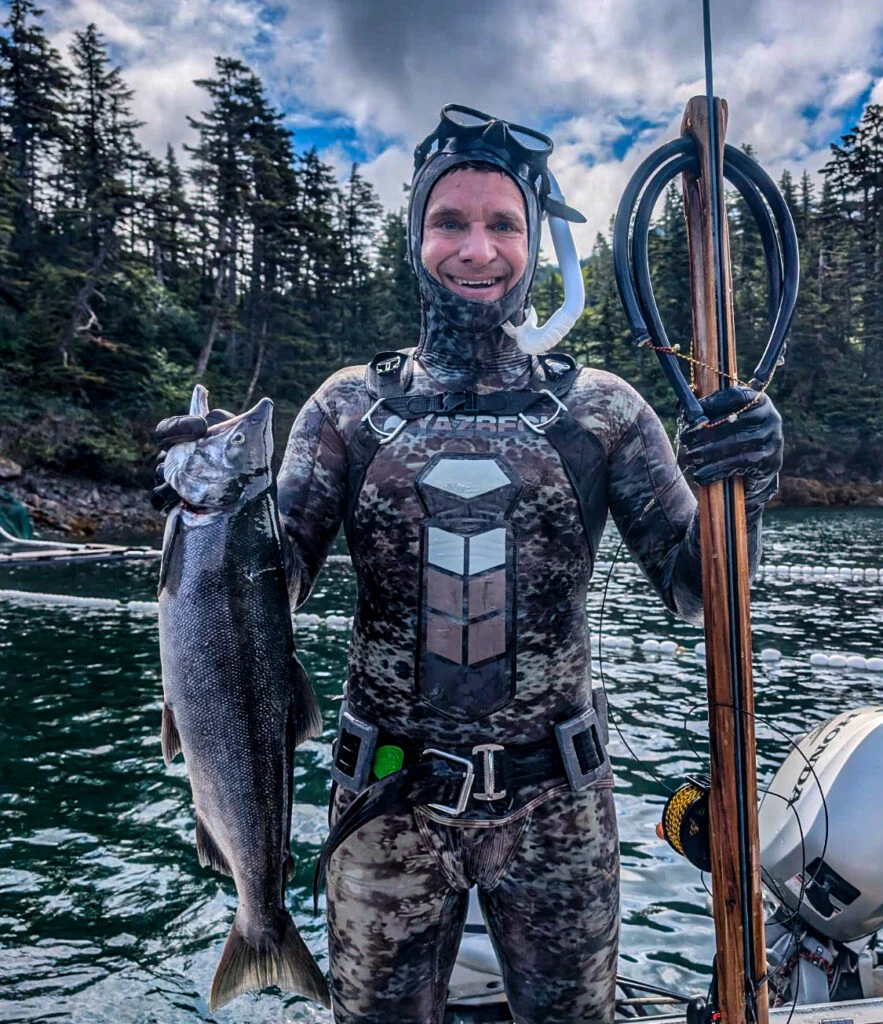
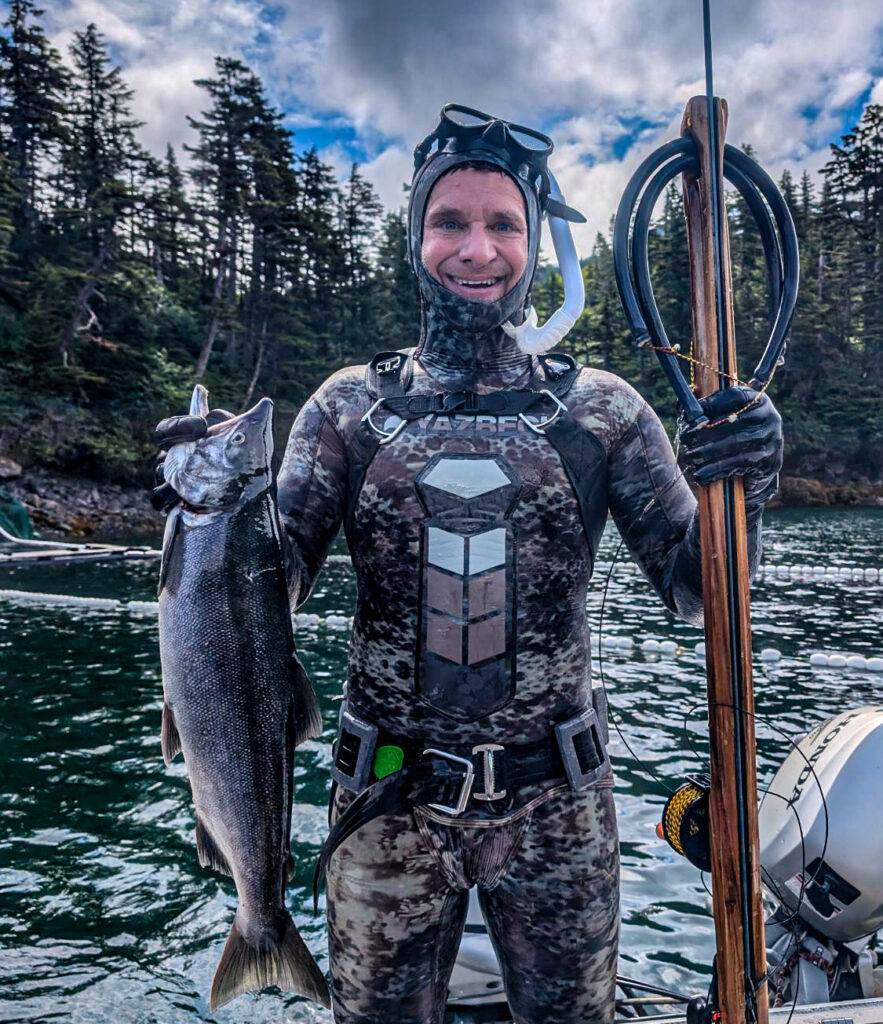
However, a new trend is emerging among some harvesters who seek a more direct connection with the marine environment. Freediving with a speargun in a thick neoprene wetsuit allows for a "spectral experience" beneath the waves. This method requires a high degree of physical fitness and "breath-hold" practice, particularly in the dark, silt-heavy waters of the North Pacific. Proponents of this method, including Professor Lee, argue that it offers a meditative reprieve from the pressures of modern life—a space where "taxes, insurance, and broken garage door openers" cease to exist, replaced by the rhythmic heartbeat of the diver and the movement of the tide.
The Ethics of the Freezer and Communal Resource Management
The act of filling a freezer in Alaska is not merely an exercise in self-sufficiency; it is an ethical manifestation of one’s place in the ecosystem. The "unspoken social contract" of the North dictates that salmon should not be hoarded. If a neighbor’s freezer is empty, the surplus from another’s is expected to fill the gap. This cultural norm reinforces the idea that the fish belong to the water and the community rather than the individual.
This ethical framework is passed down through generations. For many families, "fish" is among the first words spoken by children, who are raised watching their parents process thousands of pounds of seafood. The intergenerational transmission of these skills is vital for the continued survival of the Alaskan identity. As older generations, who remember a time of even greater abundance, pass their knowledge to the youth, there is a growing realization that they are also passing down a "debt" to the future—a responsibility to manage the declining resources in a way that ensures they will still exist for the next generation.
Broader Implications and Future Outlook
The future of Alaska’s salmon fisheries is inextricably linked to global climate policy. Organizations like Protect Our Winters (POW) emphasize that the preservation of these fisheries requires more than just local management; it requires a systemic shift in how the world addresses carbon emissions and oceanic health. The "Science Alliance" led by experts like Lee seeks to bridge the gap between academic research and public advocacy, using the visceral reality of a thinning salmon run to illustrate the stakes of the climate crisis.
If the freezers of Anchorage were to one day run empty, the implications would extend far beyond a change in diet. It would represent a collapse of a cultural heritage and a failure of the ethical stewardship that has defined the region for millennia. As the season winds down and the "fish flurry" subsides, the attention of many Alaskans shifts from the water to the mountains, preparing for the winter snows. Yet, the freezer remains the heart of the home, its 21.7 cubic feet of space holding not just food, but the stories of the past and the anxieties of an uncertain future.
The ongoing management of these stocks by the ADF&G remains a delicate balancing act between economic necessity, subsistence rights, and biological reality. As the state moves forward, the "gratitude held in the freezer" will continue to serve as a reminder that the health of the salmon is a mirror of the health of the North itself. Whether through traditional rod and reel, the precarious cliffs of the Copper River, or the silent depths of the spearfisher, the pursuit of the salmon remains the definitive Alaskan endeavor—a testament to a society that still understands its fundamental dependence on the natural world.
