

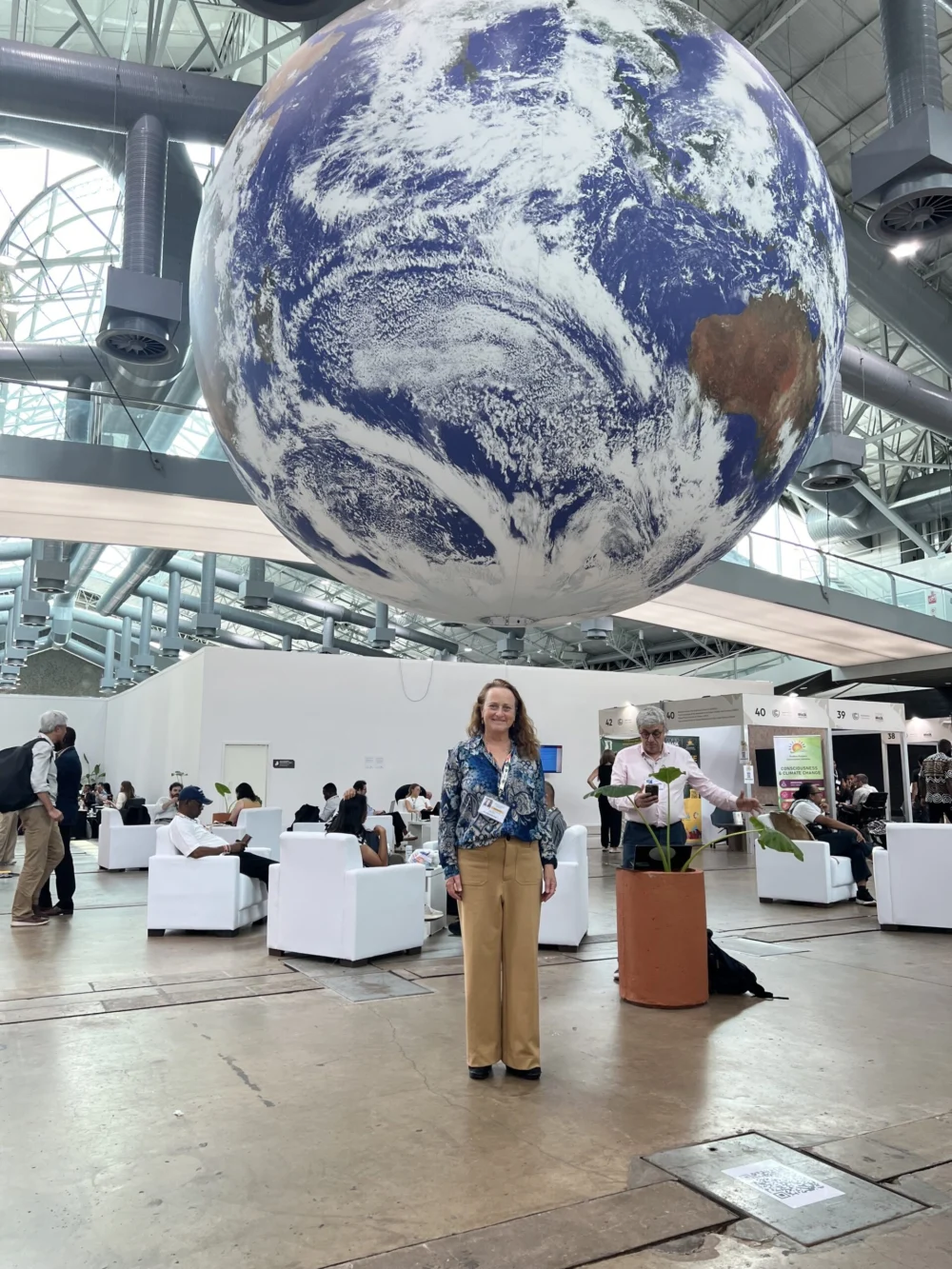
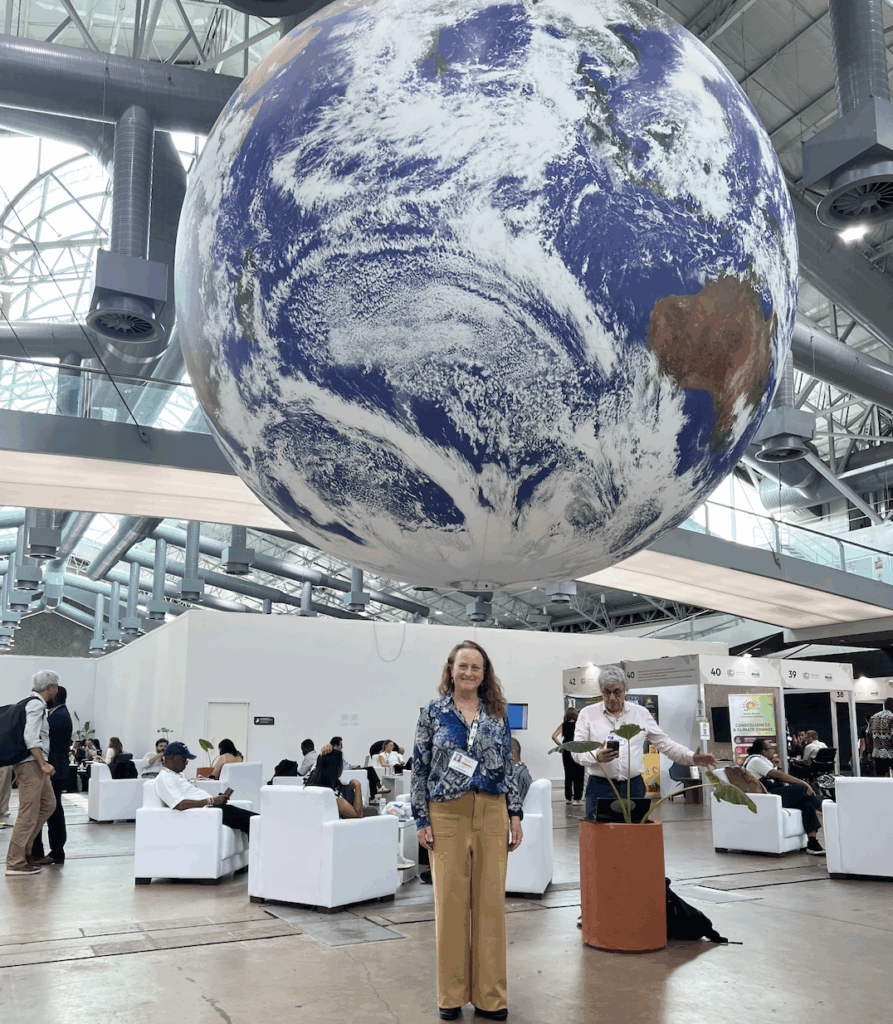
The 30th Annual United Nations Climate Change Conference, known as COP30, convened in Belém, Brazil, from November 11 to 28, 2024, marking a pivotal moment in global efforts to address the escalating climate crisis. Held in the "gateway to the Amazon," the summit brought together approximately 60,000 participants, including representatives from nearly 200 nations, non-governmental organizations (NGOs), and scientific institutions. While the setting underscored the urgency of preserving the world’s most critical carbon sinks, the proceedings were defined by a stark tension between the urgent demands for climate action and the entrenched interests of fossil fuel-producing nations. Despite significant grassroots mobilization and subnational diplomatic efforts, the final negotiated outcomes faced criticism for failing to explicitly address the primary driver of global warming: the extraction and consumption of fossil fuels.
The Strategic Significance of the Amazonian Venue
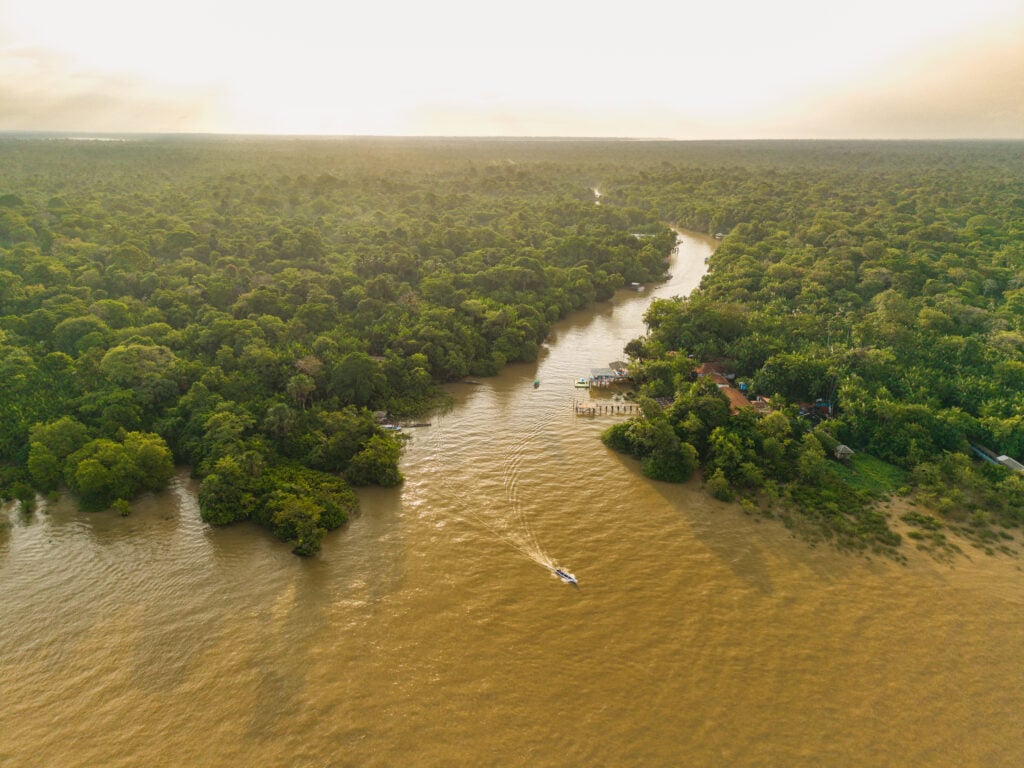
Hosting COP30 in Belém was a deliberate move by the Brazilian government and the United Nations Framework Convention on Climate Change (UNFCCC) to center the conversation on the intersection of biodiversity, Indigenous rights, and climate stability. As the capital of the state of Pará, Belém serves as a logistical and symbolic entry point to the Amazon rainforest. The choice of location was intended to amplify the voices of those living on the front lines of deforestation and environmental degradation.
The summit was divided into two primary areas: the Blue Zone and the Green Zone. The Blue Zone served as the epicenter of official UN negotiations, hosting two-week-long pavilions, press conferences, and high-level diplomatic exhibits. This area operated as a "climate world fair," where 190-plus nations showcased their technological innovations and policy frameworks. Conversely, the Green Zone and the concurrent People’s Climate Summit provided a platform for civil society, Indigenous activists, and local communities to demand more aggressive accountability from global leaders.
Chronology of Negotiations and Key Events
The two-week summit followed a structured timeline that transitioned from high-level political declarations to technical negotiations.
Week One: Subnational Diplomacy and Initial Pledges
The opening week was characterized by the arrival of regional leaders and the announcement of bilateral agreements. Notable among these was the activity of California Governor Gavin Newsom, who utilized the platform to sign a series of international accords. These included methane reduction agreements with Colombia and partnerships for electric vehicle (EV) infrastructure expansion with Nigeria. These actions highlighted a growing trend of "subnational diplomacy," where state and provincial governments bypass federal stagnation to enact climate policy.
Mid-Summit: The Rise of Civil Society and Indigenous Advocacy
The middle of the conference saw a surge in visibility for Indigenous delegations. The number of Indigenous representatives in the Blue Zone tripled compared to previous years, reaching 900 delegates. On November 18, the "Climate March" in the streets of Belém drew thousands, calling for the legal recognition of Indigenous territories as a primary strategy for forest conservation. Simultaneously, legal activists, including Saúl Luciano Lluya—famous for his climate litigation against the German energy giant RWE—participated in demonstrations urging a "polluter pays" model for loss and damage.
Week Two: The Deadlock over Fossil Fuels
As the conference moved toward its conclusion, the focus shifted to the "Global Stocktake" and the drafting of the final decision text. Tensions peaked when petrostates and certain industrial powers resisted language that would mandate a phase-out or even a "transition away" from fossil fuels. Despite a coalition of over 80 nations advocating for clear language on decarbonization, the final hours of the summit were marked by intense closed-door sessions that ultimately resulted in a compromised document.
The Absence of Official U.S. Federal Leadership
A defining characteristic of COP30 was the lack of an official federal negotiating delegation from the United States. Following shifts in domestic policy priorities, the U.S. executive branch did not send a formal team to lead negotiations. This absence was noted by veteran diplomats as a significant hurdle in brokering consensus on sensitive financial and mitigation targets. Historically, the U.S. has played a "broker" role, bridging the gap between developing nations and the European Union.
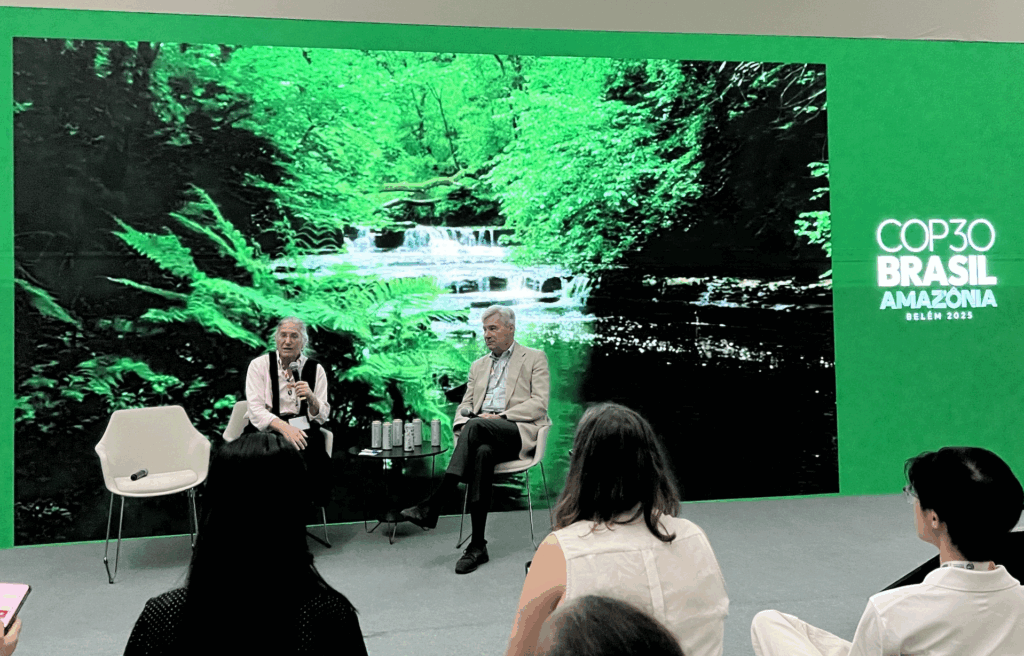
Despite the federal vacuum, U.S. presence was maintained through the "America’s All In" coalition and the U.S. Climate Alliance, which represents 26 states and a significant portion of the American economy. Senator Sheldon Whitehouse of Rhode Island stood as the sole member of the U.S. Congress in attendance. During a meeting with student researchers and NGO leaders, Whitehouse emphasized that the "artificial state" of climate partisanship in the U.S. is heavily influenced by fossil fuel expenditures, stating that as long as the industry "enjoys the freedom to pollute for free," a clear pathway to climate safety remains elusive.
Indigenous Representation and the "Power Gap"
While COP30 saw a record number of Indigenous participants, the qualitative impact of their presence remained a point of contention. The "Mountain Sentinels Alliance" and the "Instituto de Montaña," a Peru-based NGO, brought delegations of Andean and Himalayan representatives to the summit. However, these groups faced significant structural barriers, including:
- Visa and Travel Constraints: Delegates from the Global South, particularly from countries like Cameroon, were unable to attend due to transit visa denials.
- Language Barriers: Despite the international nature of the event, much of the official programming and high-level negotiations were conducted exclusively in English, marginalizing Quechua and Spanish-speaking Indigenous leaders.
- Lobbyist Disparity: Analysis of the Blue Zone registration data revealed that fossil fuel lobbyists outnumbered Indigenous delegates by a ratio of more than two to one.
These factors led many activists to argue that Indigenous inclusion remained "symbolic" rather than "substantive," as the communities most affected by climate change were often excluded from the final decision-making rooms.
Scientific Realities vs. Negotiated Outcomes
The scientific community, represented by the Research and Independent Non-Governmental Organizations (RINGO) constituency, presented sobering data throughout the summit. To maintain the 1.5°C warming limit established by the Paris Agreement, global greenhouse gas emissions must be reduced by 55% by 2035.
However, the final negotiated document at COP30 notably omitted the term "fossil fuels." This omission was widely attributed to pressure from major oil and gas-producing nations. The exclusion of this terminology is seen by climate scientists as a significant regression from the progress made at COP28 in Dubai, where "transitioning away from fossil fuels" was first mentioned in a final text.
Key "Wins" and Incremental Progress:
Despite the failure to address fossil fuel extraction, several secondary goals were achieved:
- Methane Pledges: New commitments were made to track and reduce methane leaks in the agricultural and energy sectors.
- Climate Mobility Hub: The summit saw the elevation of the Climate Mobility Hub, which focuses on the "loss and damage" associated with climate-induced migration—a reality already affecting mountain and coastal communities.
- Conservation Financing: Brazil and several international partners announced new funding mechanisms for "standing forest" economies, aiming to provide financial incentives for keeping the Amazon intact.
Broader Impact and Global Implications
The results of COP30 suggest a bifurcated future for global climate policy. On one hand, the formal UN process is increasingly bogged down by geopolitical interests and the influence of the energy industry. On the other hand, a "bottom-up" movement involving subnational governments, Indigenous groups, and scientific coalitions is gaining momentum.
The "Belém Outcomes" underscore the difficulty of achieving global consensus in a multipolar world. The absence of the U.S. federal government from the negotiating table created a leadership vacuum that was only partially filled by the European Union and the "High Ambition Coalition." This shift suggests that future climate progress may rely less on sweeping international treaties and more on a patchwork of regional agreements, trade-linked climate policies (such as carbon border adjustment mechanisms), and litigation-driven accountability.
For the "Outdoor State"—the global community of mountain enthusiasts, athletes, and scientists—the stakes of COP30 were particularly high. The conference highlighted the vulnerability of mountain ecosystems, which are warming at twice the global average. The disconnect between the urgency felt by these communities and the cautious language of the final UN text serves as a call for increased transparency and more rigorous federal policy advocacy.
As the world looks toward COP31, the message from Belém is clear: while the hunger for climate action is global, the roadblocks remain systemic. The phrase "everyone, everywhere, all at once," which became a refrain among negotiators in the final days, encapsulates the scale of the effort required. The transition to a stable climate trajectory will require not just diplomatic presence, but the political will to confront the economic structures that continue to prioritize fossil fuel expansion over planetary stability.
