

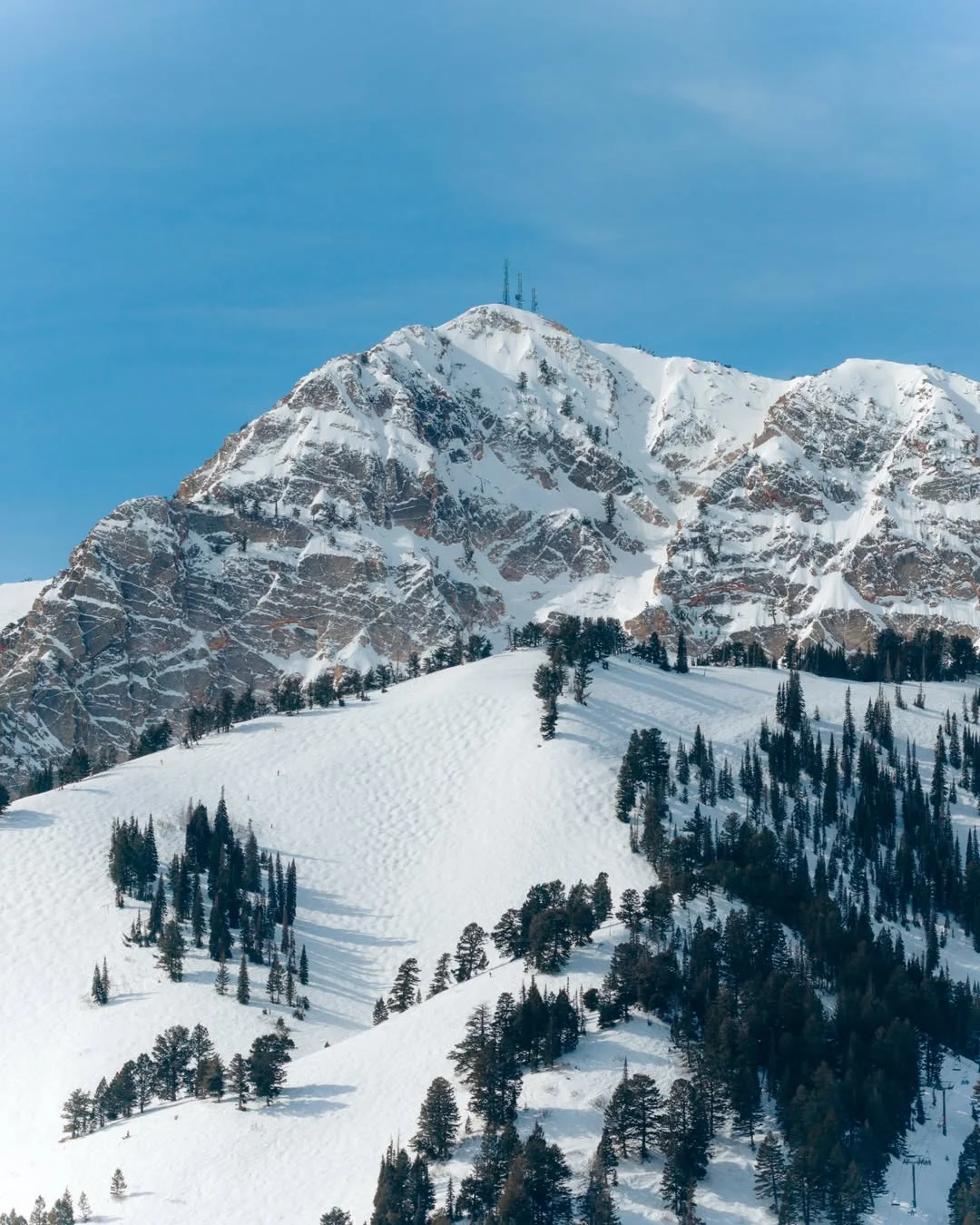
The anticipated sweet spot of Utah’s 2026 spring ski season, typically characterized by softening snow, vibrant pond skim events, and extended operations well into April, is facing an abrupt shift. This transition from celebration to conservation has been starkly underscored by Snowbasin’s recent announcement of an early season closure on Sunday, March 22. This decision, significantly ahead of historical norms, serves as a potent indicator of the profound impact a dry and unseasonably warm winter has had on the state’s renowned ski resorts, forcing a recalibration of expectations and operational timelines.
Our earlier examination of Utah’s projected 2026 spring ski calendar highlighted a season poised for typical festivities, including a robust schedule of events and an outlook for prolonged skiing opportunities. However, the stark reality of a winter that has delivered minimal snowfall, punctuated by infrequent and insufficient storm cycles, has fundamentally altered this outlook. The conversation has pivoted from celebrating the remaining calendar to assessing which resorts possess the snow base and operational resilience to extend their seasons beyond the current challenging conditions. Snowbasin’s early closure is not merely an isolated incident; it represents a significant harbinger of the operational realities facing many ski areas across the Western United States, where a combination of low snow accumulation and accelerating melt-out due to warmer temperatures is forcing difficult decisions.
Snowbasin’s Early Departure: A Symbol of a Thin Winter
Snowbasin’s decision to cease operations on March 22 marks a definitive turning point, signaling that the persistent lack of winter precipitation in Utah is no longer a developing concern but a tangible operational constraint. In a typical year, Utah’s high-elevation resorts, particularly those nestled within the Cottonwood Canyons, can sustain skiing operations well into April, with some even pushing the season into May. However, the 2026 winter season has deviated sharply from the norm. A period marked by extended stretches of unusually warm temperatures, coupled with below-average snowfall, has created a precarious situation for resort snow bases. The limited opportunities for substantial snow replenishment have left many resorts with a diminished capacity to extend their operational calendars.
The impact of this decision extends beyond the immediate closure of a single resort. Snowbasin, as one of Utah’s premier ski destinations, is generally perceived to possess the infrastructure and snow-holding capacity to endure through the spring months. Its closure at such an early juncture is, therefore, a particularly strong signal of the widespread challenges. The resort’s usual ability to offer extended spring skiing, a draw for many enthusiasts, is curtailed, leaving a void in the expected offerings from one of the state’s flagship operations. This premature end to operations at Snowbasin is a clear indicator that the cumulative effects of a persistently dry winter are now dictating the season’s conclusion for even the most robust of Utah’s ski resorts.
The Shifting Landscape of Utah Spring Skiing
The broader picture across Utah’s ski landscape presents a mixed but undeniably downward trend. While most resorts remain open for now, and a number of spring events are still slated to proceed as planned, the inherent tension between scheduled festivities and actual snow conditions is palpable. Pond skim competitions, live music performances, base-area celebrations, and traditional closing weekend gatherings are still part of the planned itinerary for many. However, in a season defined by its deficit in natural snowfall, these planned events are increasingly uncertain to align with the physical reality of skiable terrain.

This divergence has been a subtle undercurrent throughout the spring season. Our prior analysis of Utah’s spring skiing typically outlined a predictable rhythm: firm snow in the early morning, transitioning to softer, corn snow conditions by late morning and into the afternoon, allowing for more relaxed, warmer laps with fewer crowds. This springtime transition is ideally supported by a substantial lingering snow base from the winter months. However, in 2026, this crucial cushion appears significantly thinner than in preceding years, jeopardizing the traditional enjoyment and operational viability of this beloved period. The viability of these cherished spring traditions is now contingent on the remaining snowpack and the rate of its depletion under warming temperatures.
Analysis of Implications for the Remainder of Utah’s Season
Snowbasin’s early closure is not an isolated occurrence; it reflects a trend that is beginning to impact smaller Utah mountains with increasing frequency. Terrain across the region has been noticeably affected by a winter that failed to deliver substantial accumulations. Resorts that have benefited from higher elevations, superior natural snow preservation, or advanced snowmaking capabilities have managed the season more effectively. However, even for these operations, the 2026 season has largely been characterized by diligent snow management rather than an abundance of natural snow.
Despite these challenges, skiing opportunities are not entirely extinguished. Resorts such as Alta, Snowbird, Brighton, Solitude, Deer Valley, Park City, and Brian Head are still considered part of Utah’s late-season skiing picture. Some of these resorts have spring events scheduled to extend through April, and Snowbird, in particular, is anticipated to maintain operations into May, a testament to its typically strong snow retention and higher elevation. Snowbird is widely projected to be the resort that can extend its season the longest, a pattern observed in many previous years. However, the duration of its operations will ultimately be dictated by the remaining snow depth and the pace at which warmer weather diminishes the snowpack.
For skiers and snowboarders, this period of the season necessitates an adjustment in expectations. The pursuit of fresh powder, a hallmark of the winter months, is no longer the primary focus. Instead, the appeal shifts towards other aspects of the spring experience: the precise timing for optimal corn snow conditions, the enjoyment of well-groomed slopes, the social atmosphere of on-mountain concerts, and the simple pleasure of maximizing whatever skiing remains in a season that is demonstrably concluding earlier than anticipated.
The narrative of Utah’s spring skiing season has definitively moved from one of potential and anticipation to one of consequence. With Snowbasin’s closure on March 22, the impact of a low-snow winter has transitioned from a concern to a concrete reality that will shape the remainder of the 2026 ski season across the state. The economic implications for resorts, the adjustments in marketing strategies, and the altered experiences for both local and visiting skiers will be felt throughout the spring and potentially influence planning for subsequent seasons. The reduced operational periods can lead to decreased revenue streams, impacting staffing, marketing budgets, and future investment in infrastructure. For the industry, this serves as a stark reminder of the increasing vulnerability of ski resorts to climate variability and the critical need for adaptive strategies in the face of evolving environmental conditions. The resilience of Utah’s ski industry will be tested as it navigates these shorter seasons and seeks to maintain its reputation as a premier winter destination.
