

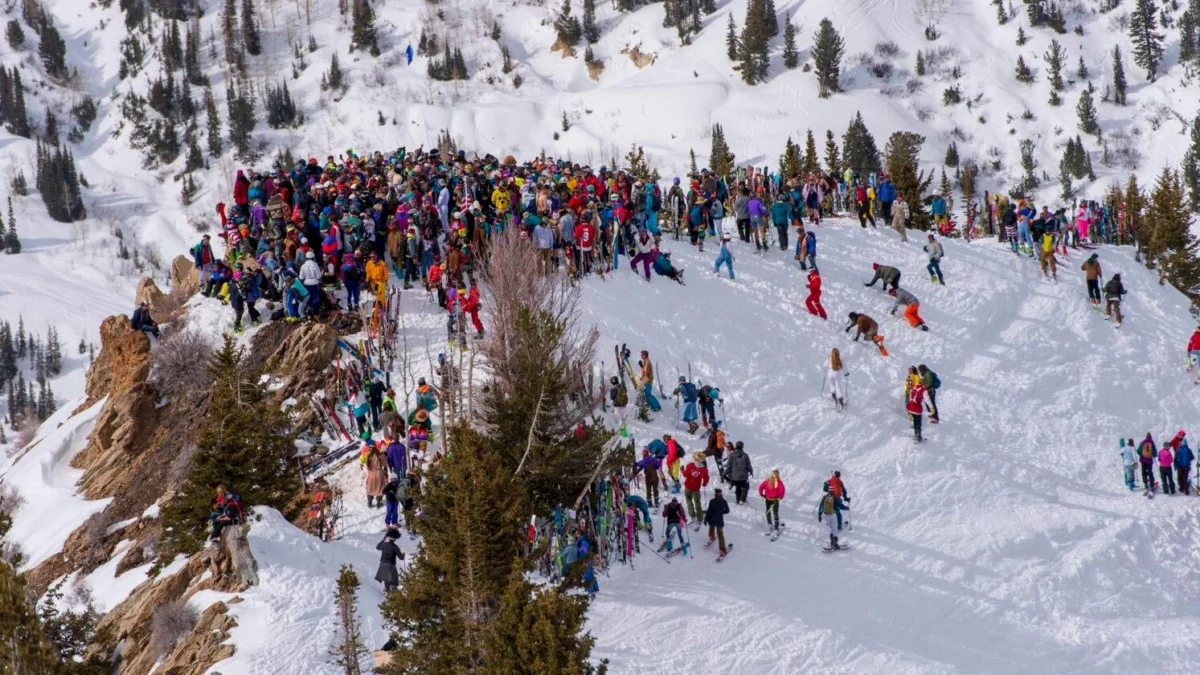
As the days lengthen and the distinct crispness of corn snow signals the arrival of spring skiing, a season often heralded as the zenith of the year for many snow enthusiasts, a subtle yet urgent shift is occurring within the mountain ecosystems themselves. While skiers and snowboarders revel in the pleasure of soft, forgiving snow and sun-drenched après-ski gatherings, the very mountains that host these traditions are facing unprecedented environmental pressures. The year 2026 has marked a significant inflection point, with notable updates to mountain management strategies and a sobering increase in resorts concluding their seasons prematurely due to inadequate snowpack. This confluence of factors underscores a critical imperative: the need for sustainable mountain practices has never been more pronounced. As the snow begins its inevitable melt, it is essential to embrace a conscious approach to our enjoyment of the slopes, ensuring that our passion for winter sports does not compromise the health of the very environments we cherish.
The Environmental Footprint of Spring Skiing: A Deeper Dive
The allure of spring skiing, characterized by longer daylight hours and the delightful transformation of snow into a soft, pliable medium, is undeniable. However, this beloved season is increasingly becoming a stark reminder of the environmental challenges facing the ski industry. Reports from the 2026 season indicated a concerning trend: several ski resorts, particularly in lower-elevation regions, were forced to cease operations weeks ahead of their scheduled closing dates. This premature closure is a direct consequence of warmer temperatures and insufficient snowfall, phenomena directly linked to climate change. For instance, data compiled by the National Snow and Ice Data Center (NSIDC) revealed that average snowpack depth across Western North America in early 2026 was approximately 15% below the 30-year average for the same period. This deficit not only impacts the operational viability of ski resorts but also has cascading effects on the hydrology and biodiversity of mountain regions. The melting snowpack is a critical source of freshwater for downstream communities and ecosystems, and its diminished volume has significant implications for water availability throughout the year.
The carbon footprint associated with ski travel and equipment use also contributes significantly to the environmental strain. Transportation to and from ski destinations represents a substantial portion of a ski trip’s overall carbon emissions. Recognizing this, many resorts are actively promoting and incentivizing more sustainable travel options. Carpooling initiatives, often facilitated through dedicated online platforms or resort-sponsored parking benefits, have seen increased participation. Furthermore, the expansion and enhancement of public transportation and shuttle services are becoming standard offerings at many leading resorts. For example, a recent analysis of transportation emissions for a typical ski weekend revealed that choosing to carpool with three other individuals could reduce per-person carbon emissions by as much as 70% compared to driving alone.

Beyond travel, the materials and chemicals used in ski and snowboard maintenance also warrant careful consideration. Conventional ski waxes often contain per- and polyfluoroalkyl substances (PFAS), a group of synthetic chemicals known for their persistence in the environment and their potential to leach into water sources as snow melts. These "forever chemicals" can accumulate in soil, water, and living organisms, posing risks to local vegetation and wildlife. The environmental impact of these substances is a growing concern for regulatory bodies and environmental advocacy groups. As a result, a significant shift towards eco-friendly alternatives is underway. Brands like mountainFLOW are at the forefront of developing plant-based, biodegradable waxes that offer comparable performance without the toxic byproducts. The adoption of these sustainable waxes ensures that as skiers and riders carve through the spring slush, they are not inadvertently contributing to environmental contamination.
The lifecycle of ski gear itself is another crucial aspect of sustainable mountain practices. The production of new apparel and equipment often involves resource-intensive manufacturing processes and the use of synthetic materials derived from fossil fuels. To mitigate this, consumers are increasingly encouraged to prioritize durable gear from brands committed to environmental responsibility. Companies such as Patagonia and The North Face have established robust programs focused on using recycled materials in their products and offering comprehensive repair services. These initiatives aim to extend the lifespan of gear, reduce waste, and minimize the demand for new production. According to industry reports, extending the life of a piece of outerwear by just two years can reduce its carbon footprint by up to 50%. This emphasis on durability, repairability, and responsible sourcing is transforming the way consumers approach their ski and snowboard equipment purchases.
Championing Sustainable Resorts and On-Mountain Initiatives
The environmental ethos of ski resorts varies significantly, and informed choices by patrons can drive positive change. When planning late-season ski excursions, supporting resorts that demonstrably prioritize sustainability is paramount. A growing number of mountain destinations are making substantial investments in renewable energy and eco-friendly infrastructure. Resorts like Aspen Snowmass in Colorado and Zermatt in Switzerland are recognized leaders in this domain, having implemented comprehensive strategies that include powering their operations with 100% renewable electricity and utilizing geothermal energy for heating and cooling. These ambitious commitments not only reduce their operational carbon footprint but also serve as influential models for the broader industry.
Furthermore, many resorts are actively engaging their communities and patrons through events that blend action sports with environmental advocacy. Alta Ski Area in Utah, for example, has established a tradition of hosting an annual Earth Day celebration, typically held in April. This event typically brings together local sustainable businesses, environmental organizations, and the Alta Environmental Center to offer on-mountain programming focused on ecological stewardship and conservation. Such initiatives provide valuable educational opportunities for visitors, fostering a deeper appreciation for the natural environment and promoting responsible behavior. By actively participating in and supporting these events, skiers and snowboarders send a clear message to the industry that the preservation of our natural playgrounds is a priority, influencing future resort policies and practices. The success of these events in raising awareness and engagement is evident in the increasing number of attendees and the tangible outcomes, such as local conservation projects funded through event proceeds.

The Delicate Balance: Respecting the Mountain’s Transition
Spring in the mountains is a period of profound ecological transition. As the snowpack gradually recedes, the underlying terrain becomes increasingly vulnerable. It is during this time that adherence to marked trails becomes critically important. Straying from designated paths can lead to the damage of nascent vegetation, the disruption of animal habitats, and the erosion of fragile soils. The thin snowpack that often characterizes late spring can conceal delicate ecosystems that are easily trampled by skis, snowboards, and boots.
The principle of "Leave No Trace" takes on an even greater significance during the spring season. As the snow melts, discarded items, from snack wrappers to small pieces of ski wax, can resurface, becoming unsightly litter and potential environmental hazards. The commitment to packing out everything that is brought in is essential for maintaining the pristine beauty of mountain environments. The analogy is straightforward: if an area is considered off-limits for trampling during the summer months due to its ecological sensitivity, the assumption that winter conditions render it indestructible is a flawed one. The cumulative impact of seemingly minor infractions can have a significant detrimental effect on the long-term health and resilience of mountain ecosystems.
The implications of these sustainable practices extend far beyond the immediate ski season. By embracing eco-conscious choices in our travel, gear selection, and on-mountain behavior, we contribute to the preservation of the natural resources that sustain both our recreational pursuits and the broader environment. The ski industry, as a whole, is at a critical juncture. Innovations in sustainable technologies, coupled with a growing awareness among consumers and operators alike, are paving the way for a more responsible future. The lessons learned and the habits formed during the spring skiing season can and should be carried forward throughout the year, fostering a culture of environmental stewardship that benefits not only the mountains but also the communities and ecosystems that depend on them. As the snow continues to transform, so too must our approach to enjoying it, ensuring that the stoke of spring skiing can be experienced by generations to come, on healthy and vibrant mountainsides.
