

The Trump administration has initiated a comprehensive series of policy reversals aimed at dismantling federal climate initiatives, halting renewable energy infrastructure projects, and expanding fossil fuel extraction across the United States. These actions, executed through the Department of the Interior (DOI), the Department of Energy (DOE), and other federal agencies, represent a fundamental pivot in the nation’s energy strategy and its approach to environmental science. By leveraging executive authority and invoking national security concerns, the administration is attempting to reshape the American energy landscape, prioritizing traditional carbon-intensive resources over the burgeoning clean energy sector. This report examines the specific measures taken regarding offshore wind, atmospheric research, maritime drilling, and coal-fired power generation, analyzing the legal, economic, and environmental implications of these developments.
The Suspension of Major Offshore Wind Projects
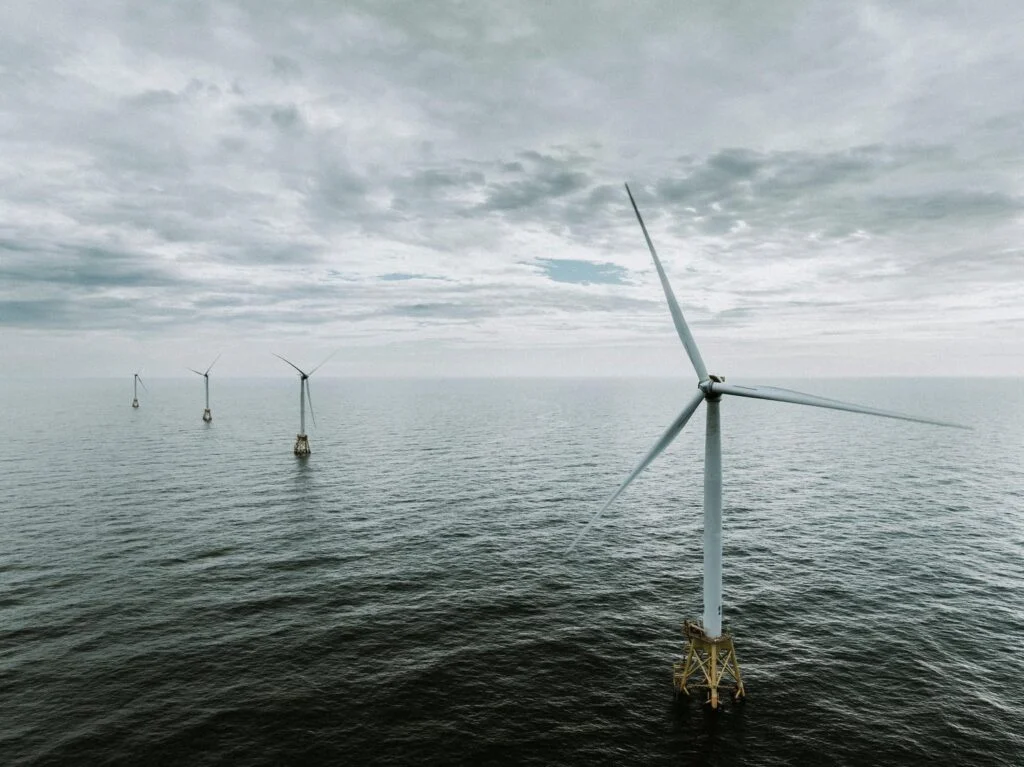
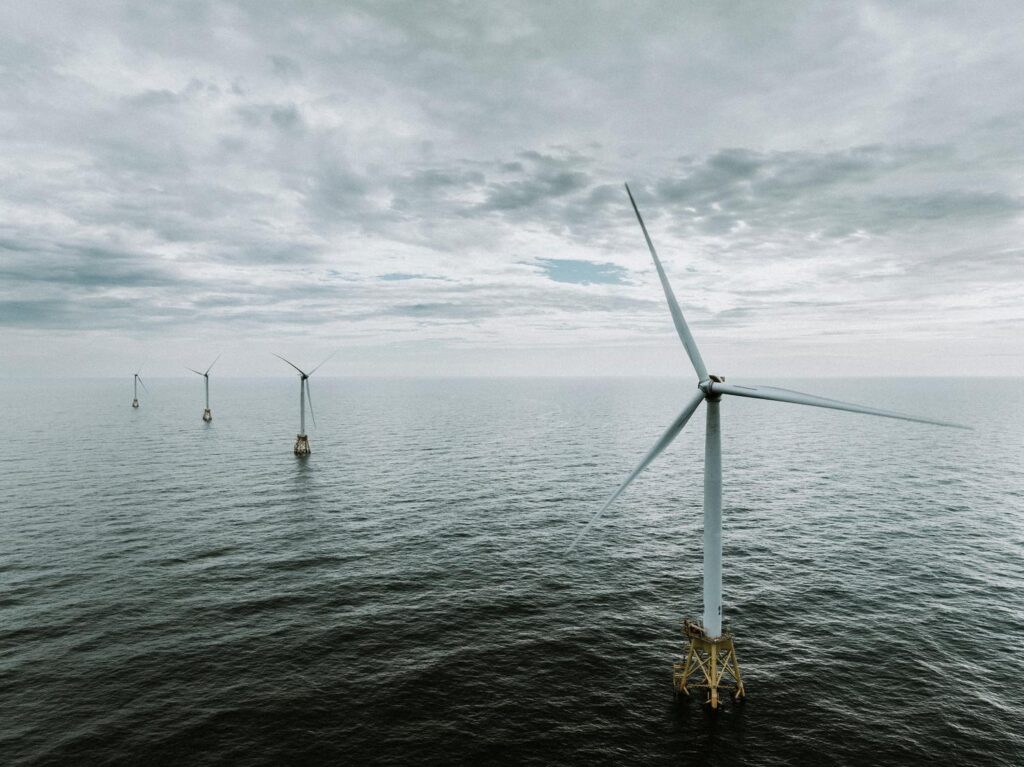
In a move that has sent shockwaves through the renewable energy industry, the Department of the Interior has ordered an immediate halt to five major offshore wind projects currently in various stages of construction. The affected developments include Vineyard Wind (Massachusetts), Revolution Wind (Rhode Island and Connecticut), Coastal Virginia Offshore Wind (Virginia), Sunrise Wind (New York), and Empire Wind (New York). These projects represented the vanguard of the U.S. offshore wind industry, collectively projected to provide several gigawatts of clean energy to the Eastern Seaboard.
The administration has justified the suspension by citing "national security" concerns, though the specific nature of these concerns remains classified. Legal analysts note that the use of classified security claims allows the executive branch to bypass standard administrative procedures and potentially shield the decision from immediate judicial review. This strategy has drawn sharp criticism from industry stakeholders and state governors who had integrated these projects into their long-term decarbonization goals.

The economic ramifications of this suspension are significant. According to data from the American Clean Power Association, the offshore wind sector was expected to support up to 83,000 jobs and generate $25 billion in annual economic output by 2030. With construction halted mid-build, developers face billions of dollars in stranded assets, and the domestic supply chain—including specialized vessel construction and port upgrades—faces immediate contraction. Furthermore, the decision creates a climate of regulatory uncertainty that may deter future foreign and domestic investment in U.S. infrastructure.
Proposed Closure of the National Center for Atmospheric Research
The administration has signaled its intent to potentially shutter the National Center for Atmospheric Research (NCAR), one of the world’s premier institutions for climate and weather science. Established in 1960 and managed by the University Corporation for Atmospheric Research (UCAR) under a cooperative agreement with the National Science Foundation (NSF), NCAR provides the scientific community with essential tools, including high-performance supercomputing, aircraft for atmospheric sampling, and sophisticated climate models.
NCAR’s Mesa Laboratory in Boulder, Colorado, serves as a global hub for studying the Earth’s atmosphere. The institution’s work is foundational to the Community Earth System Model (CESM), which is used by governments and private entities worldwide to predict everything from hurricane landfalls to long-term drought patterns. Analysts suggest that dismantling NCAR would result in a "knowledge vacuum," making it increasingly difficult for state and local governments to plan for extreme weather events, wildfires, and water scarcity.
The threat to NCAR is viewed by the scientific community as an attempt to undermine the data that justifies climate-related regulations. Without the rigorous, peer-reviewed modeling provided by NCAR, the scientific basis for environmental protections becomes more vulnerable to legal and political challenges. The closure would also impact the U.S. economy, as industries ranging from agriculture to insurance rely on NCAR’s datasets for risk assessment and long-term planning.
Massive Expansion of Offshore Oil and Gas Leasing
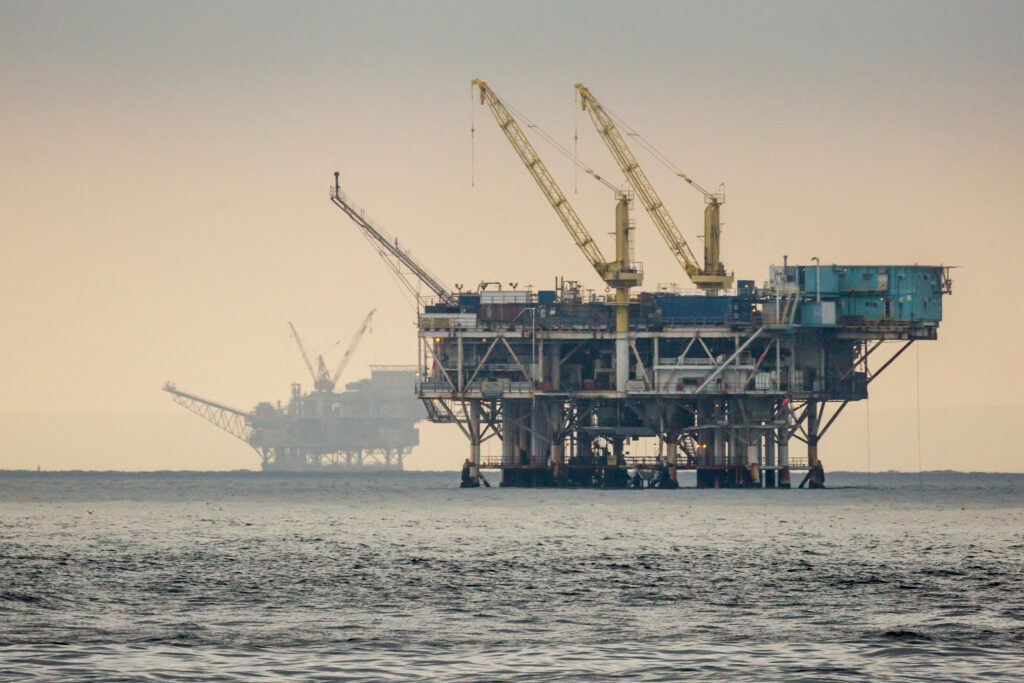
In a dramatic expansion of fossil fuel development, the Trump administration has proposed opening 1.27 billion acres of U.S. coastal waters to oil and gas drilling. This proposal encompasses nearly the entire Outer Continental Shelf, including sensitive areas in the Arctic, the Atlantic, the Pacific, and the Eastern Gulf of Mexico that have been largely off-limits for decades.
This plan stands in stark contrast to the previous administration’s Five-Year Plan, which had limited leasing to a handful of sites in the Gulf of Mexico and Alaska. The new proposal seeks to maximize domestic production as part of an "energy dominance" strategy. However, the move faces stiff opposition from a bipartisan coalition of coastal governors, the tourism industry, and commercial fishing interests, all of whom cite the risk of catastrophic oil spills and the degradation of coastal ecosystems.
From a climate perspective, the expansion of offshore drilling locks in decades of future greenhouse gas emissions. Scientific research indicates that ocean health is intrinsically linked to global climate stability; the carbon-sequestration capacity of the oceans and the regulation of global weather patterns are both compromised by increased industrialization and the potential for pollution. Furthermore, the infrastructure required for such an expansion would likely disrupt marine migrations and threaten endangered species, such as the North Atlantic Right Whale.
Federal Intervention in Colorado’s Energy Transition
The Department of Energy has invoked emergency powers under Section 202(c) of the Federal Power Act to force the continued operation of the Craig Generating Station Unit 1 in Colorado. The 427-megawatt coal-fired unit was scheduled for retirement as part of a negotiated transition toward renewable energy by the Tri-State Generation and Transmission Association and Colorado state regulators.

The DOE’s order, issued just 24 hours before the plant’s planned closure, claims that the facility is necessary for grid reliability. This intervention has been met with skepticism by Colorado officials and independent grid monitors, who argue that the region’s energy needs were already accounted for in the planned transition. Unit 1 has recently suffered from mechanical failures and is considered uneconomical compared to newer wind and solar installations.
The decision to keep the Craig plant online has several immediate consequences:
- Economic Impact on Ratepayers: Operating an aging, inefficient coal plant is significantly more expensive than utilizing modern renewable sources. These costs are likely to be passed on to consumers in rural Colorado.
- Environmental Degradation: The continued combustion of coal at the site will result in ongoing emissions of carbon dioxide, sulfur dioxide, and nitrogen oxides, complicating Colorado’s efforts to meet state-mandated air quality and climate goals.
- Precedent for Federal Overreach: This move signals a willingness by the federal government to override state-level energy planning and utility-led market transitions, potentially creating conflicts with other states pursuing aggressive clean energy mandates.
Timeline of Policy Shifts and Regulatory Actions
The current trajectory of federal energy policy has unfolded through a rapid succession of executive orders and departmental directives.
- Late December: Preliminary discussions regarding "national security" audits for offshore wind infrastructure began within the DOI.
- January 5: The formal suspension of the five major offshore wind projects was announced, citing the need for classified reviews.
- January 10: The proposal to open 1.27 billion acres of the Outer Continental Shelf was published in the Federal Register, initiating a public comment period.
- January 14: The DOE issued the emergency order for the Craig Generating Station, citing potential grid instability.
- January 15: Internal memos from the Office of Management and Budget (OMB) surfaced, detailing potential funding withdrawals for NCAR and related NSF atmospheric programs.
Broader Implications for Energy Independence and Climate Stability
The administration’s actions reflect a fundamental disagreement over the definition of "energy independence." While the executive branch defines it through the maximization of domestic fossil fuel production, critics argue that true independence requires a diversified energy portfolio that includes renewables, which are not subject to global commodity price volatility.
The halting of wind projects and the subsidization of failing coal plants may temporarily bolster the traditional energy sector, but analysts warn that these moves could cede American leadership in the global clean energy economy to international competitors like China and the European Union. These regions continue to invest heavily in wind, solar, and battery technology, sectors that are projected to dominate global energy markets in the coming decades.
Furthermore, the dismissal of climate science through the targeting of institutions like NCAR removes the "early warning system" for the American public. As the West experiences more frequent and severe wildfires and the East faces increasingly intense coastal flooding, the loss of high-fidelity scientific modeling could lead to higher costs for disaster relief and recovery.
The cumulative effect of these policies is a significant slowdown in the U.S. transition to a low-carbon economy. While the administration asserts that these measures will lower costs and enhance security, the long-term economic and environmental data suggests a more complex reality. The legal battles over these decisions—ranging from lawsuits by state attorneys general to challenges from environmental advocacy groups—are expected to populate federal court dockets for years to come, further defining the boundaries of executive power in the realm of environmental and energy policy.
