

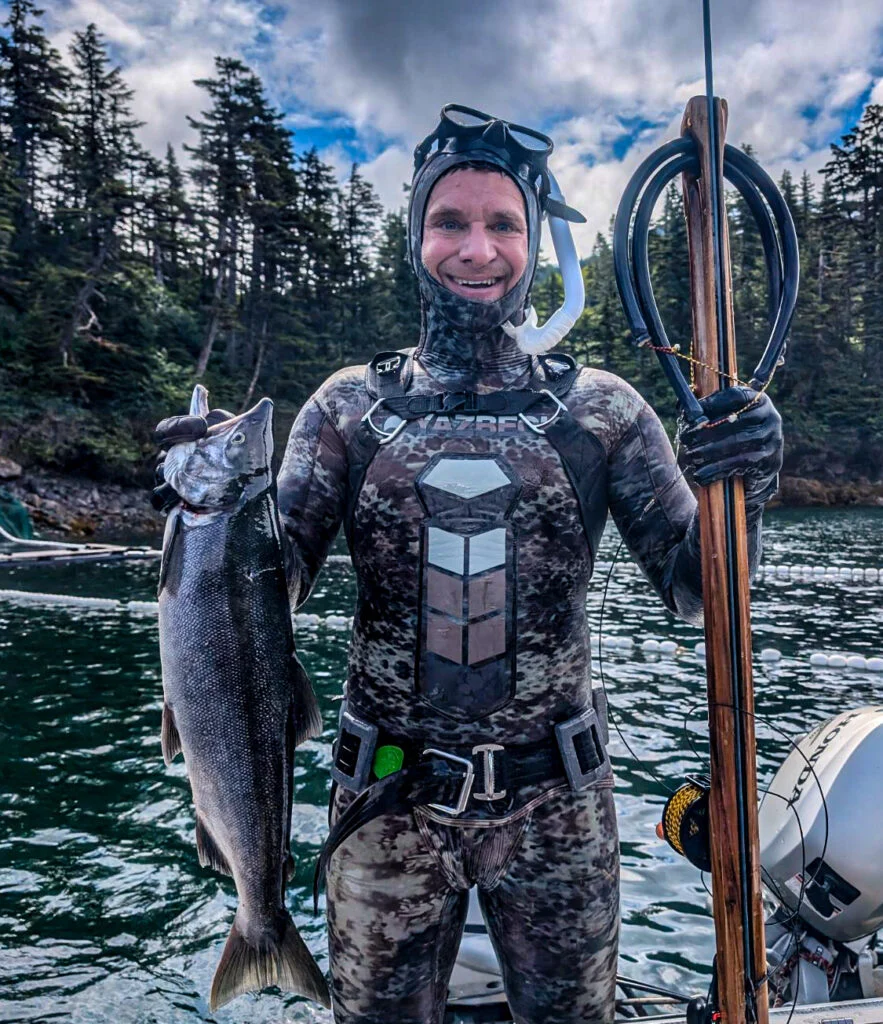
In the garages and basements of Anchorage, Alaska, the rhythmic hum of chest freezers serves as a vital indicator of the state’s ecological and social health. These appliances, often adorned with decals from outdoor brands and local businesses, represent more than mere food storage; they are the repositories of Alaska’s seasonal cycles, communal ethics, and primary source of food security. As the summer months bring the return of the midnight sun, the transition from winter scarcity to summer abundance centers on the arrival of Pacific salmon, a resource that defines the identity of the North. However, as the North Pacific Ocean warms at an unprecedented rate, the traditional "social contract" between Alaskans and their environment faces a period of significant volatility.
The Cultural and Economic Centrality of Salmon in Alaska
For residents of Alaska, salmon is not merely a commodity but a communal resource that dictates the rhythm of life. The state’s relationship with fish transcends the $15 billion commercial fishing industry, which serves as a major economic engine. In urban centers like Anchorage and rural villages along the Yukon and Kuskokwim rivers, the arrival of salmon runs prompts a mass reorganization of schedules. This cultural phenomenon is rooted in a philosophy of stewardship rather than ownership.

In Alaskan society, a pervasive "unspoken social contract" governs the distribution of fish. This ethic dictates that salmon in a freezer are borrowed from the water in exchange for sustenance, necessitating a culture of sharing rather than hoarding. It is common practice for neighbors to supplement the stocks of those whose seasonal harvests fell short. This interdependence is vital in a state where food costs are significantly higher than the national average and where wild-harvested protein provides a critical buffer against supply chain disruptions.
Methods of Harvest: From Dipnetting to Specialized Spearfishing
The harvest of sockeye (red) salmon reaches its peak during the mid-summer "flurry," characterized by various subsistence and personal-use fishing methods. One of the most distinctive Alaskan practices is dipnetting. This involves using a large-diameter net on a long aluminum pole to catch sockeye as they migrate to their spawning grounds.
Key locations for this activity include the Copper River and the Kenai Peninsula. At the Copper River, participants often navigate treacherous terrain, including abandoned railroad grades and steep canyons, sometimes using climbing ropes to secure themselves against glacial currents. Conversely, the Kenai River offers a more accessible but crowded environment, where hundreds of residents stand shoulder-to-shoulder on the beach to catch fish during peak tides.
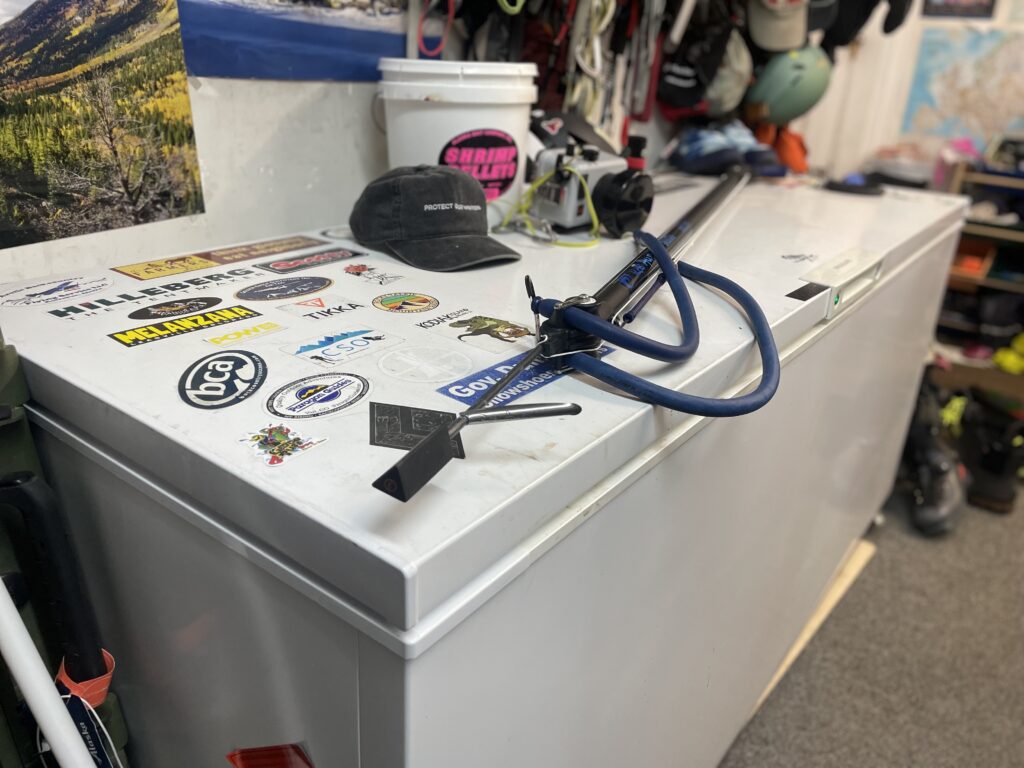
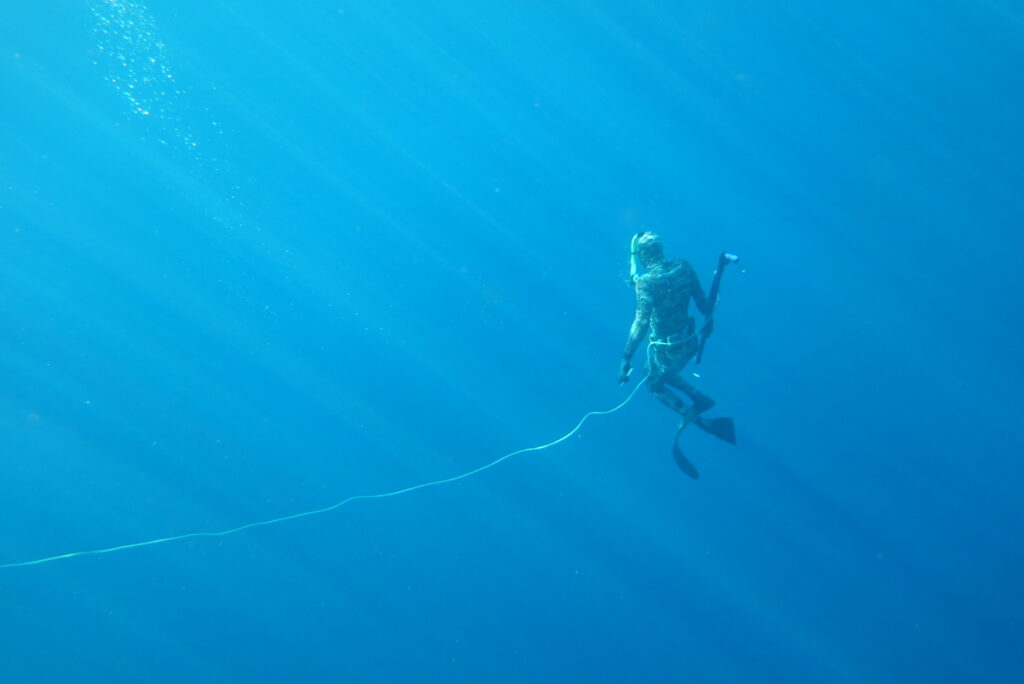
Recent years have also seen a rise in specialized methods such as freediving and spearfishing. While less common in the silty, frigid waters of the North Pacific, these methods allow for a highly selective harvest. Practitioners utilize thick wetsuits and breath-hold techniques to encounter salmon schools in saltwater before they enter freshwater systems. This method is increasingly favored by those seeking a more direct connection to the marine environment, providing a unique vantage point on the "walls of salmon" that populate the coastal inlets.
Environmental Data: The Crisis of Warming Waters
Despite the current abundance of sockeye salmon, the broader health of Alaskan fisheries is under severe threat from climate change. The North Pacific Ocean is currently warming faster than any other ocean basin on the planet. According to data from the National Oceanic and Atmospheric Administration (NOAA), sea surface temperatures in the Gulf of Alaska have seen record-breaking "marine heatwaves" over the last decade.
The implications for salmon are multifaceted and dire:
- Ocean Acidification: As the ocean absorbs more carbon dioxide, its pH level decreases. Research indicates that even slight increases in acidity can disrupt the sensory systems of juvenile salmon, impairing their ability to navigate back to their natal streams for spawning.
- Growth Rates: Warmer water increases the metabolic demands of salmon while simultaneously reducing the quality of their primary food sources, such as zooplankton. This often results in smaller fish returning to rivers, which carry fewer eggs and are less resilient to predators.
- Permafrost Thaw: In terrestrial ecosystems, the rapid thawing of permafrost is altering the hydrology of spawning streams. Increased sedimentation and rising water temperatures in rivers create "thermal barriers" that can prevent salmon from reaching their upstream destinations.
Chronology of Decline: King and Coho Salmon Restrictions
While sockeye runs have remained relatively strong in recent years—with the Bristol Bay sockeye run hitting record highs in 2022—other species are in a state of collapse. The chronology of the King (Chinook) salmon decline is particularly alarming to state biologists.
Over the past two decades, King salmon stocks have seen a steady downward trend across nearly all Alaskan river systems. This has led to increasingly stringent restrictions by the Alaska Department of Fish and Game (ADF&G). In 2024, Southcentral Alaska implemented significant restrictions on the retention of Coho (silver) salmon, a species that was previously considered stable.
In the Yukon River drainage, the situation has reached a point of crisis. For several consecutive years, subsistence fishing for Chinook and summer Chum salmon has been closed entirely to protect the few remaining fish returning to spawn. This has caused immense hardship for Indigenous communities who have relied on these runs for millennia, highlighting the uneven impact of climate-driven ecological shifts.
Scientific Analysis: The Fragility of Identity
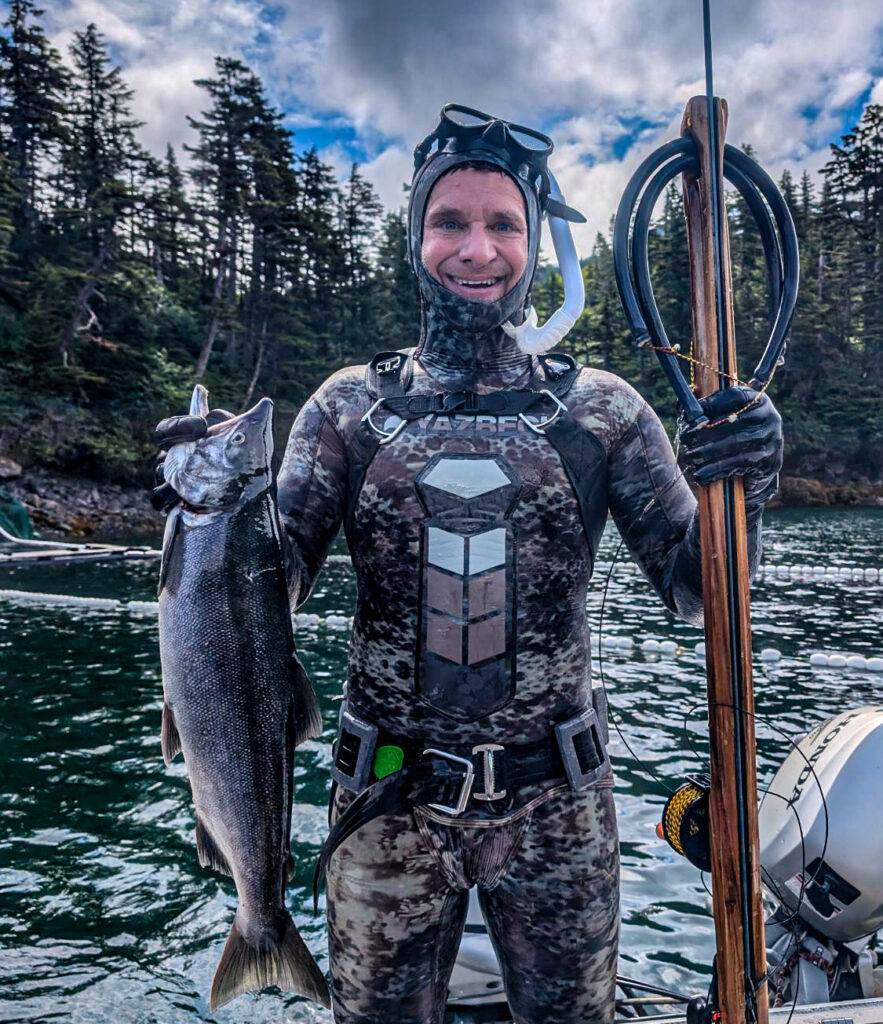
Alex Lee, an Associate Professor of Philosophy at Alaska Pacific University and a captain of the Science Alliance for Protect Our Winters (POW), notes that it is impossible to disentangle the state’s identity from the health of its fisheries. Lee, who resides in Anchorage, observes that the "freezer culture" acts as a manifestation of agency in an era of climate anxiety.
"We manage the world as we have received it and pass down the world with our withdrawals outstanding," Lee states. His analysis suggests that the future of Alaskan salmon is not just a biological concern but a moral one. The current stability of sockeye runs may offer a false sense of security, as the "stalwart" nature of these fish is increasingly revealed to be delicate. The loss of King and Coho stocks serves as a harbinger of potential systemic failure if ocean warming and acidification continue on their current trajectory.
Economic and Social Implications
The potential disappearance of salmon runs carries profound economic consequences. Beyond the commercial sector, the sport fishing industry generates over $800 million in annual spending. For the average Alaskan household, the "replacement value" of harvested salmon—the cost of buying an equivalent amount of high-quality protein at a grocery store—can range from $2,000 to $5,000 per year.

Furthermore, the social fabric of the North is at risk. The "social contract" of sharing fish depends on a surplus. If freezers run empty due to stock collapses rather than personal misfortune, the communal safety net that has defined Alaskan life for generations may unravel.
Future Outlook and Management Strategies
To combat these trends, Alaskan fisheries management is shifting toward a more "ecosystem-based" approach. This includes:
- Habitat Restoration: Efforts to clear migratory blockages and restore riparian zones to keep spawning waters cool.
- Genetic Monitoring: Using DNA technology to better track which specific stocks are being harvested in mixed-stock fisheries to prevent the over-harvesting of vulnerable populations.
- Climate Policy Advocacy: Organizations like Protect Our Winters are increasingly focusing on systemic climate policy as a necessary component of fisheries conservation.
As the summer season wanes and Alaskans transition their attention from fishing rods to ski benches, the state of the freezer remains the primary metric of a successful year. The 21.7 cubic feet of space in a standard Alaskan chest freezer holds more than just fillets; it holds the stories of past adventures and the anxieties of an uncertain future. The current abundance of sockeye salmon provides a temporary reprieve from the overarching reality: the North is changing, and the survival of its most iconic species will require a global commitment to stabilizing the climate that sustains them.
