

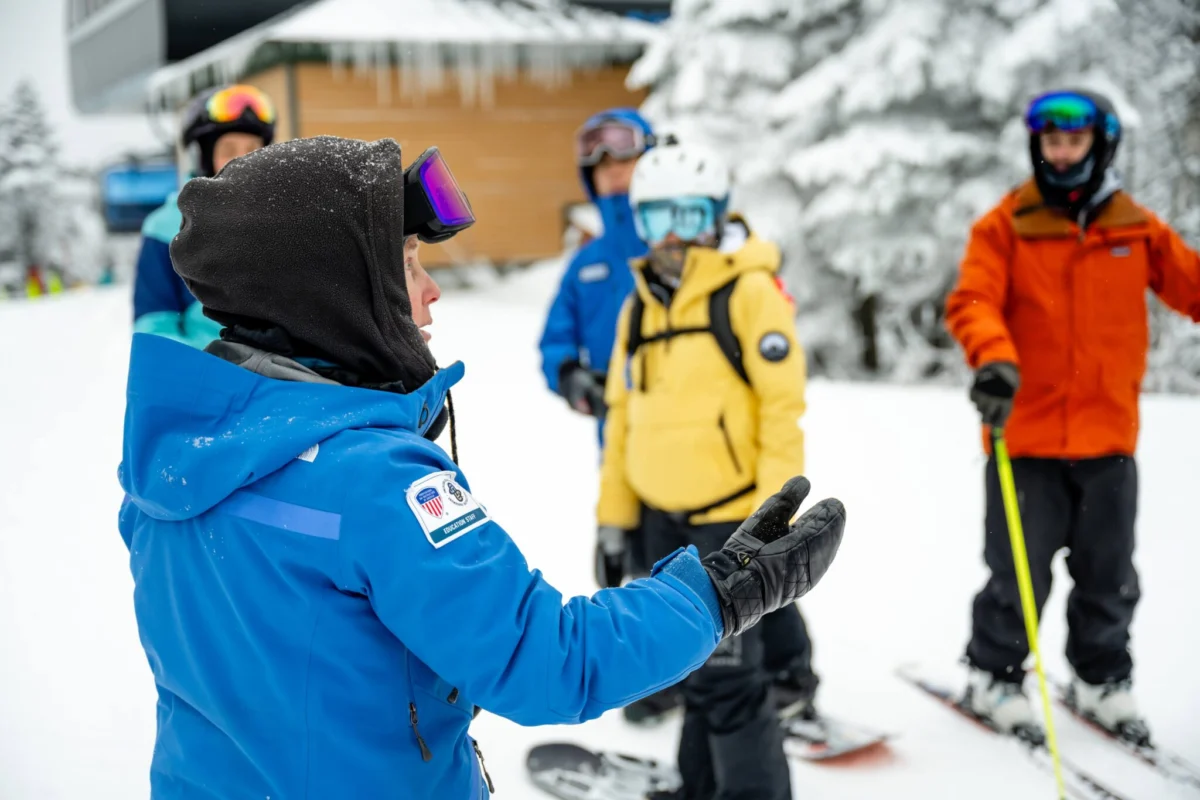
The journey from subject matter expert to proficient educator is often fraught with challenges, particularly for new instructors grappling with both the intricacies of their content and the complexities of managing a dynamic learning environment. Angelo Ross, an Education Development Manager for PSIA-AASI (Professional Ski Instructors of America and American Association of Snowboard Instructors) and a former high school science teacher, offers a compelling perspective on this dual challenge, asserting that content mastery and effective control are not independent variables but rather deeply intertwined components of a larger, holistic teaching practice. His insights, drawn from decades in both traditional and specialized educational settings, highlight a paradigm shift from reactive management to proactive engagement, emphasizing self-awareness and continuous professional development as foundational to instructor success.
The Educator’s Initial Challenge: A Focus on Content
Ross recounts his early years as a high school science teacher, a period characterized by an intense focus on mastering his course content. This experience is common among novice educators, who often dedicate significant energy to reading, researching, and preparing materials to build a robust knowledge base. The primary motivation is typically to maintain an "air of competence" – the ability to confidently answer student questions and navigate complex topics. This dedication often involves crafting original assignments, modifying textbook materials for relevance, and designing engaging activities and labs. For many, content mastery represents the most controllable variable in a profession that can feel overwhelmingly hectic.
This initial emphasis on content is understandable given the rigorous demands of curriculum delivery. A 2022 report by the National Center for Education Statistics (NCES) indicated that new teachers spend an average of 10-12 hours per week on lesson planning and preparation, underscoring the significant investment required to feel adequately prepared. However, this intense focus, while critical, often overshadows other equally vital aspects of teaching, particularly the nuanced art of classroom management and student engagement. The prevailing sentiment among many new educators, as Ross notes, is simply "trying to stay one step ahead of the kids," a testament to the steep learning curve and the constant pressure to deliver.
Beyond Content: The Elusive Nature of Classroom Control
Beyond the academic demands, a significant concern for early-career teachers is maintaining control within the learning environment. Ross vividly describes his quiet hope that his science classroom wouldn’t "burst into flames" metaphorically, or even literally, due to behavioral issues. This anxiety reflects the broader challenges new educators face in integrating into complex school cultures, navigating strict bell schedules, and managing hundreds of young strangers alongside dozens of colleagues, all while under the scrutiny of administration and community expectations.
In this high-pressure environment, strategies for managing student behavior, as Ross admits, often become "rigid, reactionary, random, and ultimately, counterproductive." This approach often arises from a lack of experience and a perceived need to assert authority in an unfamiliar setting. Research by organizations like the New Teacher Center consistently highlights classroom management as a leading cause of teacher stress and burnout, contributing to the alarmingly high attrition rates among new educators, with approximately 17% leaving the profession within their first five years. This data underscores the critical need for effective, sustainable strategies for fostering productive learning environments.
The Epiphany: Interweaving Content and Control
A pivotal realization for Ross, gained through experience and keen observation, was that content and control are not isolated and independent aspects of education but rather "intertwined parts of a larger whole." The profound insight was simple yet transformative: "Students engaged with relevant content are by definition on task and as a result behavior issues diminish." This shifts the focus from merely reacting to disruptive behaviors to proactively preventing them through compelling and purposeful instruction.
This understanding was further solidified by observing colleagues. Ross noted that teachers who frequently dealt with significant behavior problems often played a "causal role" in those issues, perhaps through ineffective "people skills" or an overly rigid approach. Conversely, those who seemed "more comfortable in their own skin," exuding confidence and grace, generally experienced fewer behavioral disruptions. When issues did arise, these self-assured educators managed them with a composure that suggested a deeper understanding beyond mere disciplinary tactics. This observation led Ross to conclude that the "recipe for success has two ingredients: knowing your subject and knowing yourself."
Drawing Parallels: From Classroom to Ski Slope
Ross identifies striking parallels between the challenges faced by a new schoolteacher and those confronting a new snowsports instructor. Both roles involve navigating complex organizational cultures, learning intricate administrative systems (like scheduling and logistics), and mastering a vast amount of new content, not just for personal understanding but for effective transmission to others. The pressure of self-expectation, coupled with external demands from supervisors and clients, often leaves new instructors feeling a lack of ownership over their rapidly expanding responsibilities.
The snowsports instructor’s equivalent of "staying one step ahead of the kids" is often articulated as, "I thought I was a good skier/rider; I had no idea how much there is to know." This sentiment reflects the significant gap between personal athletic proficiency and the pedagogical expertise required to teach others effectively. It encompasses understanding human movement, equipment dynamics, safety protocols, and adapting instruction to diverse learning styles and abilities—a knowledge base far exceeding mere technical skill on the snow.
Flawed Paradigms: The Shortcomings of Isolated Control Strategies
During his tenure as a technical director, Ross was frequently asked to provide training on "class management" for snowsports staff. These sessions typically covered conventional strategies such as the buddy system, headcounts, clear rules, designated meeting locations, and assigning students rotating roles like "ski patroller" at the back of the group. While these techniques are not without merit, Ross now reflects that the fundamental problem with such clinics was their tendency to "dissect control from content," thereby creating a "false dichotomy" between the two. This approach positioned undesirable behaviors as an "isolated hemorrhage" requiring a "bandage" of group handling strategies, rather than addressing the underlying causes.
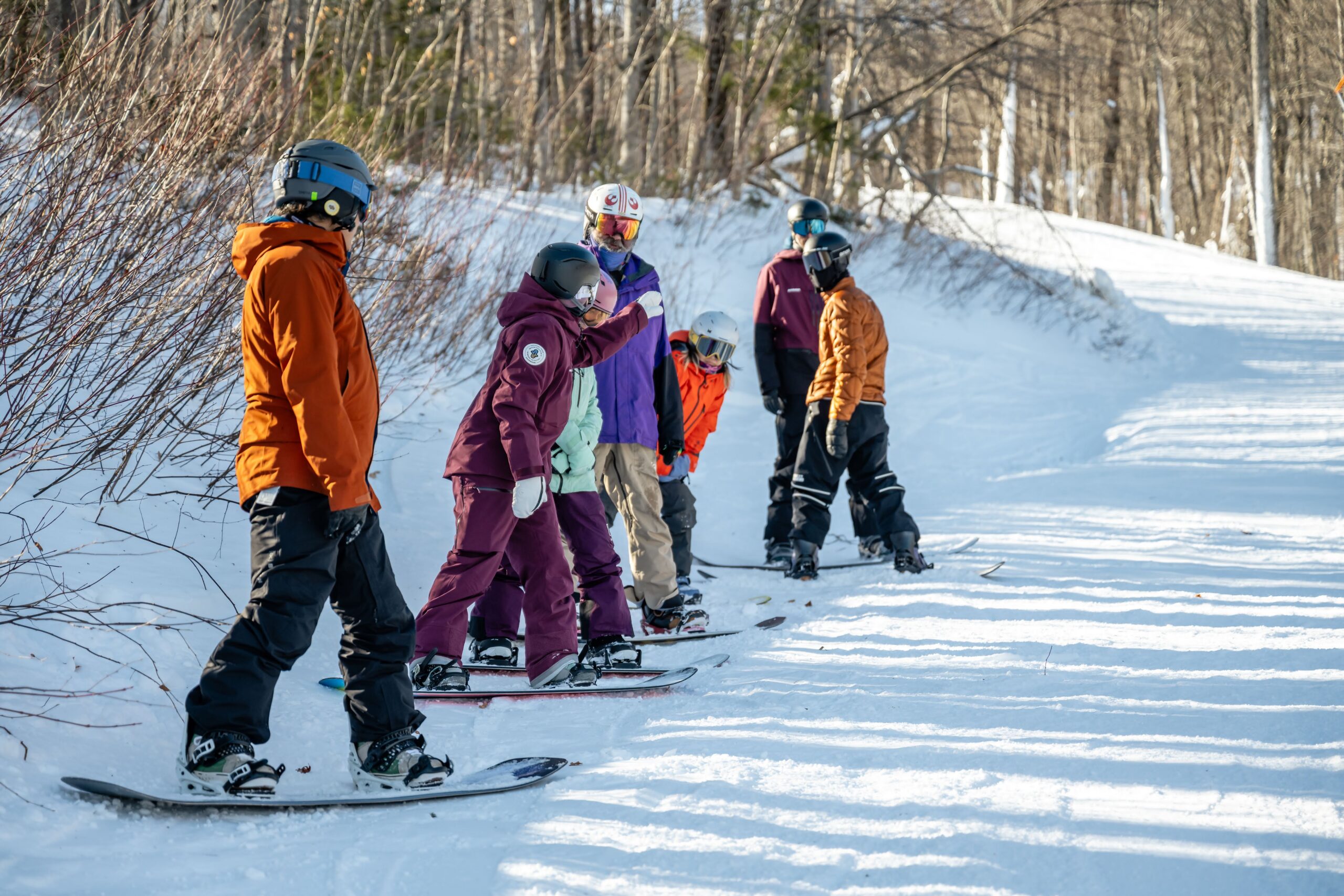
While such direct strategies can offer temporary success, Ross advocates for a more holistic preparation, acknowledging that it demands greater time and effort but ultimately yields "higher rewards overall." Disruptive behaviors, he notes, can stem from a multitude of factors, including attention-seeking, task incongruence (too difficult leading to frustration, too easy causing boredom), teacher tone (sarcasm, criticism, inconsistency), downtime, vague expectations, perceived teacher incompetence, and external conditions (fatigue, hunger, fear, anxiety, personal issues). Of these, the most effective strategy is to focus on the controllable factors: "ownership of our content and selves." This proactive stance forms the basis of his "Rules of Engagement."
The Holistic Framework: Angelo Ross’s Rules of Engagement
Ross’s "Rules of Engagement" represent an ongoing, reflective, and active process for educators. They are not merely a checklist for managing disruptive student behaviors, but rather a guide for purposeful engagement with the teacher’s role, with the ultimate intention of delivering content in a way that "nips behavior problems in the bud." This philosophy underscores a commitment to continuous professional development, a "life’s work" that involves filtering new experiences, reevaluating beliefs, and adapting behaviors.
Rule 1: Know Your Stuff (Content Mastery)
The foundation of effective teaching is an intimate understanding of the subject matter. For snowsports instructors, this means owning the PSIA-AASI curriculum, which provides a shared professional language, values, and evidence-based best practices. Beyond the core curriculum, integrating knowledge from other fields—such as training from National Ski Patrol or U.S. Ski & Snowboard—expands instructional creativity and deepens the authenticity of learning experiences. Ross specifically mentions the undergraduate certificate program in Professional Snowsports Education through the Penn State World Campus as a means to strengthen one’s knowledge base. Ultimately, conceptual understanding must be converted into reliable habits through consistent practice, improving fluency, confidence, and adaptability in real teaching conditions. Studies have consistently shown that teacher content knowledge is a strong predictor of student achievement, with a 2016 meta-analysis by the National Bureau of Economic Research indicating that highly effective teachers can produce significant gains in student learning outcomes.
Rule 2: Strategic Preparation and Anticipation (Prepare)
Preparation extends beyond lesson plans; it involves mental rehearsal and contingency planning. Visualization, a technique widely used in sports psychology, allows instructors to mentally rehearse likely interactions, navigate crowded areas, anticipate liftline times, and prepare for varying weather and snow conditions. This reduces uncertainty and builds confidence. Crucially, instructors must "expect the unexpected," recognizing that unanticipated circumstances are manageable realities rather than destabilizing surprises. Rehearsal strengthens not only verbal explanations and physical demonstrations but also behavioral patterns, routines, and decision pathways. Ross emphasizes having "options" rather than rigid plans, advocating for adaptability over adherence to a failing strategy. This proactive approach minimizes cognitive load during instruction, allowing the teacher to be more present and responsive.
Rule 3: Cultivating a Productive Learning Environment (Set the Tone)
Establishing a clear and positive tone at the outset of any lesson is paramount. Instructors should articulate a sequence of events for the day, including terrain goals, breaks, and the type of learning culture they wish to foster. Honesty and clarity are essential. In lessons involving children, transparent communication with parents regarding contingencies (phone numbers, meeting locations) is vital for safety and trust. Maintaining this tone requires consistent reinforcement of the established emotional and behavioral climate. When deviations occur, instructors should respond calmly, compassionately, clearly, and consistently. Flexibility is key; if a deviation inadvertently creates a better learning environment, embracing it grants students agency and embodies a truly student-centered approach. Research on classroom climate indicates that a positive learning environment, characterized by clear expectations and mutual respect, significantly boosts student engagement and reduces behavioral issues.
Rule 4: Developing Adaptability and Versatility (Give Yourself Options)
Effective teaching demands a broad repertoire of skills. For "People Skills," self-awareness is foundational: knowing one’s own behavior, communication habits, and emotional triggers. This enables instructors to connect with diverse personalities, motivations, and family dynamics, fostering trust and adapting communication styles. For "Teaching Skills," having multiple strategic options allows instructors to match explanations, demonstrations, tasks, pacing, terrain, and tactics to the specific needs of their students. Resources like the PSIA-AASI Teaching Snowsports Manual and various online learning strategies can help students internalize new information effectively. Finally, "Technical Skills" encompass understanding human movement, equipment design, accurate performance evaluation, selecting appropriate activities for improvement, having diverse tactics, and delivering precise information through demonstration. Continuous study, discussion, and on-snow practice are indispensable for developing these technical competencies. A 2018 study by the National Research Council on the science of learning highlighted that effective teaching requires instructors to be adept at managing cognitive, social, and emotional dimensions of learning.
Rule 5: The Cycle of Continuous Improvement (Reflect, Reevaluate, Repeat)
Professional growth is an iterative process of reflection and refinement. Immediate reflection, either alone (through journaling, which engages multiple learning modes) or with colleagues (during après gatherings or drive time), helps preserve the fidelity of experience and identify cause-and-effect relationships. Crucially, instructors should actively "ask for feedback" from colleagues, supervisors, trainers, and even students. Receiving feedback, especially uncomfortable truths, with humility rather than defensiveness is vital for accelerating growth. The PSIA-AASI Learning ConnectionSM framework provides a structured lens for examining individual components of lessons—people, teaching, and technical decisions—and understanding their real-world interactions and impact on student learning. The final step is to "loop back to Step 1," confirming well-supported beliefs or revising them when new evidence reveals a mismatch with reality. This commitment to ongoing, self-directed professional development is the hallmark of an exemplary educator.
Beyond Techniques: The Deeper Work of Self-Management
Ultimately, Ross posits that the true work of education, whether teaching science, skiing, or any human endeavor, is "less about managing others than it is about continually managing ourselves." While associations, workshops, and manuals provide essential language, frameworks, and shared standards, no external system can perform the "deeper work" of personal transformation. The day-to-day craft of becoming an excellent teacher is, in many respects, a largely solo endeavor—an ongoing personal discipline of study, preparation, self-awareness, experimentation, and honest reflection.
This perspective elevates the "Rules of Engagement" beyond a mere checklist to a "professional stance"—an active and engaged approach to one’s craft, rather than passively awaiting expertise. While behavior management is often discussed in the context of children, Ross emphasizes that tone, clarity, psychological safety, relevance, and task congruence are equally critical for adult learners. Adults may express resistance differently, but disengagement, fear, boredom, ego protection, and frustration still profoundly shape their behavior, either diminishing or enhancing the learning environment. This highlights the universal applicability of Ross’s holistic framework.
Broader Implications for Education and Professional Development
Angelo Ross’s comprehensive philosophy carries significant implications for educator training and professional development across all sectors. For traditional educational institutions, it underscores the need for teacher preparation programs to integrate robust components of self-awareness, emotional intelligence, and adaptable pedagogical strategies alongside content mastery. For specialized fields like snowsports instruction, it advocates for training programs that move beyond isolated skill clinics to foster a more integrated understanding of the teaching process, emphasizing mentorship, peer observation, and reflective practices.
The focus on continuous self-management and reflective practice also speaks to the broader issue of instructor retention and efficacy. By empowering educators with a framework for ongoing growth, organizations can cultivate a workforce that is not only highly skilled but also resilient and adaptable. This, in turn, translates to higher quality instruction, enhanced student engagement, and ultimately, a more positive and productive learning experience for all. As the demand for effective education continues to evolve, Ross’s insights serve as a timely reminder that true mastery in teaching is a dynamic interplay of expertise, empathy, and unwavering self-discipline.
Conclusion
The insights shared by Angelo Ross, drawing from his extensive experience in both high school science classrooms and snowsports instruction, offer a profound recalibration of what it means to be an effective educator. His central thesis—that content mastery and self-awareness, or "knowing your stuff" and "knowing yourself," are inextricably linked—challenges conventional approaches that often compartmentalize these critical aspects. Effective learning environments are not merely constructed through isolated control strategies but are meticulously built upon a foundation of competence, composure, and the steady discipline of continually refining the space between subject matter expertise and personal pedagogical acumen. This work, Ross concludes, is never truly finished, making teaching not just a profession, but a dynamic, challenging, and profoundly rewarding "life’s work."
