

Published August 24, 2026, this analysis delves into the psychological and physiological impacts of the sport’s most exhilarating highs and its most frustrating lows, revealing the complex motivations that compel millions globally to embrace the alpine environment. Skiing, a pursuit often romanticized for its scenic beauty and athletic demands, is fundamentally driven by a distinct tapestry of sensory experiences. From the crisp air of a pre-dawn patrol to the sweet relief of unlacing boots after a demanding day, the sport cultivates a unique bond between participant and mountain, punctuated by moments of pure bliss and unexpected adversity. The inherent dichotomy of these experiences—the sublime juxtaposed with the severely inconvenient or painful—is what truly defines the skier’s journey, fostering a resilience and dedication rarely seen in other recreational activities.
The Apex of Alpine Aspiration: Unpacking Skiing’s Most Rewarding Moments
The enduring allure of skiing is undeniably tied to a series of peak experiences that transcend mere recreation, often bordering on the sublime. These moments, ingrained in the collective consciousness of skiers, are powerful motivators that fuel dedication, investment, and repeat visits to mountain destinations. Understanding these emotional and sensory touchstones is key to appreciating the profound connection between skiers and their sport.
1. The Inaugural Glimpse of the Season’s Slopes: A Symphony of Anticipation
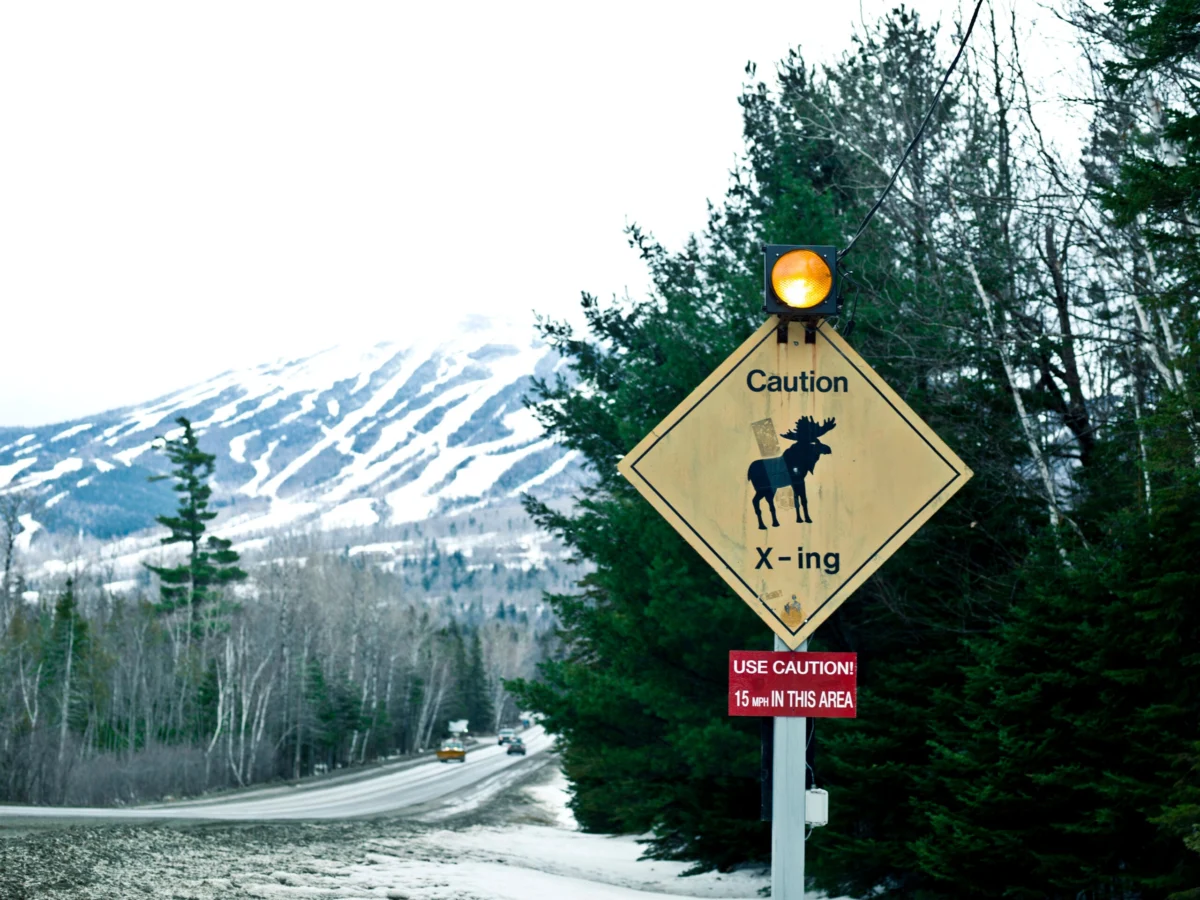
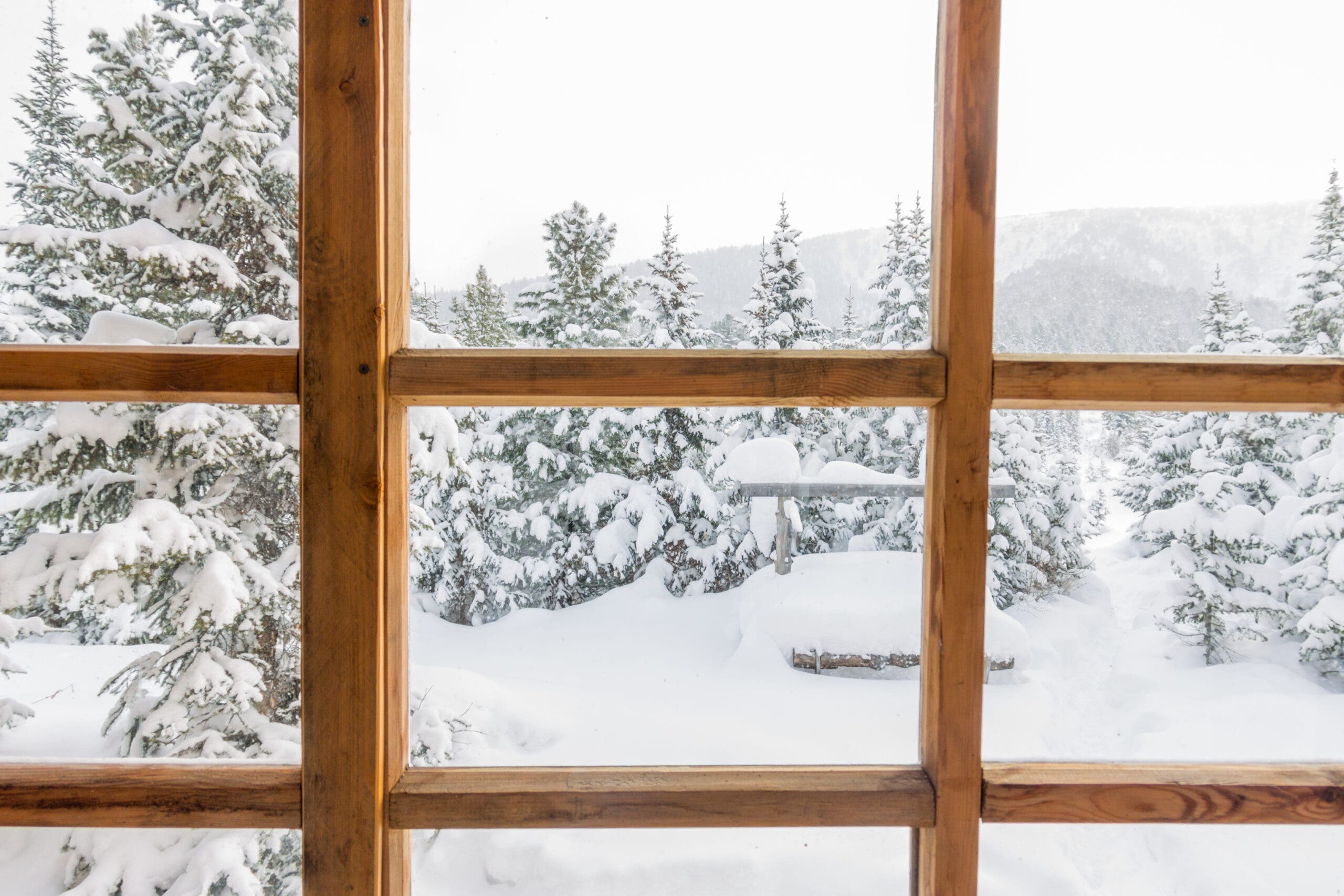
For many, the first sight of snow-covered slopes from a car window marks the true beginning of winter, a moment steeped in sweet anticipation after what often feels like an interminable off-season. This visual cue, often involving sweeping vistas of glistening peaks and meticulously carved runs, serves as a powerful psychological trigger. According to Dr. Elara Vance, a sports psychologist specializing in extreme sports, "The powerful sensory input and the mastery of a challenging environment create profound neural pathways associated with reward, making these moments deeply etched in a skier’s memory." This initial visual confirmation of winter’s arrival is not merely aesthetic; it is a promise, a catalyst for the season’s impending adventures. Resort operators, like Mr. Julian Thorne, CEO of Mountain Peak Resorts, emphasize its importance: "That first glimpse of pristine slopes isn’t just aesthetic; it’s a powerful marketing tool and a promise of the season to come, driving early pass sales and generating crucial buzz that converts into bookings and visits." This phenomenon underscores the critical role of visual marketing and early season snow events in the economic health of ski regions.
2. First Tracks on Pristine Corduroy: The Art of the Perfect Carve
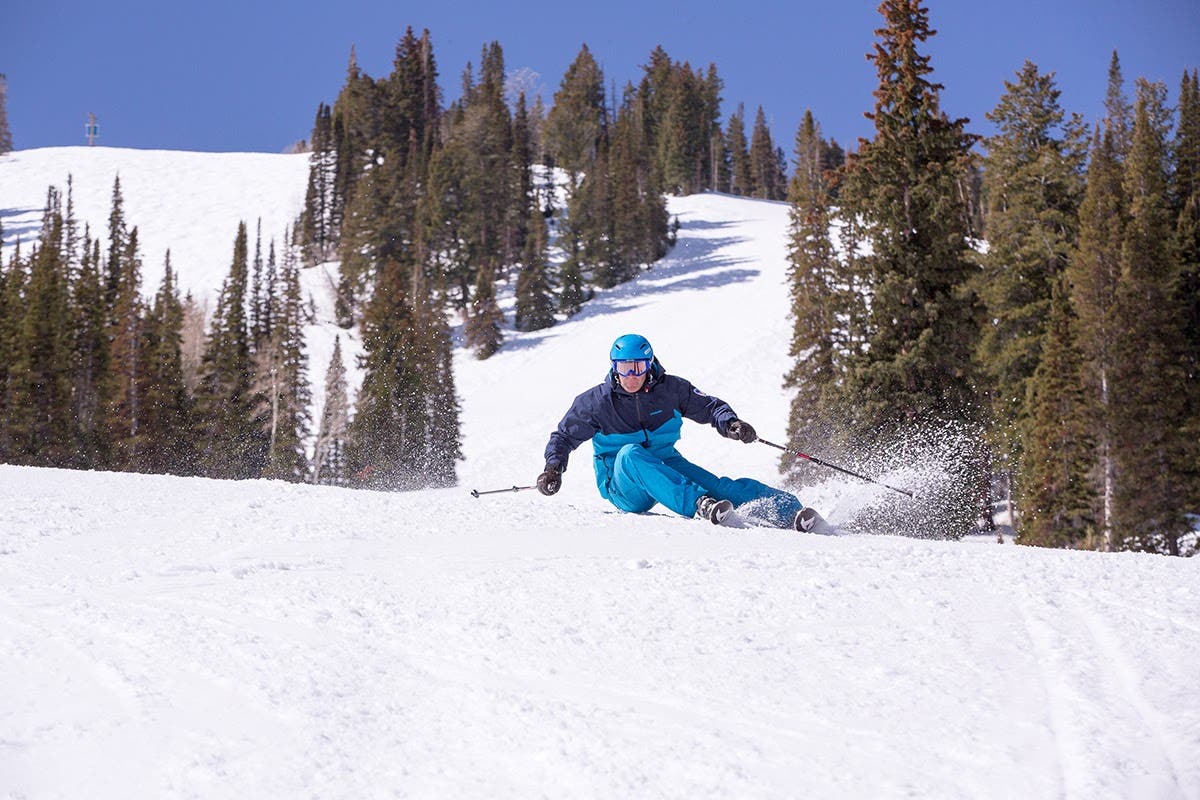
The sensation of slicing across a freshly groomed run, unmarred by any other ski or snowboard, is often described as nothing short of divine. This ephemeral moment, typically experienced by early risers, offers a blank canvas for precision and speed. The skis glide effortlessly, creating a distinct, satisfying "schuss" sound as they engage with the perfectly patterned snow, known colloquially as corduroy. Industry reports indicate that resorts invest significantly in their grooming fleets, with some large operations deploying multi-million dollar machinery to prepare hundreds of acres nightly. This investment caters directly to a dedicated segment of the skiing population that values the sensation of carving World Cup-esque turns. "There’s an immediate feedback loop when you’re on fresh corduroy," explains veteran ski instructor, Marcus Chen. "The consistent surface allows for textbook edge engagement, fostering confidence and allowing skiers to truly feel the physics of a perfectly executed turn, whether they’re aspiring Mikaela Shiffrins or just enjoying the flow." This experience not only offers immense satisfaction but also serves as a prime environment for skill development and refinement.
3. The Elusive Perfection of a Single Turn: A Moment of Flow
Regardless of terrain – be it powder, groomed piste, or challenging glades – every skier occasionally achieves a turn so flawless it transcends the physical act, entering a state of pure flow. This singular moment of grace, where balance, speed, and technique converge effortlessly, often leaves skiers with a fleeting sense of professional capability. Such turns are characterized by an intuitive connection with the snow, where the skier feels perfectly centered and in control, executing a movement that feels both powerful and fluid. Dr. Vance notes, "These ‘peak performance’ moments, even brief ones, are incredibly potent for intrinsic motivation. They reinforce a sense of mastery and progress, driving individuals to continue honing their skills in pursuit of that elusive perfection." These flashes of brilliance are vital for skier retention, offering tangible rewards for the hours of practice and dedication.
4. The Serendipitous Rope Drop: Unlocking Fresh Terrain
Stumbling upon a rope drop – the moment ski patrol officially opens new terrain after a significant snow event or for safety checks – is a rare and highly coveted experience. This sudden access to untracked snow, previously off-limits, feels like a private reward for patience and good timing. Ski patrol operations follow rigorous protocols, often involving avalanche mitigation, hazard assessment, and meticulous mapping, before deeming an area safe for public access. "A rope drop isn’t just about opening new terrain; it’s about ensuring absolute safety after a storm," states Sarah Jenkins, head of patrol at Crestwood Mountain. "For those lucky enough to be there, it’s a reward for understanding and respecting mountain safety guidelines, and a unique opportunity to experience pristine conditions." The exclusivity of this moment transforms it into a profound psychological bonus, a "thank you" from the mountain gods for enduring liftlines and challenging conditions throughout the season.
5. Awakening to an Unexpected Powder Day: Nature’s Grand Surprise
Few feelings rival the sheer elation of waking up to a surprise powder day. Whether a forecasted storm over-delivered or fresh snow fell unannounced overnight, the sight of a landscape blanketed in white triggers an immediate, visceral response. This phenomenon often creates a palpable sense of urgency and camaraderie among skiers, prompting early departures and a communal rush to the lifts. Industry reports suggest that a significant powder event can boost daily lift ticket sales by 15-20% at major resorts, alongside a surge in local accommodation bookings and increased revenue for ski rental and retail shops. However, these days also present operational challenges, including increased traffic, parking congestion, and the need for expanded staffing. "Powder days are a double-edged sword for operations," explains Thorne. "They’re fantastic for morale and business, but require incredible coordination for road clearing, lift operations, and crowd management." The immediate shift in priorities, often sacrificing breakfast for first chair, underscores the profound allure of fresh snow.
6. Discovering a Secret Afternoon Stash: The Reward of Exploration
When the main runs are tracked out and most skiers are contemplating après, finding a hidden pocket of untouched snow is skiing’s equivalent of discovering forgotten treasure. This often involves ducking into a lesser-known grove of trees, traversing an overlooked sidehill, or taking an unconventional line that others have missed. The untracked snow, sometimes days after a storm, offers an extended opportunity for deep powder turns and a renewed sense of adventure. "Finding a secret stash is a testament to mountain knowledge and persistent exploration," comments veteran local skier, David "Digger" Evans. "It’s about reading the terrain, understanding snow accumulation patterns, and sometimes just having a bit of luck. It makes you feel like you’ve unlocked a secret level of the mountain." This unique experience reinforces the value of exploration and local expertise within the skiing community.
7. The Profound Relief of Removing Ski Boots: Freedom for the Feet
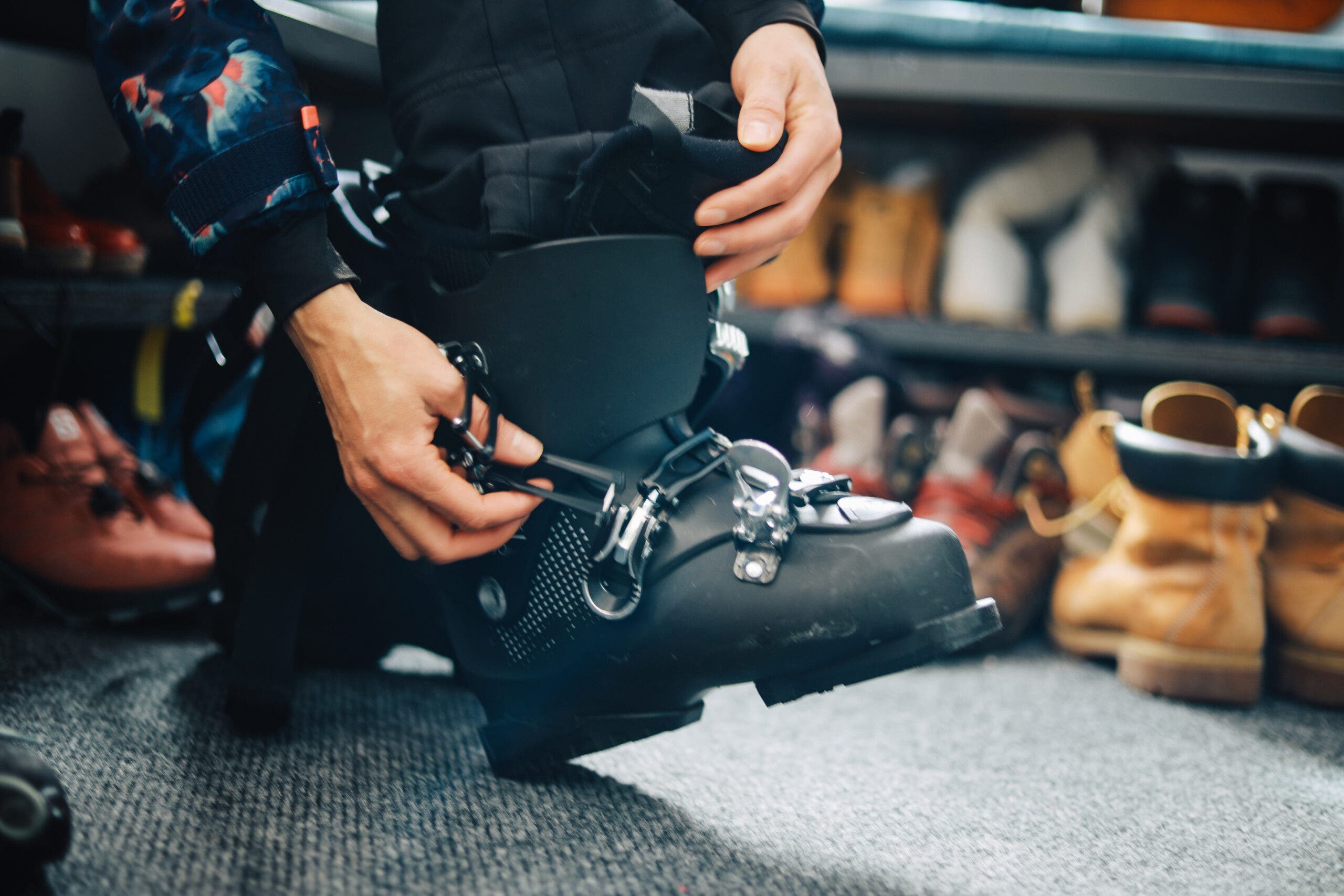
Often cited as one of the day’s peak moments, the act of unbuckling and removing ski boots after hours on the slopes provides a profound sense of physical relief. Even with well-fitting, custom-molded boots, the pressure and rigidity required for performance can become uncomfortable over time. The release of the foot from its plastic-and-foam confines brings immediate comfort, often accompanied by a satisfying sigh. "The relief of taking off ski boots isn’t just physical; it’s psychological," states Dr. Vance. "It marks a clear transition from the demanding focus of skiing to the relaxation and social aspects of après-ski, serving as a symbolic release of the day’s physical exertion." The boot-fitting industry continually innovates to balance performance with comfort, acknowledging this universal end-of-day ritual. Podiatrists frequently advise on the importance of proper boot fit to prevent common foot ailments, highlighting that while the relief is sweet, prevention of discomfort is paramount.
8. The Ethereal Sensation of Floating Through Deep, Untracked Powder: The Pinnacle
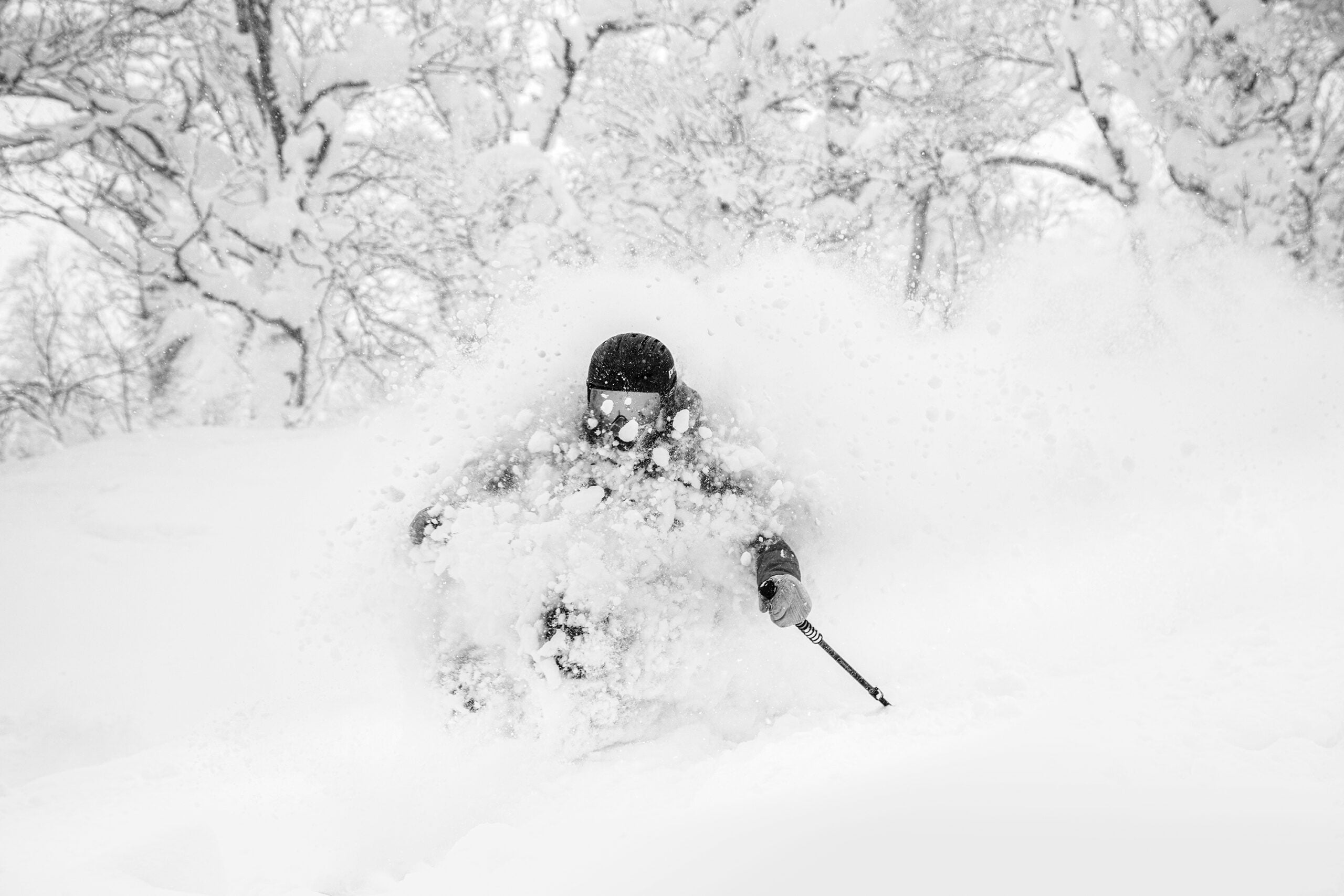
Topping the list for many, the unparalleled sensation of floating through deep, untracked powder represents the zenith of the skiing experience. After the initial wobbly turns, muscle memory kicks in, and the skis seem to rise above the snow, creating a weightless, almost effortless glide. The snow parts around the skier, creating plumes of white that enhance the feeling of immersion in the natural environment. A recent survey by the International Ski Federation (FIS) indicated that over 70% of recreational skiers cite "the sensation of floating through deep powder" as their primary motivation for pursuing the sport. This experience, though physically demanding to access, feels inherently graceful and free. Professional freerider, Maya Singh, describes it: "It’s the ultimate dance with the mountain. You’re not fighting gravity; you’re flowing with it, completely in sync with the environment. It’s what we live for, what we dream about during the summer months." This profound connection to the snow is the ultimate reward, justifying the effort, expense, and occasional discomfort inherent in the pursuit.
Navigating the Inevitable Downsides: Challenges and Mitigations in Skiing
While skiing offers unparalleled highs, it also presents a specific set of challenges and frustrations that, for many, are an inherent part of the sport’s character. Understanding these "lows" is crucial for both participants and the industry in fostering safety, preparedness, and overall enjoyment. The balance between exhilaration and exasperation defines the resilient spirit of the skiing community.
1. The Crucial Omission: Forgetting Goggles at Home
Few missteps can derail a ski day as quickly as realizing you’ve forgotten your goggles. This oversight immediately impacts visibility, comfort, and safety, especially in varying light conditions or during snowfalls. The immediate consequence is often an unplanned and expensive trip to the resort gear shop, where replacement goggles can cost upwards of $250, often a significant dent in the day’s budget. "We see dozens of emergency goggle purchases daily during peak season," notes Lisa Tran, manager of the Alpine Gear Shop. "It’s a common oversight, often happening when skiers remove them for cleaning or drying and then forget to repack them." This incident highlights the importance of pre-trip checklists and the premium pricing often associated with convenience at mountain resorts.
2. The Unexpected Blackout: Pass Restrictions at the Lift Gate
Approaching the lift with enthusiasm, only to have your pass scanned and denied due to blackout dates, is a deeply frustrating experience. This typically occurs during peak holiday periods like Christmas, New Year’s, or President’s Day weekend, when multi-resort passes often have specific restrictions to manage crowds and optimize revenue. The immediate implication is often the purchase of an obscenely priced walk-up lift ticket, or a disappointing retreat from the slopes. A spokesperson for the National Ski Areas Association (NSAA) highlighted the ongoing efforts in skier education regarding pass restrictions, stating, "We continually urge skiers to review their pass agreements to avoid disappointment, especially during peak holiday periods which often have specific blackout dates to manage capacity and enhance the guest experience." This issue underscores the complexity of modern pass products and the need for diligent review of terms and conditions by consumers.
3. The Cringe-Worthy Scrape: Skis Meeting Rock
The sharp, grating sound of ski bases scraping over a hidden rock is universally dreaded by skiers, capable of instantly triggering a cascade of negative emotions. This sound signifies not only an abrupt interruption of flow but also potential damage to expensive equipment. Rock damage can range from minor scratches to deep gouges requiring extensive base welding and edge repair, significantly impacting ski performance and longevity. "That sound is the bane of every skier’s existence," says Mark Jensen, head technician at a local ski tuning shop. "We see a surge in base repairs after early season thaws or late-season conditions when rocks become exposed. It’s a costly repair, but essential to maintain ski integrity and performance." This highlights the seasonal hazards of skiing and the importance of adapting to changing snow conditions, as well as the economic activity generated by ski maintenance and repair services.
4. The Sinking Feeling: Losing Valuables on the Slope
The sudden realization that a phone, car keys, or wallet has slipped from an unzipped pocket while on a chairlift or mid-run is a moment of immediate panic. The prospect of losing critical items in vast, snow-covered terrain, often with no immediate path to retrieval, is deeply unsettling. Lost and found departments at North American resorts process tens of thousands of items annually, with phones and car keys consistently ranking among the top three most frequently misplaced valuables. "We advise all skiers to use zippered pockets and even tethers for critical items," advises Officer Rodriguez of the Mountain Safety Patrol. "While our team does conduct sweeps, the chances of finding a small item in deep snow are often slim, especially if it’s not reported quickly." This common mishap underscores the importance of securing personal belongings and the growing reliance on technology, which adds another layer of vulnerability to outdoor activities.
5. The Dreaded "Pop": A Season-Ending Injury
Few experiences are as physically and emotionally devastating as hearing or feeling that tell-tale "pop" during a fall, often signaling a severe ligament injury, most commonly an ACL tear. This moment, often occurring in slow motion as a ski goes one way and the knee resists, instantly transforms a day of recreation into an arduous journey of pain, medical intervention, and extensive rehabilitation. According to the National Ski Areas Association (NSAA), while ski and snowboard injuries have seen a gradual decline over the past few decades due to improved equipment and safety awareness, knee injuries still account for approximately 25-30% of all reported incidents. Dr. Lena Schmidt, an orthopedic surgeon at Alpine Sports Medicine Center, notes, "ACL tears remain one of the most common and devastating ski injuries. While advancements in binding technology have reduced certain types of injuries, the rotational forces involved in skiing can still lead to significant ligament damage, requiring extensive rehabilitation, often spanning 6-9 months." This injury not only ends a season but can impact long-term athletic pursuits and quality of life, placing a significant burden on individuals and healthcare systems.
Broader Implications and The Enduring Appeal
The complex interplay of these profound joys and inherent challenges solidifies skiing’s status as more than just a pastime—it is a deeply engaging pursuit that offers both unparalleled moments of triumph and lessons in perseverance. The industry itself is constantly evolving to amplify the highs and mitigate the lows. Technological advancements in equipment, from more comfortable and performance-driven boots to sophisticated binding release mechanisms, aim to enhance enjoyment and reduce injury risk. Resorts invest heavily in snowmaking and grooming to ensure consistent conditions, and in safety protocols and patrol services to manage mountain hazards.
Moreover, the psychological resilience fostered by skiing is a testament to its unique appeal. Skiers learn to adapt to unpredictable conditions, overcome physical discomfort, and bounce back from setbacks, whether it’s a forgotten item or a season-ending injury. This sense of grit and determination, combined with the social camaraderie found in lift lines, après-ski gatherings, and shared adventures, forms a strong community bond. The pursuit of those fleeting perfect moments, even in the shadow of potential frustrations, fuels a passionate dedication that draws generations back to the mountains year after year.
Ultimately, this intricate balance ensures skiing’s continued global appeal, drawing millions to the mountains in search of their next perfect turn, even in the face of inevitable setbacks. The deep satisfaction derived from conquering challenging terrain, the peace found in pristine natural environments, and the sheer joy of gliding effortlessly over snow are powerful enough to overshadow the occasional frustrations, cementing skiing as a truly unique and enduring human endeavor.
