

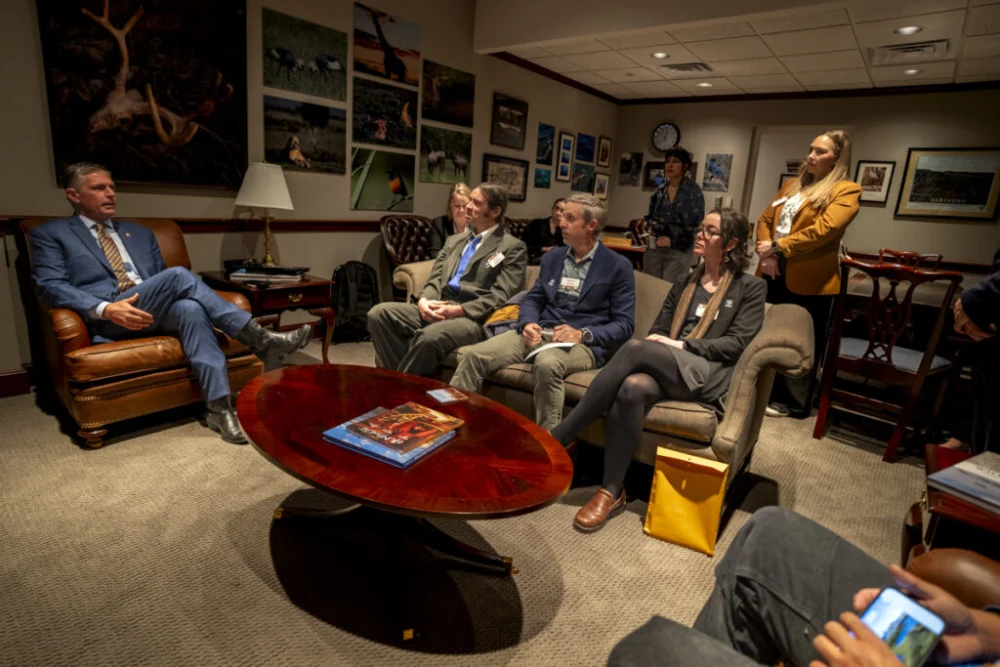
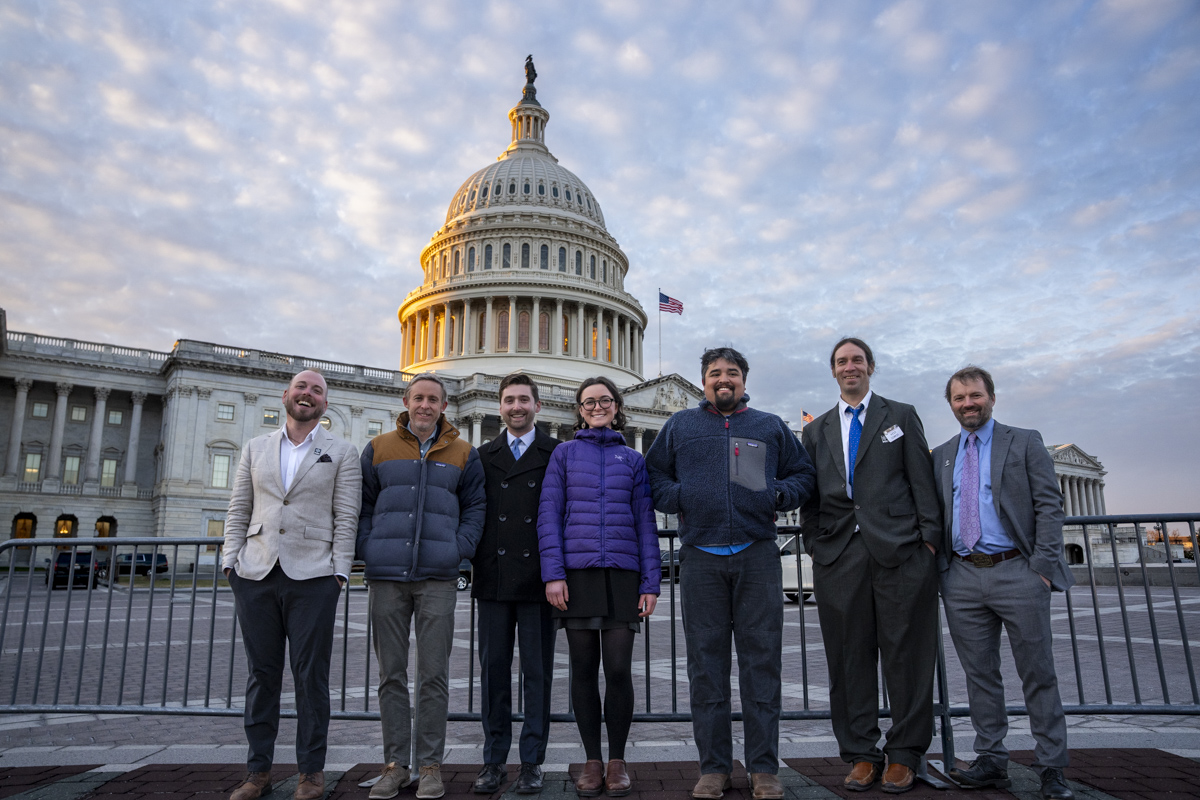
Representatives from the non-profit organization Protect Our Winters (POW) and the Alaskan Wilderness League (AWL) arrived in Washington, D.C., last week to mount a high-stakes legislative challenge against expanding fossil fuel extraction in the Arctic. The coalition hand-delivered a comprehensive 74-page petition to congressional offices, containing more than 6,000 signatures from members of the "Outdoor State"—a demographic of athletes, outdoor industry professionals, and recreation enthusiasts. This mobilization occurred as the Trump administration moved to finalize and sign new legislation designed to streamline oil and gas drilling permits within the Arctic National Wildlife Refuge (ANWR) and the National Petroleum Reserve in Alaska (NPRA).
The two-day advocacy mission, which also included participation from the League of Conservation Voters (LCV), was structured as a strategic "fly-in." The group sought to provide lawmakers with a multi-dimensional perspective on Arctic preservation, blending scientific data with the lived experiences of Indigenous leaders, professional athletes, and climate storytellers. The timing of the visit was critical, following the recent signing of federal bills aimed at reducing regulatory hurdles for energy and mining projects in America’s northernmost reaches.
Legislative Background and the Push for Arctic Extraction
The conflict over the Arctic National Wildlife Refuge is one of the longest-running environmental disputes in United States history. Established in its current form by the Alaska National Interest Lands Conservation Act (ANILCA) of 1980, the refuge spans approximately 19 million acres. While most of the area is designated as wilderness, a 1.5-million-acre section known as the "1002 Area" has been the focal point of drilling debates due to its potential petroleum reserves.
The legal landscape shifted significantly with the passage of the 2017 Tax Cuts and Jobs Act, which included a provision mandating the Department of the Interior to conduct at least two lease sales in the 1002 Area by 2024. While the subsequent administration paused these leases citing environmental concerns, the current federal trajectory has seen a renewed effort to fulfill and expand these mandates. Last Friday, the Trump administration signed legislation specifically intended to "ease the path" for both drilling and mining in Arctic Alaska, arguing that such moves are essential for national energy independence and economic growth.
In response, the POW and AWL coalition argued that these legislative maneuvers ignore modern market realities and the ecological sensitivity of the region. The 74-page petition delivered to Capitol Hill serves as a formal objection, framing the Arctic not as a commodity but as a critical component of global climate stability and Indigenous heritage.
Chronology of the Advocacy Fly-In
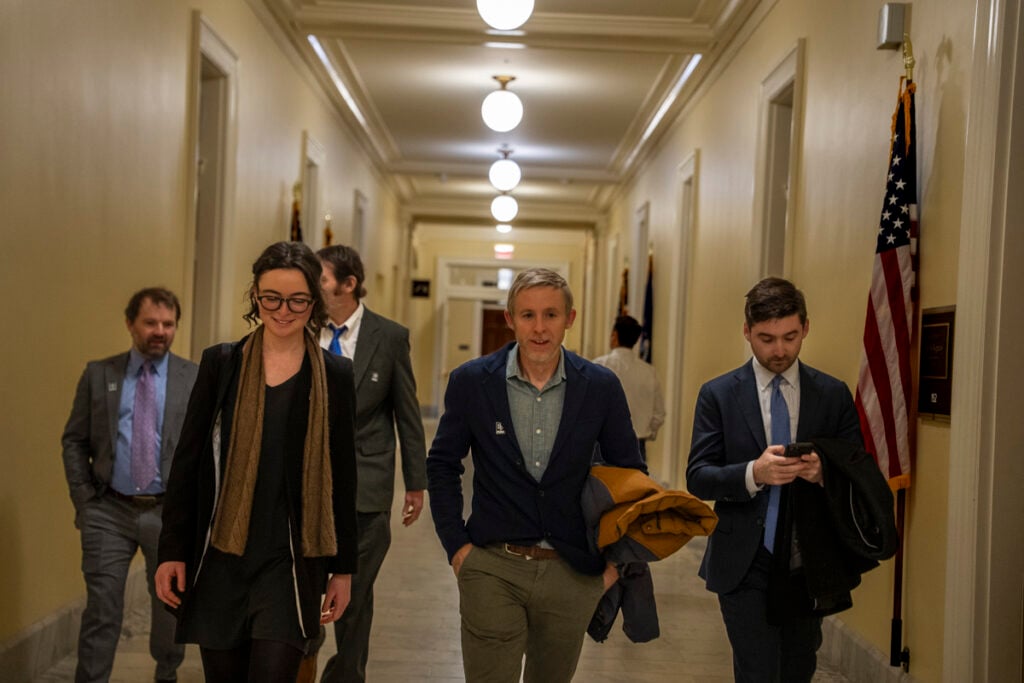
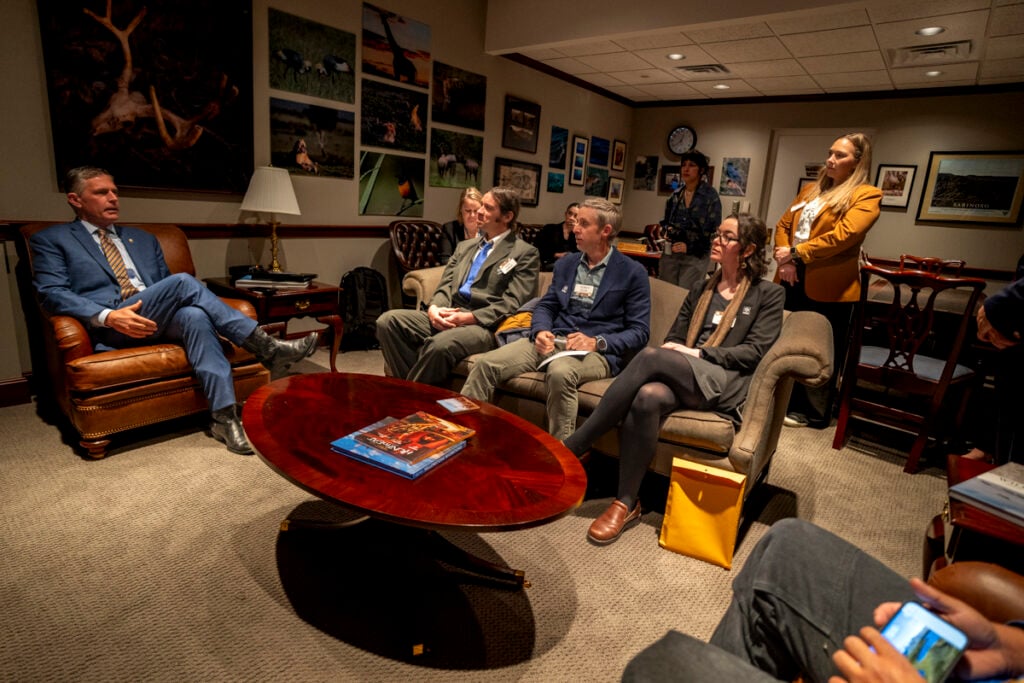
The coalition’s efforts in Washington were condensed into a rigorous 48-hour schedule. The first day focused on establishing a presence within the halls of Congress, where members of the Creative Alliance and Climb Alliance, including professional climber Tommy Caldwell and filmmaker Ming Poon, met with staffers and representatives.
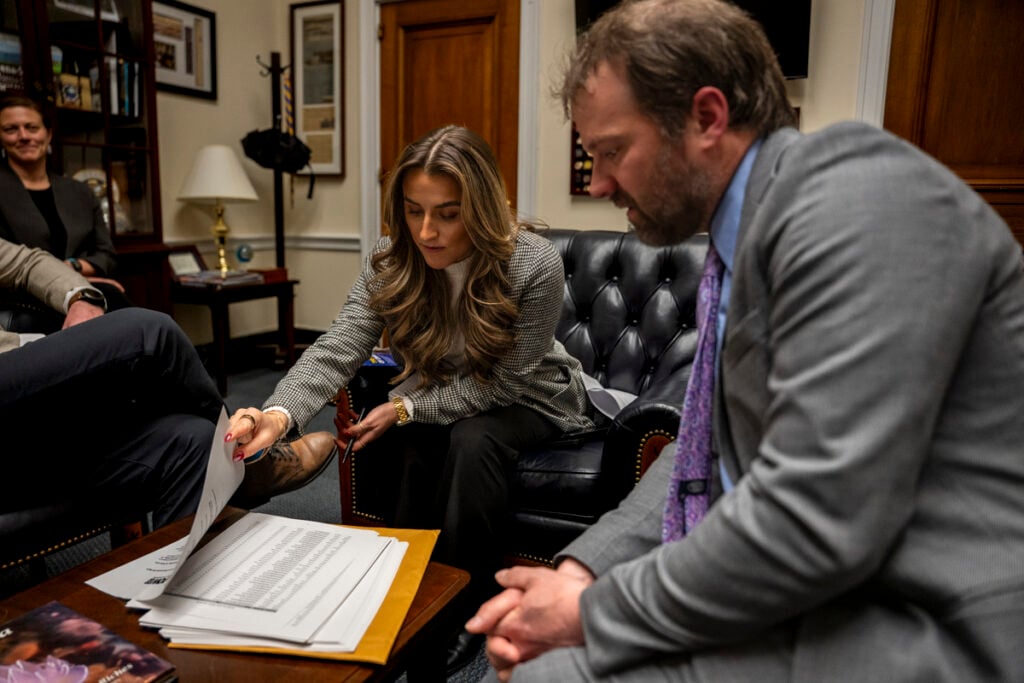
The primary objective of the first day was the delivery of the 6,000-signature petition. One of the high-profile stops included the office of Representative Jared Huffman (D-CA), where the physical "receipts" of the Outdoor State’s opposition were reviewed by staff. The coalition emphasized that these signatures represent a broad geographic and economic cross-section of the country, illustrating that Arctic protection is a national concern rather than a localized Alaskan issue.
The second day shifted toward a dual-track strategy: resisting new lease sales while simultaneously promoting forward-looking energy policy. The group held meetings regarding the Energizing Our Communities Act (EOCA). This proposed legislation seeks to provide a bipartisan framework for supporting communities that host clean energy infrastructure, offering a pragmatic alternative to fossil fuel dependence. By presenting the EOCA alongside their Arctic petitions, the advocates sought to demonstrate that they are not merely "anti-drilling" but are actively supporting a transition to a diversified energy economy.
Economic and Environmental Data Supporting the Petition
The coalition’s arguments were supported by a growing body of economic and environmental data. From a fiscal perspective, the advocates pointed to the diminishing returns of Arctic exploration. While the 1002 Area was once estimated to hold billions of barrels of oil, the actual costs of extraction in the permafrost—exacerbated by extreme weather and the lack of existing infrastructure—render many projects economically precarious.
Furthermore, global financial trends have shifted away from Arctic projects. More than two dozen major international banks, including several of the largest lenders in the United States, have instituted policies that prohibit or strictly limit the financing of oil and gas exploration in the Arctic Refuge. The coalition used these facts to argue that federal efforts to force lease sales are "out of step" with the private sector’s risk assessments.
Environmentally, the stakes are equally high. The Arctic is currently warming at a rate nearly four times faster than the global average. The NPRA and ANWR serve as massive carbon sinks; disturbing the permafrost and peatlands in these regions threatens to release significant amounts of sequestered methane and carbon dioxide, potentially creating a feedback loop that accelerates global warming. Additionally, the region is the calving ground for the Porcupine Caribou herd, which is central to the food security and cultural survival of the Gwich’in people.
Perspectives from the Coalition
The inclusion of professional athletes and creative professionals was a deliberate strategy to "cut through the policy noise." Tommy Caldwell, a member of the POW Climb Alliance, noted that while policy can often feel abstract, it remains the most potent tool for land conservation. Caldwell stated that the trip demonstrated how the outdoor community can "show up big time" to create a pathway for systemic change.
Brennan Lagasse, a member of the POW Creative Alliance who has participated in multiple D.C. fly-ins, observed that despite the current political climate, the physical presence of constituents remains a vital component of the democratic process. Lagasse noted that even offices traditionally aligned with extractive industries acknowledged the importance of hearing directly from those whose livelihoods and values are tied to the outdoors.
Ming Poon, also of the Creative Alliance, highlighted that the group found "common ground" or at least established communication channels in even the most challenging meetings. The delivery of the petition, Poon noted, served as a clear indicator to lawmakers that a significant and vocal segment of the American public is monitoring their decisions regarding public lands.
Analysis of Implications and the Path to 2026
The signing of the recent legislation by the Trump administration marks a significant hurdle for conservationists, but the POW-AWL coalition views this as the beginning of a more intensive "Phase Two." The broader implications of this legislative battle extend beyond the borders of Alaska, touching on the future of the Antiquities Act, the authority of the Executive Branch over public lands, and the United States’ commitments to international climate agreements.
The coalition’s focus on the Energizing Our Communities Act (EOCA) suggests a shift in strategy toward "green-lighting" renewable projects as a way to offset the political pressure for oil expansion. By advocating for bipartisan solutions that provide economic benefits to local communities, the coalition is attempting to decouple "energy security" from "fossil fuel extraction."
As the 2026 election cycle approaches, the "Outdoor State"—which represents an industry contributing over $880 billion to the U.S. GDP—is likely to become an increasingly influential voting bloc. The delivery of 6,000 signatures is a foundational step in a campaign that intends to hold lawmakers accountable for the long-term economic and environmental consequences of Arctic drilling.
The coalition has signaled that it will remain vigilant, maintaining communication with the Arctic Congressional Delegation and preparing for potential legal challenges to any upcoming lease sales. While the administration has signaled a clear intent to move forward with industrializing the North, the unified front presented by athletes, scientists, and Indigenous voices indicates that the path to extraction will be met with persistent, data-driven resistance.
In the coming months, the focus will likely shift to the regulatory "Phase Two," where the coalition will analyze the specific language of new drilling permits and explore every available avenue—legislative, judicial, and public-facing—to ensure that the protections for the Arctic Refuge and NPRA are not permanently dismantled. The message delivered to the Hill was clear: the Arctic is not a bargaining chip, and the fight over its future is far from over.
