

The 2026 ski season has been abruptly cut short for several California resorts as unseasonable March temperatures, reaching record-breaking highs across the Western United States, have decimated snowpacks, forcing premature closures. Mt. Shasta Ski Park and Dodge Ridge Mountain Resort are among the prominent casualties, marking their final operational days significantly earlier than traditional closing dates, a stark indicator of the profound impact of a severe and prolonged snow drought gripping the region.
California’s Early Casualties: A Season Cut Short
Mt. Shasta Ski Park, nestled in Northern California, officially ceased operations on March 10, 2026. This decision came after a challenging winter characterized by delayed openings and inconsistent snowfall. The resort, which typically aims for a longer operating season, managed only 55 days of operation in 2026. This fell short of its guaranteed 60-day season for pass holders, a detail that underscores the financial and operational strain placed upon the resort by the premature end to winter conditions. The unseasonably warm weather, with temperatures in the 70s Fahrenheit, coupled with a lack of incoming storm systems, rendered further operation untenable.

Further south, in the Stanislaus National Forest, Dodge Ridge Mountain Resort followed suit, operating its lifts for the final time on March 15, 2026. While Dodge Ridge experienced a significant snowfall event earlier in February, with a reported 65-inch accumulation, the recent heatwave effectively erased these gains. The rapid melting and deterioration of the snowpack left resort management with no viable option but to close. This illustrates a common theme across the West: even substantial mid-season snowfalls are proving insufficient to withstand persistent and extreme warmth.
The early closures of these resorts are not isolated incidents but rather symptoms of a larger climatic trend impacting the entire Western United States. Federal forecasters have characterized the current situation as the most severe "snow drought" in decades, a phenomenon driven by a confluence of atmospheric conditions that have favored unseasonably warm temperatures and altered precipitation patterns.
A Pattern Across the West: The Grip of the Snow Drought
The implications of this widespread snow drought extend far beyond California’s ski slopes. The entire Western region is experiencing a dramatic deficit in snowpack, a critical resource for water supply, ecosystems, and the winter tourism industry. Data from the Natural Resources Conservation Service (NRCS) indicates that by early March, snow water equivalent (SWE) across many key SNOTEL sites in the West were significantly below median levels. For instance, several reporting stations in the Sierra Nevada showed SWE values at less than 30% of their historical averages for that time of year, a figure that had worsened considerably by mid-March due to the persistent warmth.

This meteorological anomaly is attributed to a combination of factors, including a weaker-than-average La Niña pattern, which, while typically associated with drier conditions in the Southwest, has been exacerbated by persistent high-pressure systems dominating the Pacific coast. These systems have effectively blocked colder, stormier weather patterns from reaching the interior West. The consequence has been that precipitation, when it has arrived, has frequently fallen as rain rather than snow, even at higher elevations. This is particularly detrimental to snowpack accumulation, as rain does not bond with existing snow in the same way and can accelerate melting.
The economic ramifications for communities reliant on winter tourism are substantial. Ski resorts are significant drivers of local economies, supporting jobs in hospitality, retail, and transportation. Early closures mean lost revenue not only for the resorts themselves but also for surrounding businesses that depend on skier and snowboarder traffic. Furthermore, the reduced snowpack has implications for the crucial spring and summer meltwater runoff, impacting agricultural sectors and municipal water supplies throughout the arid West.
The Science Behind the Warmth: Shifting Climate Patterns
The record-breaking March temperatures are not an anomaly but rather a continuation of a warming trend observed over recent decades. Climate scientists point to the increasing concentration of greenhouse gases in the atmosphere as a primary driver of these shifts. Global average temperatures have been steadily rising, leading to more frequent and intense heatwaves, even during traditionally colder months.

Dr. Evelyn Reed, a climatologist specializing in Western weather patterns, stated in a recent interview, "We are observing a clear departure from historical climate norms. The persistence of these warm air masses and the lack of significant cold air outbreaks are directly linked to broader climate change. What we are seeing in the snowpack is a tangible, immediate consequence of these global shifts manifesting at a regional level."
The Intergovernmental Panel on Climate Change (IPCC) has consistently highlighted the vulnerability of mountainous regions to climate change, noting that rising temperatures lead to a shorter snow season, a lower snowline, and increased reliance on artificial snowmaking, which itself requires specific temperature and moisture conditions. While some larger, higher-elevation resorts might be more resilient due to their altitude, smaller and mid-elevation resorts, like those experiencing early closures, are particularly exposed.
A Look at the Broader Western Landscape
The situation in California mirrors conditions observed across other Western states. While some areas may have experienced brief respites, the overall trend remains concerning. Resorts in the Rocky Mountains, while perhaps faring slightly better due to higher elevations, are also reporting diminished snow depths and concerns about the longevity of their seasons. Similarly, the Pacific Northwest, often a reliable snow-producing region, has seen inconsistent snowfall and warmer-than-average conditions, impacting both recreational opportunities and the vital snowpack that feeds rivers and streams into the summer months.

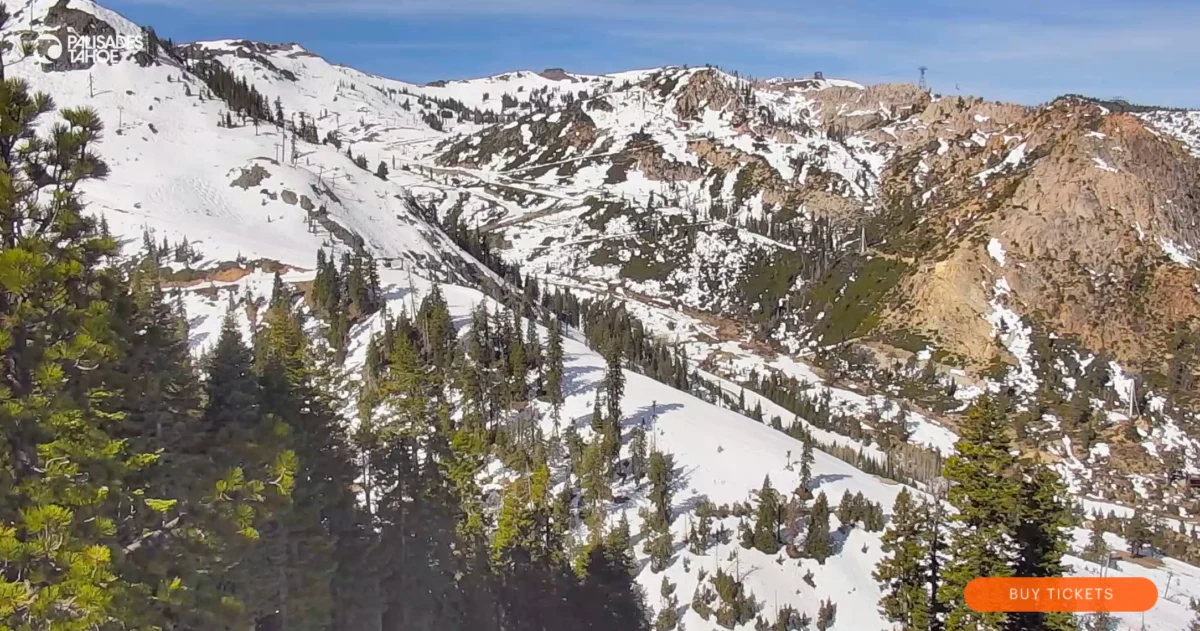
The visual evidence of this drought is stark, as seen in recent webcam imagery from various Western resorts. Screenshots from Palisades Tahoe, Keystone Resort, Park City Mountain Resort, Sun Valley, and Arizona Snowbowl, shared by weather monitoring services, depict landscapes transitioning from winter white to early spring browns and greens, with exposed earth and slushy conditions prevalent on many slopes. These images serve as a powerful, albeit concerning, testament to the rapid melting and lack of substantial, consolidating snow cover.
Staying Stoked in a Lean Year: Adapting to the New Reality
While the premature end to the season at some resorts is a disappointment for skiers and snowboarders, the resilience of the outdoor community is often tested and reaffirmed during such challenging years. For those whose local hills have called it quits, the focus is shifting towards alternative strategies for enjoying the winter sports season.
Resorts like Palisades Tahoe and Mammoth Mountain, situated at higher elevations, are still holding out hope for extended operations, potentially through Memorial Day or even into June, contingent on favorable weather patterns. These higher-altitude havens offer a more reliable chance for continued skiing and snowboarding, albeit with potentially altered terrain and conditions.

However, for many, the current climate reality necessitates a broader perspective. The concept of "winter is always happening somewhere" takes on new significance. As the Northern Hemisphere experiences its warm spell, attention naturally turns towards the Southern Hemisphere, where winter is just beginning to take hold. Destinations in the Andes of South America, such as Portillo in Chile and Las Leñas in Argentina, are preparing for their ski seasons. Similarly, the Southern Alps of New Zealand and Australia offer opportunities for late-season snow sports.
This global perspective on snow conditions is becoming an increasingly important consideration for dedicated winter sports enthusiasts. Planning trips to these southern destinations represents a proactive approach to ensuring continued access to snow-based recreation, even when local conditions are unfavorable. It highlights the adaptability and commitment of the ski and snowboard community to pursue their passion, regardless of geographical limitations.
The current season serves as a potent reminder of the interconnectedness of global climate patterns and their direct impact on local environments and industries. The early closures in California are not merely a regional inconvenience but a significant indicator of broader climatic shifts that demand attention and adaptation from individuals, industries, and policymakers alike. As the Western United States navigates this unprecedented snow drought, the focus shifts from lamenting lost days to strategizing for future seasons and embracing the global opportunities that winter still offers.
