

Updated March 25, 2026 10:56 AM
The unmistakable energy of a destination designed for exhilaration was palpable upon arrival at Fahrenheit Seven in Val Thorens. The Wi-Fi password itself, a playful "hangover," hinted at the spirited atmosphere that defines this high-altitude haven. As the afternoon sun cast long shadows across the snow-dusted landscape on a Sunday, the hotel’s back deck was already buzzing with the vibrant sounds of a DJ and the captivating melody of an electric violinist, signaling the commencement of the day’s festivities. Inside, the ambiance was equally lively, punctuated by the clinking of glasses and, in a testament to the day’s spirited start, the accidental shattering of a wine glass at the bar – a scene unfolding well before 2:30 PM.
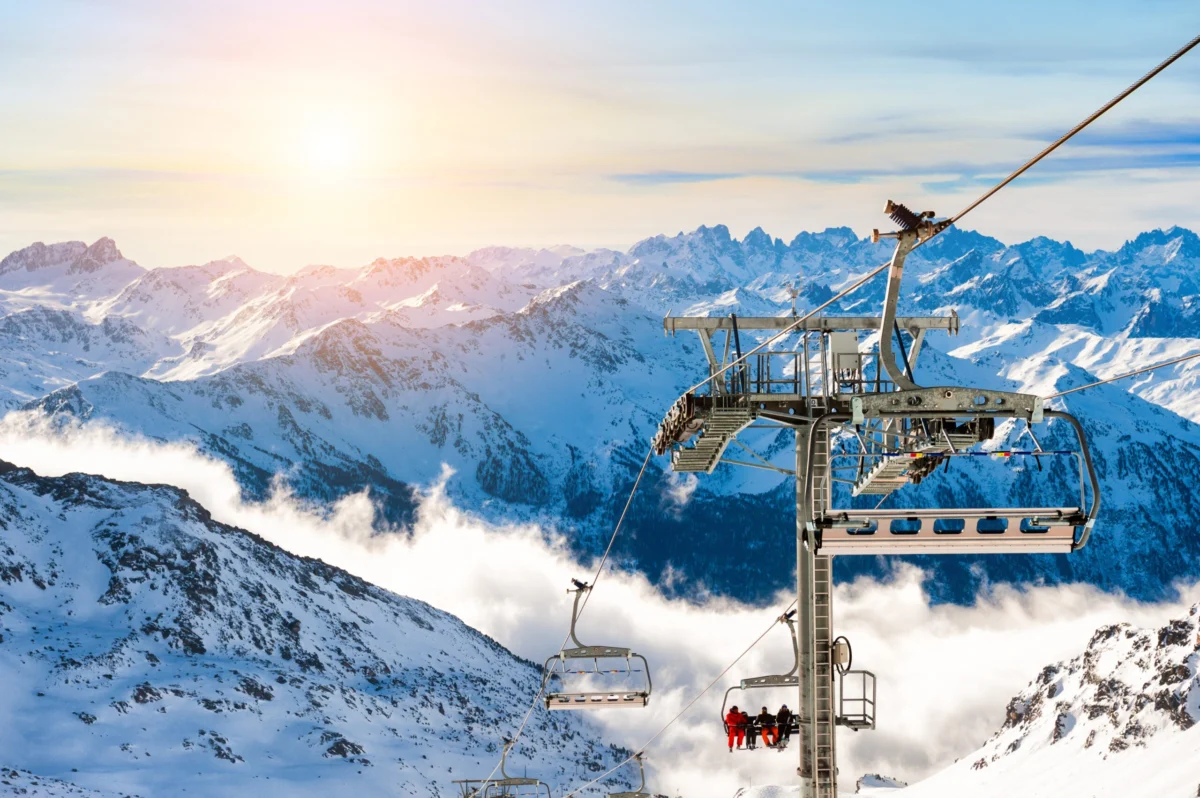
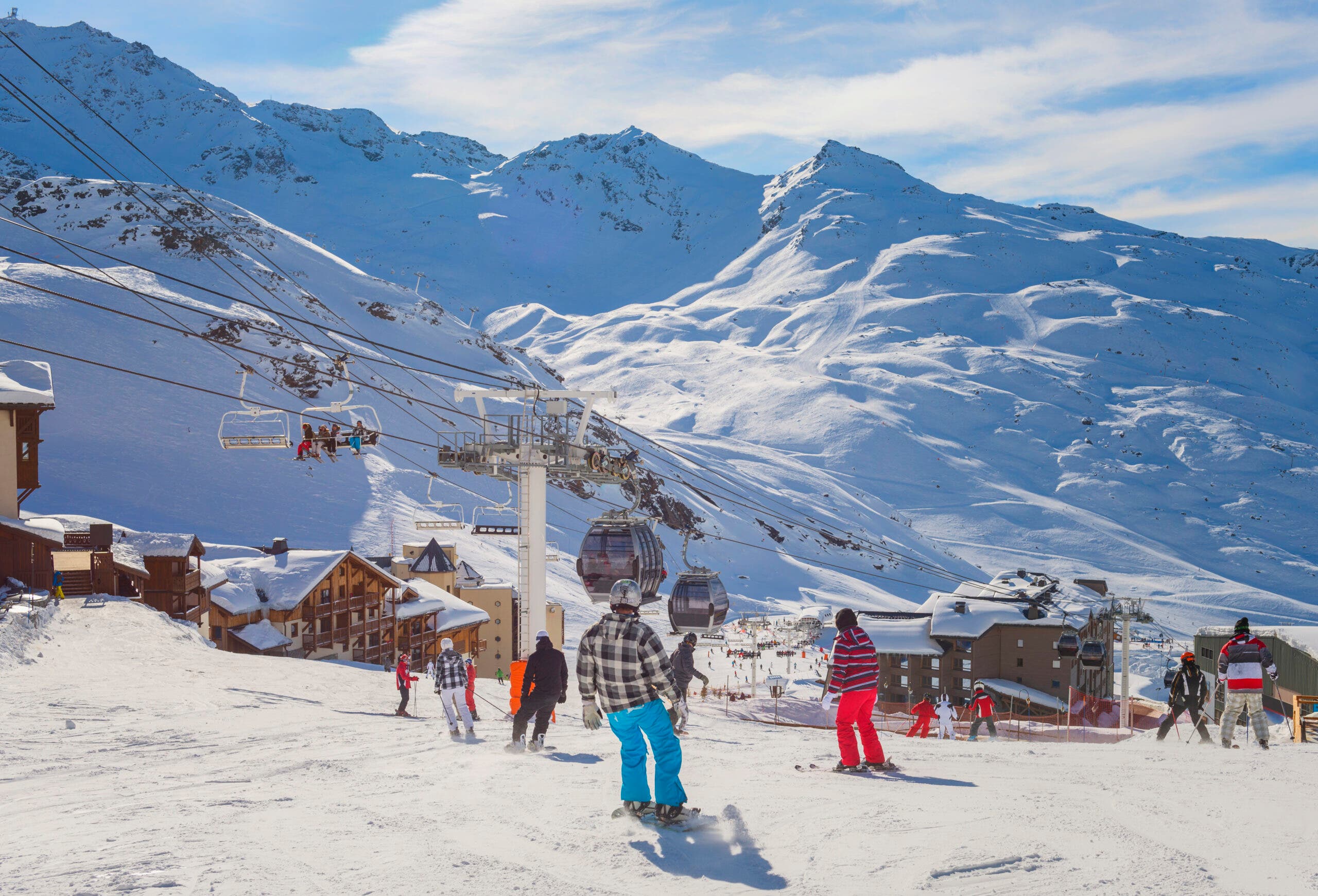
Val Thorens, one of the seven distinct villages that grant access to the vast expanse of the Les 3 Vallées ski resort in the French Alps, possesses a character that immediately resonates with its target demographic: the discerning ski enthusiast. Beyond its legendary après-ski scene, the primary draw for skiers is the resort’s unparalleled snow reliability. Perched at an altitude of 7,500 feet, Val Thorens proudly holds the distinction of being Europe’s highest ski area base, a geographical advantage that typically ensures a prolonged ski season extending into early May.
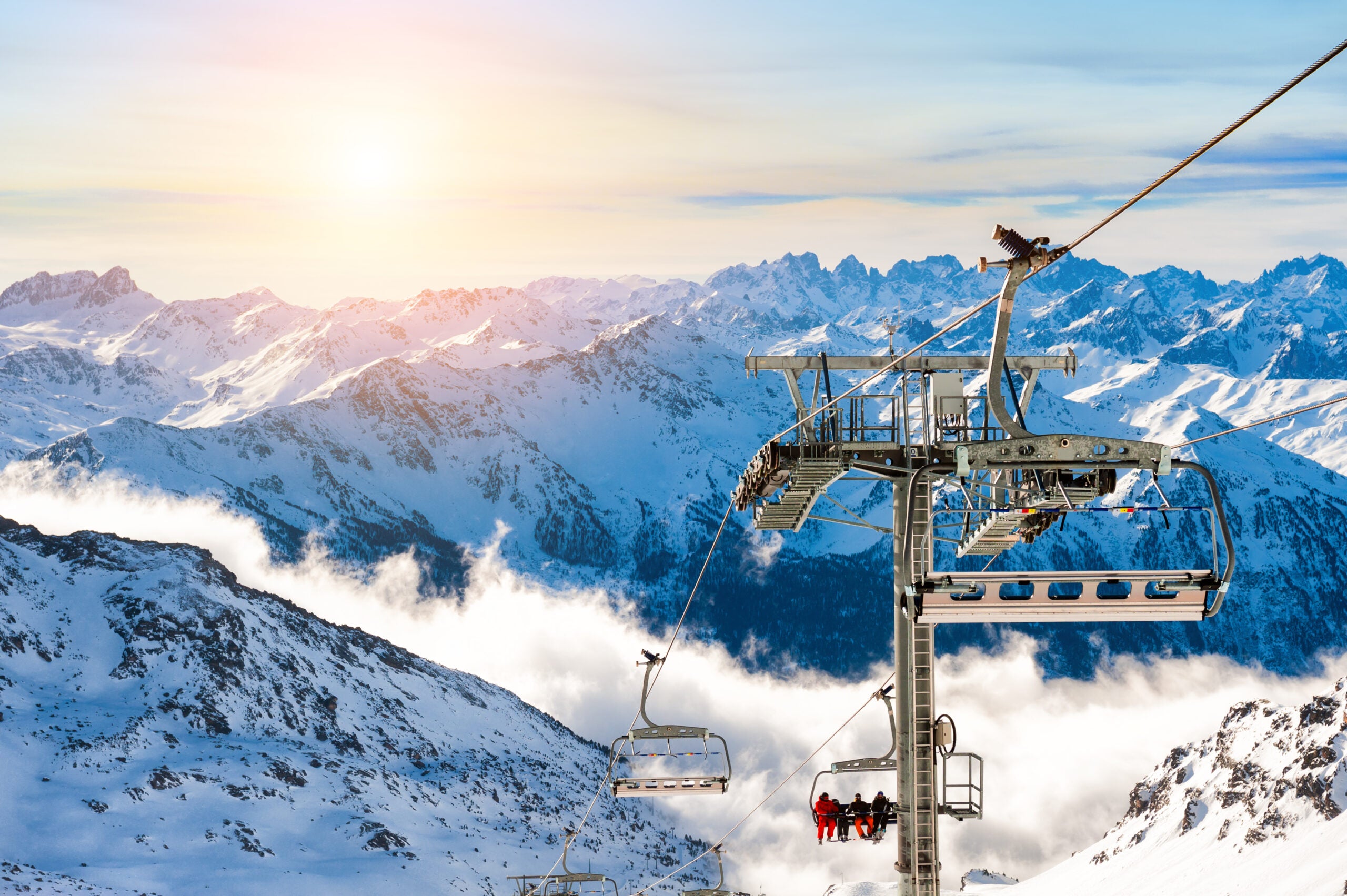
The sheer scale of Les 3 Vallées is staggering, encompassing over 25,000 acres of skiable terrain, serviced by an intricate network of 161 lifts, and boasting an impressive 600 kilometers of meticulously groomed trails. This interconnected wonderland is officially recognized as the world’s largest ski resort, presenting an almost infinite array of possibilities for exploration and enjoyment. The complexity of its layout means that even multiple visits, spread across numerous years, would likely yield entirely novel experiences, with no two days mirroring each other. This vastness, while exhilarating, also presents a significant challenge for meticulous planning, rendering spontaneous, seat-of-your-pants approaches to navigating its slopes ill-advised. My own initial encounter with Les 3 Vallées in early February underscored this immensity; gazing out from a vantage point, I was met with an seemingly unending panorama of above-treeline slopes, crisscrossed by a labyrinth of lifts and gondolas ascending in every conceivable direction.
To effectively manage and fully appreciate this colossal resort, a strategic approach is paramount. The initial step in planning an unforgettable ski trip to Les 3 Vallées involves defining the desired atmosphere and activities when one is not actively engaged in skiing. This foundational understanding will guide decisions regarding accommodation, dining, and on-mountain exploration.
Five Pillars for a Successful Les 3 Vallées Ski Expedition
No. 1: Strategic Base Camp Selection – Where to Stay
The resort’s sprawling geography is segmented into three major valleys, each dotted with seven distinct villages, each offering a unique residential experience for skiers. Val Thorens, as previously mentioned, stands as a beacon of liveliness at the apex of the Belleville Valley. For those seeking a more family-oriented environment, Les Menuires, situated further down the Belleville Valley, provides a compact and welcoming atmosphere, characterized by a prevalence of condominium and chalet-style lodging, alongside designated family ski zones designed for optimal enjoyment. For a more serene escape, the village of Saint Martin de Belleville, nestled beyond Les Menuires, offers a tranquil retreat. From Saint Martin, a single gondola efficiently connects skiers to the wider Les 3 Vallées network, providing access without compromising on peace.
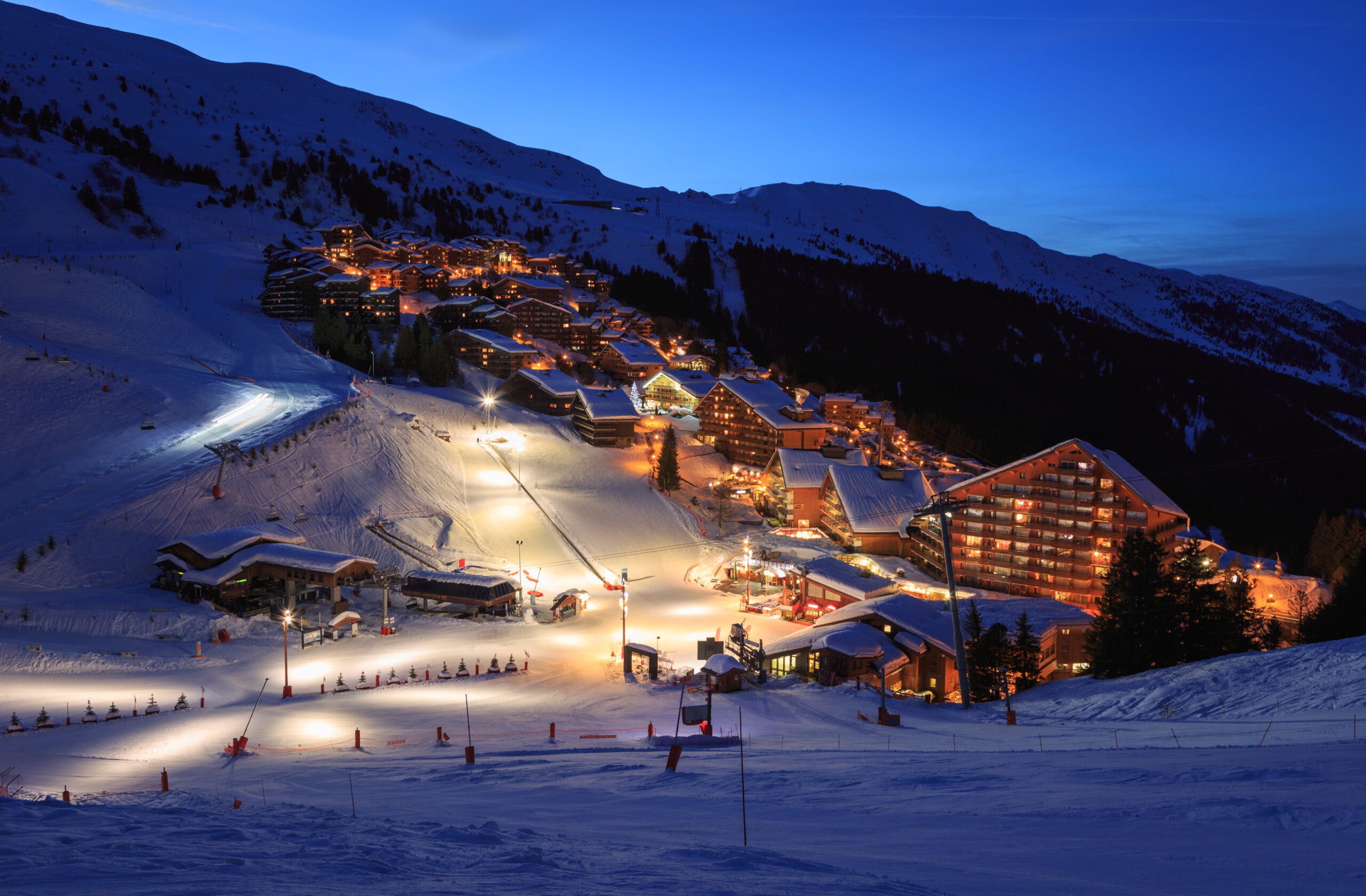
Moving eastward into the adjacent Allues Valley, the village of Méribel, established in the 1930s, exudes the quintessential traditional Alpine charm. Its architecture, featuring chalets cascading down the mountainsides, contributes to its timeless appeal. Méribel Mottaret, the highest of Méribel’s five distinct neighborhoods, offers the most immediate and convenient access to the lift system. Travelers with budget considerations may find Brides-les-Bains, located lower in the valley and accessible via a dedicated gondola, to be a more economical lodging option.
The allure of luxury and high society draws many to Courchevel in the third and easternmost valley, the Saint-Bon. Courchevel 1850, the highest elevation among Courchevel’s collection of smaller villages, boasts the highest concentration of opulent hotels and Michelin-starred culinary establishments, catering to a discerning clientele.
For those yearning for an escape from the more frequented paths, Orelle presents itself as the quietest and most off-the-beaten-path option. Located on the western periphery of the resort, it features a single hotel and a modest selection of restaurants. Although technically situated in the Maurienne Valley, Orelle’s lifts and skiable terrain are integrated into the Les 3 Vallées infrastructure, offering a unique and secluded experience.
No. 2: Navigating the Mountain Maze – Where to Ski
The extensive network of 161 lifts within Les 3 Vallées facilitates seamless movement across vast distances, allowing skiers to cover significant ground with relative ease. However, to maximize ski days and avoid simply traversing the resort, a focused approach to on-mountain exploration is highly recommended.
Consider, for instance, ascending via the Pointe de la Masse gondola from Les Menuires. At the summit, before even clicking into your skis, take a moment to absorb the breathtaking panoramic views from the expansive rooftop deck. The vista encompasses Mont Blanc, the highest peak in Western Europe, providing a truly awe-inspiring perspective. Subsequently, dedicate the morning to exploring the diverse terrain surrounding the gondola, a region rich in varied ski experiences.
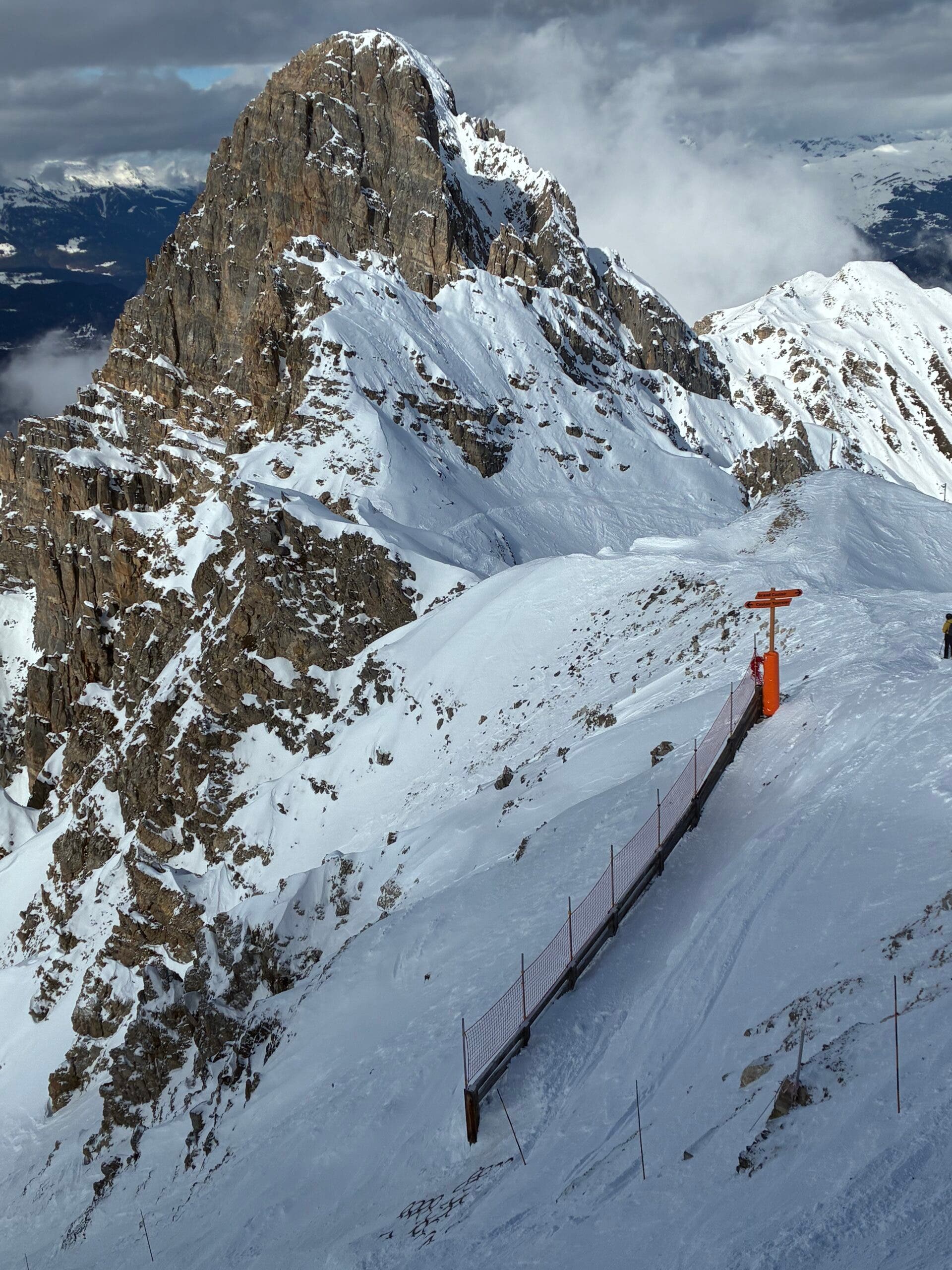
For the more adventurous, ascending to the Saulire summit from either Courchevel or Méribel opens up access to the formidable Grand Couloir. This expert-only run plunges dramatically towards Courchevel, boasting a maximum slope angle of 38.6 degrees. Its counterpart on the Méribel side, the Couloir Tournier, offers a similarly challenging descent.
On days when meteorological conditions severely limit visibility, creating a "milk bottle" effect, a strategic retreat to the lower slopes of Méribel or Courchevel becomes advisable. These areas, characterized by the presence of trees, offer improved navigation and a more sheltered skiing experience when higher elevations are rendered impassable by fog or snow.
No. 3: Embracing the Uncharted – Venturing Off-Piste
As is the case with the majority of European ski areas, avalanche control measures are meticulously applied only to the designated groomed pistes. The vast expanses of terrain situated between these marked runs remain untamed and are not subject to the same level of safety management. For skiers seeking to elevate their adventure quotient and actively avoid crowded slopes, venturing off-piste presents an irresistible proposition.
This is precisely where the expertise of a certified guide becomes indispensable. Engaging a guide through ESF, the French ski school located within the resort, is a prudent decision. It is also imperative to either bring or rent essential avalanche safety equipment, including a beacon, shovel, and probe.
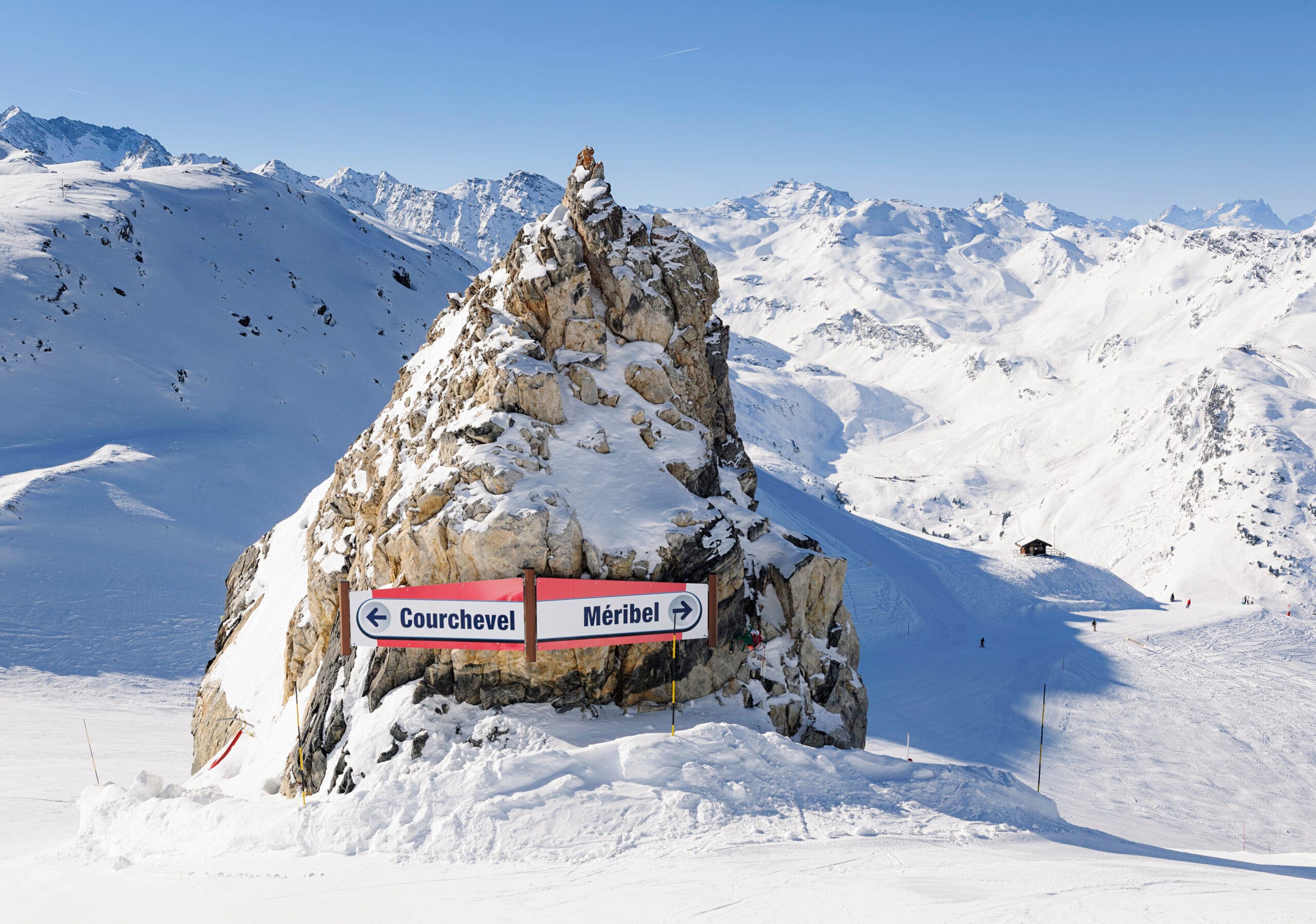
During a recent expedition, the guide accompanying my group demonstrated a commendable level of caution, a necessity given the prevailing conditions of considerable avalanche danger – rated a three out of five on the European scale – exacerbated by recent wind loading. Despite these prudent considerations, the experience of skiing approximately 5,000 vertical feet through pristine, untracked powder down the Vallon du Lou, a secluded side valley that culminates near Les Menuires, was nothing short of extraordinary. In stark contrast to the densely populated groomed pistes that morning, we encountered not a single other skier on this exhilarating off-piste descent.
No. 4: Expanding Horizons – The Utility of Ski Touring Gear
The integration of alpine touring equipment significantly amplifies one’s capacity for off-piste exploration. On one memorable morning, our guide led us on a journey from Pointe de la Masse, traversing through the Encombres and Geffriand valleys. The transition between these valleys involved approximately 45 minutes of skinning, a process that fostered a profound sense of humility and awe as we were dwarfed by the sheer immensity of the surrounding glaciers and towering peaks. After a couple of hours of this immersive experience, we descended into Saint Martin de Belleville, where a convenient gondola ride returned us to the resort’s prepared slopes.
For individuals who opt to forgo a guide, the "Freeride Lab" located at the summit of Courchevel and Méribel offers a controlled environment for exploring off-piste terrain. A mere 15-minute skinning ascent from this designated area leads to two distinct descent routes, providing a accessible introduction to off-piste skiing.
No. 5: The Culinary Interlude – The Essential Ski Lunch
"Eating and skiing are my two favorite things," remarked Dan, a skier from Boston whom I encountered in the soothing warmth of a hot tub. "Until I came to Europe, I didn’t realize you could do both in one place," he quipped, his statement a gentle critique of the typically uninspired and overpriced menus found at many North American ski resorts.
In the European Alps, lunch during a ski day transcends a mere refueling stop; it is an integral experience to be savored. Les 3 Vallées abounds with exceptional culinary opportunities. Among these, the wine bar at the impressive new Caron 3200 complex, situated atop Val Thorens’ Cime Caron, offers a sophisticated dining experience. Patrons can indulge in lunch within an elegant, glass-enclosed aerie, complemented by an extensive selection of 45 wines available by the glass.
On another occasion, our guide led our group off-piste through the tranquil forests near Courchevel to Le Chalet de la Rosière. Here, we enjoyed the simple pleasures of crêpes and cider by a crackling wood stove. This particular restaurant, typically accessed via snowshoe trails, offers a unique dining experience, and our possession of touring gear allowed us to skin back up a portion of a maintained uphill ski trail afterward, seamlessly rejoining the main lift system.
My final day concluded with a memorable lunch at Le Corbeleys, a century-old chalet accessible by gondola from St. Martin de Belleville. We raised a toast with Génépi, the indigenous herbal liqueur of France’s Savoie region, celebrating the convergence of exceptional skiing and exquisite cuisine – a fitting culmination to an unforgettable alpine adventure.
The strategic planning and mindful exploration of Les 3 Vallées are not merely suggestions but essential components for unlocking the full potential of this extraordinary destination. By understanding the nuances of each village, embracing the diverse on-mountain offerings, and prioritizing experiences beyond the groomed runs, skiers can craft a truly personalized and profoundly rewarding journey through the world’s largest ski resort. The lessons learned from the early afternoon revelry in Val Thorens underscore a broader truth: this is a place where the spirit of adventure and the joy of indulgence are woven into the very fabric of the experience.
