

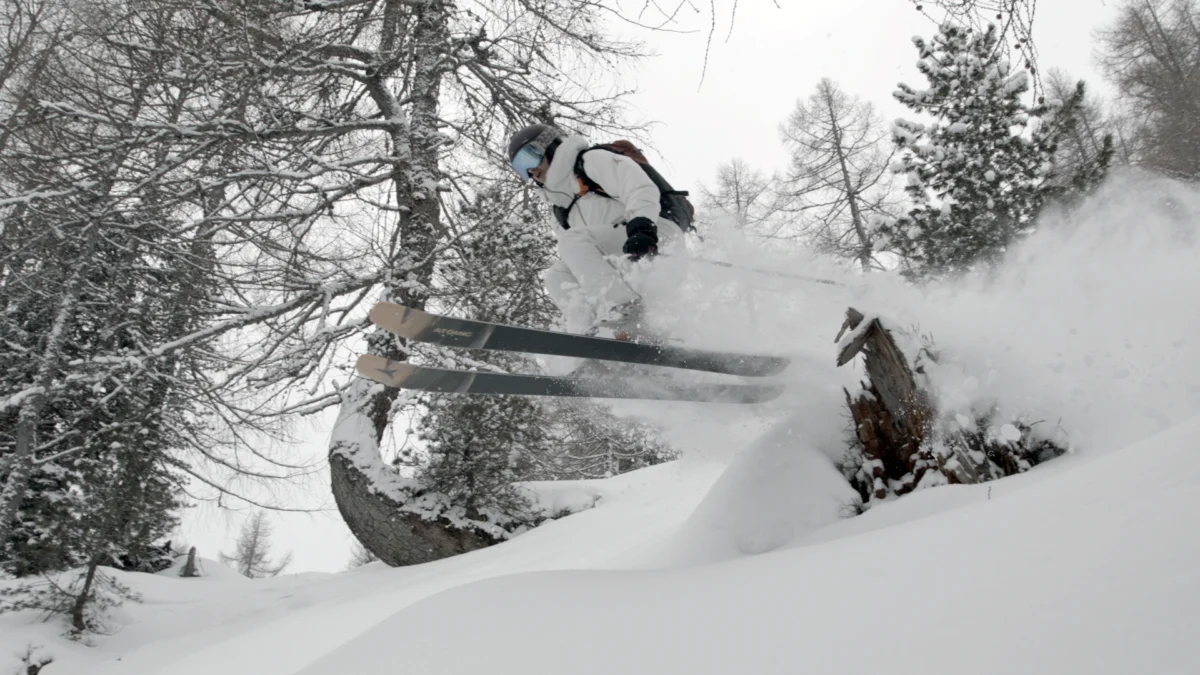
Daron Rahlves embodies a rare and remarkable trajectory in the world of competitive skiing. His athletic journey transcends traditional boundaries, transitioning from the demanding disciplines of alpine ski racing – Downhill, Super-G, and Giant Slalom on the elite World Cup circuit – to the explosive, adrenaline-fueled world of freestyle skiing. Following his distinguished career with the U.S. Ski Team, Rahlves defied expectations by earning a spot on the Olympic Freestyle team, ultimately competing in the inaugural skicross event at the 2010 Vancouver Winter Games. This unique dual-threat status solidifies his position as an iconic figure in the sport.
Born and raised in Northern California, Rahlves’ formative years were spent honing his skills at Palisades Tahoe, a legendary ski resort synonymous with both challenging big mountain terrain and a vibrant racing culture. It was here that he cultivated the aggressive style and technical prowess that would define his career. His early development was a blend of dedicated training and passionate immersion in the sport. Returning to Palisades Tahoe for spring breaks from the Green Mountain Valley School in Vermont, and during breaks from his World Cup circuit schedule, Rahlves consistently sought to refine his abilities on his home turf. He himself credits pivotal moments, such as skiing in deep powder alongside freeskiing pioneers Shane McConkey and Jonny Moseley, as significant influences that directly contributed to his subsequent World Cup victories. This connection to the roots of skiing, a blend of raw talent and an appreciation for the sport’s evolution, continues to shape his engagement with the skiing community.
In a candid conversation with SKI magazine, Rahlves delved into the multifaceted aspects of his enduring legacy. He reflected on his triumphs as an American downhiller, his groundbreaking participation in four Olympic Games across different disciplines, the revitalization of the Rahlves Banzai Tour at Palisades Tahoe – an event he conceptualized – and his observations on the evolving landscape of skiing, particularly as his own children now navigate the sport at the same age he first joined the U.S. Ski Team.
Mastering the Mental Game: Conquering the Hahnenkamm and Beyond
The Hahnenkamm downhill in Kitzbühel, Austria, stands as one of the most feared and revered tracks in alpine ski racing. Its treacherous terrain, steep pitches, and unforgiving ice demand not only supreme physical conditioning but also an ironclad mental fortitude. When asked about his preparation for such a daunting challenge, Rahlves emphasized the critical role of mental imagery and repetitive exposure to the course.
"I spent a lot of time watching videos and doing mental imagery of the track," Rahlves explained. "Just like anything else, the more you do something, the more comfortable you get with it. I thrived on really pushing in demanding areas with high consequences." This systematic approach to familiarization allowed him to build confidence and mitigate the psychological impact of the inherent risks involved.
To further fortify his mental advantage, Rahlves developed a unique training tool: a VHS tape he dubbed "Thrills and Spills." This compilation featured a curated selection of crashes where skiers, despite significant spills, were able to recover and continue. "Bode [Miller] made the reel quite a few times," Rahlves recalled, referencing his prominent U.S. Ski Team compatriot. "We got feed from the TV truck, and I would edit the thrilling moments, crashes, and incredible recoveries. It was like a highlight reel. If there was a helicopter or sled, that didn’t make the tape. If there was a good outcome, it would make the tape. I’d watch that during the week so that I’d know if I were to go through something like that, I’d be fine."
This unconventional method served as a powerful psychological buffer, inoculating him against the paralyzing fear that often grips athletes facing extreme risks. "That was a mental advantage, and I never had any fear of crashing on the downhill track," Rahlves stated. "I never had a time where I was in the starting gate and saw demons like a lot of other guys have had to deal with. It comes down to prep work. I would accept the fear and the consequences and think about how to execute the run so that the worst-case scenario wouldn’t happen." This proactive approach to confronting and managing fear, rather than attempting to suppress it, is a hallmark of elite athletic psychology.
The Fourth Olympics: A Freestyle Debut with a Bittersweet Twist
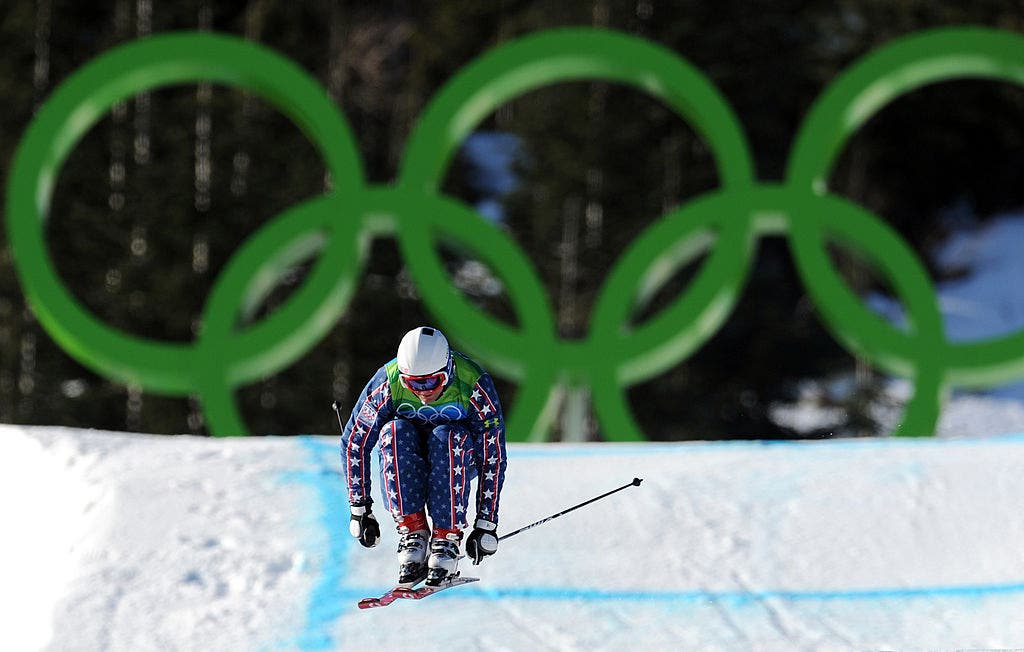
Rahlves’ Olympic journey is unparalleled in its scope. He competed in three Olympic Winter Games as an alpine ski racer, a testament to his consistent excellence in a sport that demands peak performance at precisely timed intervals. However, his fourth Olympic appearance at Vancouver 2010 marked a significant departure, as he participated in the debut of skicross, a dynamic and unpredictable discipline that blends speed, agility, and aggressive racing tactics.
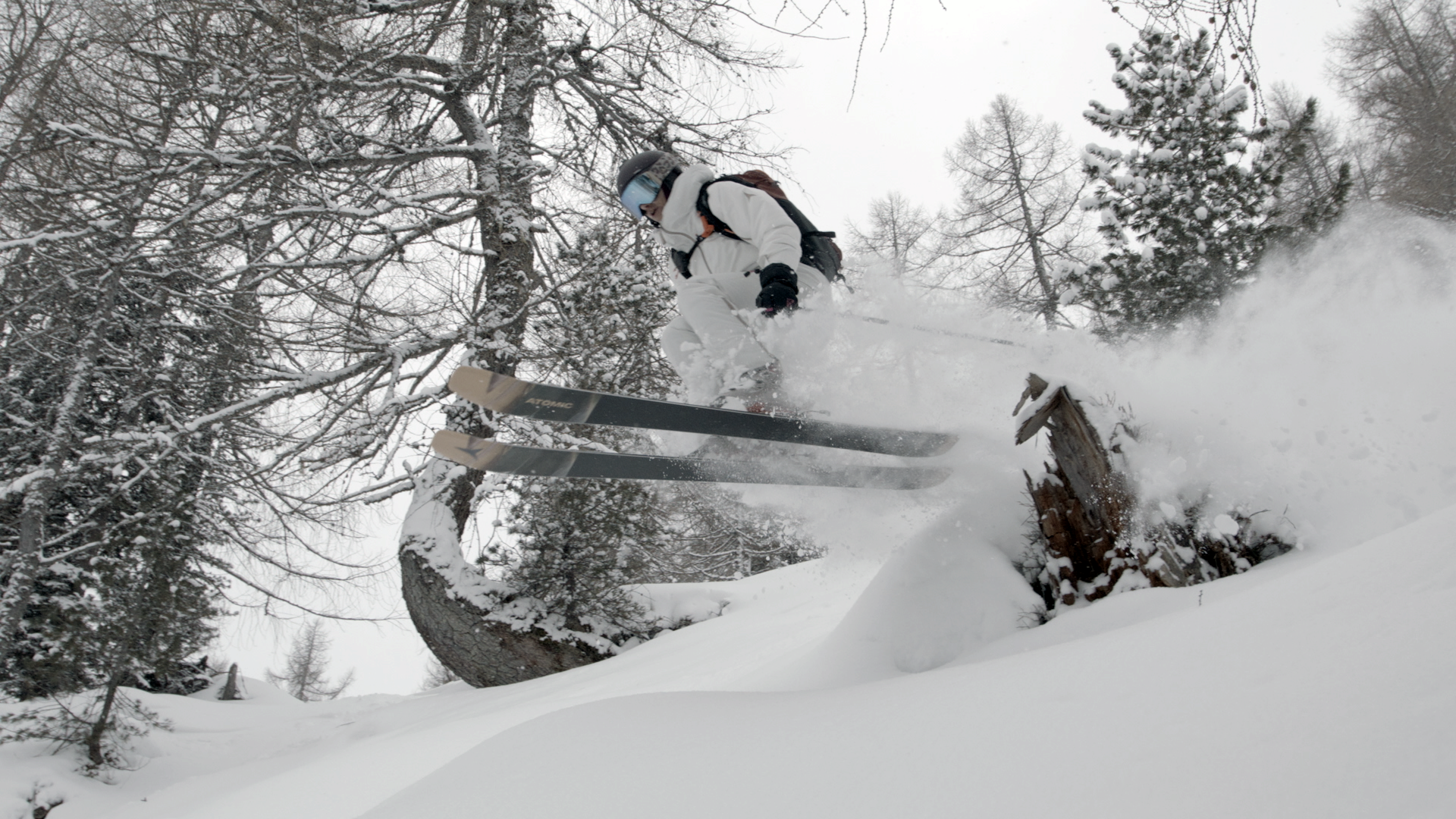
The transition to skicross was motivated by a desire to maintain a competitive edge while also prioritizing family life. "I put a lot of effort into all of the Olympics," Rahlves stated. "Once I was on the U.S. Ski Team, that became 100 percent my life. Then my wife, Michelle, and I had our kids, and I didn’t want to be on the road. I was doing skicross to have an outlet because I didn’t want to give up competition." This reflects a common challenge faced by elite athletes as they balance demanding careers with evolving personal priorities.
The opportunity to be part of the inaugural Olympic skicross competition presented a unique challenge and a fresh motivation. "There was an opportunity to be part of debuting a new sport in the Olympics, so I committed in 2009 to do some World Cup events to qualify," Rahlves explained. "It was a whole different kind of prep. Like a football team, you need to know what their defense and offense is like." This analogy highlights the strategic and tactical considerations inherent in skicross, where understanding competitors’ tendencies is as crucial as mastering the course.
However, Rahlves’ Olympic aspirations in skicross were met with a significant setback. "Unfortunately, I dislocated my hip at X Games 10 days before the Games," he revealed. Despite feeling reasonably recovered with two days of practice and qualifying, the lingering effects of the injury impacted his performance. "I was behind in terms of strength, power, and endurance." The culmination of his skicross Olympic dream was a dramatic crash during a heat. "I was in second place and then had contact from behind when a competitor came in on an aggressive line, drove his tips in the back of my boots, and we both crashed."
Despite the unfortunate ending, Rahlves views his skicross experience positively. "It was fun and another element of skiing, but my preparation for that was really quick compared to my alpine years of consecutive effort for DH, SG and GS events." He also addressed concerns that some had voiced about his foray into skicross potentially tarnishing his alpine reputation. "Someone told me I shouldn’t do skicross because it will tarnish my ski reputation. But I’m competitive so I put the effort into being successful. If you’re afraid of failure, don’t do it. I was willing to fail for the challenge of it." This sentiment underscores his commitment to pushing boundaries and embracing new challenges, regardless of the potential for setbacks.
The Rahlves Banzai Tour: A Resurgence of Raw Ski Racing
The Rahlves Banzai Tour, a competition that Rahlves himself resurrected and champions, returned to Palisades Tahoe on April 10-12, 2026, on the iconic KT-22 run. This event represents a significant nod to the roots of ski racing, harkening back to a time when the spirit of informal, top-to-bottom races defined the sport.
"The Banzai Tour is a top-to-bottom battle where the first one down the mountain wins," Rahlves described. "It’s a throwback to what ski racing was in the past. When we were little, we grew up racing each other, saying ‘last one down is the rotten egg.’ You don’t want to be the rotten egg." This nostalgic sentiment captures the essence of the tour – a pure, unadulterated test of speed and skill.
The competition is designed to showcase a well-rounded skier, navigating challenging, natural, off-piste terrain. "All off-piste in rough natural terrain, it showcases a good all-around skier," Rahlves explained. "It also has an element of head-to-head, like skicross; it’s a timed run, and the top 32 racers go into heats." This format combines the thrill of individual time trials with the excitement of direct competition.
For aspiring champions, Rahlves offered practical advice rooted in his extensive experience. "My pro tip is to have a good start and get in the mindset of being aggressive," he advised. "You have to be aggressive, but also make quick judgement calls and not do anything too reckless. The stronger you are, the better, because when you ski off-piste, you expend a lot more energy than a smooth groomer." He also emphasized the importance of course awareness. "I set the course and look for ways to use the whole mountain, so competitors should read the mountain so they can be in a good position to make a move if they’re not out in front."
The Rahlves Banzai Tour is not merely about the competition itself; it’s about fostering a sense of community and inclusivity within the skiing world. Rahlves has committed a substantial prize purse of $20,000, emphasizing equitable distribution. "I’m putting up $20,000 for a prize purse – an even payout for men and women; ski and snowboard – all the way to 5th place," he stated. "This is more than just a competition – it’s getting everyone together." This commitment to equal opportunity and community engagement reflects a modern approach to event organization, prioritizing broad participation and shared experience.
A Shifting Landscape: Skiing in the Digital Age
As Rahlves’ twin children, now 18 years old, mature in the sport, they are experiencing a vastly different skiing landscape than the one Rahlves navigated during his competitive years. The evolution of skiing has been profound, marked by the proliferation of disciplines and the pervasive influence of digital media.
"Our era was about ski racing or moguls, and now there’s so many options like big mountain and slopestyle," Rahlves observed. "Plus, there’s an opportunity to be a pro skier without competitions, like being an influencer or making sick edits. I’m glad that I didn’t have to deal with social media. For me, it was interviews, TV time, and if I did well, there was coverage. You made a career off of results." This sentiment highlights the shift from a performance-driven career path to one that also encompasses brand building and online presence.
The accessibility of information and inspiration through social media has dramatically accelerated skill progression. "One thing that is incredible is how fast kids are progressing these days because they see each other doing things," Rahlves noted. "It elevates the level so quickly, especially on the big mountain side." This rapid advancement is a testament to the democratizing effect of digital platforms, allowing aspiring athletes to learn from and be inspired by a global community. He also expressed approval for the growing trend of equal pay in ski competitions, stating, "Also, it’s cool to see equal pay between men and women." This observation aligns with broader movements towards gender equity in professional sports.
Life After Competition: Inspiring the Next Generation and a New Alaskan Venture
Since retiring from elite competition, Daron Rahlves has successfully transitioned into a multifaceted career that continues to be deeply intertwined with the world of skiing and outdoor adventure. His post-competitive life is characterized by a commitment to inspiring others and a passion for product innovation.
"I’ve been able to build a career off of ski racing and it’s been great to continue to live a life outdoors and be challenged in different ways," Rahlves shared. He remains dedicated to motivating individuals, particularly through his corporate event engagements. "I do a lot of corporate events where I run across successful people, and I try to push them beyond their comfort level. The Banzai event enables people to find another level inside themselves." This focus on personal growth and pushing boundaries extends to his broader philanthropic and motivational endeavors.
Rahlves has also actively contributed to the development of ski equipment and apparel. "I’ve also been working with a lot of different brands like Giro, Flyow and Atomic, and I like helping to improve products," he stated. His experience as a world-class athlete provides invaluable insights for product designers, ensuring that gear meets the demands of high-performance skiing. Furthermore, his collaboration with Red Bull allows him to mentor emerging athletes. "And with Red Bull, I get to work with a team and mentor other athletes. I’m trying to pass that on to other athletes, as well as my own kids, that it feels good to work hard for something and have it come back. It’s a big reward." This mentorship role reflects a desire to impart the lessons learned throughout his own career, emphasizing the value of hard work and dedication.
Looking ahead, Rahlves is embarking on a significant new venture: the development of a ski lodge in Haines, Alaska. Partnering with fellow U.S. Ski Team alumnus Reggie Crist and their respective wives, they are transforming the Chilkat Mountain Lodge into a premier destination for backcountry skiing and mountain exploration. "My wife and I bought a lodge in Alaska with (U.S. Ski Team alumni) Reggie Crist and his wife," Rahlves revealed. "We’re elevating the Chilkat Mountain Lodge, 18 miles from Haines, and it’s getting to be a great place to go out in the mountains." His vision for the lodge is deeply connected to his personal passion for experiencing and sharing the unparalleled skiing Alaska offers. "I want to make a trip to Alaska happen every year to score some incredible skiing and share it with others." This ambitious undertaking signifies a new chapter, one that combines his enduring love for skiing with his entrepreneurial spirit and a desire to provide unforgettable experiences for others in one of the world’s most spectacular alpine environments.
