

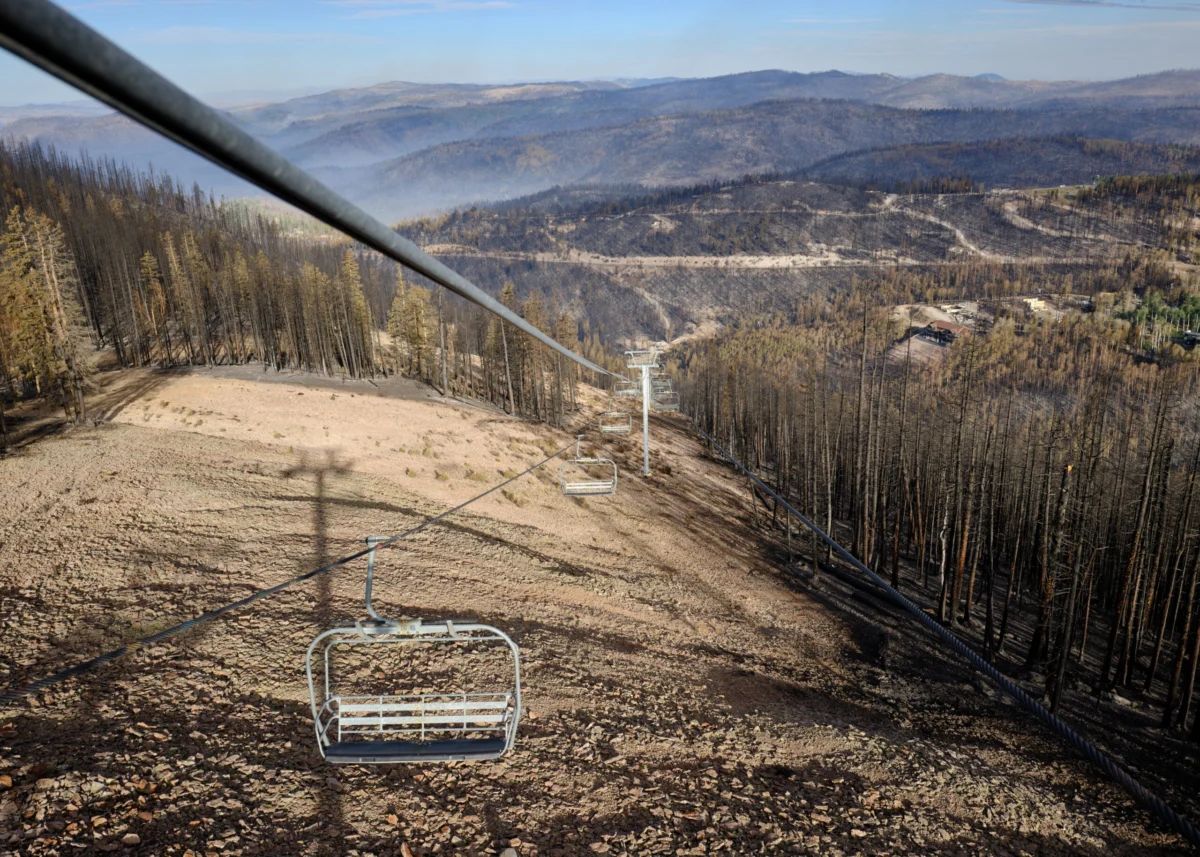
Eagle Point Resort, a prominent winter sports destination in southern Utah, announced today, August 3, 2026, that it will not open for the upcoming 2026-27 ski season. The decision comes in the wake of the catastrophic Cottonwood Fire, which raged through the region in June, inflicting extensive damage to the resort’s critical infrastructure, ski terrain, and the surrounding residential community. The wildfire, coupled with subsequent environmental challenges, has rendered a safe and operational winter season impossible, according to resort officials.
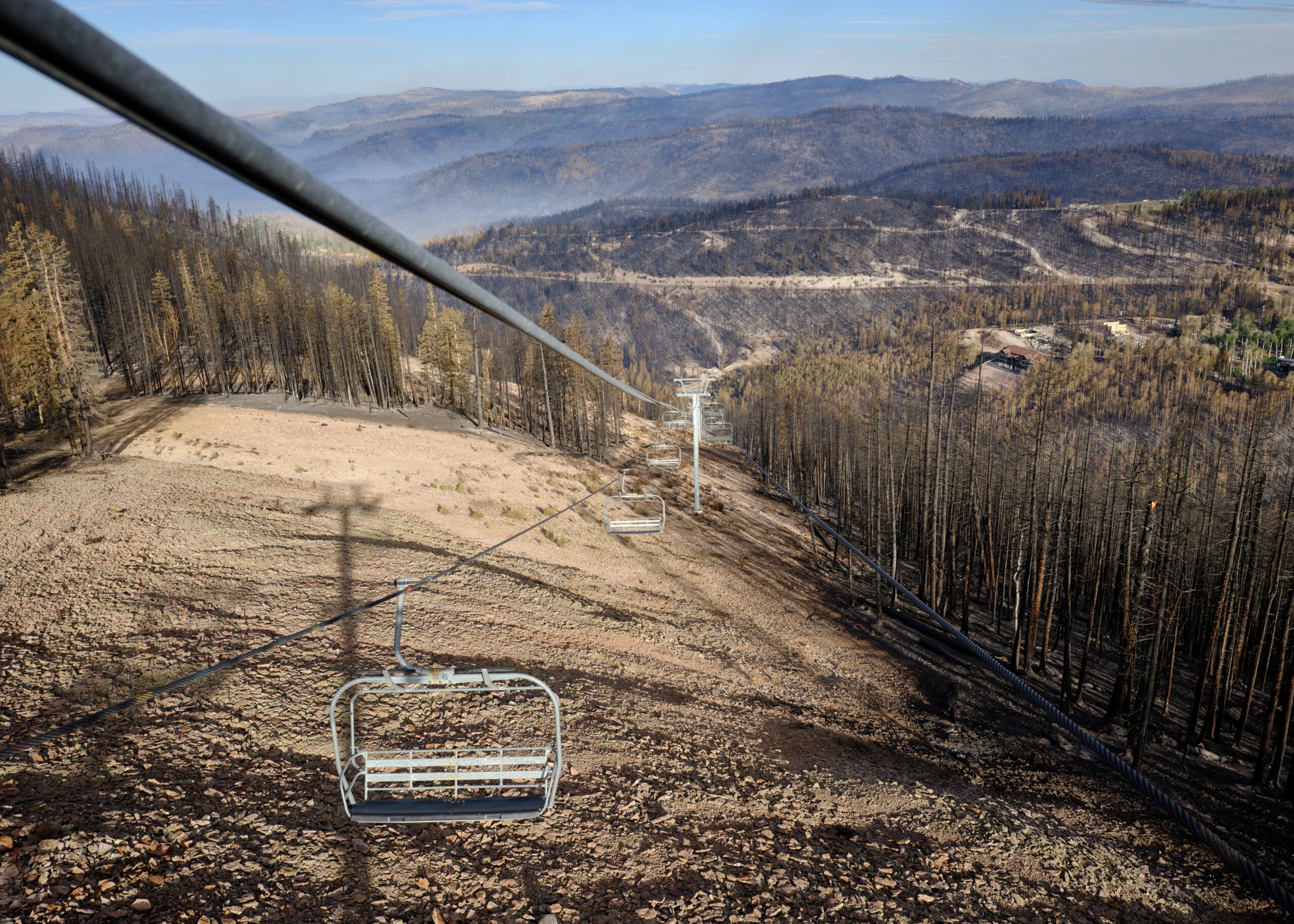
The June inferno left a trail of destruction, directly impacting approximately 300 acres of Eagle Point’s terrain. Among the most severe losses reported are two of the resort’s lodges, four out of its five essential chairlifts, and a staggering 145 homes and condominiums within the immediate Eagle Point community. This unprecedented level of damage has necessitated a complete halt to winter operations as the resort grapples with the immense task of assessment, recovery, and rebuilding.
The Catastrophic Impact of the Cottonwood Fire
The Cottonwood Fire, which ignited in early June 2026, quickly escalated, fueled by an exceptionally dry spring and persistent drought conditions that have plagued much of the Western United States for years. Originating from an as-yet-undetermined cause in the dense forests bordering Beaver County, the blaze spread with alarming speed, driven by high winds and an abundance of combustible dry vegetation. Within days, the fire had reached the upper elevations of the Tushar Mountains, directly threatening the beloved ski resort and the adjacent residential areas that form the heart of the Eagle Point community.
Emergency services, including crews from the U.S. Forest Service, Bureau of Land Management, and various local fire departments, were mobilized rapidly. However, the rugged terrain and the fire’s intensity posed significant challenges to containment efforts. Evacuation orders were issued for hundreds of residents and guests, a stark reminder of the immediate danger posed by such natural disasters. As the fire advanced, it consumed vast tracts of forest, turning pristine ski slopes and cherished community spaces into scorched landscapes.
Shane Gadbaw, owner of Eagle Point Resort, conveyed the gravity of the situation in a statement to SKI, detailing the profound challenges facing the resort. "The damage to our lifts is significant, and the full extent of that damage is still being evaluated," Gadbaw explained. "We are scheduling rope inspections, non-destructive testing, and manufacturer inspections, and we believe it is likely that portions of our lift infrastructure, including several haul ropes, will require replacement. Those components can take months to manufacture and deliver, making it impossible for us to responsibly plan for winter operations this season." This candid assessment underscores the complex logistical and engineering hurdles that must be overcome before any semblance of normal operations can resume.
A Chronology of Disaster and Determination
- Early June 2026: The Cottonwood Fire ignites in Beaver County, Utah, rapidly gaining intensity due to arid conditions and strong winds. Initial firefighting efforts begin, but the fire’s rapid spread proves challenging.
- Mid-June 2026: The wildfire encroaches upon the Tushar Mountains, directly impacting the Eagle Point Resort property and the surrounding residential developments. Evacuation orders are issued, and resort infrastructure sustains initial damage. Firefighters intensify efforts to protect key structures.
- Late June 2026: After weeks of relentless battle, the Cottonwood Fire is brought under control and eventually contained. The immediate threat subsides, allowing initial damage assessment teams to access the devastated areas. The scale of destruction to resort facilities, homes, and the natural environment becomes apparent.
- July 2026: Comprehensive damage assessments commence. Engineers and specialists begin evaluating the structural integrity of buildings and the operational viability of chairlifts. The long lead times for specialized components like haul ropes and electrical systems for lifts are identified as major obstacles.
- Late July 2026: The region experiences unseasonal heavy rains. While providing some relief from fire danger, these rains exacerbate the post-fire landscape, leading to significant flooding, mudslides, and severe erosion. Roads leading to Eagle Point Resort are damaged, further complicating access for recovery crews and hindering assessment efforts. Current access is restricted to an unpaved, difficult route.
- August 3, 2026: Eagle Point Resort formally announces the cancellation of its 2026-27 winter ski season. The decision is made public, citing the extensive damage, prolonged recovery timeline, and the need for a responsible, long-term approach to rebuilding.
- Ongoing: The establishment of BeaverTUF, a new local nonprofit, is announced, dedicated to supporting long-term recovery efforts in Beaver County. The organization immediately begins consulting forestry experts, preparing grant applications, and seeking community support for restoration and future fire prevention initiatives.
Beyond the Slopes: Broader Implications and Community Resilience
The closure of Eagle Point Resort extends far beyond the immediate disappointment for skiers and snowboarders. It represents a significant economic blow to Beaver County, a rural community heavily reliant on tourism and outdoor recreation. Eagle Point, often described as a "hidden gem" or "boutique" resort, draws visitors who contribute to local businesses, including hotels, restaurants, and retail outlets. The absence of a ski season translates directly into lost revenue, reduced employment opportunities for resort staff and ancillary businesses, and a ripple effect throughout the local economy.
The destruction of 145 homes and condominiums also highlights the profound human cost of the wildfire. These residences represent not just financial assets but homes, livelihoods, and community ties for many individuals and families. The displacement of residents adds another layer of complexity to the recovery, requiring long-term housing solutions and community support networks. Local officials, while not directly quoted in the initial announcement, are expected to be working closely with state and federal agencies to secure aid and resources for affected residents and the broader county. A spokesperson for the Beaver County Commissioner’s office, speaking anonymously due to ongoing assessments, indicated that "the county is fully committed to supporting our residents and working with partners like Eagle Point and BeaverTUF to navigate this challenging period and rebuild stronger."
Technical Challenges and Environmental Recovery
The specifics of the damage to the resort’s infrastructure are particularly daunting. Beyond the visual destruction, the intense heat generated by the wildfire can compromise the structural integrity of steel components in chairlifts, weaken concrete foundations, and incinerate complex electrical systems and control panels. Inspections for metallurgical fatigue and stress are crucial but time-consuming. The mention of replacing "several haul ropes" is especially concerning, as these specialized cables are custom-manufactured and have lead times that can span many months, often exceeding a year due to global supply chain complexities and limited manufacturers. This technical reality alone makes a swift reopening infeasible.
Furthermore, the environmental impact on the 300 acres of damaged ski terrain and the broader watershed is immense. The loss of extensive tree cover drastically increases the risk of soil erosion, particularly in a region prone to intense, short-duration rainfall events. This erosion can lead to sediment and ash runoff into waterways, impacting water quality for downstream communities and ecosystems. Forest restoration efforts will be a monumental undertaking, requiring extensive planning, specialized techniques, and many years to achieve even partial recovery. This includes assessing soil health, planting fire-resistant species, and implementing strategies to prevent future catastrophic blazes.
A Call for Community Support: The Rise of BeaverTUF
In response to the multifaceted crisis, Eagle Point Resort and local stakeholders have established BeaverTUF (Tushar Uplands Future), a new local nonprofit organization. This initiative represents a proactive step towards long-term recovery, aiming to address not only the immediate aftermath of the fire but also to build resilience against future environmental threats.
Shane Gadbaw emphasized the broader mission of BeaverTUF: "This effort is about much more than the ski experience. Healthy forests help protect our community, our water resources, our roads, our homes, and the long-term future of Beaver County." The organization’s focus extends to comprehensive forest restoration, implementing future fire prevention strategies, and mitigating the impacts of wildfires within the watershed. BeaverTUF is actively consulting forestry experts, hydrologists, and environmental scientists to develop robust, evidence-based recovery plans.
Crucially, BeaverTUF is preparing grant applications to secure larger funding opportunities from state and federal sources. Many such grants require local matching funds, making community donations vital to positioning Beaver County for success in attracting external resources. This strategic approach highlights an understanding that recovery is a collaborative, long-term endeavor requiring significant financial investment and broad participation.
Season pass holders for the 2026-27 season have been provided with options reflecting the resort’s commitment to its community and its future. They can choose a full refund, transfer their pass to the 2027-28 season, or donate some or all of the pass cost directly to BeaverTUF. This donation mechanism offers a direct way for the ski community to contribute to the recovery efforts, transforming individual disappointment into collective action for the greater good of Beaver County.
The Path Forward: Rebuilding and Resilience
The cancellation of Eagle Point’s winter season is a stark reminder of the increasing vulnerability of communities and industries to the impacts of a changing climate, particularly in fire-prone regions. The decision, while painful, underscores a commitment to safety, thoroughness, and long-term sustainability over a rushed, potentially unsafe reopening.
The road to full recovery for Eagle Point Resort and Beaver County will be arduous and protracted, likely spanning several years. It will involve not only the physical reconstruction of lodges and chairlifts but also the ecological restoration of forests, the stabilization of landscapes against erosion, and the rebuilding of homes and lives. The collaborative efforts spearheaded by BeaverTUF, supported by the resort and the wider community, will be instrumental in navigating this challenging period. The spirit of resilience, deeply ingrained in mountain communities, will undoubtedly be a driving force as Eagle Point Resort looks towards a future where its slopes can once again welcome skiers and its community can thrive amidst a restored natural environment. For those wishing to support these critical efforts, more information about recovery projects and donation opportunities can be found at www.BeaverTUF.org.
