

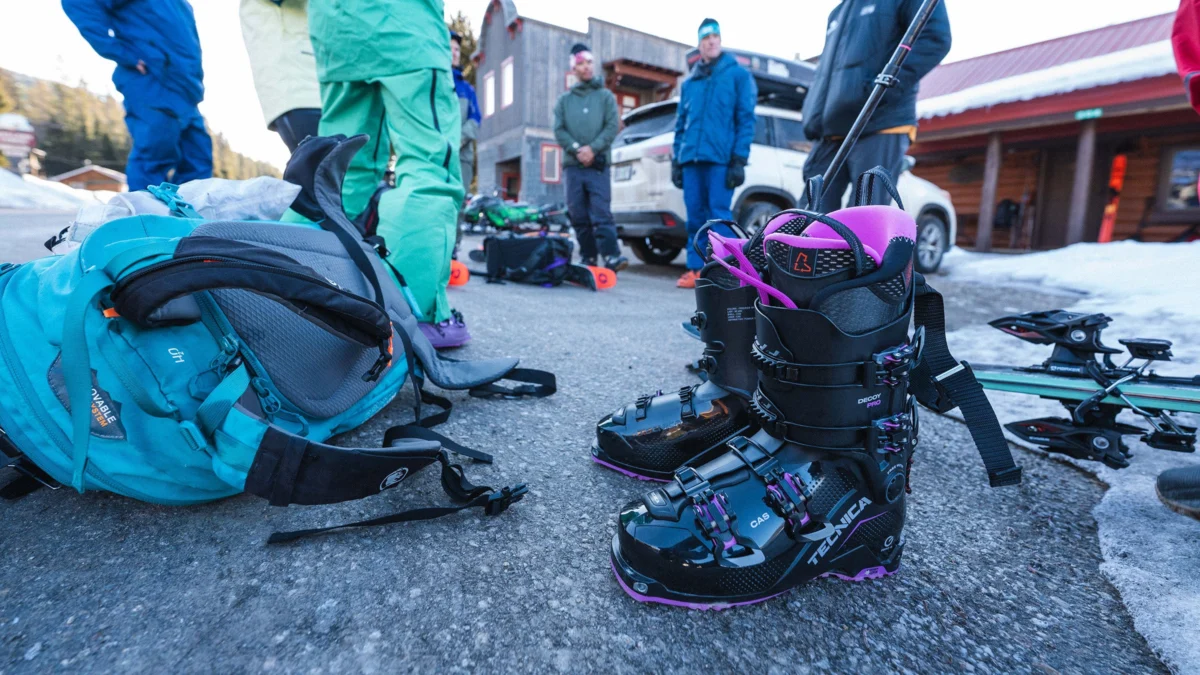
The global ski industry is currently navigating a significant technological divergence in backcountry equipment, characterized by a bimodal distribution of product development that prioritizes ultralight performance and heavy-duty crossover capabilities at the expense of the traditional midweight touring boot. For over a decade, the midweight category—defined by a three-buckle architecture and a weight range of 1,300 to 1,500 grams—has served as the versatile "workhorse" for the majority of backcountry enthusiasts. However, recent market trends and research and development (R&D) cycles indicate a "missing middle" phenomenon, where the boots most capable of piloting a wide variety of skis are being neglected in favor of niche extremes.
The Bimodal Distribution of Modern Boot Design
The current landscape of alpine touring (AT) boots can be divided into three distinct segments, yet the investment of capital and engineering is increasingly concentrated at the polar ends of the spectrum.
The first segment is the lightweight category. These boots, such as the La Sportiva Kilo, typically weigh less than 1,200 grams and utilize two-buckle systems. They are designed for maximum efficiency during ascent, offering a high range of motion (ROM) often exceeding 70 degrees. While they excel in fitness-oriented skinning and long-distance traverses, they frequently lack the progressive flex and damping required to control wider skis in variable or "mashed potato" snow conditions.
At the opposite end are the "crossover" or hybrid boots. This category has seen the most aggressive growth in recent years, exemplified by models like the Dynafit Tigard and the Scarpa 4-Quattro XT. These boots aim to capture the massive "50/50" market—skiers who spend half their time in the resort and half in the backcountry. Weighing upwards of 1,500 grams and featuring four-buckle designs with GripWalk-compatible soles, these boots offer alpine-like downhill performance but can feel cumbersome and overly stiff when paired with lightweight touring skis.
Between these two lies the midweight category. Historically, these boots have provided the "Goldilocks" solution: enough heft and structural integrity to drive a 105mm-waisted ski through crust, yet light enough for 4,000-foot vertical days. Despite this utility, industry observers note that the midweight class has stagnated, with many flagship models receiving only cosmetic updates while their lightweight and crossover cousins benefit from revolutionary materials and mechanical improvements.
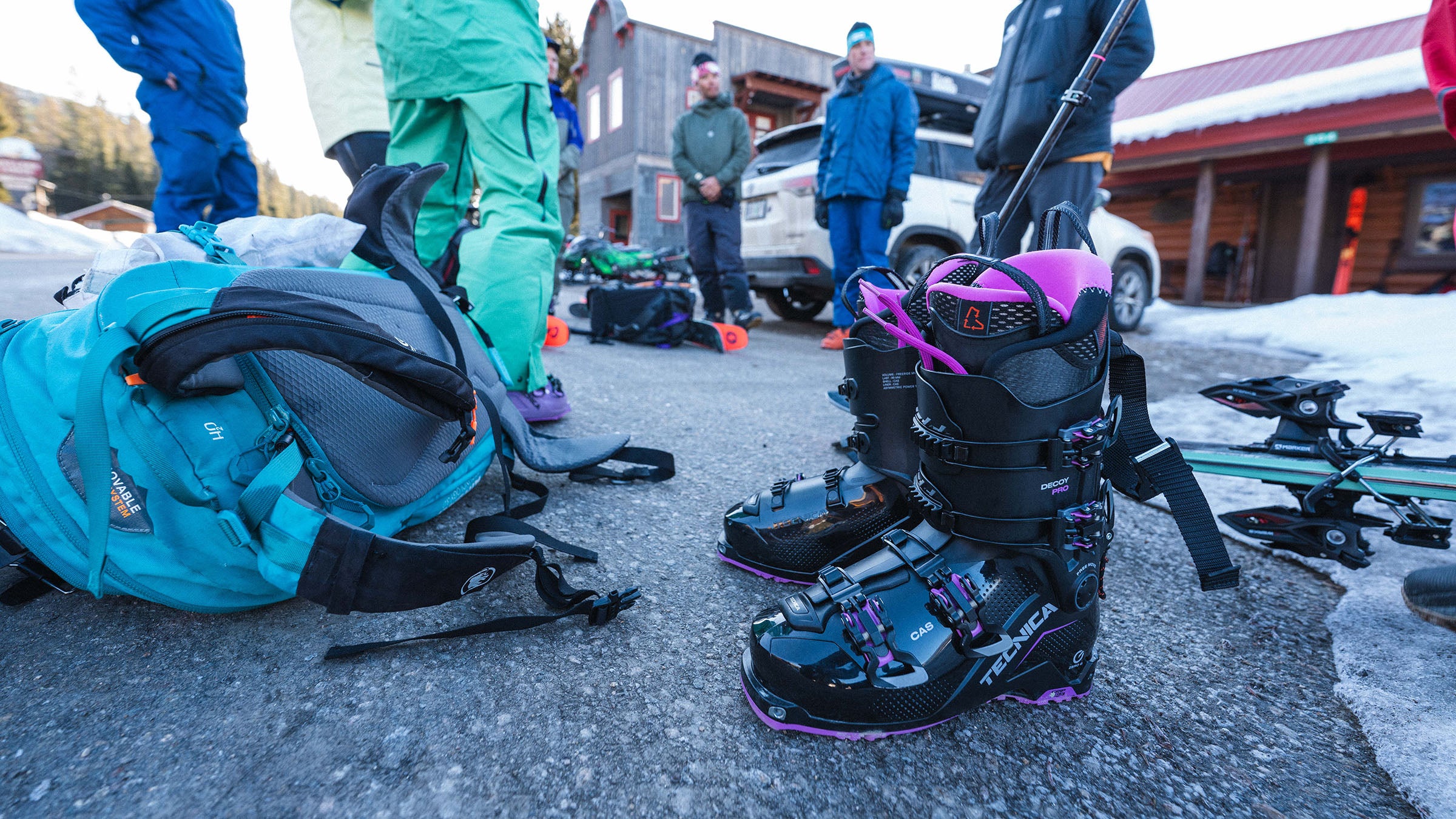
A Chronology of Backcountry Boot Evolution
To understand the current stagnation, it is necessary to examine the timeline of AT boot development over the last fifteen years:
- 2010–2014: The Era of the Generalist. This period saw the rise of the original Scarpa Maestrale and the Dynafit Vulcan. These boots proved that a single piece of footwear could handle both steep technical descents and long approaches. They became the benchmark for the "one-boot quiver."
- 2015–2019: The Lightweight Revolution. Driven by the growing popularity of Skimo (ski mountaineering) racing and "uphilling" at resorts, manufacturers pivoted toward weight reduction. The introduction of Grilamid plastics and carbon-fiber-infused shells allowed boots to drop below the 1,000-gram mark, shifting the focus of R&D toward uphill speed.
- 2020–Present: The Crossover Boom. As more resort skiers ventured out-of-bounds during the COVID-19 pandemic, demand spiked for boots that could perform in a traditional alpine binding while remaining "tech-compatible" for touring. This led to the current "crossover" craze, where the 1,500-gram, four-buckle boot became the primary focus for major brands like Salomon, Atomic, and Tecnica.
Technical Data and the Performance Gap
The shift away from midweight boots is not merely a matter of marketing; it has tangible effects on skier performance and equipment compatibility. Technical analysis of boot-to-ski ratios suggests that the "missing middle" creates a functional mismatch for many users.
| Category | Weight (Per Boot) | Buckle Count | Best Suited For | Limitation |
|---|---|---|---|---|
| Lightweight | < 1,200g | 2 | Long traverses, Skimo | Lacks suspension in poor snow |
| Midweight | 1,300g – 1,500g | 3 | All-around backcountry | Stagnant R&D, aging designs |
| Crossover | 1,500g+ | 4 | Resort & Short Tours | Overpowers lightweight skis |
Data from retail sectors indicates that while backcountry skis follow a standard bell curve—with the majority of sales falling in the 95mm to 105mm waist width and 1,300g to 1,500g weight range—the boots available to pilot them do not. This creates a scenario where a skier may have a perfectly balanced "middle-of-the-road" ski but must choose between a boot that is too flimsy or a boot that is unnecessarily heavy and stiff.
The Economics of R&D: Why the Middle is Squeezed
Industry analysts point to several economic factors driving this trend. First, the "resort-hybrid" buyer represents a much larger demographic than the dedicated backcountry enthusiast. By focusing on crossover boots, manufacturers can sell to a broader audience that includes both occasional tourers and dedicated resort skiers who want a "walk mode" for the parking lot or the lodge.
Second, the lightweight segment serves as a "halo" category for brands. Much like Formula 1 racing influences consumer car design, ultralight Skimo boots allow brands to showcase their most advanced carbon-fiber engineering and weight-saving technologies.
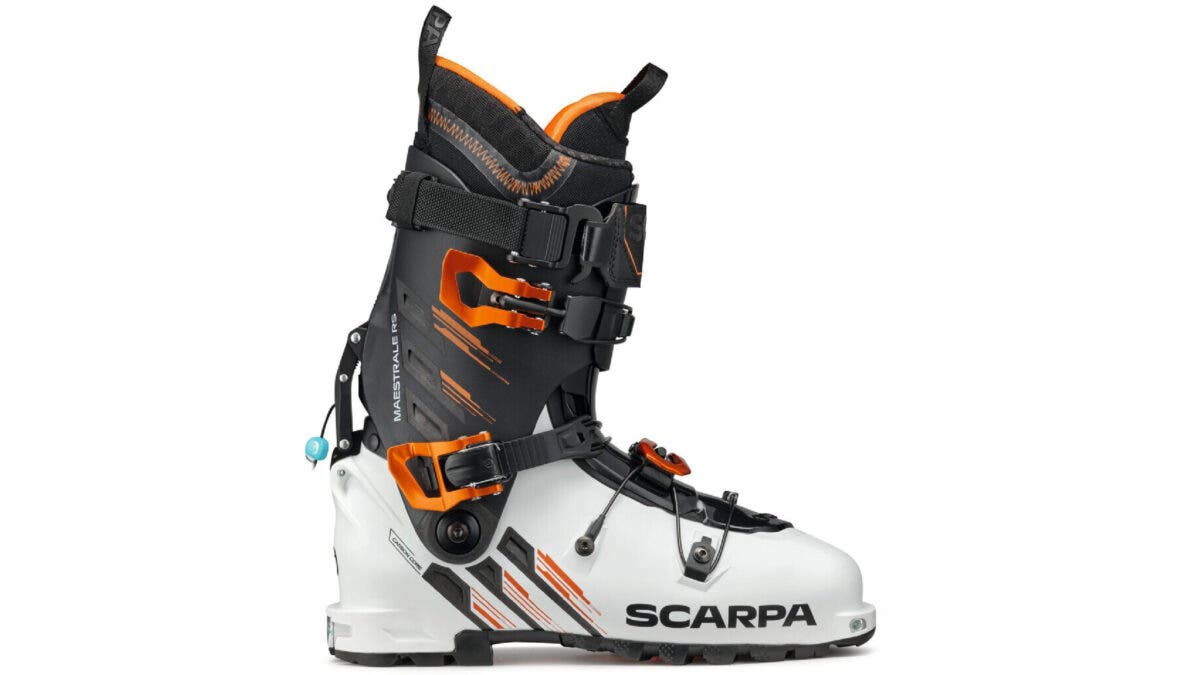
The midweight category, by contrast, is often viewed as a "solved problem." The Scarpa Maestrale, for instance, has remained the archetype of this category for sixteen years. While it has seen incremental updates, the fundamental design remains largely unchanged. This has led to a lack of competitive pressure to innovate within the 1,400-gram space, as brands assume core users will either "move up" to a beefier crossover boot or "move down" to a lighter fast-and-light setup.
Industry Implications and the "Quiver" Problem
The stagnation of the midweight boot has forced many skiers into a "two-boot quiver" lifestyle. For the consumer, this means a significant increase in financial investment. Rather than purchasing one high-quality $800 boot that performs adequately across all conditions, skiers are encouraged to buy a $900 lightweight boot for spring missions and a $900 crossover boot for mid-winter powder days.
Furthermore, some iconic midweight models are being redesigned to fit into the crossover category. The upcoming iterations of the Maestrale RS, for example, are reportedly trending toward a four-buckle design with increased weight, effectively vacating the three-buckle midweight space it once defined. This "feature creep" leaves a void for skiers who prioritize a minimalist three-buckle design that offers a progressive flex without the bulk of a fourth buckle.
Expert Analysis: The Case for a Breakthrough
The next logical breakthrough in ski touring technology lies not in making boots lighter or stiffer, but in making the midweight category smarter. Experts suggest that the "ideal" modern touring boot would utilize the lessons learned from the extremes: the friction-free walk mechanisms of lightweight boots and the high-performance plastics of crossover boots, packaged in a 1,350-gram, three-buckle chassis.
Such a boot would require:
- A Range of Motion (ROM) exceeding 65 degrees: Utilizing the frictionless pivots now common in sub-1,100-gram boots.
- Advanced Damping: Using materials like Pebax Rnew or specialized liners to reduce the "chatter" often felt in lightweight Grilamid shells.
- Minimal Fiddle Factor: Streamlined transitions between walk and ski modes that do not require removing gloves or adjusting multiple power straps.
Conclusion
As the 2025 and 2026 seasons approach, the ski industry stands at a crossroads. While the innovation in ultralight and crossover equipment is impressive, the "missing middle" remains a glaring oversight for the core backcountry community. The midweight boot is the unsung hero of the skin track, capable of handling everything from high-alpine couloirs to meadow skipping. Until manufacturers re-prioritize R&D for this versatile segment, many dedicated skiers will continue to rely on aging gear, waiting for a breakthrough that prioritizes functional balance over marketing extremes. The demand for a state-of-the-art, 1,400-gram workhorse is evident; whether the industry will respond to this "missing middle" remains to be seen.
