

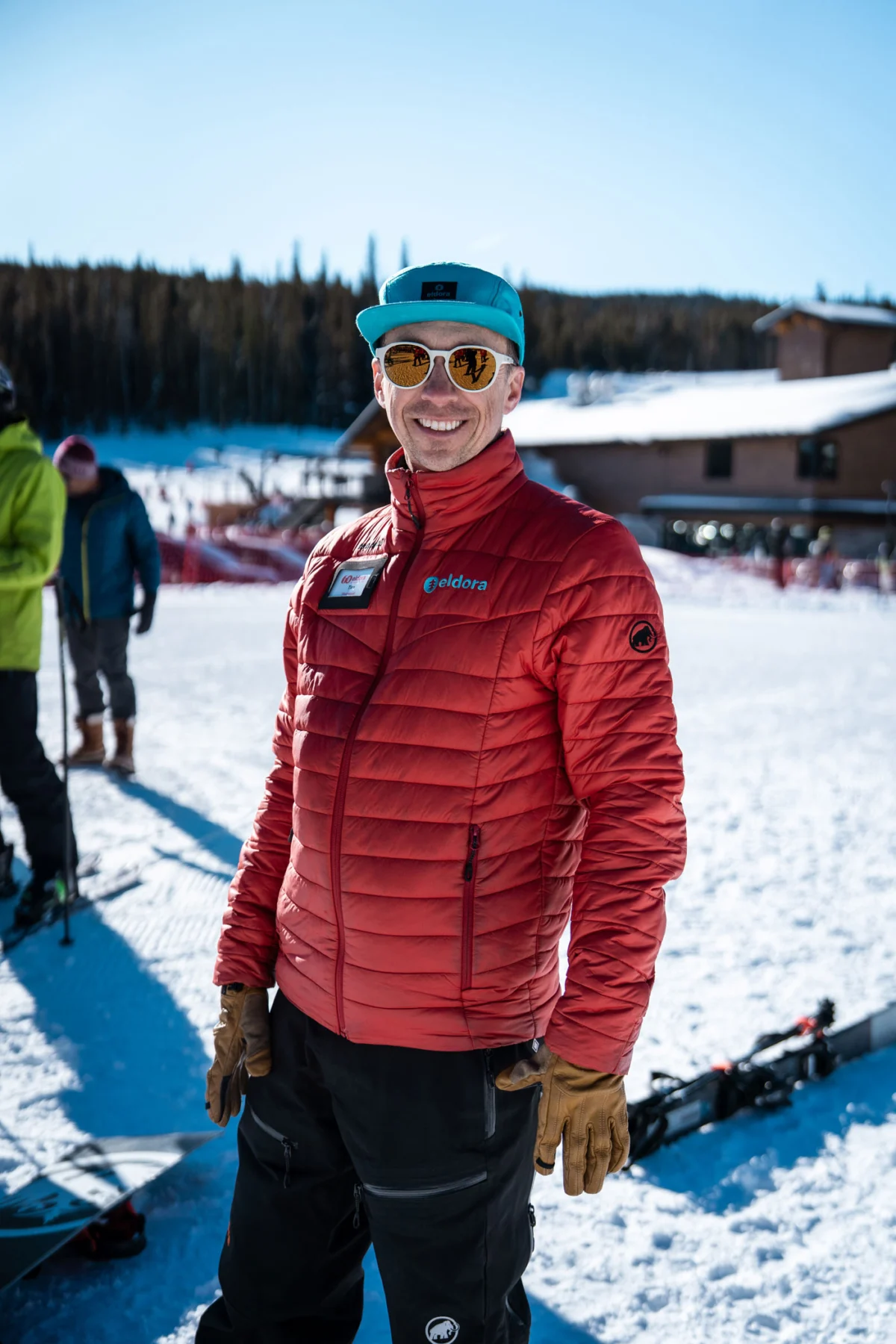
At the heart of Colorado’s vibrant Front Range, Eldora Mountain, a pivotal destination in Boulder County, is undergoing a transformation under the astute leadership of Tim Kenney, its Ski and Ride School Director. Appointed to this influential role in January 2023, Kenney has embarked on a mission to redefine the ski school experience, drawing inspiration from an unlikely yet profoundly resonant source: the cherished memories of summer camp. This unique philosophy, detailed in the Winter 2026 Issue of 32 Degrees, aims to forge a community characterized by diversity, camaraderie, and a shared passion for the outdoors, mirroring the halcyon days of youth where bonds were formed irrespective of background.
Kenney’s vision for Eldora’s ski and ride school is rooted in the unifying power of shared experience. He observes that much like summer campers who arrive from myriad backgrounds and diverse states, forming special bonds despite seldom seeing each other outside the camp season, his instructors at Eldora embody a similar spirit. This diverse collective, comprising individuals ranging from highly skilled aerospace engineers seeking a seasonal passion to recent college graduates embarking on their careers, converges on the slopes of Eldora. Their shared love for snowsports and dedication to teaching unites them, fostering a unique professional camaraderie that Kenney actively cultivates. Despite the inherent challenges of managing a dynamic, seasonal workforce, Kenney is committed to nurturing an environment where instructors support each other through both triumphs and tribulations, transforming the professional setting into a close-knit community. This approach is not merely idealistic; it is a strategic framework designed to enhance team cohesion, instructor retention, and ultimately, the quality of instruction and guest experience at Eldora Mountain.
The Ascent to Leadership: Tim Kenney’s Professional Journey
Tim Kenney’s journey to becoming a director at a prominent Colorado ski resort is a testament to dedicated service, continuous learning, and a deep-seated commitment to the snowsports industry. His career trajectory provides a comprehensive blueprint for leadership development within the Professional Ski Instructors of America and American Association of Snowboard Instructors (PSIA-AASI) ecosystem. Kenney’s involvement with the organization began at a foundational level, highlighting the pathways available for passionate individuals to ascend within the industry.
His professional narrative truly began taking shape when he was first hired in 2001, a crucial early experience that would lay the groundwork for his future leadership roles. This initial immersion in the operational aspects of a ski school provided him with invaluable boots-on-the-ground experience, shaping his understanding of instructor needs and guest expectations.
A pivotal turning point occurred in 2012 when Kenney joined the Rocky Mountain Region office of PSIA-AASI. Starting as a membership coordinator, he was immediately immersed in understanding the diverse concerns and needs of the organization’s vast membership base. This role required a keen sense of listening and problem-solving, skills that would prove indispensable in his later leadership positions. His success in this capacity led to his promotion to education manager, a role that significantly expanded his influence and responsibilities. As education manager, Kenney was tasked with bridging the gap between individual members and the broader directives of school directors, often navigating complex logistical and pedagogical challenges. This experience provided him with a holistic view of the industry, from the individual instructor’s perspective to the strategic planning required at the directorial level.
Foundational Principles: Mentorship and Transformative Training
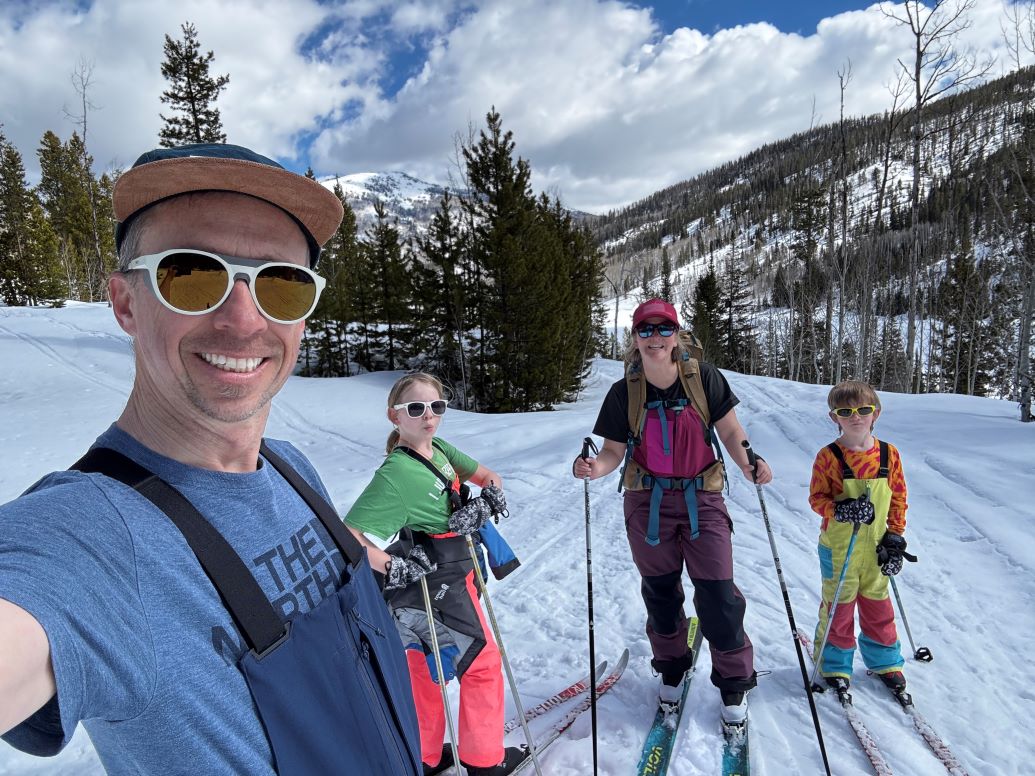
Kenney’s tenure at the Rocky Mountain Region office was characterized by an intense focus on leadership development, much of which was guided by the astute mentorship of Education Director Dave Gregory. Under Gregory’s tutelage, Kenney engaged deeply with several transformative training programs designed to cultivate robust leadership capabilities. Among these, the extreme ownership training stood out as particularly influential. This 10-point system, popularized by former Navy SEALs Jocko Willink and Leif Babin, emphasizes that true leaders take full responsibility for every outcome within their team, organization, or personal life. It champions actionable strategies to improve performance and solve problems decisively. For Kenney, this philosophy translated into a proactive approach to management, fostering an environment where accountability is paramount, and challenges are met with innovative, solution-oriented thinking rather than blame. Applying these tenets to a ski school means ensuring every aspect, from instructor training and safety protocols to guest satisfaction and operational efficiency, falls under the director’s purview for ultimate responsibility.
Another cornerstone of Kenney’s leadership development was Rudy Miick’s conscious communication program. This training proved instrumental in refining his ability to communicate effectively with both the extensive PSIA-AASI membership and his supervisors. Conscious communication techniques enable leaders to strip away extraneous layers from complex issues, allowing them to pinpoint the core problems that require resolution. This skill is critical in a fast-paced environment like a ski resort, where clarity, brevity, and empathy in communication can significantly impact team morale and operational flow. Kenney credits this training with helping him navigate intricate interpersonal dynamics and fostering more productive dialogues, a skill he now applies daily with his Eldora team.
The collaborative spirit fostered by the Rocky Mountain Region office was further amplified by the leadership of CEO Dana Forbes. Forbes, alongside Gregory, was a strong proponent of annual initiatives such as the Member School Management (MSM) event and the Directors’ Conference. These gatherings served as vital platforms for the region’s trainers and managers to convene, discuss, and align on new processes, procedures, and industry standards. Topics ranged from pressing operational concerns like volume management, staffing challenges, and housing solutions for seasonal employees, to the crucial ongoing relationship between PSIA-AASI and the various ski schools. Kenney’s involvement in these conferences provided him with unparalleled insight into the collective challenges and innovative solutions being developed across the industry, broadening his strategic perspective.
Beyond structured training, Kenney also benefited immensely from the wisdom and example of several influential mentors at the resort level. He specifically credits Nelson Wingard, now Vice President of Steamboat’s SnowSports School, as an inspirational figure whose leadership and innovative changes at Steamboat have set a benchmark for excellence. Similarly, Dina Castor, who now leads the Steamboat school and notably hired Kenney in 2001, provided foundational guidance during his formative years in the industry. These long-standing relationships underscore the importance of sustained mentorship in career development. Furthermore, the practical, "boots-on-the-ground" insights of National Team alumnus Scott Anfang have remained a valuable resource for Kenney, offering a grounded perspective on real-life challenges in snowsports instruction. These diverse influences have collectively shaped Kenney into a well-rounded leader, equipped with both theoretical knowledge and practical wisdom.
Eldora’s Ethos: Implementing Empathy and Professionalism
Upon assuming the directorship at Eldora in January 2023, Tim Kenney was exceptionally prepared to integrate his extensive learning and experience into a coherent leadership philosophy. Central to his approach is the "trust triangle," a model he found resonated deeply with his innate leadership style. This theory posits that trust is built upon three pillars: authenticity, logic, and empathy. While Kenney humbly noted that he had perhaps been applying these principles intuitively, formalizing them through this model provided a clear framework for interaction. He actively employs this model with his supervisors and managers, placing particular emphasis on the empathy aspect, which he believes is often overlooked but profoundly impactful.
Kenney illustrates the power of empathy with a common scenario: an instructor, under the heightened stress of a busy Saturday lineup, brings forward a seemingly minor issue. While a supervisor’s immediate inclination might be to dismiss it as insignificant in the moment, Kenney advocates for a more empathetic response. He emphasizes that it is not for leaders to judge the magnitude of an individual’s concern. Instead, the focus should be on acknowledging the instructor’s feelings and then, with logical clarity, guiding them back to the immediate priorities of the day, ensuring this is done without harshness or heavy-handedness. This "carrot, not stick" approach to leadership, as Kenney describes it, fosters a supportive environment where staff feel heard and valued, ultimately contributing to higher morale and better performance. This commitment to empathy extends beyond his internal team to Eldora’s guests, recognizing that everyone may be navigating unseen challenges.
Complementing this empathetic leadership, Kenney has championed the "on-stage mentality," a concept popularized by motivational speaker Dan Thurmon. This philosophy is deeply ingrained in Eldora’s culture and is a key teaching point passed down from supervisors to instructors. It highlights that every individual representing Eldora is constantly "on stage," whether in uniform or not. This means their actions and interactions—at the coffee shop, on the shuttle bus, or simply arriving at work—are observed and judged by guests, who then project those impressions onto the Eldora brand as a whole. This emphasis on constant professionalism and brand representation ensures that every touchpoint a guest has with an Eldora employee reflects positively on the resort, contributing to a consistently high-quality guest experience. This is crucial in a competitive industry where reputation and customer satisfaction are paramount.
Building a Diverse and United Team
The diversity of Eldora’s instructor pool—ranging from highly specialized professionals like aerospace engineers to individuals just starting their careers—is a unique asset that Kenney actively leverages. This blend of perspectives and life experiences enriches the learning environment for both instructors and guests. However, managing such a diverse group also presents specific challenges, from varying communication styles to different professional expectations. Kenney’s leadership philosophies, particularly conscious communication and empathy, are instrumental in harmonizing these varied backgrounds into a cohesive unit. By fostering an environment where individual differences are respected and valued, he reinforces the "summer camp" ethos, creating a space where everyone, regardless of their outside profession, feels part of a unified team. This inclusive approach is critical for employee retention in a seasonal industry often plagued by high turnover rates. A supportive and understanding leadership can significantly contribute to instructors feeling connected and committed to their roles, even when faced with the inherent difficulties of seasonal work, such as housing or variable work hours.
Strategic Leadership in the Modern Snowsports Landscape
Kenney’s leadership transcends the immediate operations of the ski school; it positions Eldora Mountain strategically within the broader snowsports landscape. The issues tackled during PSIA-AASI’s Member School Management events and Directors’ Conferences—such as managing guest volume, ensuring adequate staffing, and addressing employee housing—are universal challenges facing ski resorts today. By actively participating in and applying the insights from these industry-wide discussions, Kenney ensures Eldora remains at the forefront of operational best practices.
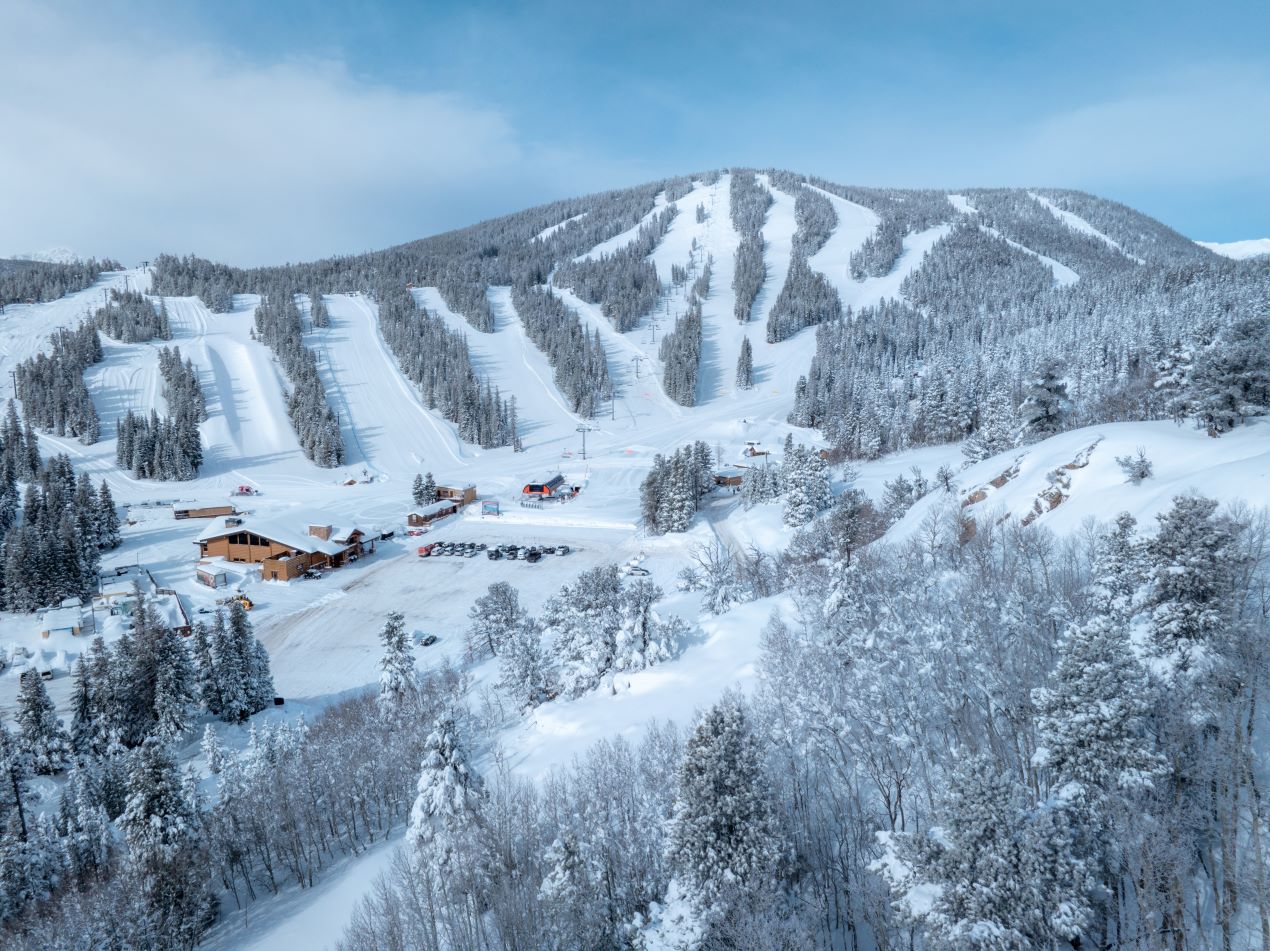
In an era where the demand for quality snowsports instruction continues to grow, professional ski and ride schools play a critical role not only in teaching skills but also in promoting safety and enhancing the overall guest experience. A well-managed school, guided by strong leadership, directly contributes to a resort’s reputation and financial health. Eldora, with its proximity to a major metropolitan area, serves a crucial function in introducing new participants to snowsports and nurturing lifelong enthusiasts. Kenney’s commitment to leadership development and a positive, empathetic culture directly impacts Eldora’s capacity to deliver exceptional service, which, in turn, strengthens the resort’s appeal and economic viability. His focus on professionalism through the "on-stage mentality" ensures that every guest interaction, from the moment they arrive to the time they depart, is a positive reflection of the Eldora brand, fostering loyalty and repeat visits.
A Model for the Future: Kenney’s Legacy at Eldora and Beyond
Tim Kenney’s approach at Eldora Mountain serves as a compelling model for leadership within the snowsports industry and beyond. His ability to synthesize diverse leadership theories—from the rigorous accountability of Extreme Ownership to the profound humanity of the Trust Triangle and conscious communication—into a cohesive, actionable philosophy demonstrates a sophisticated understanding of organizational dynamics. By consciously cultivating a "summer camp" culture, he is not just managing a ski school; he is building a community where professionals feel valued, supported, and connected.
The implications of Kenney’s leadership extend far beyond Eldora’s slopes. His emphasis on empathy and responsible communication offers a blueprint for enhancing employee engagement and retention, critical factors in any industry, especially those reliant on seasonal workforces. For guests, this translates into a superior learning experience delivered by a motivated, unified, and professional team. As the snowsports industry continues to evolve, leaders like Tim Kenney, who prioritize both operational excellence and human connection, will be instrumental in shaping its future success. His vision at Eldora Mountain is a testament to the power of empathetic, responsible leadership in creating not just a successful organization, but a thriving, inclusive community.
