

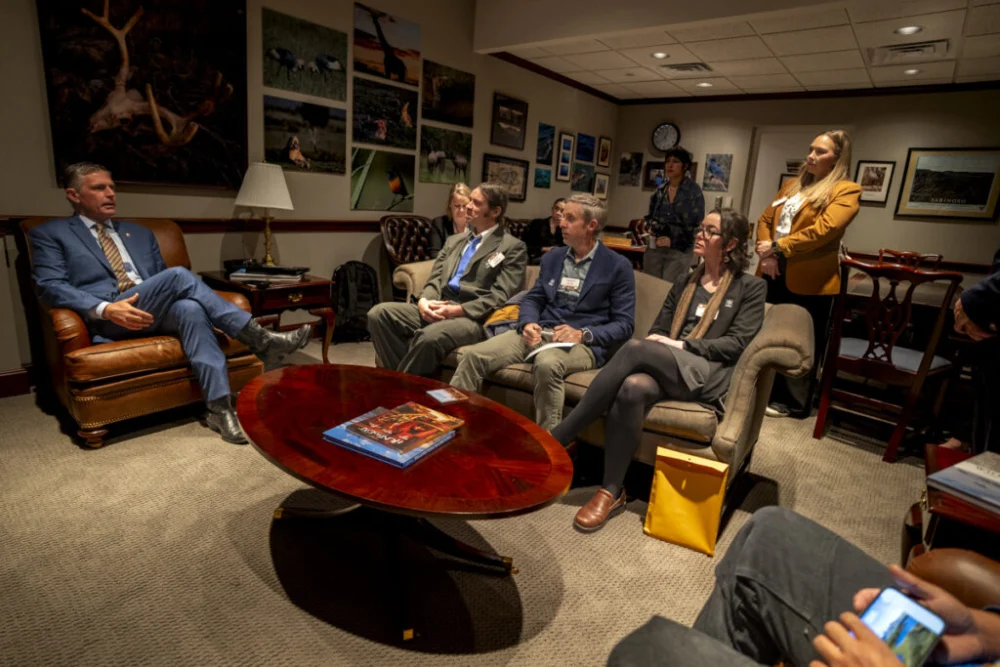
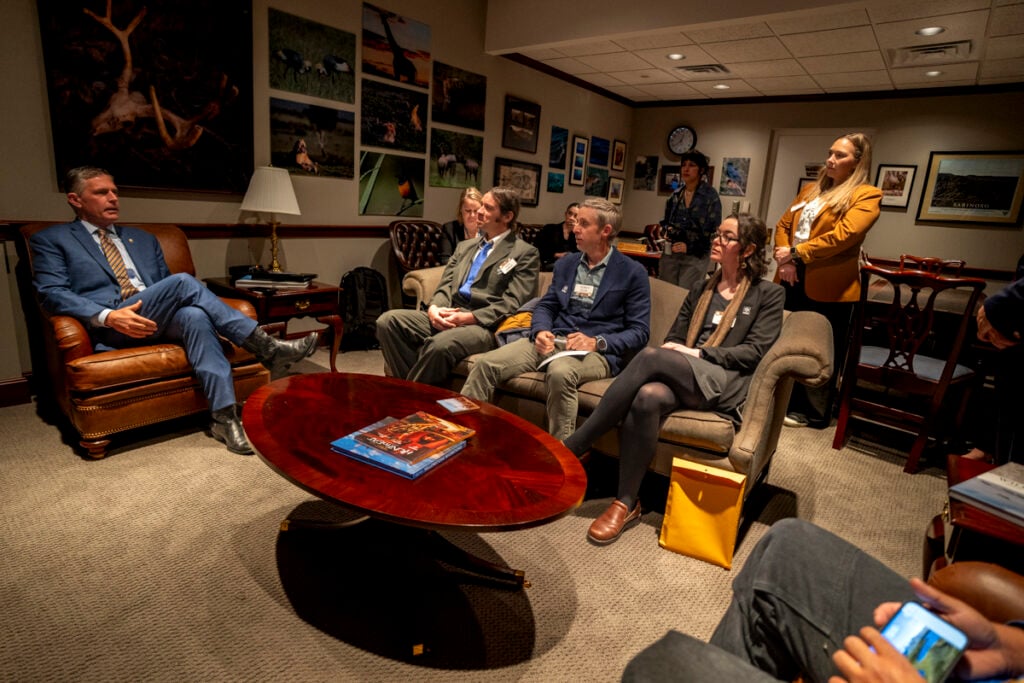
In a direct challenge to the federal government’s renewed push for energy extraction in the far north, a high-profile coalition of environmental advocates, professional athletes, and Indigenous leaders arrived at the United States Capitol last week to hand-deliver a 74-page petition. Representing over 6,000 constituents from what advocates call the "Outdoor State," the delegation from Protect Our Winters (POW) and the Alaskan Wilderness League (AWL) presented lawmakers with a formal demand for permanent protections of the Arctic National Wildlife Refuge (ANWR) and the National Petroleum Reserve in Alaska (NPRA). The timing of the "fly-in" event was critical, occurring just days before the Trump administration finalized legislation aimed at streamlining oil and gas leasing in some of the nation’s most sensitive ecological regions.
The two-day strategic mobilization brought together a diverse group of stakeholders, including climate scientists, filmmakers, and Alaskans with direct ties to the affected landscapes. Their objective was twofold: to provide a visible counter-narrative to the industrial development of the Arctic and to advocate for the Energizing Our Communities Act (EOCA), a legislative proposal designed to facilitate clean energy infrastructure through community-led solutions. By blending scientific data with personal narratives of lived experience, the coalition sought to influence the debate over the Arctic’s future as a matter of national heritage and economic stability rather than just a regional resource issue.
Legislative Background and the Arctic Drilling Mandate
The conflict over the Arctic National Wildlife Refuge has been a central fixture of American energy policy for decades. The current tension traces back significantly to the Tax Cuts and Jobs Act of 2017, which included a provision requiring the Department of the Interior to conduct two lease sales in the Arctic Refuge by late 2024. While the previous administration had paused these activities citing environmental concerns and legal deficiencies, the current administration moved aggressively to reinstate and accelerate the process.
Last Friday, the administration signed a series of bills specifically designed to ease the regulatory path for both drilling and mining in Arctic Alaska. These measures are intended to reduce "permitting friction" and provide greater certainty to energy corporations looking to invest in the region. Critics, however, argue that these moves ignore the shifting realities of global energy markets and the catastrophic potential for habitat destruction in a region that is warming nearly four times faster than the global average.
The 74-page petition delivered by POW and AWL serves as a formal record of public opposition. By placing these documents directly on the desks of lawmakers, the coalition intended to demonstrate that the "Outdoor State"—a demographic representing the millions of Americans who participate in outdoor recreation—views the protection of public lands as a non-negotiable priority.
The Strategic Fly-In: A Multi-Disciplinary Approach
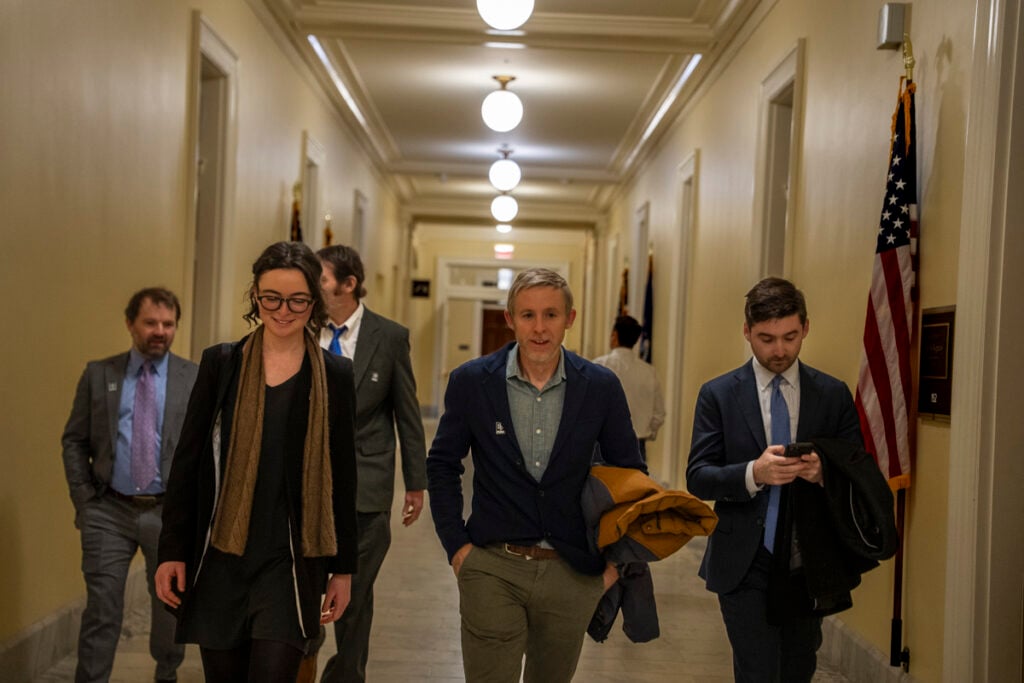
The coalition’s presence in Washington D.C. was characterized by a "fly-in" strategy, a method of advocacy where constituents and experts travel to the capital to meet directly with representatives and their staff. This specific effort was a collaborative venture between Protect Our Winters, the Alaskan Wilderness League, and the League of Conservation Voters (LCV).
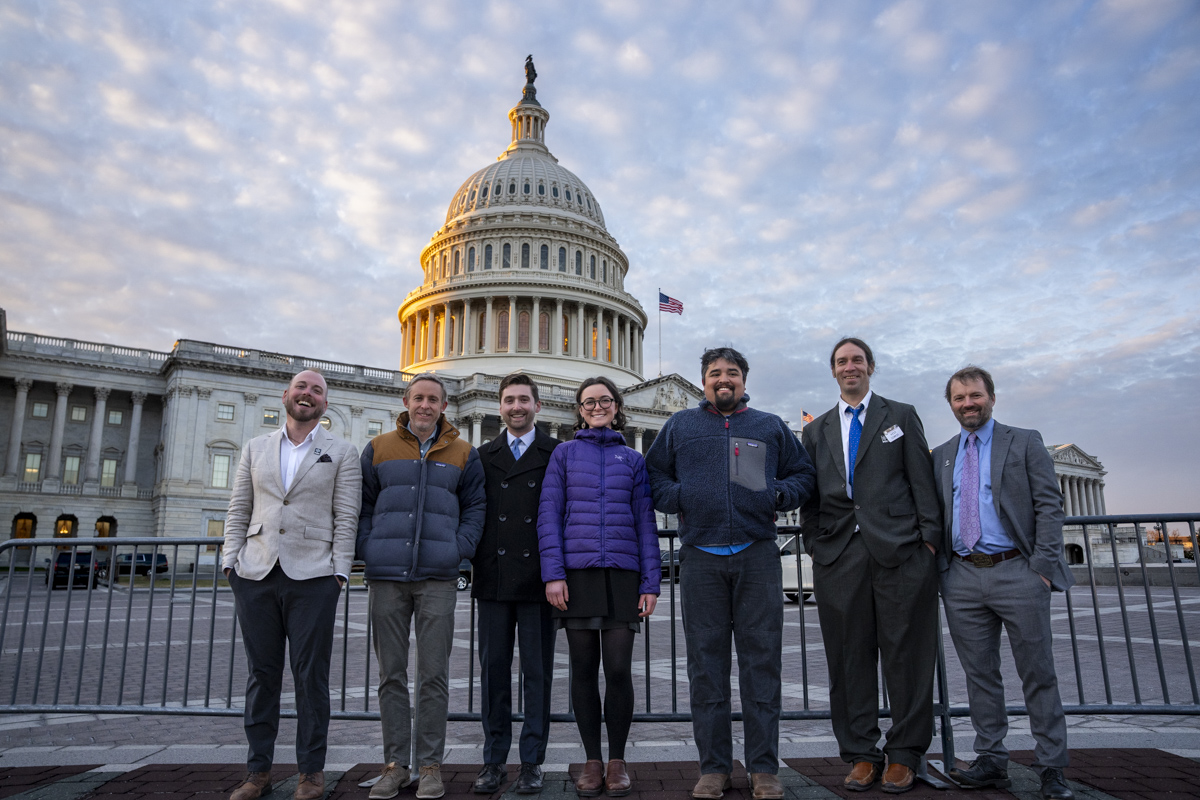
The delegation was intentionally diverse to ensure their message resonated across different ideological perspectives. It included POW Climb Alliance member Tommy Caldwell, a world-renowned professional climber, alongside Creative Alliance members like photographer Ming T. Poon and advocate Brennan Lagasse. These individuals were joined by Indigenous voices and Alaskans who offered a perspective on the cultural and spiritual significance of the land, particularly regarding the Porcupine Caribou Herd, which serves as a primary food source and cultural pillar for the Gwich’in people.
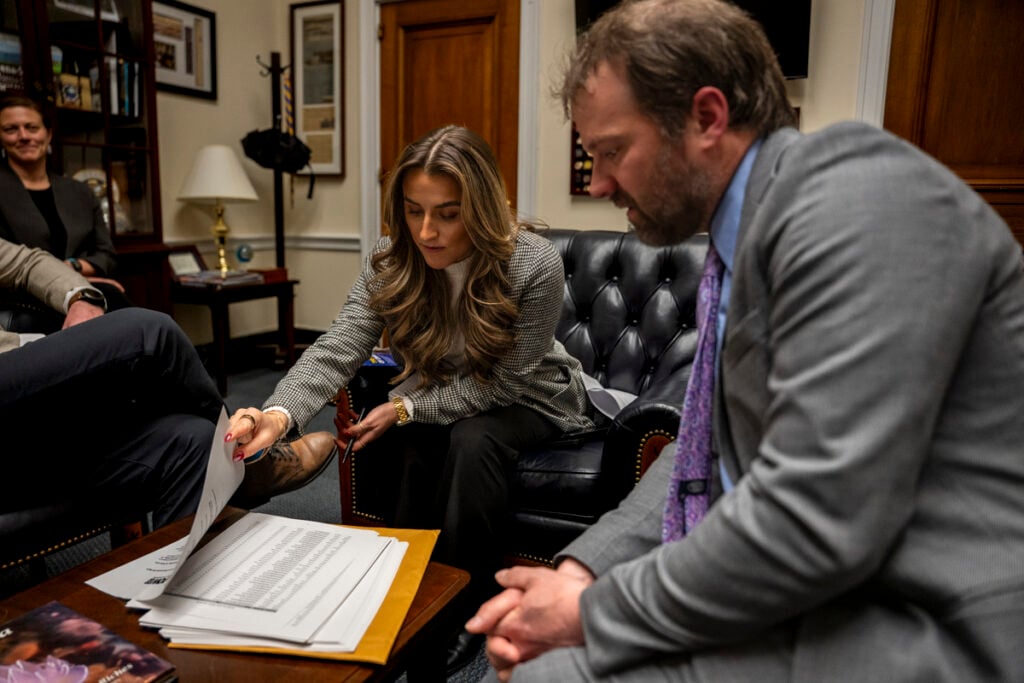
During the two-day period, the group held dozens of meetings with key Senate and House offices. The discussions focused on the financial risks associated with Arctic drilling, which many analysts now consider a high-risk, low-reward venture. With many major global banks—including Goldman Sachs, JPMorgan Chase, and Wells Fargo—having previously announced policies to stop financing new oil and gas projects in the Arctic, the coalition argued that federal efforts to force drilling are out of step with the private sector’s assessment of long-term economic viability.
Economic and Environmental Data: The Case Against Extraction
The coalition’s arguments were supported by data highlighting the ecological and fiscal risks of opening the NPRA and ANWR to intensive industry. The Arctic Refuge alone encompasses roughly 19 million acres, providing critical denning habitat for polar bears and nesting grounds for hundreds of species of migratory birds. From a climate perspective, the region’s permafrost acts as a massive carbon sink; disturbing these landscapes not only halts carbon sequestration but risks releasing vast amounts of methane and carbon dioxide into the atmosphere, further accelerating global warming.
Fiscally, the argument for Arctic drilling has faced increasing scrutiny. While proponents point to potential revenue and job creation, the coalition presented evidence that the cost of infrastructure in the remote, harsh environment often outweighs the returns, especially as the world transitions toward renewable energy sources. The petition emphasized that "drilling is environmentally reckless, fiscally risky, and out of step with today’s energy markets."
In response to the push for fossil fuel expansion, the coalition pivoted toward the Energizing Our Communities Act (EOCA). This bipartisan-leaning policy focuses on the practicalities of the energy transition, specifically how to support local communities as they host new clean energy projects and transmission lines. By advocating for the EOCA, the group presented a "complementary path forward"—one that recognizes the need for energy security and economic development without compromising the integrity of pristine wilderness areas.
Perspectives from the Field: Lived Experience as Policy Catalyst
One of the unique aspects of the POW-led advocacy is the use of professional athletes and creators to bridge the gap between abstract policy and tangible reality. Tommy Caldwell, a prominent voice in the climbing community, noted during the trip that policy remains the most effective tool for large-scale environmental protection. "Like it or not, policy is the only thing that has the chance to fix our climate and save our public lands," Caldwell stated, adding that the trip provided a necessary pathway for the outdoor community to engage with the political process.
Brennan Lagasse, a member of the POW Creative Alliance who has made multiple trips to D.C. for this cause, observed that despite the challenging political climate, the physical act of showing up remains impactful. Lagasse highlighted that congressional offices, regardless of their stance on drilling, acknowledged the importance of receiving petitions directly from constituents. He described the effort as a "vibrant counter-balance" to the momentum currently favoring industrial expansion in the Arctic.
Ming T. Poon, another Creative Alliance member, shared that even in meetings with offices that support oil extraction, the presence of the coalition helped establish communication channels and find common ground on smaller, related issues. The delivery of over 6,000 signatures served as a reminder to lawmakers that their decisions are being monitored by an engaged and organized public.
Analysis of Implications: Moving into Phase Two
The signing of the legislation by the Trump administration last Friday marks a significant setback for environmental advocates, but the coalition has indicated that this was an expected development in a long-term struggle. The transition into "Phase Two" of the Arctic campaign involves escalating public pressure and potentially pursuing legal avenues to challenge the new leasing rules.
Historically, Arctic lease sales have been tied up in the courts for years. Environmental groups and Indigenous tribes frequently file lawsuits alleging that the government’s environmental impact statements (EIS) are insufficient or that the sales violate federal laws such as the National Environmental Policy Act (NEPA) or the Endangered Species Act (ESA). By establishing a clear record of opposition on Capitol Hill now, the coalition is laying the groundwork for future administrative and legal challenges.
Furthermore, the focus on the "Outdoor State" represents a growing political force. According to the Bureau of Economic Analysis (BEA), the outdoor recreation economy accounts for $1.1 trillion in economic output and supports nearly 5 million jobs. This economic weight gives groups like POW a seat at the table that is increasingly difficult for lawmakers to ignore, as the health of the outdoor industry is directly tied to the preservation of public lands and a stable climate.
Conclusion and Future Outlook
As the coalition returns from Washington D.C., the focus shifts to 2026 and beyond. The battle over the Arctic is increasingly seen as a proxy for the broader American debate over energy priorities. While the current administration has signaled a clear preference for maximizing fossil fuel production, the coalition of athletes, scientists, and Alaskans has demonstrated that the opposition is well-funded, highly organized, and data-driven.
The delivery of the 74-page petition was more than a symbolic gesture; it was a formal entry into the legislative record and a statement of intent. As the Arctic continues to face unprecedented physical changes due to a warming climate, the political struggle over its resources is likely to intensify. Protect Our Winters and its partners have made it clear that they view the protection of the Arctic as a non-negotiable component of U.S. climate goals and Indigenous sovereignty. With new relationships formed on both sides of the aisle and a renewed sense of purpose, the "Outdoor State" is preparing for a sustained engagement in the halls of power, ensuring that the voices of those who value the wilderness remain a constant factor in the national discourse.
