

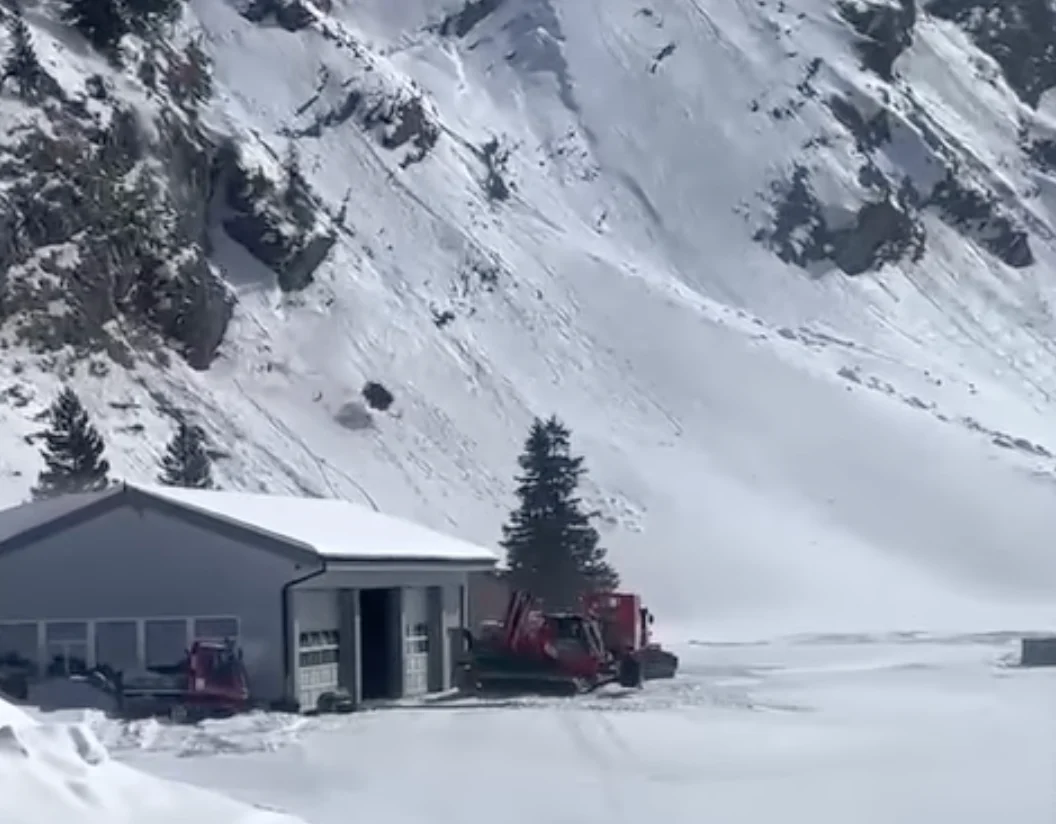
Engelberg, Switzerland – A somber cloud hangs over the picturesque alpine village of Engelberg and its renowned Titlis Xpress ski resort following a tragic incident on Wednesday morning where a gondola cabin detached from its cable line, resulting in the fatality of a 61-year-old local woman. The accident, which occurred amidst severe gale-force winds, has sent shockwaves through the close-knit mountain community and initiated a comprehensive investigation into the precise causes of the failure. This rare and devastating event underscores the inherent challenges of operating sophisticated transport systems in the high-alpine environment, particularly when confronted with extreme weather phenomena.
Details of the Catastrophic Incident
The calamity unfolded shortly after 11:00 AM local time, approximately 2,000 meters above sea level, near the Trübsee intermediate station of the Engelberg-Titlis resort. According to initial reports from local authorities, an eight-person cabin, part of the Titlis Xpress cable car system, inexplicably detached from its suspension cable. The cabin, with only one occupant, a 61-year-old woman from the region, then plummeted down a snow-covered slope. Eyewitness accounts and subsequent investigations suggest the gondola tumbled multiple times before coming to a rest, inflicting fatal injuries upon its sole passenger. The identity of the victim has been withheld out of respect for her family, though her loss is deeply felt throughout the local community, where she was a familiar and valued presence.
The rapid and unexpected nature of the incident immediately triggered an emergency response. Resort operations were brought to a complete halt, and safety protocols were activated to secure the scene and ensure the well-being of other passengers stranded in stationary cabins along the Titlis Xpress line. The immediate focus shifted to rescue and evacuation, a process complicated by the very weather conditions believed to have contributed to the accident.
Extreme Weather Conditions as a Contributing Factor
Officials from the Engelberg-Titlis resort and local police have highlighted the severe meteorological conditions prevailing at the time of the incident as a significant factor under preliminary consideration. Weather stations in the region recorded gale-force winds, with gusts reportedly ranging between 85 km/h (approximately 53 mph) and a staggering 130 km/h (approximately 81 mph). These wind speeds are at the upper end, and in some cases, exceed the operational thresholds for many cable car systems, prompting questions about the decision-making process regarding continued operation.
The high alpine environment of the Titlis region is known for its dramatic weather shifts and intense wind patterns. Such powerful gusts can exert immense pressure on cable car systems, leading to increased sway, vibration, and stress on mechanical components. While modern gondola systems are engineered to withstand considerable forces, conditions of this magnitude represent an extreme test of their design and operational limits. The resort typically monitors wind speeds meticulously, often halting operations or specific sections of lifts when predetermined safety thresholds are breached. The ongoing investigation will undoubtedly scrutinize the wind monitoring data and the operational decisions made in the hours leading up to the accident.
The Titlis Xpress: A Lifeline to the Mountain
The Titlis Xpress is a cornerstone of the Engelberg-Titlis ski resort, providing crucial access for skiers, snowboarders, and sightseers to higher elevations, including the popular Titlis Rotair revolving gondola and the glacier park. Opened in 2001, this modern 8-person gondola system is designed for high capacity and efficiency, transporting thousands of visitors daily during peak seasons. The system typically carries passengers to altitudes of up to 2,400 meters (nearly 7,900 feet), connecting the valley station in Engelberg with the Trübsee and Stand intermediate stations.
Cable car systems, particularly in Switzerland, are renowned for their safety record, which is among the best in the world. They undergo rigorous inspections, maintenance schedules, and adhere to strict international and national safety standards enforced by bodies like the Swiss Federal Office of Transport (FOT). Incidents of cabin detachment are exceedingly rare, making this particular accident all the more alarming and prompting a thorough review of the system’s integrity, maintenance logs, and operational protocols. The fact that the system was running during such high winds suggests either an unexpected surge in wind speed or a complex interplay of factors that bypassed standard safety mechanisms.
Intensive Emergency Response and Evacuation Efforts
In the immediate aftermath of the accident, a large-scale emergency response was mobilized. Multiple rescue teams, including specialized alpine units, paramedics, and a helicopter from the Rega air service (Switzerland’s air rescue service), were dispatched to the scene. The challenging terrain, compounded by the persistent severe winds and low visibility, made the rescue operation exceptionally difficult. Despite the adverse conditions, emergency personnel worked swiftly to secure the crash site and provide assistance.
The primary concern, beyond addressing the immediate tragedy, was the safe evacuation of other passengers who were suspended in cabins along the Titlis Xpress line. Resort staff, trained for such contingencies, initiated a systematic evacuation procedure. While the initial shock and concern among passengers were palpable, the evacuation proceeded without further incident, a testament to the robust emergency planning and training of the resort personnel. Passengers were gradually brought to safety, either by slowly moving the entire system or, if necessary, through individual rope rescue operations, though the latter was largely avoided due to the system being halted. The focus remained on minimizing further risk and ensuring all individuals were accounted for and brought to a safe location, where they could receive support and medical assessment if needed.

Official Investigation Launched by Federal Authorities
A multi-agency investigation has been swiftly initiated to determine the precise chain of events and causal factors leading to the gondola detachment. The Swiss Federal Office of Transport (FOT), which oversees all public transport systems including cable cars, is leading the inquiry. They will be supported by local police, forensic experts, and technical specialists from the manufacturer of the Titlis Xpress system.
The investigation will encompass several critical areas:
- Meteorological Data Analysis: A detailed review of all weather data, including wind speed and direction readings from various sensors across the resort, to establish the exact conditions at the time of the failure. This will also involve examining whether appropriate operational decisions were made based on these readings.
- Mechanical and Structural Integrity: Thorough examination of the detached cabin, the cable, the grip mechanism, and the pylons in the vicinity of the incident. Engineers will look for signs of material fatigue, design flaws, manufacturing defects, or damage that could have compromised the system.
- Maintenance Records: Scrutiny of all maintenance logs, inspection reports, and service histories for the Titlis Xpress system, particularly focusing on the affected cabin and cable section.
- Operational Procedures: Evaluation of the resort’s safety protocols, emergency procedures, and staff training regarding high-wind operations and emergency responses.
- Eyewitness Accounts: Collection of statements from resort staff, passengers, and anyone who might have observed the incident or conditions leading up to it.
The investigation is expected to be complex and thorough, potentially taking several months to yield definitive conclusions. The findings will be crucial not only for understanding this specific tragedy but also for informing future safety enhancements across the entire cable car industry.
Reflecting on Gondola Safety and Rare Incidents
While this incident is a stark reminder of the potential dangers in high-alpine environments, it is important to contextualize it within the broader safety record of cable car systems. Globally, gondolas and chairlifts are statistically among the safest forms of transportation. Modern systems are equipped with multiple redundant safety mechanisms, including sophisticated sensors that detect anomalies, automatic braking systems, and robust structural designs. Regular, stringent inspections and maintenance schedules are mandatory, often exceeding those required for other transport modes.
Fatal accidents involving cabin detachment are exceedingly rare. When they do occur, they typically involve a confluence of extreme environmental factors, mechanical failure, or human error. Past incidents in other parts of the world, though few and far between, have often led to significant advancements in cable car technology and safety regulations. For instance, some incidents have highlighted the importance of specific grip designs, wind load calculations, and real-time monitoring of cable tension and cabin sway. This incident at Engelberg-Titlis will undoubtedly contribute to this ongoing evolution of safety standards.
Community Mourning and Support for the Victim’s Family
The tragedy has cast a pall over the usually vibrant Engelberg community. Residents and frequent visitors expressed profound shock and sadness at the loss of a local woman. The tight-knit nature of alpine villages means that such events are deeply personal, affecting many who knew the victim or her family. Local churches and community centers have reportedly opened their doors for remembrance and support, offering solace during this difficult time.
The Engelberg-Titlis resort management issued a statement expressing their deepest condolences to the victim’s family and loved ones. They affirmed their full cooperation with the ongoing investigation and reiterated their unwavering commitment to passenger safety. "Our hearts go out to the family of the deceased," a spokesperson for the resort stated, emphasizing that the resort is providing all necessary resources to assist the authorities and ensure a thorough investigation. "Safety is, and always has been, our paramount concern, and we are devastated by this tragic event."
Broader Implications for Tourism and Industry Confidence
In the short term, the incident is likely to prompt a temporary dip in visitor confidence at Engelberg-Titlis, a vital economic engine for the region. However, given the historically high safety record of Swiss cable cars and the thoroughness of Swiss investigations, it is anticipated that confidence will gradually be restored once the causes are identified and any necessary corrective measures are implemented. Switzerland’s reputation for precision engineering and rigorous safety standards in its mountain transport systems is a significant asset in rebuilding trust.
Beyond Engelberg, the incident will undoubtedly trigger a review of high-wind operational protocols across other ski resorts in Switzerland and potentially globally. While each system and location has unique characteristics, the shared challenge of operating in increasingly unpredictable and extreme weather patterns due to climate change means that all operators will be keen to learn from the findings of this investigation. It serves as a sobering reminder that even with advanced technology and stringent safety measures, the raw power of nature in the high mountains demands constant vigilance and respect.
As the investigation unfolds, the focus remains on understanding what went wrong and how to prevent such a tragedy from ever happening again. The Engelberg community, while grieving, stands united in its commitment to safety and resilience, hoping that the lessons learned from this devastating day will ultimately make mountain recreation even safer for everyone.
