

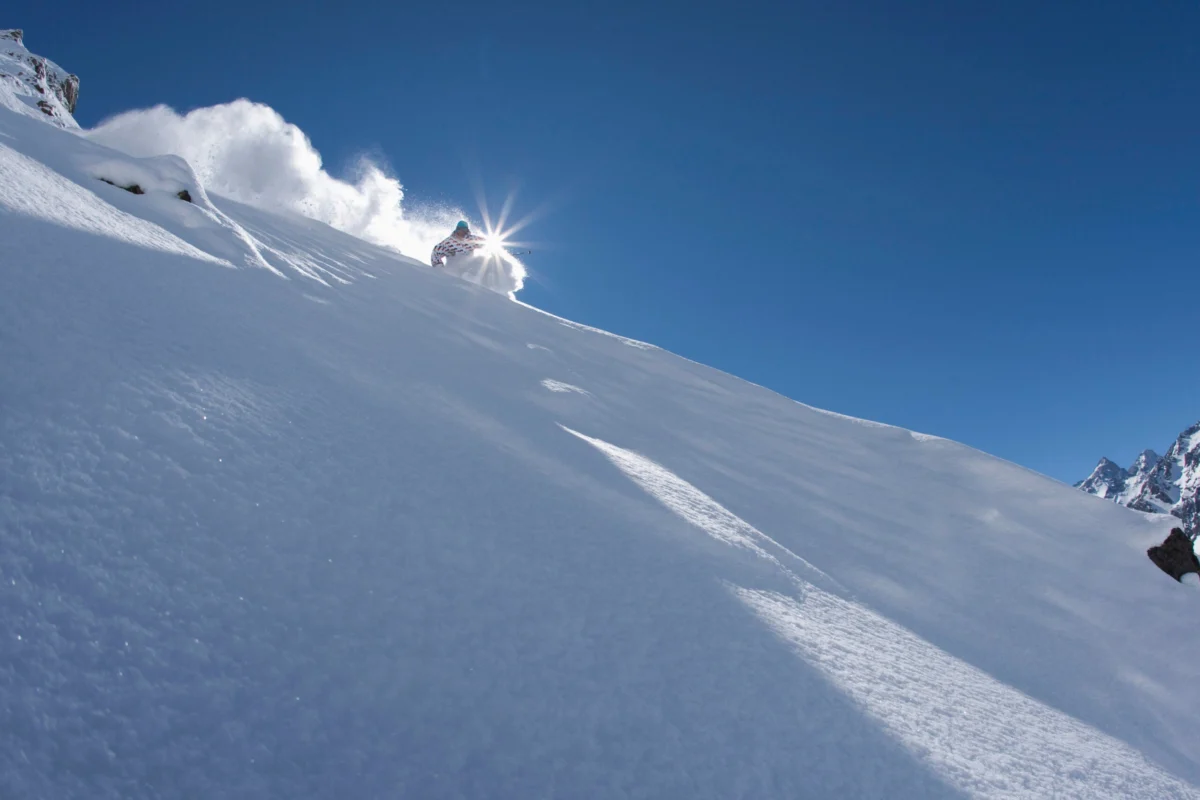
The Southern Hemisphere’s ski season, traditionally drawing to a close in late September, is defying conventional expectations in 2026, as an unprecedented series of winter storms has blanketed the Andes mountains with historic levels of snow. This exceptional accumulation has prompted several premier South American ski resorts, particularly in Chile, to extend their operational calendars well into October, offering an unparalleled late-season skiing experience and delivering a significant boost to regional tourism economies. The phenomenon stands in stark contrast to the typical seasonal winding down, painting a picture of a vibrant, extended winter wonderland for enthusiasts.
An Unfolding Winter Saga: Chronology of an Epic Season
The 2026 winter season in the Andes began with promising early snowfall, but it was the sustained and intense storm cycles through July and August that truly set this year apart. Following an initial strong start, which saw resorts opening with robust bases, mid-July brought the first major wave of historic precipitation. Ski Portillo, for instance, recorded an astonishing 128 inches (over 10 feet) of snow in a mere five-day period during this crucial month, establishing an early foundation for what would become a record-breaking season.
As August progressed, typically a transition month towards spring in the Southern Hemisphere, the Andes continued to be pummeled by storm after storm. Late August, in particular, witnessed another significant surge in snowfall, challenging the usual seasonal decline. This persistent meteorological pattern, characterized by deep, successive snowfalls, not only maintained but significantly increased snow depths across the range, transforming landscapes and ensuring extensive coverage. By early September, with fresh snow continuing to fall, the decision to extend operations became not just feasible but economically compelling for resorts, pushing closing dates well beyond their traditional late-September cutoffs into mid-October. This extended timeline allows for nearly a full extra month of prime skiing conditions, a rarity that has garnered significant attention from the global ski community.
Chilean Resorts Lead the Extension Charge
Three prominent Chilean ski areas, Valle Nevado, Ski Portillo, and El Colorado, have officially announced significant extensions to their 2026 seasons, capitalizing on the extraordinary snow bounty.
Valle Nevado, Chile: A Banner Year Beyond Expectations
Valle Nevado, a jewel of the Chilean Andes, was already enjoying a robust winter even before the late August storm cycle further solidified its season. By early September, the resort had reported an impressive seasonal total exceeding 17 feet (204 inches or 518 centimeters) of snow, with additional forecasts promising more. This remarkable accumulation spurred management to extend the closing date all the way to October 18. This move provides skiers with almost an entire additional month of access to Valle Nevado’s renowned high-alpine terrain, a significant departure from its usual late-September closure.
The resort’s management expressed immense satisfaction with the season’s performance. "This year has been nothing short of phenomenal," stated a spokesperson for Valle Nevado. "The consistent snowfall has allowed us to offer pristine conditions for an extended period. We are thrilled to welcome guests for an additional three weeks, reinforcing our commitment to delivering world-class skiing. This extension not only benefits our loyal customers but also provides a vital boost to local employment and tourism infrastructure."
Valle Nevado’s strategic location, less than two hours’ drive from Santiago, makes it one of the most accessible major South American resorts for international travelers. This ease of access, combined with the extended season, positions it as an exceptionally attractive destination for North American and European skiers seeking to extend their winter or enjoy early spring turns in the Andes. Its interconnected "Tres Valles" system with La Parva and El Colorado further enhances its appeal, offering a vast skiable domain when conditions permit.
Ski Portillo, Chile: Legendary Snow, Legendary Extension
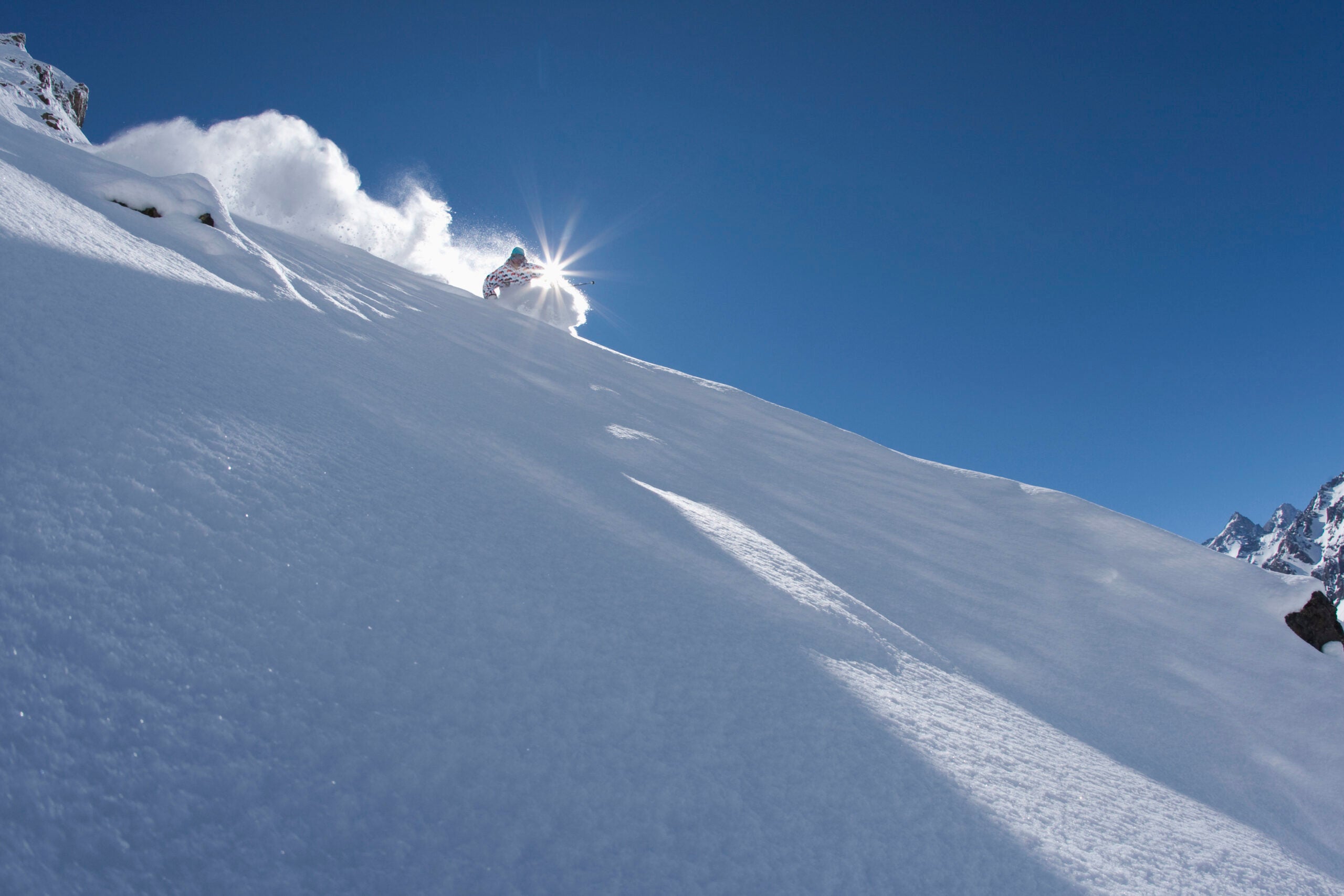
Portillo, a resort synonymous with deep powder and a storied history, has experienced what many are calling its most epic winter in decades. The resort has accumulated over 25 feet of snow since mid-July alone, highlighted by the astounding 128 inches received during a single five-day storm cycle in July. This extraordinary depth has enabled Portillo to push its 2026 closing date to October 11, extending its already famously long season.
The unique character of Portillo, with its iconic yellow hotel nestled beside the glistening Laguna del Inca, offers an unparalleled ski-in/ski-out experience. Known for its challenging, lift-accessed terrain and vibrant social atmosphere, the resort attracts a dedicated international clientele. The extended season provides an unprecedented opportunity for skiers to experience Portillo’s legendary conditions. "We’ve seen conditions this year that will be talked about for generations," commented a long-time Portillo employee. "The sheer volume of snow has been incredible, allowing us to maintain full operational capacity and deliver unforgettable experiences deep into spring. The decision to extend was a unanimous one, driven by the exceptional snowpack and the enthusiasm of our guests."
For those who have long dreamt of a Portillo pilgrimage, the extended season presents an ideal window. The resort’s adventurous terrain, coupled with its intimate single-lodge setup, promises a distinctive and memorable late-season adventure, particularly appealing to advanced skiers and those seeking an immersive Andean experience.
El Colorado, Chile: Capitalizing on the Snow Bonanza
As another integral part of Santiago’s "Tres Valles" ski area, El Colorado has also significantly benefited from the historic snowfall. The resort announced in late August that its season would be extended from its original September 27 close to October 12, thanks to an impressive accumulation of over 290 inches (more than 24 feet) of snow this winter. This figure places El Colorado among the snowiest major resorts in the entire Andes range for the 2026 season.
The extension at El Colorado provides yet another compelling option for skiers visiting the Santiago metropolitan area, offering multiple choices for late-season turns within relatively easy reach of the city. El Colorado is popular with both locals and international visitors due to its varied terrain, catering to all skill levels. The extended operational period is expected to inject additional revenue into the local economy, supporting businesses from accommodation providers to equipment rentals and dining establishments. Local tourism officials have lauded the resorts’ decisions. "This extended season is a testament to the incredible natural resources of our region and the dedication of our resort operators," noted a representative from the Santiago regional tourism board. "It provides a fantastic opportunity to showcase our world-class ski destinations to an even broader audience and supports countless jobs within our community."
Beyond the Extensions: Resorts with Sustained Performance
While not all resorts have made headline-grabbing season extension announcements, others are also enjoying exceptionally long and snowy winters, maintaining operations well into October as is customary for them in strong snow years. These include Corralco in Chile and Cerro Catedral in Argentina.
Corralco, Chile: Southern Gem with Deep Bases
Further south in Chile, Corralco is quietly distinguishing itself with one of the most impressive snow seasons in South America. Situated on the slopes of Volcán Lonquimay, Corralco offers a distinct volcanic landscape, characterized by ancient monkey puzzle trees and unique terrain that differs significantly from the high-alpine environment around Santiago. As of September 3, Snow-Forecast.com reported an accumulated snowfall exceeding 160 inches for the season, with an astonishing base depth approaching 10 feet.
Corralco is renowned for its naturally long season, often remaining open into late October or even early November during particularly strong snow years. While it may not have issued a specific "extension" announcement in the same vein as its northern counterparts, its sustained deep snowpack means it continues to be a prime destination for those chasing late-season turns. The resort’s remote location and natural beauty make it a favorite for those seeking an authentic and less crowded Andean ski experience. The consistent, abundant snowfall ensures that Corralco remains a viable and highly attractive option for an extended ski adventure.
Cerro Catedral, Argentina: A Strong Season Near Bariloche
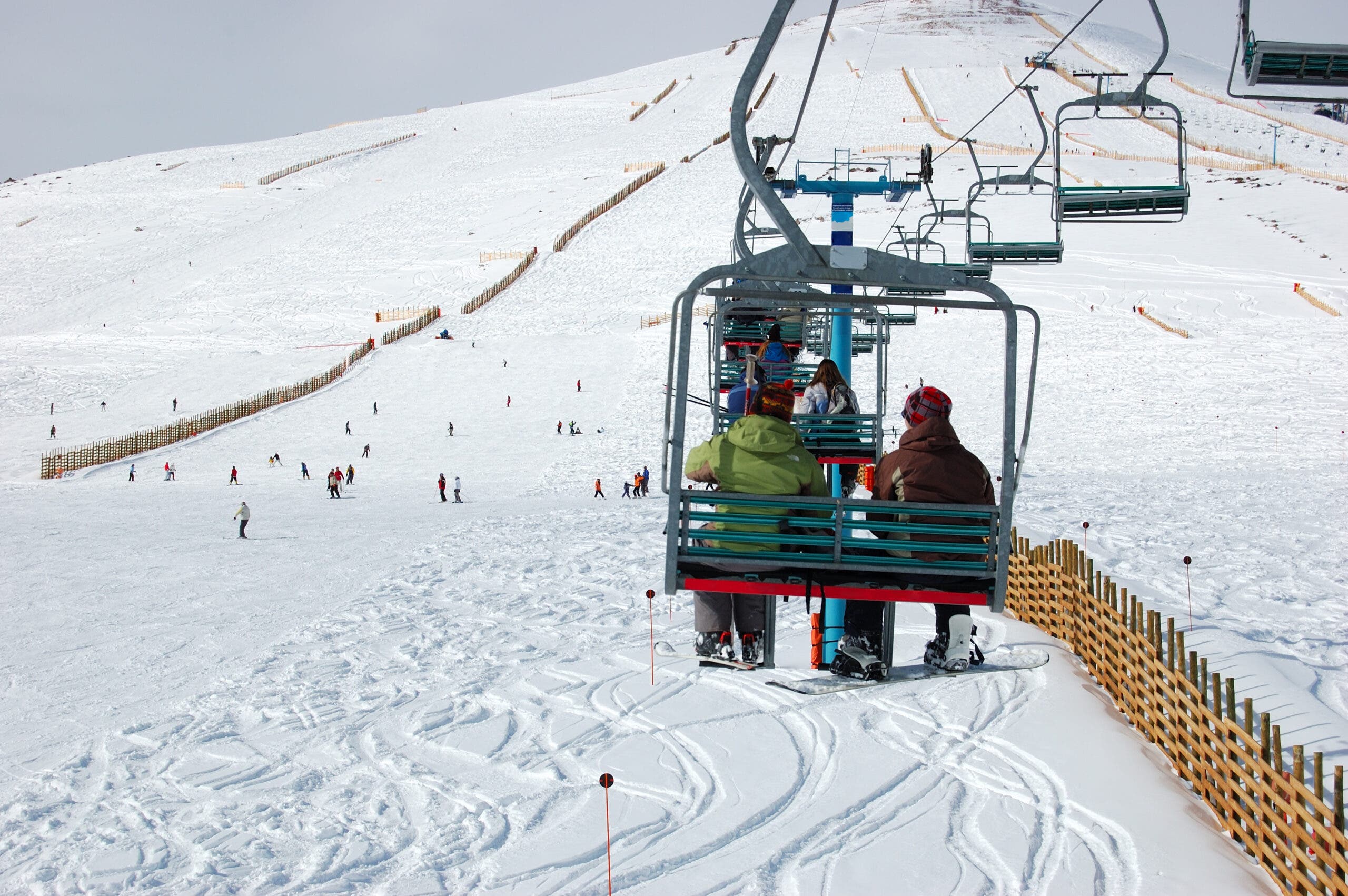
Across the border in Argentina, Cerro Catedral, located near the picturesque city of Bariloche, has also enjoyed a remarkably snowy winter. The resort experienced a significant 24-inch storm in late August, which temporarily elevated avalanche danger, underscoring the intensity of the recent weather patterns.
Catedral’s season is typically scheduled to run into early October, making it a reliable choice for skiers even in a standard year. However, the consistent snowfall this season has ensured optimal conditions throughout its operational period, making it a particularly appealing option for those who might have delayed their travel plans. The resort’s proximity to Bariloche, a vibrant city offering a rich array of cultural and culinary experiences, makes it one of South America’s most attractive ski-and-town combinations. The robust snow totals have meant that skiers visiting Catedral have been able to enjoy excellent conditions across its extensive terrain, from wide-open bowls to tree-lined runs, further solidifying its reputation as Argentina’s premier ski destination.
Economic Ripple Effects and Tourism Implications
The extended ski season in the Andes is poised to deliver a substantial economic boon to the affected regions. An extended operational period means prolonged employment for thousands of seasonal workers, including lift operators, ski instructors, hospitality staff, and retail employees. Local businesses, from hotels and restaurants to ski rental shops and transportation services, anticipate increased revenue well into what would typically be their off-season.
International tourism, particularly from North America and Europe, is expected to see a noticeable uptick as skiers seek to capitalize on the unique opportunity for late-spring/early-autumn skiing. This influx of visitors translates into foreign exchange earnings and supports the broader tourism infrastructure. Ski tour operators and airlines are already observing heightened interest and bookings for October travel to these Andean destinations. The ability to market "October skiing" effectively distinguishes these resorts in a global marketplace, potentially drawing new demographics of travelers.
Furthermore, this exceptional season could influence future investment and marketing strategies for South American ski resorts. It highlights the potential for longer operating windows in years of abundant snowfall, prompting considerations for infrastructure enhancements and marketing campaigns that emphasize the region’s climate resilience and capacity for extended seasons.
Broader Context: Meteorological Anomalies and Climate Discussions
While a single season’s exceptional snowfall cannot definitively refute broader climate change trends, this historic winter in the Andes serves as a compelling case study in regional meteorological variability. Scientists will likely analyze the specific atmospheric conditions that led to such sustained and heavy precipitation. Factors such as ocean temperature anomalies in the Pacific, atmospheric pressure systems, and jet stream patterns could all play a role in directing these powerful storm fronts into the Andes.
The contrast between this record-breaking season and the broader global concern about diminishing snowpacks in many other parts of the world underscores the complex and localized nature of weather phenomena. For the time being, the Andes offers a potent reminder of winter’s enduring power and the exhilarating possibilities it presents to ski enthusiasts.
Conclusion: A Memorable Chapter in Andean Ski History
The 2026 ski season in the South American Andes is etching itself into the annals of history as one of the most remarkable on record. The combination of relentless snowfall, unprecedented snow depths, and the subsequent extension of operational periods by key resorts has created a unique window of opportunity for skiers worldwide. From the accessible slopes of Chile’s Tres Valles to the majestic peaks near Bariloche, the Andes are currently offering an extraordinary and prolonged winter experience. This season not only celebrates the thrill of deep powder and pristine slopes but also underscores the significant economic and cultural impact of the ski industry in the region, leaving an indelible mark on both the landscape and the memories of all who experience it.
