

Updated September 2, 2026 02:52 PM
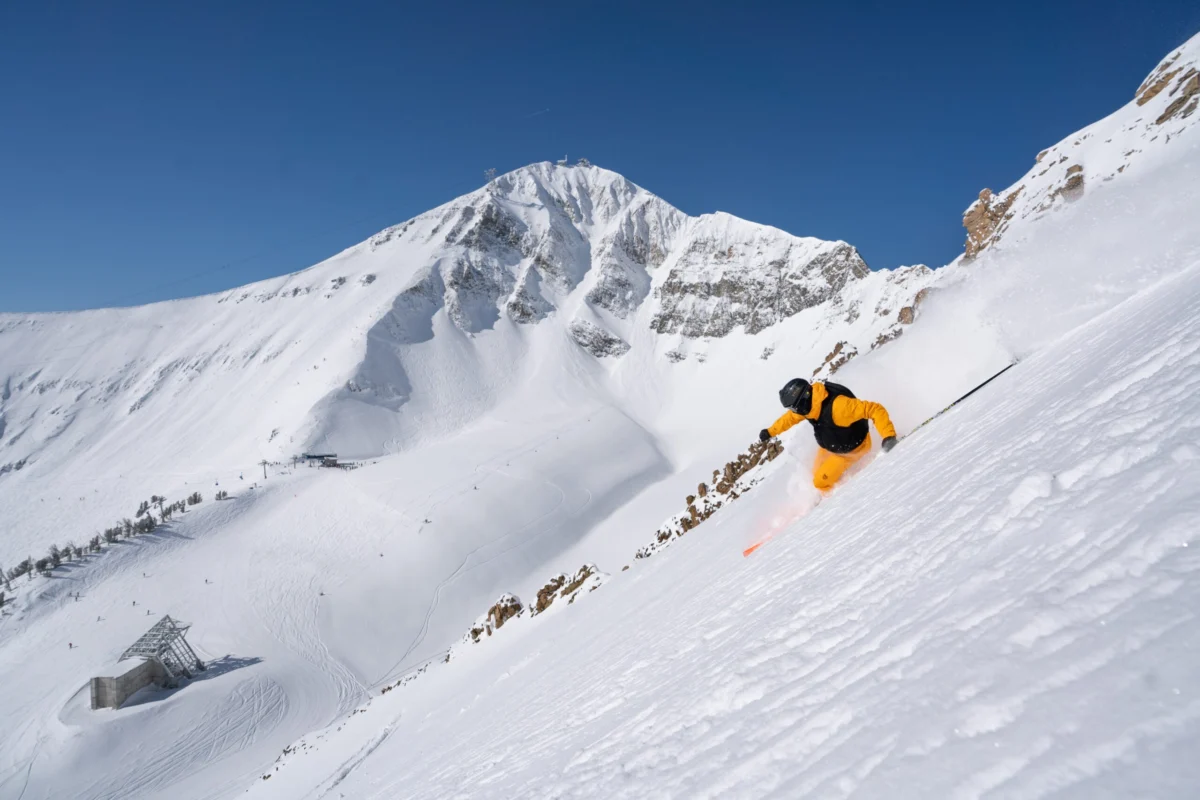
The crisp mountain air, the panoramic vistas, the exhilarating anticipation at the precipice of a descent—these are familiar sensations for any skier. Yet, the critical decision of whether to "drop in" or opt for a more familiar route often hinges on a complex interplay of snow conditions, personal confidence, and, crucially, the designated trail rating. For decades, North American skiers have relied on a standardized, albeit relative, progression of difficulty: the gentle green circle for beginners, the intermediate blue square, and the challenging black diamond for experts. However, in an evolution reflecting the sport’s increasing demands and the extreme nature of certain terrains, a new echelon of difficulty has emerged: the triple black diamond. This designation, reserved for the most formidable and high-consequence runs, signals a significant shift in how ski resorts communicate risk and challenge to an increasingly adventurous skiing population.
The Evolving Language of the Slopes: A Historical Perspective on Trail Ratings
The concept of standardized trail ratings in North America gained traction in the latter half of the 20th century. Before formal systems, skiers relied on word-of-mouth, local knowledge, or simply visual assessment—often with perilous results. The introduction of green, blue, and black markers provided a crucial framework, allowing skiers to gauge a run’s difficulty relative to others on the same mountain. This system, while widely adopted, inherently acknowledges that a blue run at a smaller, gentler resort might be equivalent to a green run at a vast, steep Western mountain. This inherent relativity has always been a cornerstone, and sometimes a point of confusion, within the North American system.
The rationale behind these classifications extends beyond mere convenience; it is fundamentally rooted in skier safety and resort liability. By clearly marking trails, resorts aim to prevent inexperienced skiers from inadvertently venturing into terrain beyond their capabilities, thereby reducing accidents and the burden on ski patrol services. However, as ski technology advanced, allowing skiers to tackle steeper pitches and more complex obstacles, and as resorts began opening up increasingly extreme terrain, the limitations of the traditional black diamond became apparent. A single black diamond could encompass anything from a steep groomed piste to a treacherous, rock-strewn chute. This wide spectrum within the expert category necessitated a further refinement.
A New Tier of Challenge: The Triple Black Diamond Emerges
The formal introduction of the triple black diamond rating represents a pivotal moment in this ongoing evolution. While some informal double black diamonds had existed for years, the triple black signaled an explicit, official acknowledgment of a new level of extreme.
The chronology of its official adoption highlights this progressive push:
-
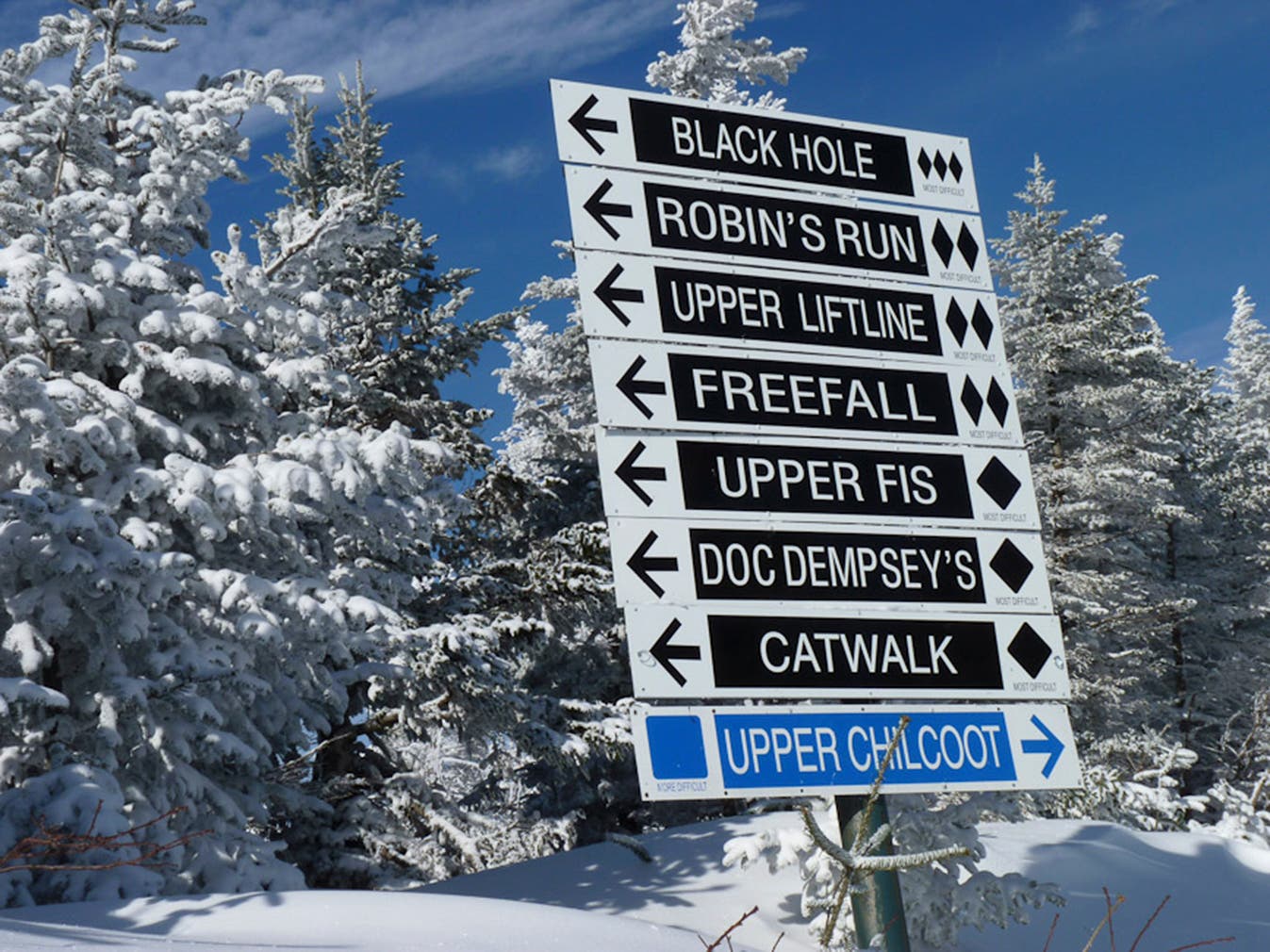
2004: Smugglers’ Notch, Vermont pioneered the triple black diamond. The resort formally added "The Black Hole," a previously unmarked, beloved glade, to its trail map. This run, characterized by extremely tight trees, icy turns, and minimal bailout options, was deemed to surpass the typical black diamond in its sustained technical difficulty and commitment required. Matt McCawley, content media specialist at Smugglers’ Notch Resort, recalled the necessity of this distinction: "We felt its rating needed to reflect the additional difficulty that comes with skiing terrain that steep and technical through tight Vermont woods." This move underscored the resort’s commitment to transparently communicating the severity of its most challenging terrain, even if its features differed from the grand scale of Western mountains.
-
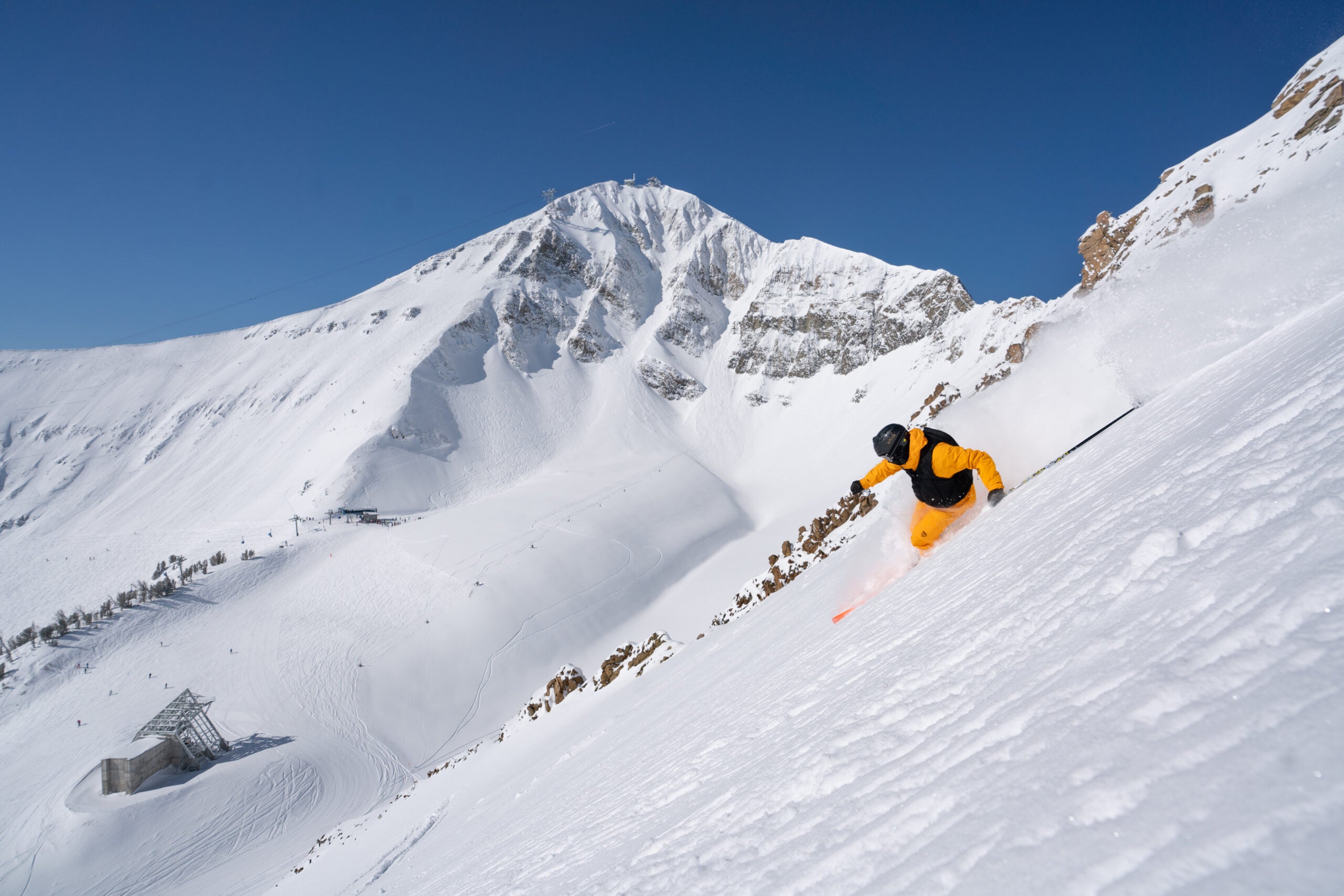
2019: Big Sky Resort, Montana followed suit, significantly expanding the scope of the triple black diamond. Recognizing the unique hazards presented by the high-alpine, high-consequence terrain accessed from the summit of Lone Peak, Big Sky assigned the triple black rating to over 20 named runs in this area. This comprehensive reclassification was a deliberate effort to better communicate "the risks of skiing high alpine, high-consequence terrain," as articulated by the resort. Big Sky’s methodology for this rating included evaluating factors such as "exposure to uncontrollable falls along a steep, continuous pitch, route complexity, and high-consequence terrain." This move by a major Western resort, known for its vast and rugged landscape, solidified the triple black diamond as a legitimate, albeit regionally specific, marker of extreme difficulty.
Since then, other resorts, like Mount Bohemia in Michigan and Mont Sutton in Quebec, have adopted the triple black diamond, each for reasons specific to their unique geographical and snow conditions, further cementing its place in the lexicon of expert skiing.
Why the Triple Black? Understanding the Rationale
The emergence of the triple black diamond is driven by several key factors:
- Enhanced Safety Communication: At its core, the triple black diamond is a safety mechanism. It serves as a stark warning, particularly for aspirational experts who might otherwise overestimate their abilities on a regular black diamond. By delineating a separate, higher tier, resorts can more effectively convey the heightened risks of specific areas, which might include extreme pitch, significant exposure to falls, mandatory air, complex route finding, or terrain where self-arrest is difficult or impossible.
- Diverse Terrain Characteristics: The original black diamond rating often failed to differentiate between various types of expert terrain. A groomed black diamond bump run, while challenging, is fundamentally different from a gladed chute with unseen obstacles or an exposed couloir. The triple black diamond allows resorts to highlight terrain that combines multiple severe characteristics, such as extremely tight glades with variable snow, unmarked cliffs, or sustained pitches that offer no respite.
- Marketing and Branding: For resorts that genuinely possess world-class extreme terrain, the triple black diamond serves as a powerful marketing tool. It attracts a specific demographic of highly skilled, adventurous skiers seeking the ultimate challenge. Resorts like Big Sky, Mount Bohemia, and Mont Sutton embrace this designation to brand themselves as destinations for serious expert skiers, differentiating themselves in a competitive market.
- Skier Progression: For a subset of elite skiers, the triple black diamond represents the next logical step in their progression. It provides a clear objective and a benchmark for skill development, motivating them to push their boundaries safely and responsibly.
The Relativity Riddle: No Universal Standard
Despite its growing presence, the triple black diamond, much like its single and double black counterparts, remains a relative standard. As Matt McCawley of Smugglers’ Notch aptly stated, "Terrain ratings are always relative to the mountain you’re skiing." This means a triple black diamond at Smugglers’ Notch, while incredibly challenging for Vermont, might not equate to the same rating at a resort like Jackson Hole, which boasts significantly greater vertical drops, high-altitude exposure, and massive cliff features.
This inherent relativity is not unique to North America. Globally, trail rating systems vary significantly:
- Europe: Many European resorts use a color-coded system (green, blue, red, black), but the black often signifies a very steep, potentially ungroomed piste, not necessarily the extreme backcountry found in North America. Some resorts may use an "itinerary" or "freeride" designation for unpisted, patrolled, but unmanaged off-piste terrain, which can be far more challenging than a marked black run.
- Japan: Japanese resorts typically use green, red, and black, with black signifying steep groomed runs or mogul fields. Their extensive backcountry, often unrated, presents the true extreme challenge.
This global disparity underscores the importance of understanding a resort’s specific context when interpreting any trail rating. A triple black diamond in Michigan, for instance, might prioritize navigating dense forests and variable lake-effect snow over the sheer vertical and avalanche risk associated with a high-alpine triple black in Montana. Skiers must always exercise due diligence, consulting local trail maps, conditions reports, and, if possible, speaking with resort staff or local experts before attempting unfamiliar extreme terrain.
Case Studies: North America’s Toughest Triple Blacks
The resorts that have embraced the triple black diamond offer a glimpse into the diverse challenges this rating encompasses.
Big Sky Resort, Montana: Conquering Lone Peak’s Summit
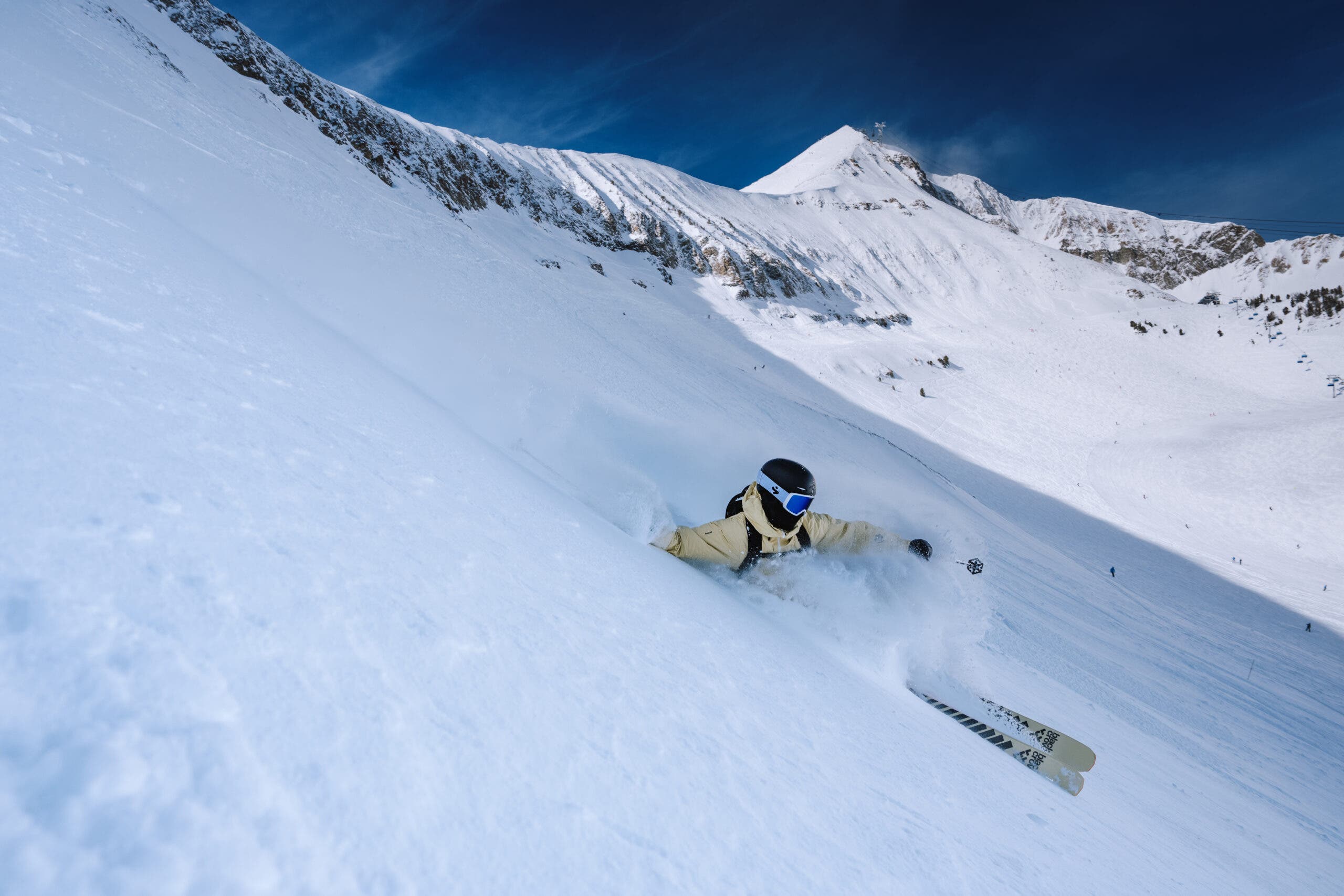
Big Sky Resort, nestled in the Northern Rockies, is renowned for its vast scale and challenging terrain. The resort’s adoption of the triple black diamond in 2019 was a direct response to the unique, high-consequence environment found at the summit of its iconic Lone Peak. Accessible primarily via the Lone Peak Tram, this area presents a formidable array of challenges. Out of the numerous descents from the tram, only one is not rated a triple black diamond, leaving Big Sky with over 20 designated triple black runs.
The methodology behind Big Sky’s rating is meticulous, focusing on "exposure to uncontrollable falls along a steep, continuous pitch, route complexity, and high-consequence terrain." This translates into a myriad of dangers including:
- Extreme Pitch: Sustained gradients often exceeding 45 degrees, where a fall can result in a long, uncontrolled slide.
- High-Altitude Exposure: The summit reaches 11,166 feet (3,403 meters), meaning thinner air, rapidly changing weather, and potential for extreme cold.
- Technical Obstacles: Rocky outcroppings, mandatory air over cornices, narrow chutes, and variable snow conditions (from wind-scoured ice to deep powder).
- Route Complexity: Many lines require precise navigation and decision-making, with limited visibility in certain conditions.
Furthermore, Big Sky manages access to some of its most extreme triple black diamond areas, such as the legendary Big Couloir and the Upper A-Z Chutes. These areas often require checking in with ski patrol, carrying avalanche safety gear, and may have limited entry windows based on snow stability and weather. The resort explicitly states that these managed access areas have finite capacity, as conditions can deteriorate rapidly, making rescue operations exceedingly difficult and dangerous. This proactive approach underscores the resort’s commitment to safety while offering unparalleled extreme skiing experiences.
Smugglers’ Notch Resort, Vermont: Navigating The Black Hole’s Depths
In stark contrast to Big Sky’s expansive alpine environment, Smugglers’ Notch in Vermont offers a distinctly Eastern challenge. "The Black Hole," Smugglers’ sole triple black diamond run, epitomizes the unique difficulties found in the tight, often icy glades of the Northeast. Prior to its official designation in 2004, The Black Hole was an unmarked, locals-only secret—a testament to its inherent challenge and the knowledge required to navigate it.
Matt McCawley described the run as "really a maze of different lines through the woods. Every turn requires control because there aren’t many bailout options. Once you’re committed to a line, you’re often committed for a while." Key characteristics include:
- Extremely Tight Glades: The density of trees leaves minimal room for error, demanding precise, controlled turns.
- Variable Snow and Ice: Vermont’s notorious freeze-thaw cycles can create challenging ice patches, hidden stumps, and wildly inconsistent snow conditions within the glades.
- No Bailout Options: Once committed to a specific line within The Black Hole, skiers often have no easy way to exit or bypass difficult sections, necessitating full commitment and advanced skill.
- "Bobsled or Luge Character": As the season progresses and snowpack consolidates, natural channels can form, dictating a skier’s path and requiring immense control to avoid being funneled into dangerous situations.
The Black Hole serves as a prime example of how a triple black diamond rating can be applied to terrain that, while lacking the sheer vertical or vast exposure of Western counterparts, presents an equally, if not more, demanding technical challenge due to its unique arboreal environment and variable conditions.
Mount Bohemia Ski Resort, Michigan: Extreme Backcountry in the Midwest
Mount Bohemia, located on Michigan’s Upper Peninsula, defies conventional Midwestern skiing expectations. Marketing itself as an "extreme" ski area, Bohemia boasts some of the longest runs and highest vertical drops in the Midwest, with an astonishing 90 percent of its terrain rated as black diamond. This high concentration of expert terrain made it imperative for Bohemia to further distinguish its most formidable runs.
The resort’s triple black diamond ratings apply to the "Rabbit Hole" and the "Extreme Backcountry" area on the frontside of the mountain. These runs embody Bohemia’s rugged, natural character, heavily influenced by abundant lake-effect snow. The challenges here include:
- Deep, Variable Snow: While often plentiful, the snow can be heavy and inconsistent, masking hidden obstacles.
- Unmarked Cliffs and Stumps: The "extreme backcountry" ethos means natural hazards are often left as they are, requiring acute awareness and quick reactions.
- Tight Trees and Glades: Similar to Smugglers’ Notch, Bohemia’s glades are dense, demanding expert tree skiing skills.
- Commitment to the Line: Like other triple black runs, once a skier enters these areas, escape routes are scarce, forcing full commitment to the chosen path.
Mount Bohemia’s triple black diamonds highlight that extreme skiing is not confined to the Rockies or the Alps; it exists wherever natural terrain, combined with challenging snow conditions and a lack of extensive grooming, creates a genuinely high-consequence environment.
Mont Sutton, Quebec, Canada: Quebec’s Gladed Gauntlet
Mont Sutton, in Quebec, Canada, mirrors Mount Bohemia’s high concentration of expert terrain, with approximately 45 percent of its mountain rated as single, double, or triple black diamond. Sutton’s three triple black runs—Upper Bou-Bou, Etonnoir, and Crocodile—are renowned for their formidable gladed environments and challenging natural features.
While Upper Bou-Bou and Etonnoir are relatively shorter, with Etonnoir notably ending at one of Sutton’s few green runs (a stark transition!), Crocodile offers a more sustained challenge. The triple black rating for these runs is attributed to:
- Dense Glading: Sutton is famous for its "gladed runs," and the triple blacks represent the absolute pinnacle of this experience, demanding extreme precision and quick decision-making amidst thick tree cover.
- Snow Variability: Conditions can range from soft powder to hard-packed ice, often within the same run, requiring constant adaptation.
- Hidden Tree Wells: Deep snow combined with dense trees creates dangerous tree wells, a significant hazard in gladed terrain.
- Raw Drop-ins: The entry points to these runs are often steep and technical, demanding immediate commitment and control.
Mont Sutton demonstrates that even within the Canadian system, which largely aligns with U.S. standards, the triple black diamond serves to identify those specific runs that push the boundaries of traditional expert classifications, often due to a combination of natural obstacles and highly variable conditions.
Beyond the Symbol: Implications for Skier Safety and Awareness
The introduction of the triple black diamond carries significant implications for skier safety, education, and the broader ski industry:
- Enhanced Skier Self-Assessment: The explicit designation of "triple black" compels skiers to engage in a more rigorous self-assessment of their skills and risk tolerance. It communicates that this terrain is not merely difficult, but potentially life-threatening if approached without adequate preparation and ability.
- Targeted Safety Messaging: Resorts can now tailor safety campaigns more precisely. Messaging for triple black diamond areas can focus on specific hazards like avalanche awareness (Big Sky), tree well safety (Bohemia, Sutton), or the dangers of committing to a line with no escape (Smugglers’ Notch).
- Industry Standardization Debate: The emergence of the triple black diamond reignites the long-standing debate within the ski industry about the need for greater standardization of trail ratings. While the "relative to the mountain" approach has its merits, allowing resorts to highlight their specific challenges, it can also lead to confusion for skiers traveling between different areas. An industry body like the National Ski Areas Association (NSAA) in the U.S. may eventually need to provide clearer guidelines or recommendations for the application of such extreme ratings to ensure consistency and maximize safety.
- Skier Education and Training: The existence of triple black terrain underscores the importance of advanced ski education. Ski schools and independent instructors can offer specialized clinics focusing on extreme terrain techniques, risk management, and decision-making for those aspiring to tackle these runs.
- Rescue Operations: The very nature of triple black diamond terrain—its remoteness, steepness, and complex obstacles—makes rescue operations inherently more difficult and dangerous for ski patrol. This necessitates specialized training, equipment, and often, managed access protocols to ensure the safety of both skiers and responders.
The Future of Trail Ratings: What Lies Ahead?
As ski technology continues to evolve, and as skiers push the boundaries of the sport, the language used to describe terrain will likely continue to adapt. The triple black diamond is a current manifestation of this evolution, but it may not be the final word. Future innovations could include:
- Dynamic Ratings: Leveraging real-time data on snow conditions, weather, and skier traffic to provide more granular, dynamic difficulty ratings that update throughout the day.
- Digital Mapping and Augmented Reality: Advanced GPS and AR overlays on smartphone apps or smart goggles could provide detailed hazard warnings, pitch angles, and route suggestions, enhancing skier awareness.
- More Granular Sub-Categories: Further refinements within existing categories, or the introduction of symbols denoting specific hazards (e.g., "cliff exposure," "mandatory air," "extreme glades"), could provide even more detailed information.
The triple black diamond, while still a niche designation, serves as a crucial indicator of the ski industry’s commitment to both challenging and safely guiding its most adventurous participants. It is a symbol that commands respect, demanding not just advanced skill, but also humility, careful planning, and a deep understanding of the inherent risks involved in conquering the mountain’s most formidable challenges. For those who dare, it represents the pinnacle of North American resort skiing, a testament to both the raw power of nature and the relentless human spirit of adventure.
