

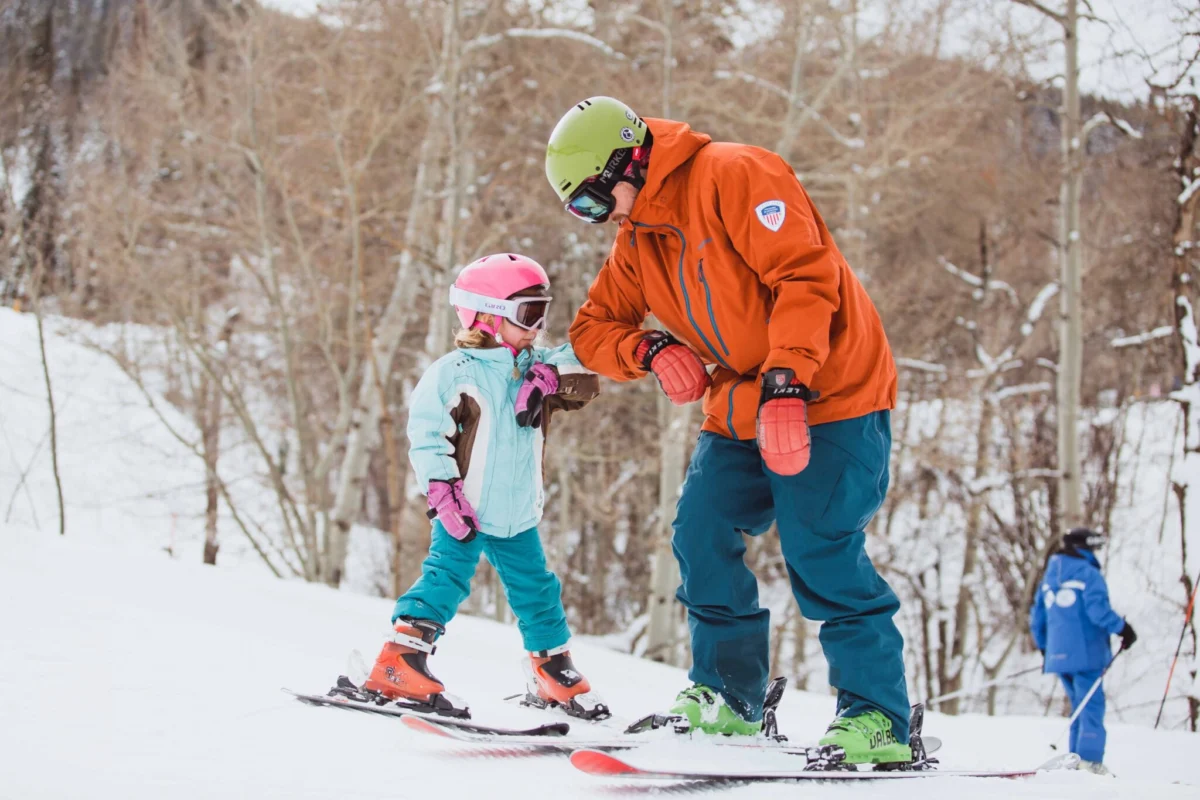
The Professional Ski Instructors of America and American Association of Snowboard Instructors (PSIA-AASI), the largest snowsports education organization in the world, has formalized a critical framework emphasizing four fundamental "People Skills": Trust, Communication, Managing "Me" (self-regulation), and Understanding "You" (others). These aren’t merely abstract concepts or inherent personality traits, but rather measurable behaviors that can be learned, refined, and intentionally applied by instructors to significantly enhance the learning experience for students across all snowsports disciplines. This strategic focus underscores a pivotal shift within snowsports education, moving beyond purely technical proficiency to embrace a holistic approach that recognizes the profound impact of interpersonal dynamics on student engagement, progress, and long-term participation.
For decades, snowsports instruction primarily centered on the mechanics of movement, focusing heavily on how to execute turns, manage speed, and navigate terrain. While technical mastery remains indispensable, the evolution of educational psychology and industry best practices has highlighted that effective instruction is a complex interplay of technical expertise, pedagogical methods, and crucial interpersonal abilities. PSIA-AASI, representing over 32,000 members, has been at the forefront of this evolution, progressively integrating these "soft skills" into its comprehensive certification pathways and continuing education programs. The formalized "People Skills" framework serves as a clear guide for instructors to cultivate a more empathetic, responsive, and ultimately more effective teaching style, ensuring that students not only learn to ski or snowboard but also genuinely enjoy the process and develop a lasting passion for snowsports. This commitment reflects a broader trend across professional development in various sectors, where emotional intelligence and interpersonal competence are increasingly recognized as foundational for leadership and service delivery.
The PSIA-AASI Framework: Trust, Communication, Me, and You
The simplicity of the shorthand – Trust, Communication, Me, and You – belies the depth and strategic importance of these four pillars. They are not novel ideas but rather a structured articulation of existing psychological and educational principles, distilled into actionable behaviors for snowsports instructors. This framework is designed to provide instructors with a common language and a systematic approach to evaluating and improving their interactions with students, peers, and even themselves. By making these skills observable and measurable, PSIA-AASI aims to elevate the standard of instruction, fostering an environment where learning flourishes and positive experiences become the norm. The intentional training and application of these behaviors are paramount, as they directly influence student safety, motivation, and the overall efficacy of the lesson.
Pillar 1: Cultivating Trust – The Bedrock of Learning
Trust forms the foundational layer upon which all effective learning is built. If a student does not feel psychologically safe, their capacity for learning can be significantly impeded, or even cease entirely. This concept aligns strongly with the extensive research on psychological safety conducted by Harvard Business School professor Amy Edmondson. Her work demonstrates that individuals perform and learn more effectively when they believe they will not face embarrassment, punishment, or negative repercussions for making mistakes or asking questions. On the dynamic and often challenging environment of the snow, this translates directly into critical behaviors for instructors.
Instructors cultivate trust by creating an atmosphere where students feel secure enough to take risks, experiment with new movements, and openly acknowledge difficulties without fear of judgment. This involves actively listening to student concerns, validating their experiences (even if not entirely agreeing with their perception of danger), and consistently demonstrating reliability and genuine care. For instance, an instructor builds trust by clearly outlining safety protocols, ensuring appropriate terrain selection for the student’s skill level, and responding calmly and constructively when a student struggles or falls. They maintain consistency in their demeanor and instruction, avoid overly critical feedback, and foster a collaborative environment where errors are viewed as opportunities for growth rather than failures. PSIA-AASI encourages instructors to reflect post-lesson: "Did my students take risks today? Did they push boundaries and work with me through the learning struggle?" An affirmative answer often indicates that a strong foundation of trust has been successfully established, enabling students to step outside their comfort zones and accelerate their learning. This psychological safety has been shown in various studies to increase engagement by up to 25% and reduce errors by 15%, translating directly to better learning outcomes on the slopes.
Pillar 2: The Art of Communication – Fostering Dialogue and Engagement
Effective communication in snowsports instruction moves beyond a one-way transfer of information; it is a dynamic, interactive dialogue. Psychologist Lev Vygotsky’s socio-cultural theory of learning underscores that knowledge is constructed socially through interaction. This principle is vital in snowsports, where students learn best when actively participating in the conversation, articulating their experiences, and contributing to the problem-solving process. Instructors employing effective communication skills foster an environment of co-creation, where students feel heard, understood, and integral to their own learning journey.
Practically, this means instructors speak less and listen more. Instead of delivering monologues of instructions, they engage students with open-ended questions designed to elicit self-reflection and ownership. For example, replacing a directive like, "Here’s what you need to do to turn," with inquiries such as, "What feedback were you getting from your skis/board on that last turn?" or "What do you think is happening there?" encourages students to analyze their own movements and sensations. This approach not only deepens their understanding but also significantly boosts retention and a sense of ownership over their learning process. Active listening—paying full attention to both verbal and non-verbal cues—allows instructors to tailor their responses and instructions more precisely to the student’s immediate needs and perceptions. Research indicates that when students actively articulate their experiences, their retention of new information can increase by as much as 30%, fostering more durable and transferable skills. Furthermore, clear, concise, and jargon-free language, coupled with appropriate demonstrations, ensures that complex concepts are accessible and understandable to learners of all ages and backgrounds.
Pillar 3: Managing "Me" – Emotional Intelligence for Effective Leadership
Perhaps the most overlooked, yet profoundly impactful, professional skill for snowsports instructors is the ability to manage oneself emotionally. Psychologist and author Daniel Goleman, a leading voice in emotional intelligence, identifies self-awareness and self-regulation as foundational competencies for effective leadership. Instructors are, by definition, leaders in their lessons, and their emotional state invariably sets the climate for the entire learning experience. Students are highly attuned to their instructor’s emotions, often mirroring their demeanor. A rushed instructor can induce anxiety in students, while frustration can cause them to tighten up and become less receptive. Conversely, a calm, composed instructor can help students settle, relax, and approach challenges with greater confidence.
The concept of validating feelings, championed by leadership and executive coach Todd Musselman, is crucial here. Musselman’s adage, "No one ever got a feeling wrong," highlights that feelings are not mistakes but valuable data points. If a student expresses, "This feels terrifying," a logical correction like, "You’re safe," while technically true, dismisses their emotional reality. A more effective response, such as, "From here, it does look steep. I can see why that feels intimidating," acknowledges and validates their feeling without necessarily agreeing with the perceived danger. This moment of validation is powerful; it regulates the student’s nervous system, strengthens the instructor-student connection, and significantly increases coachability. Instructors practice managing "Me" by developing self-awareness of their own emotional states, employing strategies to remain calm under pressure, and consciously projecting a positive and supportive presence. This constant self-monitoring and adjustment are critical for maintaining an optimal learning environment, especially in challenging conditions or with anxious learners. Self-awareness, like any skill, improves with consistent practice and reflection, allowing instructors to consistently model emotional regulation for their students.
Pillar 4: Understanding "You" – Tapping into Student Motivation
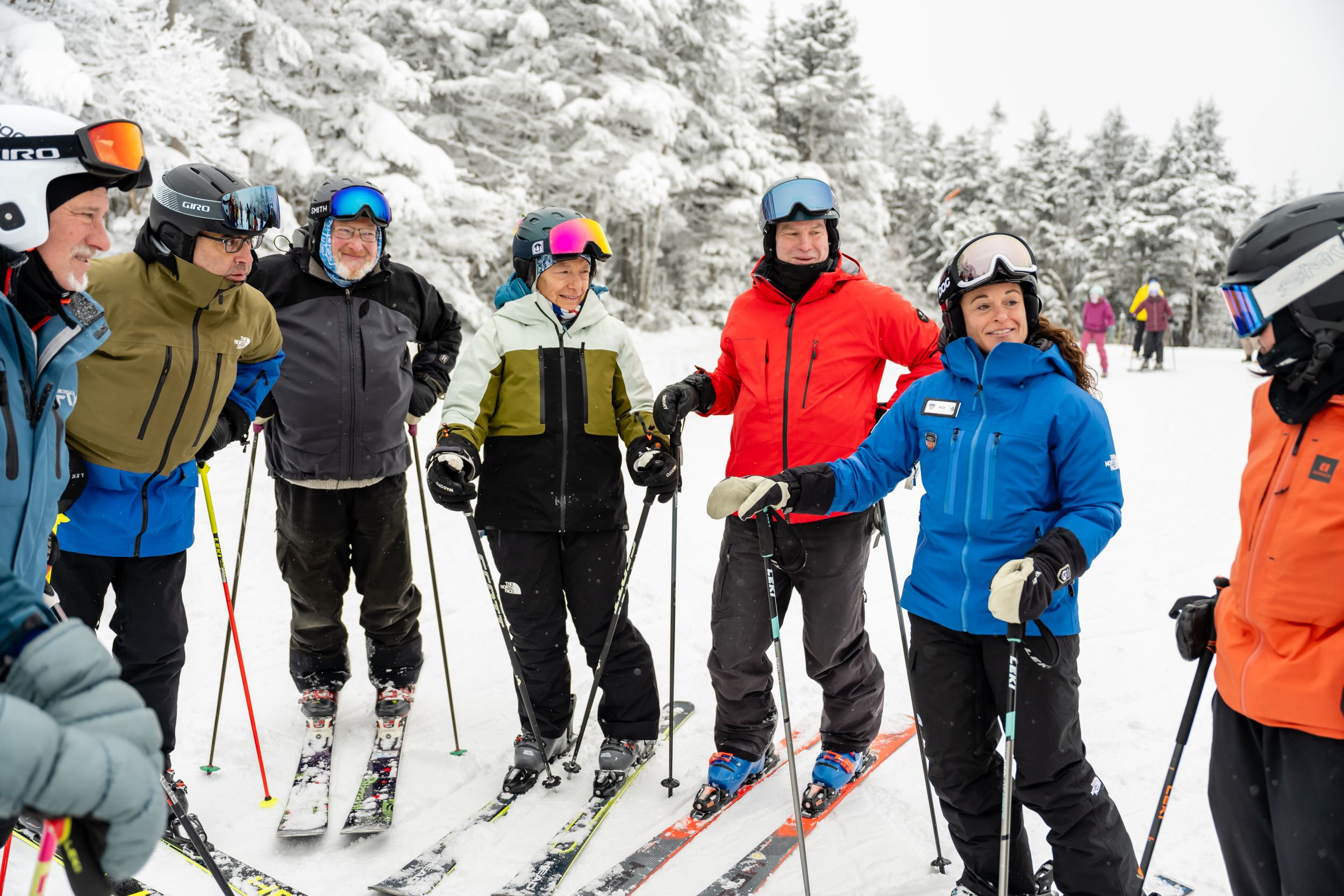
Once instructors master self-management, they are better equipped to truly tune into the needs and motivations of their students. Understanding "You" involves deep empathy and attunement to the individual learner. Self-Determination Theory (SDT), developed by psychologists Edward Deci and Richard Ryan, posits that people are most motivated when three innate psychological needs are supported: autonomy (the need to feel in control and make choices), competence (the need to feel effective and capable), and relatedness (the need to feel connected and cared for).
These principles are evident daily on the snow. Students engage more deeply when they feel a sense of choice in their learning path, perceive genuine progress and skill development, and feel a strong, positive connection with their instructor. Instructors can foster autonomy by offering choices (e.g., "Would you like to try this terrain first, or that one?"), competence by providing appropriately challenging tasks and specific, positive feedback, and relatedness by showing genuine interest in the student as an individual. Seeking to understand a student is not an automatic process; it requires intentional practice. This involves active listening, observing non-verbal cues, asking probing questions about their goals and past experiences, and identifying potential barriers to their learning. The goal is not always to "fix" a perceived problem immediately but to first understand the student’s perspective, their motivations, and their current emotional state. When students feel genuinely understood, they become significantly more open to coaching and receptive to new information and techniques. This individualized approach, grounded in SDT, has been shown to boost intrinsic motivation by up to 40%, leading to more enthusiastic and persistent learners.
From Theory to Practice: Integrating Skills into Training and Assessment
The emphasis on these People Skills is not merely theoretical; PSIA-AASI actively integrates them into its training clinics, certification standards, and peer observation protocols. The organization provides clear guidelines for making these skills observable and assessable, ensuring that instructors can continually refine their approach through feedback and self-reflection. During training clinics or peer observations, feedback can be directly aligned with the four fundamentals:
- Trust: Evaluated by observing how the instructor establishes a safe and supportive environment, acknowledges student fears, and fosters a willingness to take risks. Questions like, "Did the instructor create a safe learning space?" or "Were students comfortable making mistakes?" guide the assessment.
- Communication: Assessed by analyzing the instructor’s use of open-ended questions, active listening, clarity of explanations, and ability to engage students in dialogue rather than monologue. Metrics include "Did the instructor encourage student input?" and "Was the communication a two-way street?"
- Managing Self: Examined through the instructor’s emotional composure, self-awareness, and ability to project a calm and positive presence, especially in challenging situations. Feedback might address, "Did the instructor maintain composure?" or "Was their emotional state supportive of learning?"
- Understanding Others: Measured by the instructor’s attentiveness to student motivations, individualized feedback, and ability to adapt their teaching style to meet specific student needs, demonstrating empathy and attunement. Questions such as, "Did the instructor understand the student’s goals?" and "Was the lesson tailored to the individual?" are key.
This systematic approach ensures that the development of People Skills is as rigorous and intentional as the development of technical and teaching skills. PSIA-AASI’s Learning Connection℠ model illustrates how technical skills (understanding body movements and board performance), teaching skills (connecting students to the learning environment), and people skills (connecting student and instructor) are inextricably linked. The most effective instructors are not just technically accurate; they are profoundly intentional about forging connections, noticing emotions, validating experiences, adapting their approach, and reflecting on their interactions. This ongoing practice, akin to honing movement skills through repetition and feedback, ensures that genuine connection is trained, not left to chance.
The Broader Ripple Effect: Elevating Snowsports Education and Beyond
The formalization and rigorous application of PSIA-AASI’s People Skills framework carry significant implications, extending far beyond individual lessons to impact the entire snowsports industry and even offer transferable insights to other educational and service sectors.
Enhanced Student Experience and Retention: By prioritizing psychological safety, engaging communication, emotional regulation, and deep understanding of student motivations, instructors create overwhelmingly positive learning experiences. This leads to higher student satisfaction, greater likelihood of repeat lessons, and, crucially, increased long-term participation in skiing and snowboarding. In an industry where retaining new participants can be challenging, these interpersonal skills are vital for fostering a lifelong love for the sport. Students who feel understood and respected are more likely to overcome initial frustrations and persist in their learning journey.
Elevated Instructor Professionalism and Career Development: Mastering these People Skills enhances an instructor’s overall effectiveness, making them more sought-after by students and more valued by ski schools. Instructors who excel in these areas often experience greater job satisfaction, build stronger rapport with colleagues, and find more opportunities for leadership and career advancement within PSIA-AASI and the wider snowsports community. The ability to connect meaningfully with diverse learners is a hallmark of truly exceptional educators.
Setting Industry Standards: PSIA-AASI’s explicit emphasis on these psychological and interpersonal dimensions of teaching sets a high benchmark for snowsports education globally. It encourages other national and international organizations to similarly integrate these critical components into their instructor training and certification programs, contributing to a worldwide improvement in the quality of snowsports instruction. This holistic approach helps to professionalize the role of the snowsports instructor, recognizing it as a demanding profession requiring a broad spectrum of competencies.
Universal Applicability: The four People Skills – Trust, Communication, Managing "Me," and Understanding "You" – are universally applicable. While framed within the context of snowsports, these principles are fundamental to effective leadership, education, customer service, and team collaboration in virtually any human-centered endeavor. The insights gleaned from PSIA-AASI’s framework can inform best practices in diverse fields, underscoring the enduring power of emotional intelligence and interpersonal competence in fostering positive outcomes.
In conclusion, PSIA-AASI’s dedication to defining, teaching, and assessing these fundamental People Skills represents a forward-thinking approach to snowsports education. It acknowledges that while the mountain presents physical challenges, the most significant barriers and breakthroughs often occur within the human interaction itself. By intentionally training instructors to build trust, communicate effectively, manage their own emotional states, and deeply understand their students, PSIA-AASI is not just teaching people to ski or snowboard; it is fostering a culture of connection, empathy, and lifelong learning on the snow. The future of snowsports instruction lies in this harmonious blend of technical expertise and profound human connection.
