

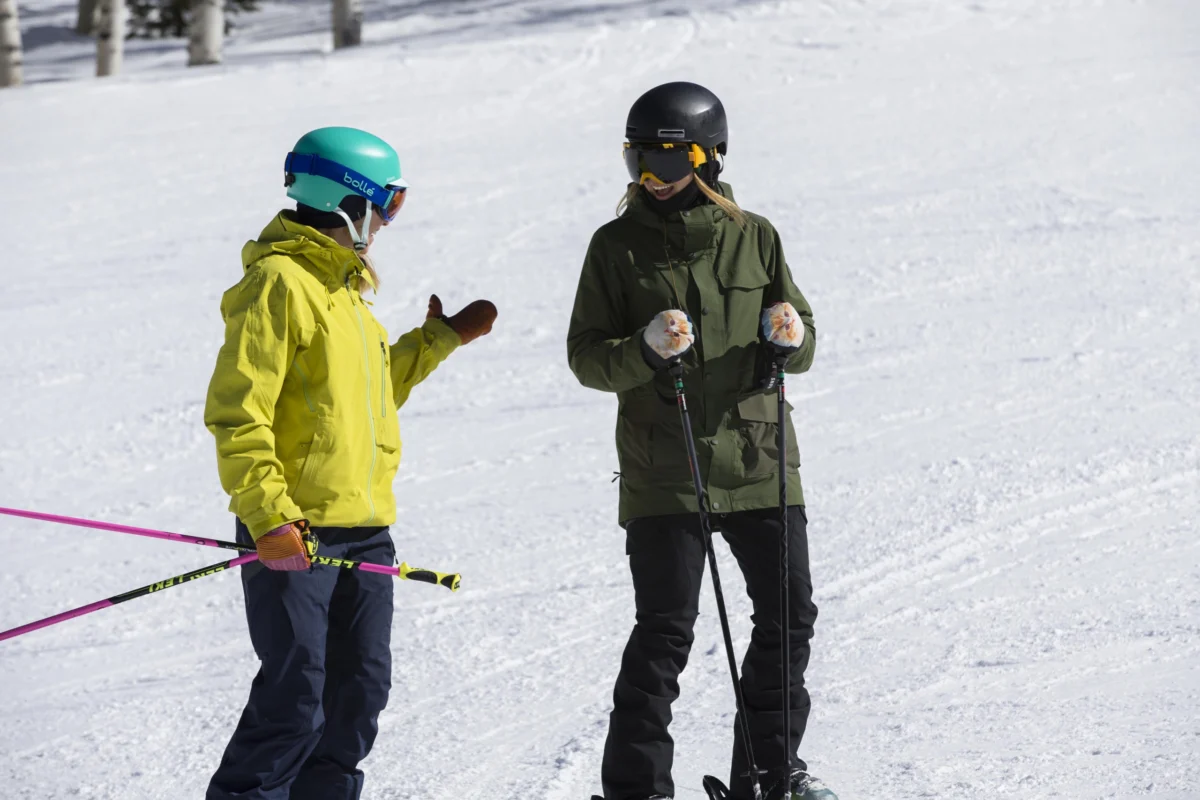
A groundbreaking three-part mentorship series, hosted by George Thomas on the First Chair podcast, has meticulously explored the multifaceted role of mentorship in shaping careers, fostering confidence, and building robust communities within the dynamic snowsports industry. Featuring in-depth conversations with Matthew Lyerly from the Eastern Region, Marisa Cooper from the Western Region, and former PSIA-AASI National Team member Carol Levine, the series delves into diverse approaches to mentorship, from structured regional programs to informal national initiatives, underscoring its critical importance for professional growth and organizational resilience. This comprehensive audio journey, now available on leading podcast platforms and YouTube, serves as a vital resource for instructors, schools, and regional bodies aiming to cultivate more supportive and sustainable environments for snowsports professionals.
The Foundational Role of PSIA-AASI and the Imperative for Mentorship
The Professional Ski Instructors of America and American Association of Snowboard Instructors (PSIA-AASI) stands as the preeminent organization dedicated to setting national standards for snowsports instruction, certifying instructors, and fostering professional development across the United States. With tens of thousands of members, PSIA-AASI plays a crucial role in enhancing the quality of instruction, promoting safety, and inspiring a lifelong passion for snowsports. However, like many specialized, seasonal industries, snowsports instruction faces unique challenges, including instructor retention, continuous skill development, and the cultivation of leadership pipelines. These challenges highlight the indispensable need for effective mentorship programs that extend beyond mere certification. Studies across various industries consistently demonstrate that strong mentorship programs can significantly increase employee retention rates—often by as much as 50%—and accelerate career progression, with mentored individuals being promoted five times more frequently than their unmentored counterparts. Recognizing this critical need, the First Chair podcast, a leading platform for insights and discussions within the PSIA-AASI community, dedicated a pivotal three-part series to dissecting the nuances of mentorship.
Part 1: Creating Community Beyond Certification – The Eastern Region’s Structured Approach
The series commenced with "Mentorship in Snowsports, Part 1: Creating Community Beyond Certification," featuring George Thomas’s conversation with Matthew Lyerly, a key figure in the Eastern Region’s "Next Steps Mentorship Program." This episode served as a foundational exploration into the intentional design and profound impact of a formally structured mentorship initiative. Lyerly elaborated on the genesis of the "Next Steps" program, emphasizing that its primary objective transcended basic exam preparation. While advancing certification goals remains a tangible benefit, the program was conceived with a broader vision: to forge deep, lasting connections and cultivate a robust sense of belonging within the snowsports community.
Lyerly detailed how the "Next Steps" program strategically pairs developing snow professionals with seasoned education staff members. This deliberate matching ensures that mentees receive not only technical guidance pertinent to their certification pathways but also invaluable insights into career longevity, professional etiquette, and the broader culture of snowsports instruction. The program fosters a supportive ecosystem that nurtures long-term career growth, moving beyond transactional relationships to build meaningful, enduring connections across various member schools. According to Lyerly, these relationships are crucial for overcoming the isolation often experienced by instructors, particularly those new to the profession or in remote locations. The program’s success is measured not just by certification rates but by the increased confidence, enhanced professional direction, and stronger community bonds reported by participants. This structured approach, by embedding mentorship deeply into the professional development framework, has become a powerful tool for improving instructor retention, accelerating skill development, and strengthening leadership pipelines within the Eastern Region, setting a benchmark for comprehensive member support.
Part 2: Mentorship Doesn’t Have to Look One Way – The Western Region’s Flexible Models
Building upon the insights from the Eastern Region’s structured approach, the second episode, "Mentorship in Snowsports, Part 2: Mentorship Doesn’t Have to Look One Way," shifted the geographical focus westward. George Thomas engaged with Marisa Cooper from the Western Region, exploring how effective mentorship can flourish even without a rigid, one-size-fits-all framework. Cooper articulated a philosophy of "mentorship with a small M," highlighting that impact and connection often matter more than formal structures. This perspective resonates with many professional settings where spontaneous, organic mentorship moments can be as transformative as formal programs.
Cooper’s discussion illuminated the power of alignment and community in creating meaningful mentorship opportunities. She explained how the Western Region prioritizes sharing best practices across its diverse geographical landscape and fostering informal leadership pathways. This involves encouraging experienced instructors to proactively engage with newer colleagues, creating environments where knowledge transfer happens naturally, and celebrating various forms of professional support. The emphasis is on meeting members where they are, recognizing that different individuals and schools may require different types of support. For instance, a small, independent ski school might benefit more from peer-to-peer informal coaching than from a highly structured, region-wide program. By promoting a culture where asking for and offering help is normalized, the Western Region demonstrates that connection and impact are the true metrics of successful mentorship. This approach not only broadens the accessibility of mentorship but also cultivates a more adaptive and resilient professional community, proving that flexibility can be a significant asset in fostering professional growth and belonging.
Part 3: A Little Support Goes a Long Way – A National Pilot for Equity and Inclusion
The series culminated with "Mentorship in Snowsports, Part 3: A Little Support Goes a Long Way," featuring former PSIA-AASI National Team member Carol Levine. This episode provided a compelling narrative of how a simple yet profound idea, rooted in extensive research, evolved into a powerful national mentorship experiment with significant implications for equity and inclusion. Levine detailed her journey, which began with comprehensive research through the Women’s Council for Equity and Inclusion. This initiative gathered nearly 500 mentorship-related survey comments, revealing a clear demand and appetite for targeted support, particularly among women navigating career progression in snowsports.
The research findings paved the way for a time-bound, targeted pilot program designed to support women endorsed for National Team tryouts. This specific focus addressed a critical juncture in professional development, where high stakes and competitive pressures can often lead to attrition. Levine outlined four guiding principles that underpinned the program:
- Targeted Support at Critical Junctures: Focusing resources where they could have the maximum impact, such as preparing for high-level evaluations.
- Peer-to-Peer Learning and Networking: Creating opportunities for women to connect with and learn from each other, fostering a strong sense of community and shared experience.
- Accessible and Flexible Formats: Designing a program that was easy to engage with, minimizing barriers to participation.
- Emphasis on Confidence and Belonging: Recognizing that psychological support is as crucial as technical guidance for success and retention.
The results of this pilot were unequivocally positive, demonstrating increased confidence, a deeper sense of belonging among participants, and the strengthening of leadership pipelines for women in snowsports. Levine’s account underscored a vital message: mentorship doesn’t need to be overly complicated or resource-intensive to be profoundly impactful. Sometimes, a small, well-placed dose of support can make an enormous difference. This episode resonated broadly, offering actionable insights for ski and ride schools, regional bodies, and individual instructors on how to cultivate meaningful mentorship cultures that elevate retention, resilience, and long-term professional growth across the entire spectrum of snowsports instruction. It served as a powerful testament to the idea that investing even a modest amount of support can yield exponential returns in human capital and organizational strength.
Broader Impact and Implications for the Snowsports Industry
The First Chair podcast’s mentorship series not only provided a platform for discussing critical issues but also offered a blueprint for action within the snowsports industry. The collective insights from Matthew Lyerly, Marisa Cooper, and Carol Levine paint a comprehensive picture of effective mentorship strategies, ranging from highly structured programs to agile, informal initiatives. The overarching implications of these discussions are profound and touch upon several key areas:
Enhanced Instructor Retention: The high turnover rate in seasonal industries like snowsports instruction is a persistent challenge. Mentorship, as highlighted throughout the series, is a powerful antidote. By creating a sense of community, providing clear pathways for growth, and offering consistent support, mentorship programs can significantly reduce the likelihood of instructors leaving the profession. When instructors feel valued, connected, and see a future for themselves, they are far more likely to commit long-term. This, in turn, reduces recruitment and training costs for schools and ensures a more experienced and stable workforce.
Accelerated Professional Development and Skill Acquisition: Beyond initial certification, the journey of a snowsports instructor involves continuous learning and refinement of skills. Mentors serve as invaluable guides, helping mentees navigate complex technical challenges, understand pedagogical nuances, and develop advanced teaching methodologies. The series illustrated how mentorship can accelerate this learning curve, transforming novices into experts more efficiently and effectively. This benefits not only individual instructors but also elevates the overall quality of instruction across the industry, leading to better guest experiences and improved safety.
Cultivating Leadership Pipelines and Organizational Strength: Effective mentorship is a cornerstone of leadership development. By guiding emerging professionals, mentors help identify and nurture future leaders, preparing them for roles in education, management, and advocacy within PSIA-AASI and individual ski schools. The Women’s Council pilot program, in particular, demonstrated how targeted mentorship can dismantle barriers and empower underrepresented groups to step into leadership positions, fostering a more diverse and inclusive leadership landscape. A robust pipeline of skilled and confident leaders is essential for the long-term health and innovation of any organization, especially one as dynamic as PSIA-AASI.
Fostering a Culture of Belonging and Psychological Safety: The series consistently emphasized that mentorship is about more than just technical skills; it’s about building community and fostering a sense of belonging. In an industry that can sometimes feel isolating due to seasonal work, travel, and competitive environments, mentorship creates vital social and professional networks. This psychological safety, where individuals feel supported and understood, is crucial for personal well-being and professional resilience. It encourages open communication, reduces stress, and empowers instructors to thrive in their roles.
The Future of Mentorship in Snowsports:
The First Chair podcast series serves as a clarion call for continued innovation and investment in mentorship within snowsports. It demonstrates that there is no single "right" way to mentor, but rather a spectrum of effective approaches that can be tailored to different regional needs, individual preferences, and specific career junctures. From formal, structured programs like the Eastern Region’s "Next Steps" to the "mentorship with a small M" philosophy championed by the Western Region, and the targeted national pilot for equity, the series offers a rich tapestry of strategies.
As the snowsports industry evolves, embracing these diverse mentorship models will be crucial for attracting and retaining top talent, promoting diversity and inclusion, and ensuring the continued excellence of instruction. The accessibility of the First Chair podcast, available on all major podcast platforms and YouTube, further amplifies its reach, making these invaluable insights available to a broad audience of instructors, school directors, and regional leaders. The discussions initiated by George Thomas and his esteemed guests will undoubtedly inspire new mentorship initiatives and strengthen existing ones, reinforcing the idea that a little bit of support, thoughtfully applied, can indeed go a very long way in building a more vibrant, resilient, and inclusive snowsports community.
