

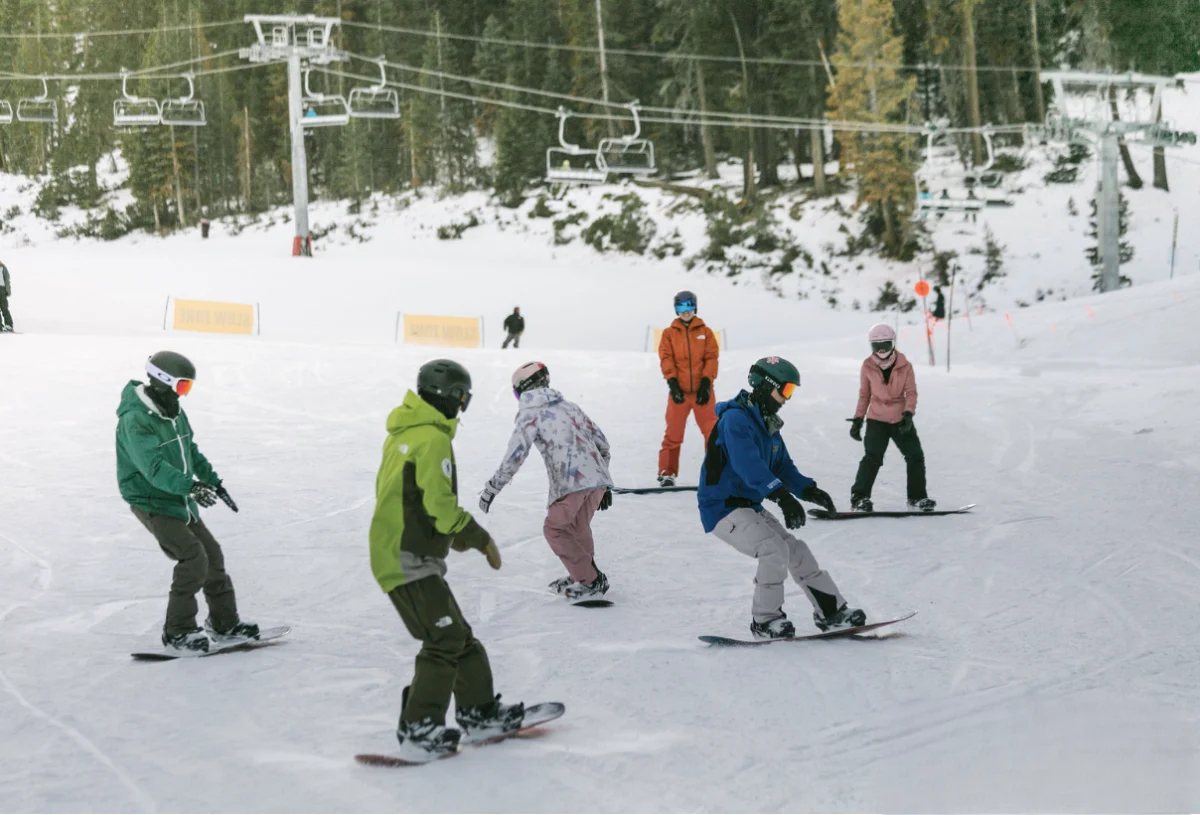
The Professional Ski Instructors of America and American Association of Snowboard Instructors (PSIA-AASI) are at the forefront of a significant evolution in snowsports instruction, spearheaded by a refined approach to Movement Analysis (MA). As highlighted by PSIA-AASI National Team member Josh Smith in the Spring 2026 issue of 32 Degrees, MA is moving beyond its traditional definition as a purely technical skill to dissect turns and prescribe drills. This new paradigm emphasizes MA as a powerful engine for building trust, fostering empowerment, and facilitating truly meaningful learning experiences on the slopes. This shift reframes the instructor-student dynamic, transforming lessons from mere correction sessions into profound connections, allowing instructors to "see" the whole person—their physical movements, emotional state, readiness for progression, and underlying motivations.
Historically, Movement Analysis in snowsports instruction often centered on biomechanical principles, focusing on identifying deviations from an idealized model of movement. Instructors would meticulously observe a student’s performance, pinpointing "flaws" in technique, and then offering prescriptive drills to rectify these perceived shortcomings. While effective in certain contexts, this approach could sometimes create a transactional relationship, where the student felt judged or inadequate. The current discourse, exemplified by Smith’s insights, champions a more holistic and human-centered methodology. Instead of a "hunt for flaws," MA is now understood as "the art of noticing"—observing how students adapt to varied terrain, how their equipment responds to their intentions, and how their confidence or hesitation manifests in their skiing or riding. This approach, rooted in curiosity and presence rather than judgment, aims to cultivate an environment where students don’t just learn new skills but genuinely grow as snowsport enthusiasts.
The Evolving Landscape of Snowsports Pedagogy
For decades, PSIA-AASI has been the primary authority in setting educational standards for ski and snowboard instructors across the United States. Its certifications are globally recognized, and its instructional methodologies continuously evolve to incorporate advancements in sports science, motor learning, and educational psychology. The emphasis on a more relational form of Movement Analysis is not an isolated development but rather a culmination of years of research and practical application within the snowsports community.
This evolution reflects broader trends in education, where personalized learning and student-centered approaches have gained prominence. Early MA models, while foundational, tended to be more instructor-centric, with the instructor as the sole purveyor of knowledge and correction. The contemporary view recognizes the student as an active participant in their learning journey, with unique needs, goals, and emotional landscapes that significantly impact skill acquisition. This shift has been subtly integrated into instructor training programs over the past few years, with a more explicit focus emerging in recent educational materials and professional development seminars. The Spring 2026 32 Degrees article serves as a significant public articulation of this refined philosophy, signaling its full integration into the PSIA-AASI instructional framework.
Movement Analysis as a Relational Cornerstone
At its core, the deeper purpose of Movement Analysis, according to Smith, is profoundly relational. It functions as a powerful affirmation to a student: "I see you, I understand you, and I am here to help you move forward." Beyond assessing technical skills, understanding stages of motor learning, or observing the integration of new movements, MA becomes a conduit for building trust, highlighting strengths, and cultivating a safe experimental learning environment. This does not necessitate high-tech slow-motion video or complex biomechanics charts; rather, it requires focused attention, genuine curiosity, and a willingness to perceive the entire individual as they interact with the snow. As Smith eloquently states, "The body tells a story. The equipment adds detail. The snow records the truth."
The development of trust between an instructor and student is often an organic, real-time process, and targeted Movement Analysis can act as a catalyst, transforming passive acceptance into active engagement and "buy-in." Smith recounts an illustrative anecdote of a student who initially exhibited default trust but lacked personal investment. During an early run through the terrain park, the student disregarded warm-up parameters, indicating a clear absence of established trust or shared objectives. By pausing and narrowing the session’s focus to frontside spins on jumps, Smith employed targeted MA to pinpoint the root cause of a "heavy pre-spin" and suggested simple adjustments to refine the takeoff. The immediate, tangible improvement in the trick served as a powerful validation of the feedback, fostering genuine trust and propelling the session forward with renewed enthusiasm from the student. This example underscores how precise, empathetic observation, coupled with actionable feedback, can rapidly solidify the instructor-student bond.
The Power of Precise Observation and Positive Reinforcement
Effective Movement Analysis is fundamentally built upon precise and neutral observation. The more accurately and objectively instructors observe a skier or rider, the more useful and empowering their subsequent guidance becomes. This observational process encompasses a multifaceted assessment:
- Physical Mechanics: Noting stance, posture, and functional alignment from ankles to torso, identifying any asymmetries or dominant patterns.
- Balance and Pressure: Observing how balance is maintained over equipment, whether the student braces or stays centered, and if pressure builds progressively or abruptly.
- Timing and Sequencing: Analyzing the sequencing of joint movements, the rhythm and timing of turns, and whether movements are fluid or segmented.
- Equipment Interaction: Observing how skis or snowboards bend, grip, drift, or carve, and what the track shape reveals about turn mechanics.
- Snow Response: How the snow reacts to the student’s intent, indicating force application and edge engagement.
However, true mastery of MA extends beyond purely mechanical observation. Every student projects an emotional narrative through their movements. Confidence may manifest as a powerful stance, dynamic finesse, or assertive turn initiation, while caution might reveal itself in a tentative pace, defensive bracing, or hesitant patterns. The shape of a turn can convey ambition, and terrain choices often reflect a student’s perceived readiness or apprehension. The snow visually records the technical execution, but the body language communicates the emotional experience. Integrating these dual perspectives—the technical and the emotional—is where the real power of holistic MA lies.
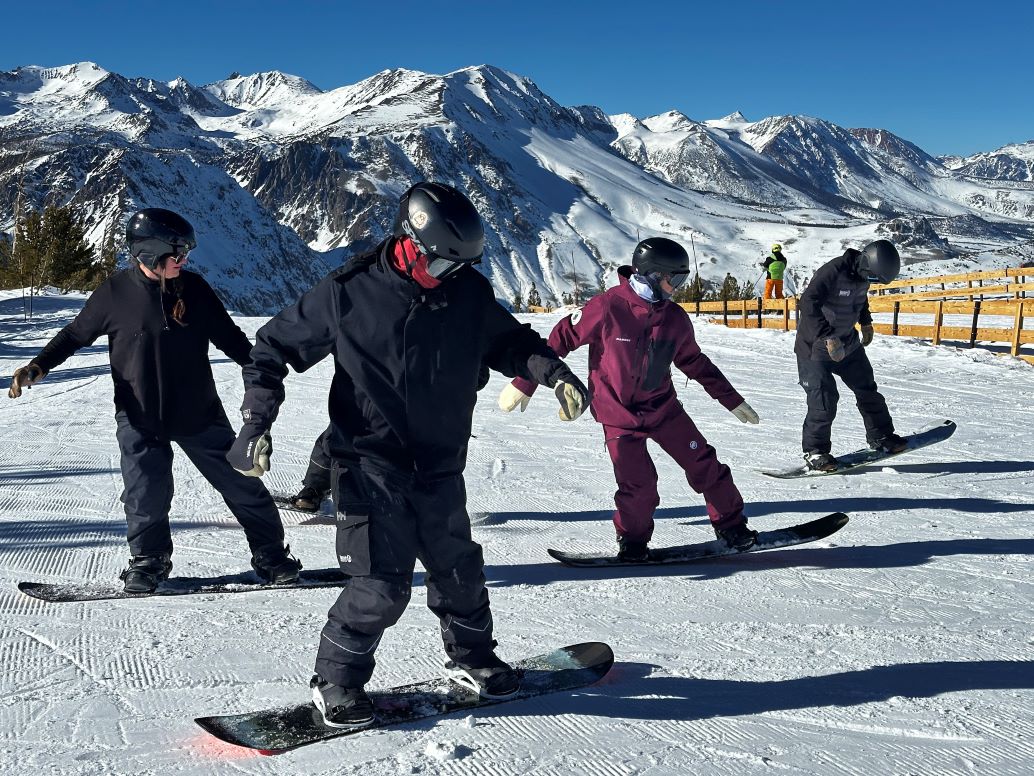
Psychological research consistently demonstrates the profound impact of positive reinforcement on learning and motivation. In a learning environment, particularly one where physical vulnerability is present, encouragement can be as critical as technical feedback. Smith highlights his experience with skilled but highly self-critical students. To prevent them from disengaging, he intentionally shifted his instructional approach to emphasize a specific success after each lap, followed by one manageable, focused cue. This strategy rapidly bolstered their confidence, leading to more fluid movements and a willingness to attempt previously avoided variations. This balanced blend of encouragement and targeted feedback created a psychologically safe space conducive to progression.
Broader Implications for the Snowsports Industry and Beyond
The widespread adoption of this enriched Movement Analysis philosophy carries significant implications for various facets of the snowsports industry:
1. Instructor Training and Certification: PSIA-AASI’s instructor training programs will continue to evolve, placing greater emphasis on the relational and psychological aspects of MA. This will likely involve more detailed modules on communication skills, empathetic observation, and strategies for building student trust and fostering intrinsic motivation. Certification exams may incorporate scenarios that assess an instructor’s ability to apply holistic MA, not just technical knowledge. This could lead to a more nuanced and psychologically informed generation of snowsports professionals.
2. Enhanced Student Experience and Retention: By prioritizing connection and empowerment, instructors can create more engaging and enjoyable learning experiences. Students who feel seen, understood, and supported are more likely to overcome initial frustrations, build confidence, and continue pursuing snowsports. This directly addresses the industry’s long-standing challenge of student retention beyond initial lessons, potentially transforming casual participants into lifelong enthusiasts. Data from various sports education programs suggest that perceived instructor empathy and individualized feedback are strong predictors of continued participation, with some studies indicating up to a 15-20% improvement in student retention rates when such approaches are consistently applied.
3. Industry Growth and Accessibility: A more effective and empathetic instructional approach can make snowsports feel more accessible and less intimidating to newcomers. By focusing on individual growth rather than a rigid ideal, instructors can cater to a broader spectrum of learners, including those with different physical abilities, learning styles, or emotional needs. This expanded appeal could contribute to overall industry growth, attracting new demographics to resorts and increasing participation rates.
4. Transferability to Other Sports and Educational Fields: The principles underpinning this advanced MA—holistic observation, relational instruction, and the power of positive reinforcement—are not exclusive to snowsports. They are universally applicable across various physical education domains, coaching disciplines, and even general classroom settings. The insights gained from this refined pedagogical approach could serve as a model for other organizations seeking to enhance their teaching methodologies and foster deeper learner engagement.
Challenges and Future Outlook
Despite the clear advantages, the full integration of this holistic MA philosophy is not without its challenges. It requires a significant shift in mindset for some seasoned instructors accustomed to purely technical analysis. Implementing comprehensive training for thousands of instructors across diverse experience levels will require substantial resources and ongoing professional development. Furthermore, quantifying the "relational" aspects of instruction can be more complex than measuring technical skill acquisition, necessitating new assessment tools and feedback mechanisms.
However, the commitment from organizations like PSIA-AASI, as evidenced by articles in prominent publications like 32 Degrees, indicates a clear strategic direction. The focus on Movement Analysis as a tool for connection, rather than just correction, represents a maturation of snowsports pedagogy. It acknowledges that true mastery on the slopes is as much about psychological comfort and self-belief as it is about physical technique. As this approach continues to permeate instructor training and daily lessons, it promises to cultivate a more empathetic, effective, and ultimately more enriching learning environment for all who venture onto the snow. The journey of learning to ski or snowboard, under this evolving paradigm, becomes not just about mastering a skill, but about discovering one’s potential, building confidence, and forging meaningful connections—both with the instructor and with the exhilarating world of snowsports itself.
