

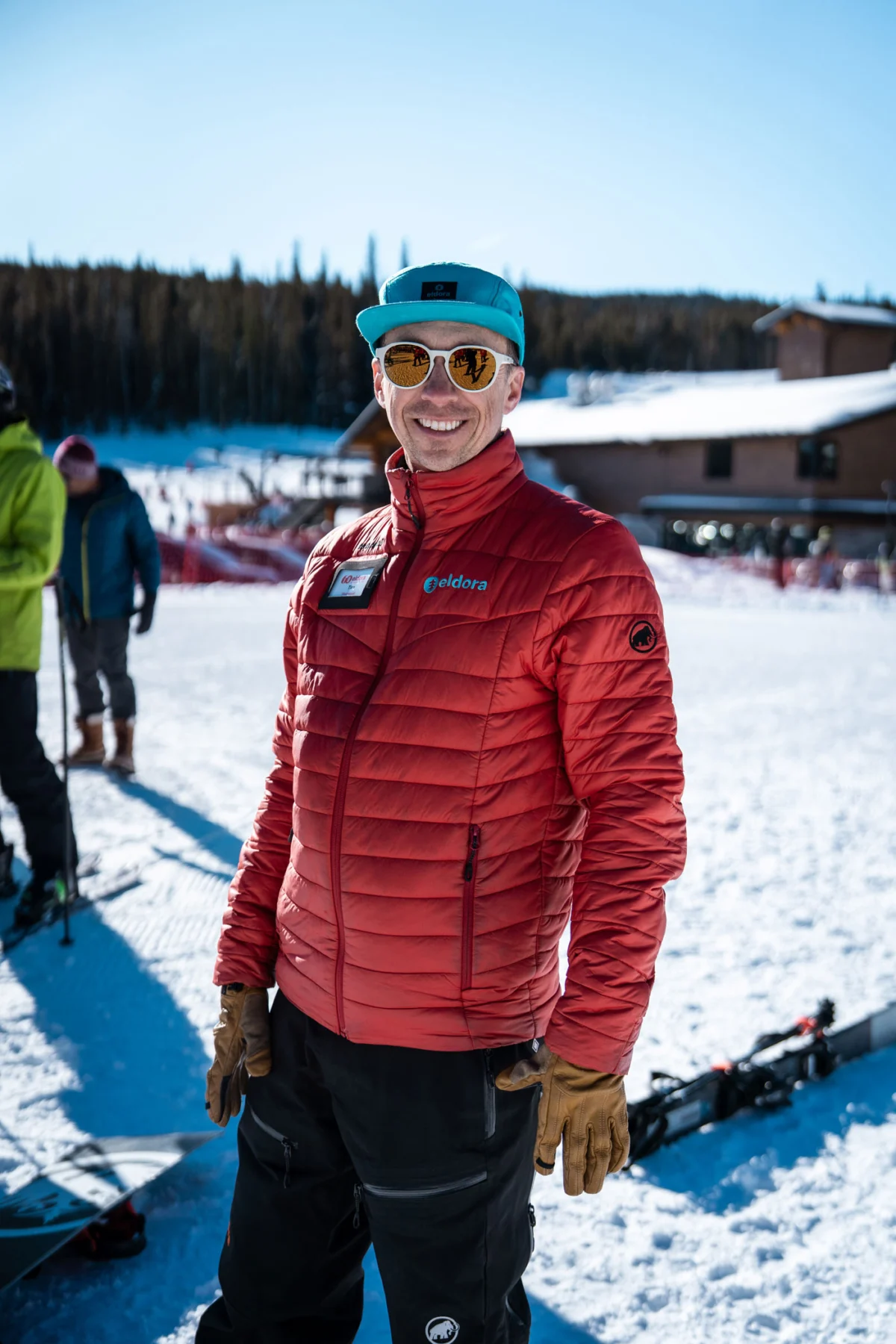
In the heart of Colorado’s Boulder County, Eldora Mountain stands as a vital winter destination, offering diverse terrain and a vibrant atmosphere. At the helm of its Ski & Ride School, Director Tim Kenney is pioneering a unique leadership philosophy, drawing parallels between the professional snowsports environment and the cherished, unifying spirit of summer camp. His approach, detailed in the Winter 2026 Issue of 32 Degrees, emphasizes community building, robust training, and a deep-seated commitment to empathy, transforming the traditional ski school model into a cohesive, supportive ecosystem for both instructors and guests.
Kenney’s vision for Eldora’s Ski & Ride School is rooted in a profound understanding of human connection. He envisions a place where individuals from disparate backgrounds converge, much like campers at a summer retreat, to share a common passion and forge lasting bonds. “People come from all over the place to attend summer camp,” Kenney reflected, highlighting the inherent diversity. “They come from super diverse backgrounds and from different states and may not see each other the rest of the year. But when they’re at camp, they’re buddies. They have a special, unique bond.” This analogy serves as the cornerstone of his leadership, aiming to replicate that immediate camaraderie and shared purpose among Eldora’s instructors.
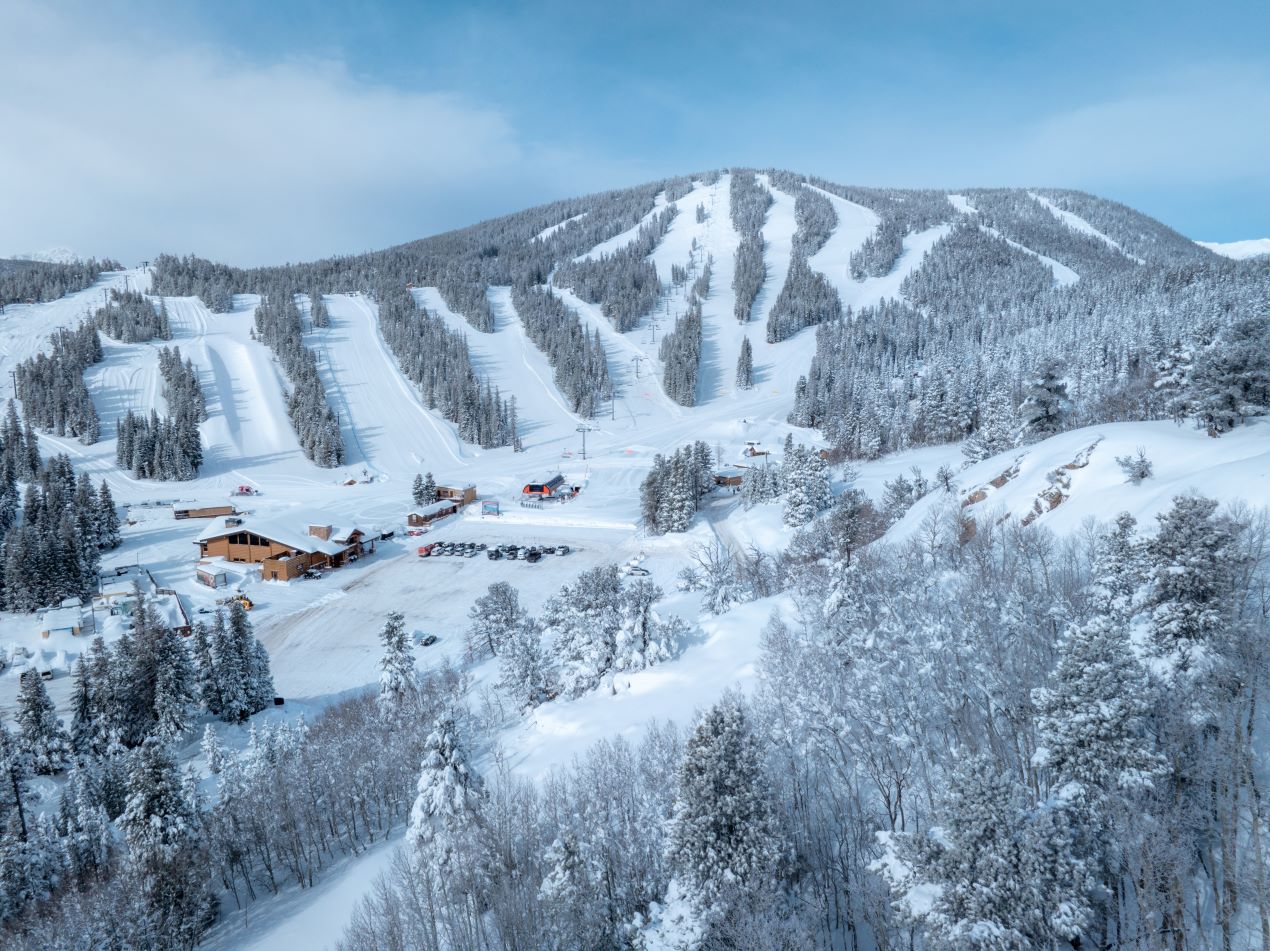
Eldora Mountain, while not among Colorado’s largest resorts, holds significant importance as a beloved local mountain, easily accessible from Boulder and Denver. Its proximity to a major metropolitan area means its Ski & Ride School serves a broad demographic, from first-time learners to advanced enthusiasts. Managing a school of this scale and diversity, comprising instructors ranging from highly skilled aerospace engineers seeking seasonal work to recent college graduates embarking on their careers, presents a multifaceted challenge. Kenney’s philosophy directly addresses this, striving to knit together this eclectic group into a supportive professional family, capable of navigating both the exhilarating highs and demanding challenges inherent in a busy ski season. This commitment to fostering a strong internal community is paramount, as a cohesive instructor team directly translates to an elevated experience for the thousands of guests who pass through Eldora’s gates annually.
A Foundation Forged in Experience and Mentorship
Tim Kenney’s journey to becoming the Ski & Ride School Director at Eldora Mountain is a testament to progressive leadership development, marked by diverse roles and impactful mentorships within the snowsports industry. His career officially began in 2001, working as an instructor, before moving into administrative and educational roles that profoundly shaped his understanding of the industry’s intricacies.
In 2012, Kenney transitioned to the Rocky Mountain Region office of the Professional Ski Instructors of America and American Association of Snowboard Instructors (PSIA-AASI), the largest snowsports education organization in the world. PSIA-AASI is responsible for setting the standards for ski and snowboard instruction in the U.S., offering certifications and educational programs that elevate the professionalism and skill of instructors nationwide. His initial role as membership coordinator provided him with invaluable direct engagement with instructors and school directors across the region. This position served as a critical interface, allowing him to listen to concerns, understand needs, and build bridges between the individual members and the broader organizational structure. It was here that he began to grasp the intricate dynamics of managing a large, diverse professional community.
Subsequently, as education manager, Kenney deepened his involvement in instructor development, working closely with Education Director Dave Gregory. This period was pivotal, as he immersed himself in advanced leadership training programs designed to cultivate effective management strategies within snowsports schools. One particularly influential program was "extreme ownership training," a 10-point system derived from military leadership principles, notably popularized by former Navy SEALs Jocko Willink and Leif Babin. This philosophy emphasizes that true leaders take absolute responsibility for everything within their domain, focusing on proactive problem-solving and continuous performance improvement. For Kenney, this translated into an actionable framework for accountability and initiative, essential traits for leading a dynamic and often unpredictable environment like a ski school.
Another cornerstone of his development was Rudy Miick’s "conscious communication" program. In an industry that thrives on clear, effective instruction and customer service, the ability to communicate with precision and empathy is paramount. Kenney found that Miick’s teachings helped him "peel away the layers that maybe aren’t relevant and helps get to the meat of issues we need to solve," whether interacting with members, supervisors, or instructors. This skill proved crucial in fostering understanding, resolving conflicts, and ensuring that critical information was conveyed efficiently and respectfully.
Kenney also benefited immensely from his collaboration with Dana Forbes, the CEO of the Rocky Mountain Region. Forbes, alongside Gregory, championed vital industry events such as the annual Member School Management (MSM) event and the Directors’ conference. These gatherings brought together school directors and managers from across the region to discuss pressing issues pertinent to ski schools, including volume management, staffing challenges, and the perennial issue of instructor housing—a significant concern for many resorts, particularly in high-cost areas like Colorado. Beyond operational discussions, these conferences facilitated crucial dialogue about the evolving relationship between PSIA-AASI and individual ski schools, ensuring alignment on best practices and industry standards.
At the resort level, Kenney acknowledges the profound influence of leaders at Steamboat, a prominent Colorado resort known for its extensive SnowSports School. He cited Nelson Wingard, now Vice President of Steamboat’s SnowSports School, as an inspirational figure who implemented significant changes and demonstrated exceptional leadership. Furthermore, Dina Castor, who recently took over the director role at Steamboat, was a formative influence, having hired Kenney for his very first year as an instructor in 2001. These long-standing relationships and observations of successful leadership in action provided Kenney with a practical understanding of large-scale ski school operations and the nuances of team management.
The mentorship network extended to national figures, including PSIA-AASI National Team alumni Scott Anfang. Despite not meeting Anfang until his Snowboard Level III training, Kenney values their continued connection. He often calls upon Anfang for his "interesting take on things that’s so grounded, in the real-life boots-on-the-ground experience." This access to the wisdom of highly experienced, elite instructors underscores Kenney’s commitment to continuous learning and leveraging diverse perspectives in his leadership role. His career trajectory illustrates a deliberate and comprehensive preparation, building expertise from grassroots instruction to regional administration and advanced leadership training, all of which culminated in his directorship at Eldora.
Implementing a Leadership Philosophy: Empathy and the "On-Stage" Mentality
When Tim Kenney assumed the role of Ski & Ride School Director at Eldora Mountain in January 2023, he arrived not just with a wealth of experience, but with a refined set of leadership philosophies ready for practical application. Central to his approach is the "trust triangle," a model that posits trust is built upon three pillars: authenticity, logic, and empathy. While acknowledging that he may have instinctively practiced aspects of this model throughout his career, Kenney consciously integrates it into his daily interactions, particularly emphasizing empathy.
The trust triangle provides a clear framework for interaction. Authenticity demands genuine engagement and transparency, ensuring that leaders are perceived as real and trustworthy. Logic requires decisions and communications to be rational, well-reasoned, and understandable. However, it is empathy—the ability to understand and share the feelings of another—that Kenney identifies as especially critical, particularly in the fast-paced, often high-pressure environment of a ski resort. He explains that during a busy Saturday morning lineup, an instructor might bring up an issue that, from a supervisor’s perspective, might seem minor or ill-timed. The immediate, logical inclination might be to dismiss it to maintain focus on the day’s demands. However, Kenney advises against this. “It’s not for us to judge whether the issue is big or small, but it’s important to get back to the logic of what we need to get done that day and do that in a way that doesn’t come off too heavy-handed or too harsh,” he explained. This approach validates the instructor’s concern while gently guiding the conversation back to the immediate priorities, preserving trust and demonstrating respect.
This emphasis on empathy extends beyond internal staff interactions to encompass every individual encountered at Eldora. Kenney advocates for leading with a "carrot, rather than a stick," a motivational approach that prioritizes positive reinforcement and understanding over punitive measures. He firmly believes that “we don’t know what everyone’s going through throughout their day, whether that’s a guest or an employee, and it’s easy to place our own values in front of an individual’s.” This perspective fosters a culture of compassion and patience, recognizing that external factors often influence behavior and performance. In a service industry, where guest interactions are paramount, this empathetic stance is invaluable for de-escalating potential conflicts and ensuring a positive experience for all.
Beyond the trust triangle, Kenney champions the "on-stage mentality," a concept popularized by motivational speaker Dan Thurmon, whom Kenney encountered during a pandemic-era leadership training seminar. This philosophy posits that every individual, especially those representing an organization, is constantly "on stage." For Eldora’s instructors and staff, this means a continuous awareness that their actions, both in and out of uniform, reflect upon the resort. “We’re training them to be aware that they are always representing Eldora, in all their actions in uniform and outside of uniform,” Kenney stated. This extends to interactions at the coffee shop, on the shuttle bus, or even during personal time in the community. Guests and the public are constantly observing and forming impressions, which are then layered onto their perception of Eldora Mountain as a whole.
This "on-stage mentality" is not about artificial performance but about fostering a deep sense of professionalism and brand ambassadorship. Supervisors are tasked with imparting this awareness to their instructors, ensuring that every member of the team understands their role in upholding Eldora’s reputation for excellence, safety, and hospitality. In an era where customer experience reviews and social media narratives can significantly impact a business, cultivating this mindset ensures that Eldora’s brand image remains consistently positive, built on the authentic, logical, and empathetic interactions of its staff.
Broader Impact and Industry Implications
Tim Kenney’s leadership philosophy at Eldora Mountain resonates with broader trends and challenges facing the snowsports industry. Ski and ride schools are not just revenue centers for resorts; they are critical touchpoints for guest engagement, skill development, and fostering a lifelong love for winter sports. The quality of instruction and the overall guest experience directly impact repeat visitation and industry growth.
One of the persistent challenges for ski resorts, particularly those in popular destinations like Colorado, is staffing. Attracting and retaining qualified instructors, especially amidst housing shortages and competitive labor markets, is an ongoing battle. Kenney’s emphasis on creating a supportive, community-oriented environment, akin to a summer camp, serves as a powerful retention tool. When instructors feel valued, understood, and part of a cohesive team, they are more likely to commit to the resort long-term. This empathetic approach, coupled with strong leadership training, contributes to higher morale and reduced turnover, which are significant operational advantages.
Furthermore, the focus on "extreme ownership" and "conscious communication" enhances operational efficiency and safety. In an environment where split-second decisions and clear instructions are vital for guest safety and effective learning, these principles ensure that instructors and supervisors are proactive, accountable, and skilled communicators. This directly translates to fewer incidents, better lesson delivery, and ultimately, a safer and more enjoyable experience for guests.
The "on-stage mentality" also has far-reaching implications for brand management and customer loyalty. In an increasingly competitive leisure market, the overall perception of a resort is heavily influenced by staff interactions. By instilling a culture where every employee understands they are a brand ambassador, Eldora Mountain proactively shapes its public image. This consistent professionalism across all touchpoints builds trust and strengthens the resort’s reputation as a premier destination for snowsports education.
Kenney’s model provides a compelling blueprint for other ski schools grappling with similar issues. It underscores the idea that effective leadership in the snowsports industry goes beyond technical proficiency in skiing or snowboarding; it demands a sophisticated understanding of human psychology, team dynamics, and customer service. By integrating advanced leadership theories like the trust triangle and extreme ownership with practical, empathetic application, Kenney is not only enhancing Eldora’s Ski & Ride School but also contributing to the evolution of leadership practices within the wider snowsports community. His work exemplifies how a director can foster a thriving, resilient, and guest-centric environment, ensuring that the magic of the mountains is accessible and enjoyable for everyone, just like those cherished days of summer camp.
